The home of architecture and design in the Asia-Pacific
Get the latest design news direct to your inbox!

Get the latest design news direct to your inbox!
Sydney-based architecture and design practice Tzannes has appointed Benjamin Donohoo as an associate director, expanding the studio’s core leadership group.
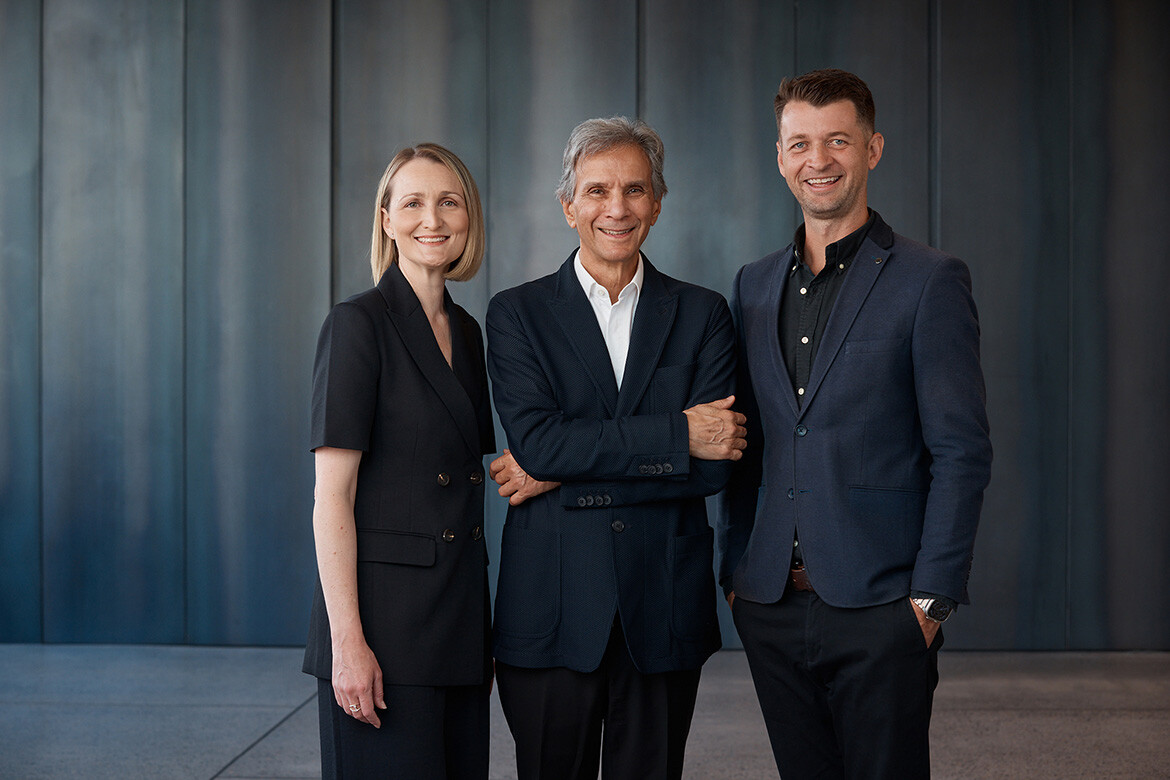
Amy Dowse, Alec Tzannes and Benjamin Donohoo, photo by Toby Burrows.
April 1st, 2026
Tzannes‘ appointment of Benjamin Donohoo as an associate director is a strategic appointment that builds on the strong foundation he has established with co-director Amy Dowse and the wider team, according to director and founder, Alec Tzannes.
“We’re excited to welcome Benjamin on board as a practice leader,” says Alec. “Benjamin is an exceptionally talented designer with a great depth of experience here and overseas. His design skills, insights and energy will add immediate value for our existing clients and bring fresh perspectives as we evolve the business.”
Tzannes says Donohoo will support current projects in the commercial, mixed-use and multi-residential sectors, while his significant education and aviation experience will enhance the studio’s capabilities.
Donohoo comments: “As an architect, I have the greatest respect for the work of the Tzannes team. I’m looking forward to working on everything from finely crafted single residences to city-making projects that shape our urban fabric. I’m energised by the design standard that Tzannes is renowned for and keen to play a role in the practice’s future.”
Related: Tzannes book launch
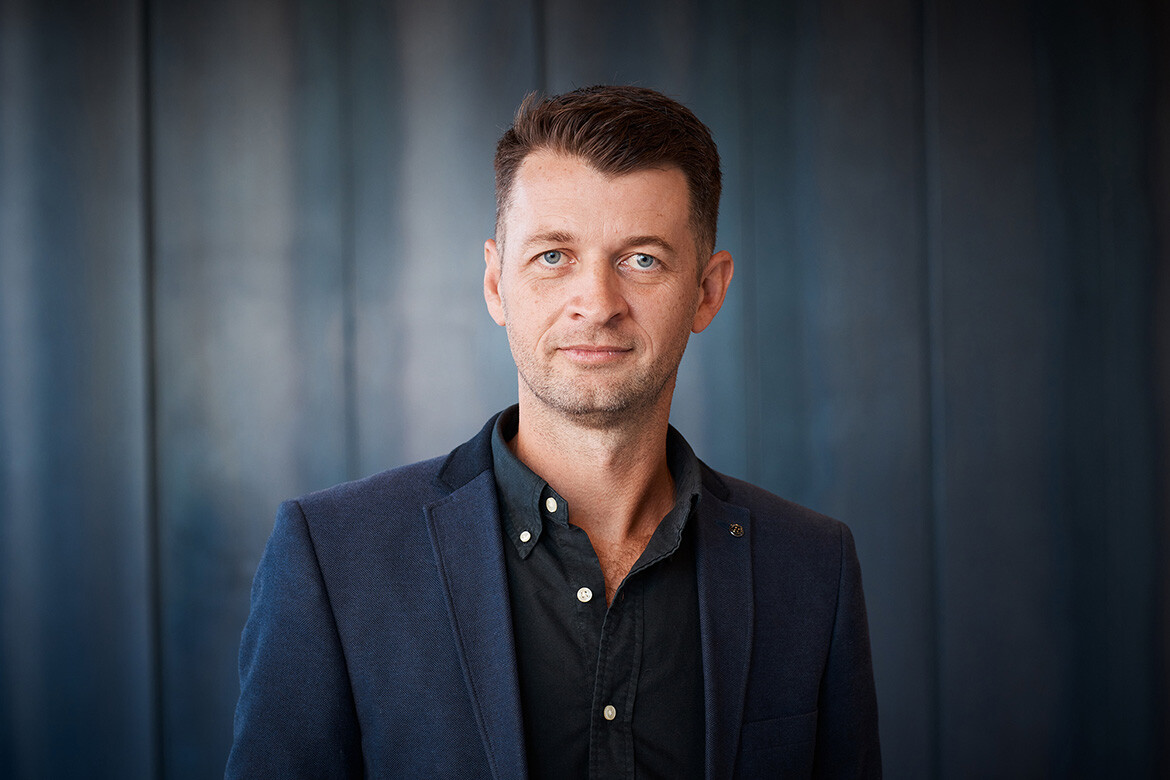
Donohoo built his career working at large firms, most recently as a principal at Grimshaw, where he led the design of the Sydney Metro Hunter Street Station East Precinct and Commercial Tower. Previously, he was at Foster + Partners in London and at BVN in Sydney.
He has contributed to many award-winning architecture and urban design projects, including the certified PassivHaus Monash University Woodside Building for Technology & Design and the University of Sydney F23 Chancellery Building. He worked on Sweden’s largest urban transformation project, the Slussen Masterplan in Stockholm, and has delivered aviation projects in the Middle East and Australia.
Alec Tzannes adds: “With forty-plus years of practice behind us, we continue to thrive on creativity and exploration. Benjamin is a great addition to our team. He’s aligned with our ethics and design ethos, and will make an important contribution to the future direction of our work.”
Tzannes
tzannes.com.au
INDESIGN is on instagram
Follow @indesignlive
A searchable and comprehensive guide for specifying leading products and their suppliers
Keep up to date with the latest and greatest from our industry BFF's!
The internet never sleeps! Here's the stuff you might have missed