The home of architecture and design in the Asia-Pacific
Get the latest design news direct to your inbox!

Get the latest design news direct to your inbox!
Specification now centres on systems that drive performance, compliance, and lasting impact—not just materials.

May 1st, 2026
It is no longer defined only by visible materials or surface-level certifications. The focus is shifting below the surface, to the systems that determine how a workspace performs, how long it lasts, and how it meets evolving compliance requirements.
For architects and designers, this changes the scope of specification.
It is no longer just about how a product looks. It is about what enables that product to perform, comply, and endure over time.
Height-adjustable workstations are now standard, but not all systems perform equally.
The difference comes from the lifting columns and internal components, where precise engineering, thoughtful material choices, and consistent movement provide smoother operation, greater reliability, and longer product life.
These decisions define:
Design responsibility no longer stops at the visible product. It extends across the full lifecycle.
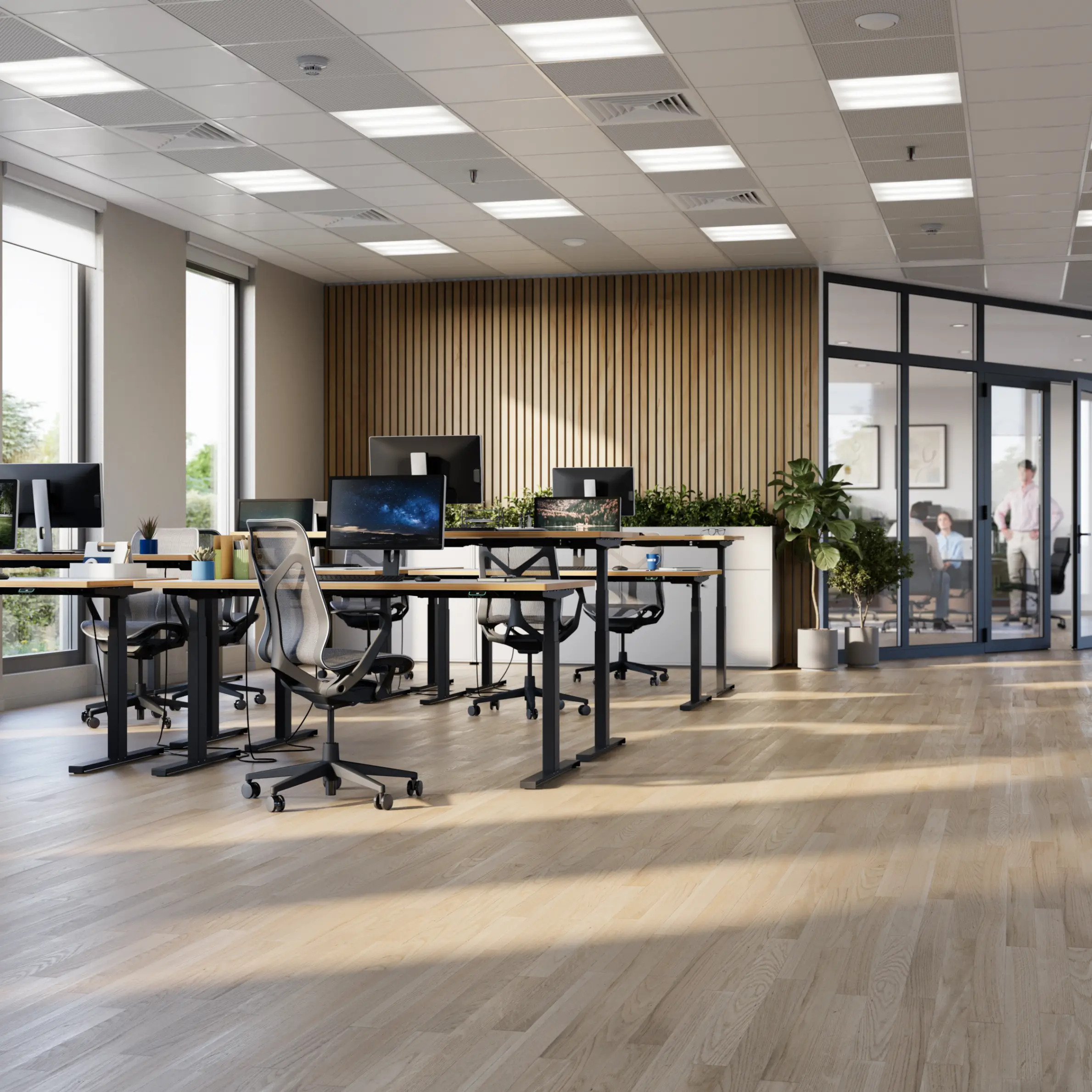
The EXPERIENCE™ range reflects this shift.
Engineered at a system level, it is designed to:
These are decisions made upstream, where impact is greatest.
As a result, performance and sustainability are no longer trade-offs; both are now industry expectations.
Projects increasingly demand:
EXPERIENCE™ columns provide consistent ergonomic performance and durability while ensuring materials meet regulatory requirements and reduce environmental impact from the start.

The EXPERIENCE™ range has been recognised with the iF Design Award, a milestone that reflects both engineering and design quality.
For architects and designers, this provides confidence at the specification stage.
It signals that the solution has been independently assessed not only for performance, but also for its contribution to design and responsible development.
In practice, this supports stronger specification decisions, particularly in projects where long-term performance and compliance are critical.
Design intent must carry through to delivery.
DESK FRAME 5 is developed to integrate seamlessly with EXPERIENCE™ columns, supporting complete workstation solutions through manufacturing partners.
This helps ensure:
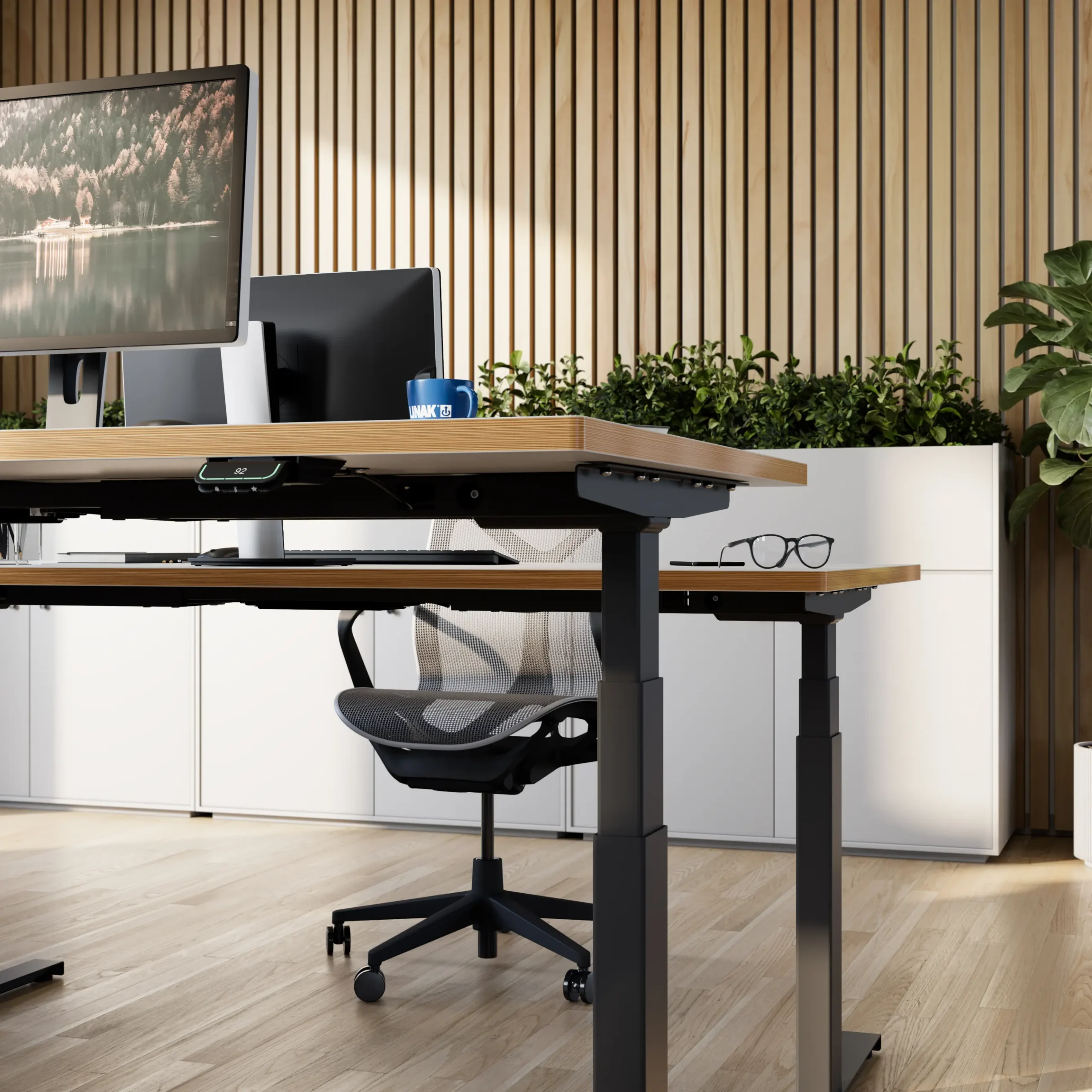
Specification is no longer just about what is seen; it is about what enables a design to perform, comply, and last over time.
In today’s projects, the systems behind each design define its performance, compliance, and longevity. Choosing the right systems is now not just important; it is essential for delivering workspaces that truly endure and succeed.
For more information, visit LINAK.COM.AU
INDESIGN is on instagram
Follow @indesignlive
A searchable and comprehensive guide for specifying leading products and their suppliers
Keep up to date with the latest and greatest from our industry BFF's!
The internet never sleeps! Here's the stuff you might have missed