Raise the topic of hospitality and retail and your mind instantly jumps to far-out fit-outs and awe-inspiring interiors. But before you even reach that finished product, there are many moving parts to negotiate first.
I’m talking about the strategy of location and demographic. Imperatives of environmentally conscious design and retail and hospitality feasibilities. The integration of digital experience as part of the patron’s journey – from early engagement, right through to bricks-and-mortar exchanges. And so much more.
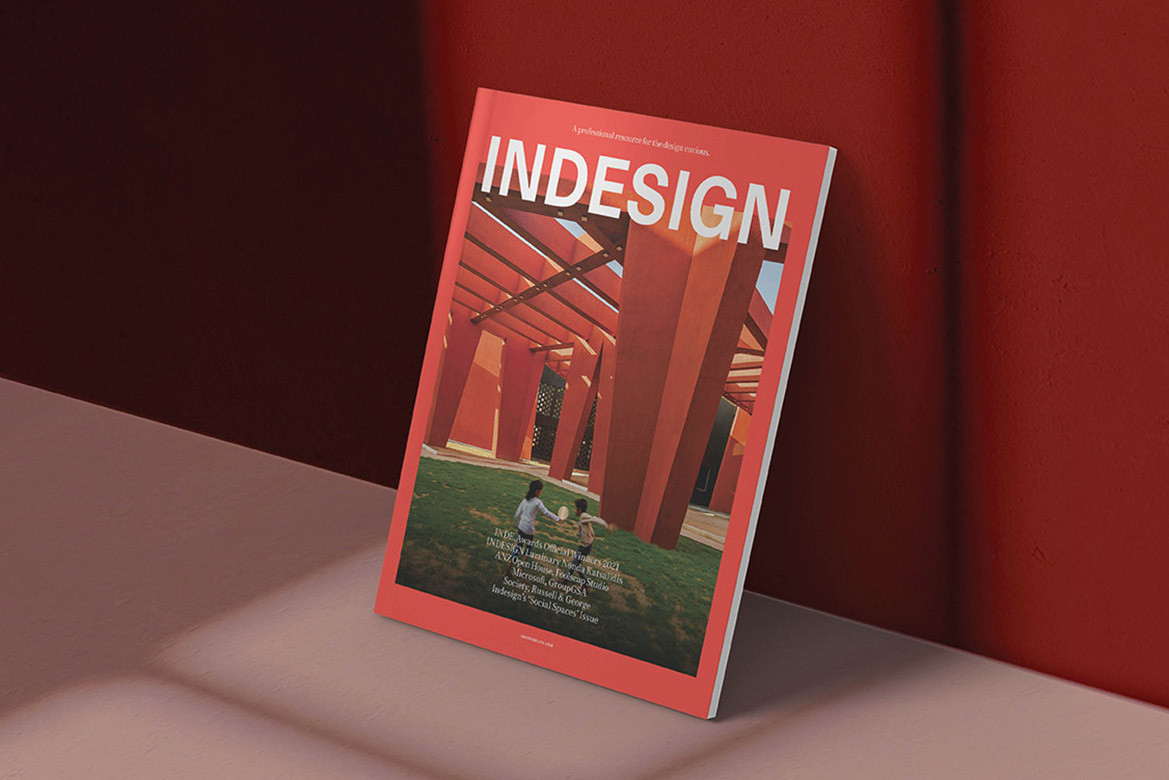
In this edition of Indesign magazine, the ‘Social Spaces’ issue, we consider the future of hospitality and retail from all these angles. There’s numerous insights and strategies outlined within, brought to you by our community’s leading architects and designers.
Here are five revelations to get you thinking, before you purchase your print issue or download the digital version via the Indesign App.
1. The digital presence of a project has grown in importance, in the eyes of the client.
Rosey Morley, principal at Fender Katsalidis, is a proponent for designing a virtual word before designing a physical one. “You’ve got to make that interaction between the device and the building really seamless,” she notes.
Digital experience is no longer just a marketing tool, It’s now the before, during and after. It gets you there, helps you experience the space and tempts you back afterwards.
The question Morley puts to us is: why can’t our physical spaces be as fluctuating and varied and changing as a digital space?

2. Feasibility-based design could be the key to successful retail and F&B development
Michael Bascetta and Roscoe Power of Worksmith belive that feasibility should fundamentally dictate concept. “The narrative fits inside the feasibility and the concept has to change to meet those needs,” says Bascetta.
There are many developments out there that offer retail space design that has a limited understanding of what the economics look like. They see an opportunity to put more effort into feasibility-based design, to create flexible spaces with wider market appeal. Space that ultimately set up the operator to be financially successful. Enter, the pre-design services proposition.
3. Major retailers are quietly adapting away from large-format retail outlets.
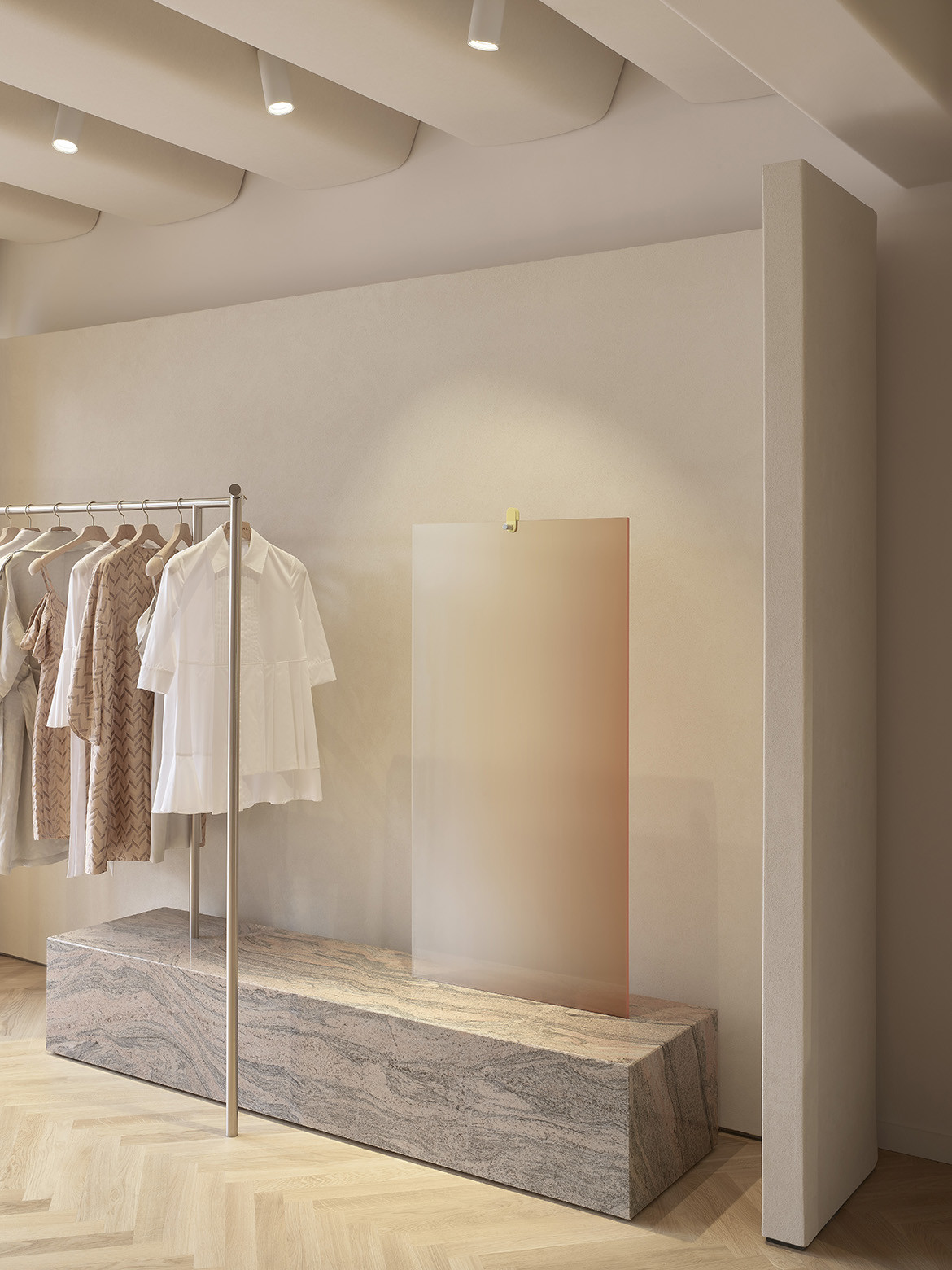
Where is this leading? As Emily Wombwell of SJB writes, “The notion of ‘it takes a villages’ is being manifested in mixed-use developments that are becoming increasingly popular for a broad range of demographics in urban environments.”
The success of these mixed-use developments, writes Wombwell, relies on authenticity and a high level of amenity. It’s the “anti-digital shopping experience” that translates into the “uber traditional”. So, there’s a lot to be said for delivering high level public spaces in and between all the uses.

4. Hospitality may well be the enticement we need to put in more days at the office than home.
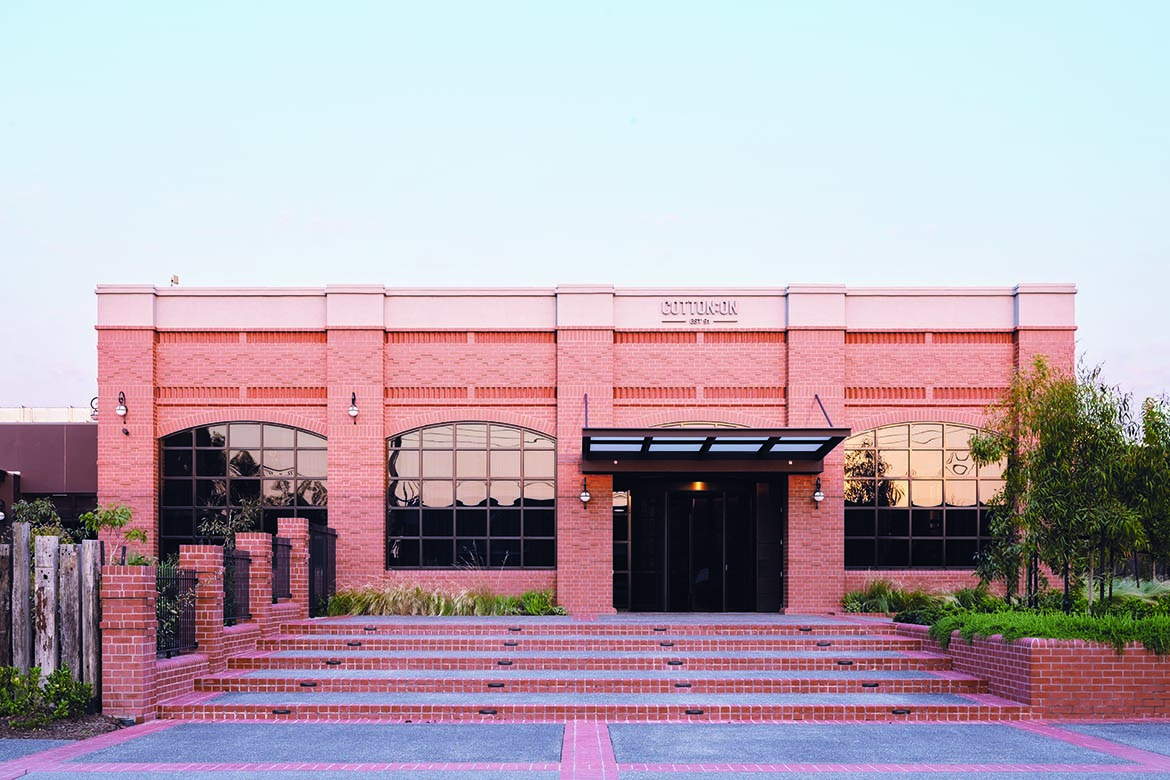
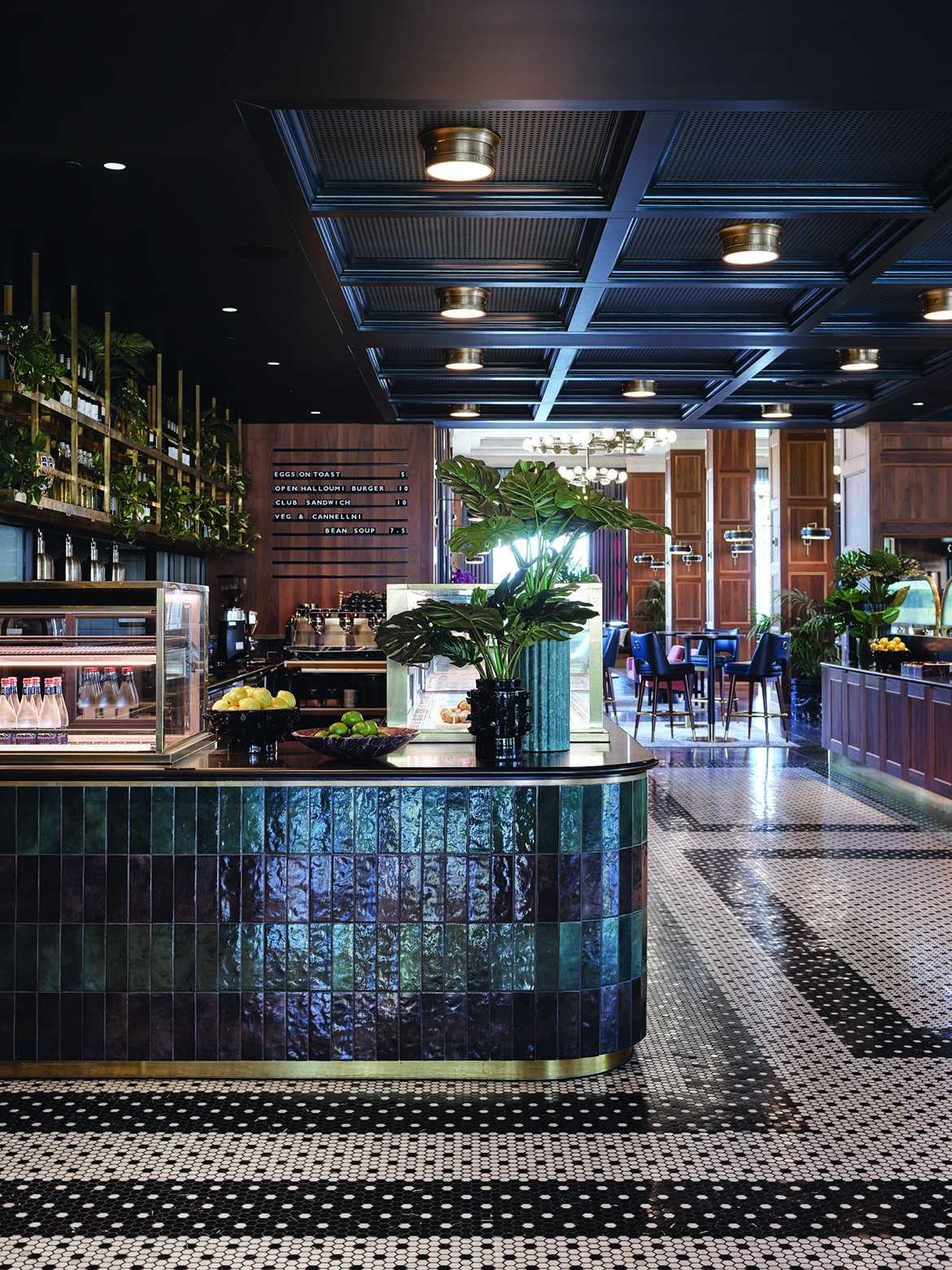
Greg Natale with PTID has designed a campus for Cotton On that is eye-poppingly luxe, but also just really welcoming. As Natale notes, Cotton On’s owner, Nigel Austin, “wanted this amazing campus that would reflect that passion he feels for Geelong and attract the best of the best”.
Best of the best is right: There a dining room that is very much a New York brasserie style – filled with custom made furniture. Staff facilities that conjure a resort experience with rich timber, elegant tones and plenty of beautiful moments. Then there’s the foyer and entrance – straight out of the high-end luxury hotel camp.
Who wouldn’t want to work there?
5. You can’t underestimate the power of place, context and history when creating a cinematic experience.
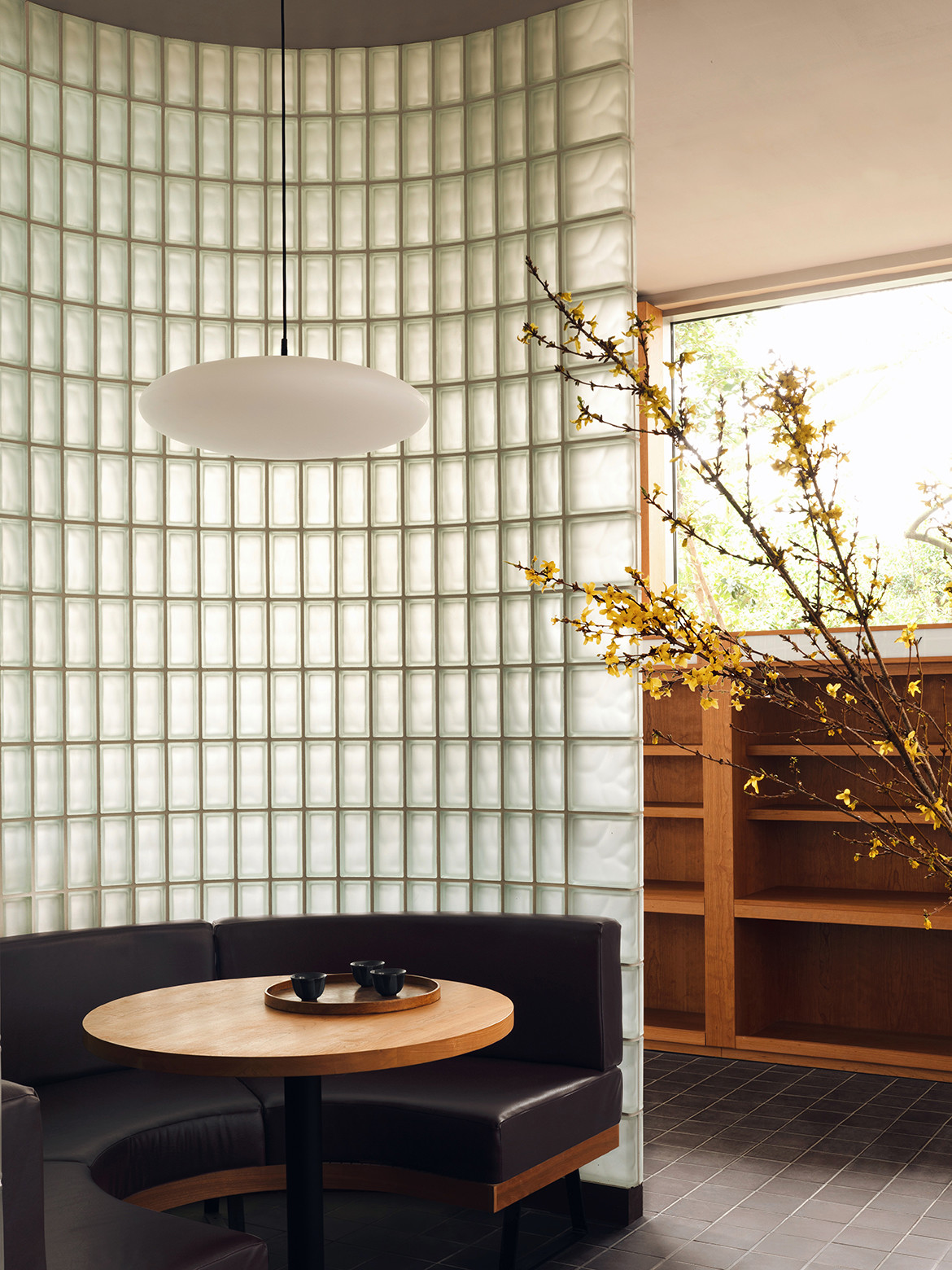
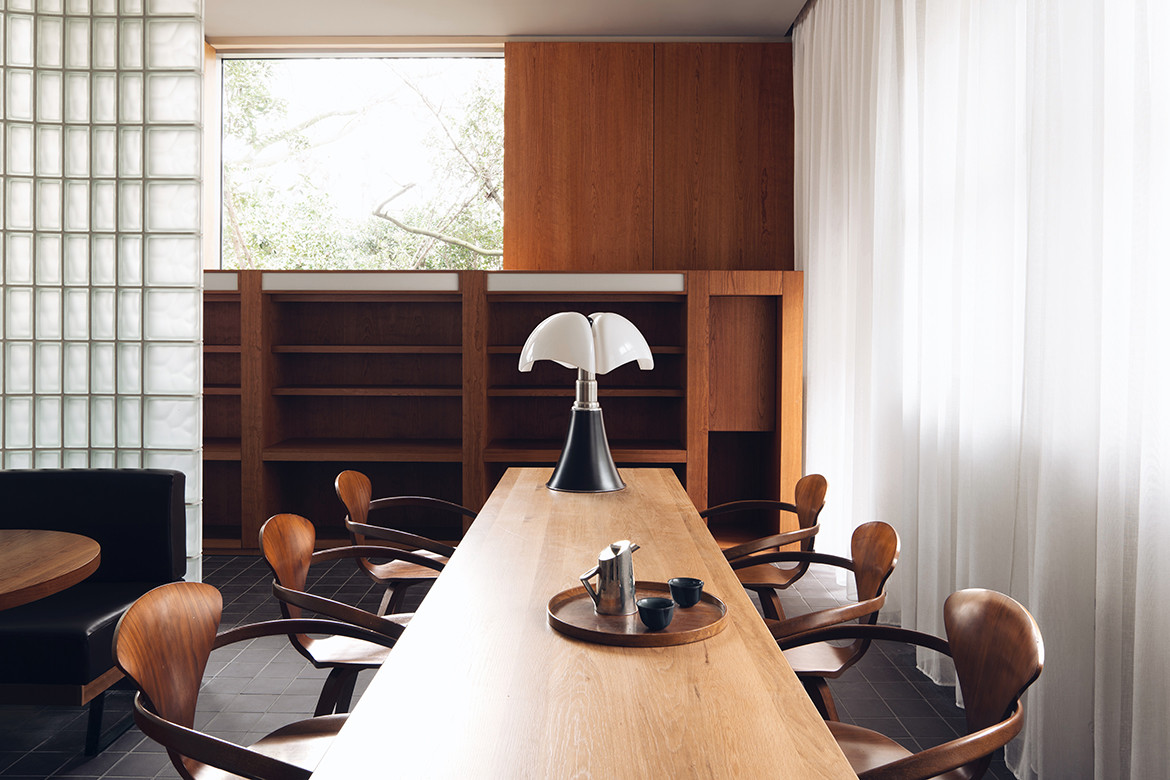
The ‘cinema’ of hospitality and retail is having a golden moment with London-based Child Studio. Their hospitality and retail interiors are compelling snapshots into their hometown of London. As co-founder Alexy Kos explains, “The central theme in our work is a deep interest in the Modernist heritage of London, and an ambition to create distinctive and relevant work rooted in local history”.
Purchase your edition of Indesign’s ‘Social Spaces’ issue in print, or download the digital version via the Indesign App.