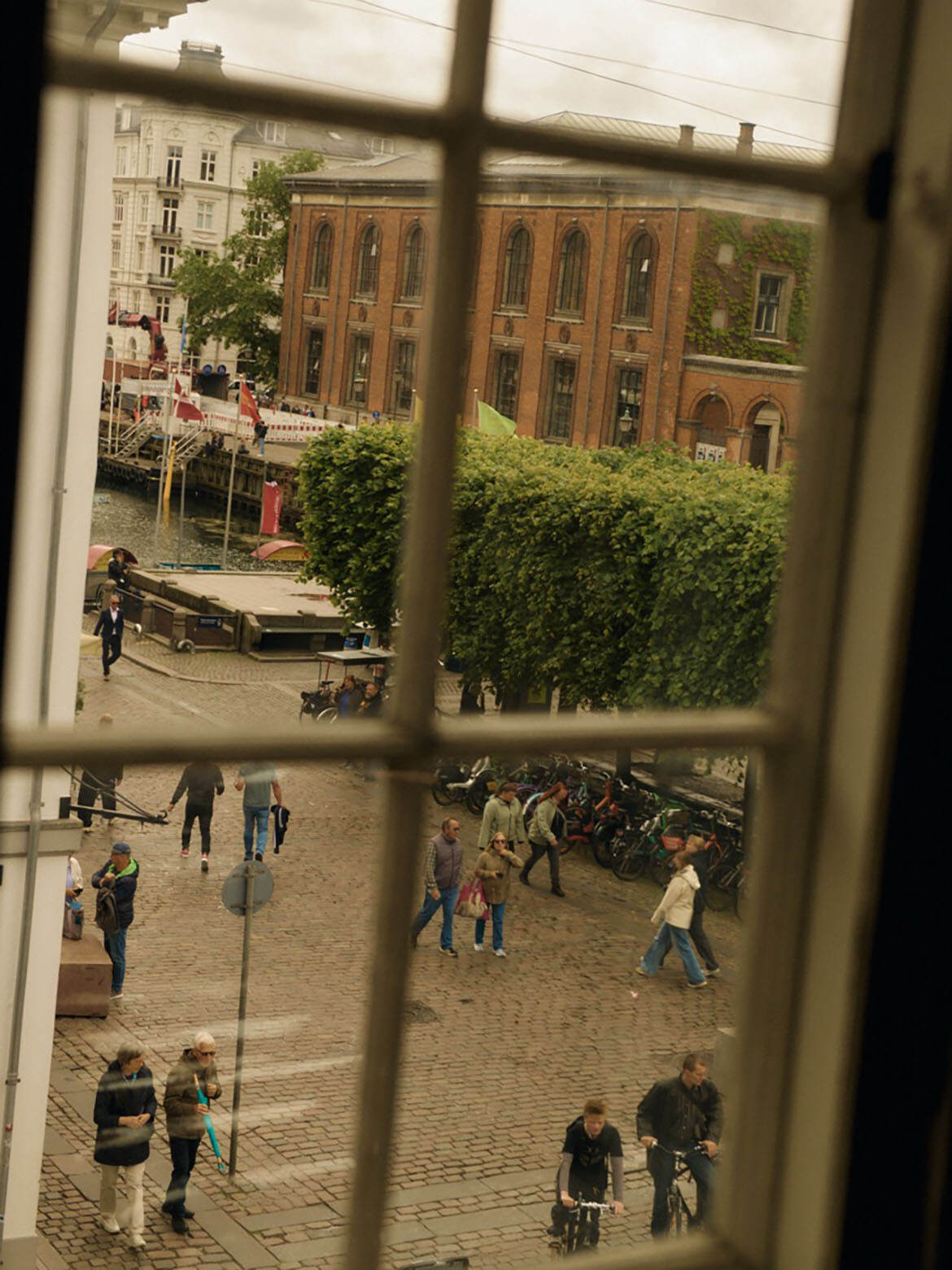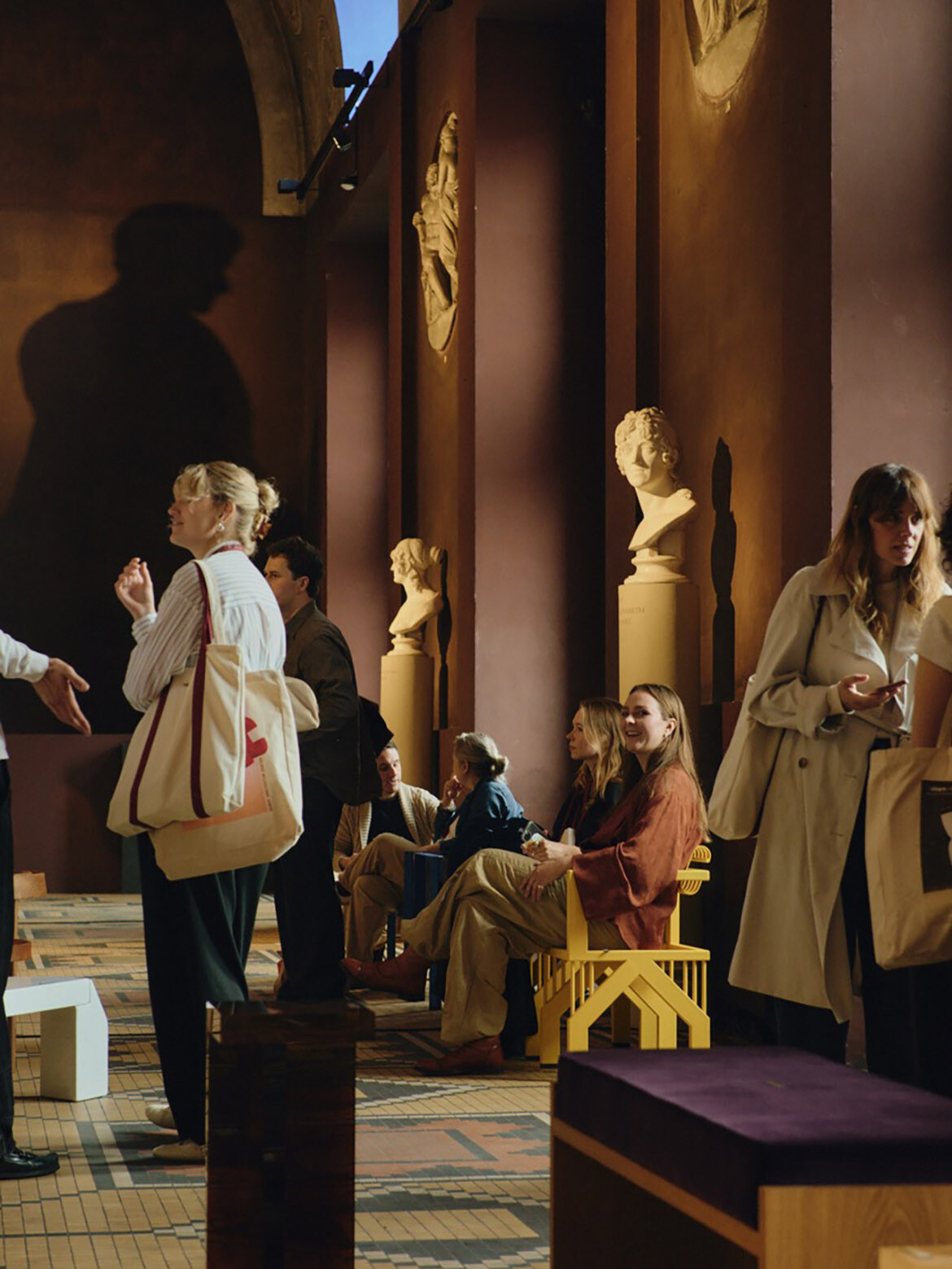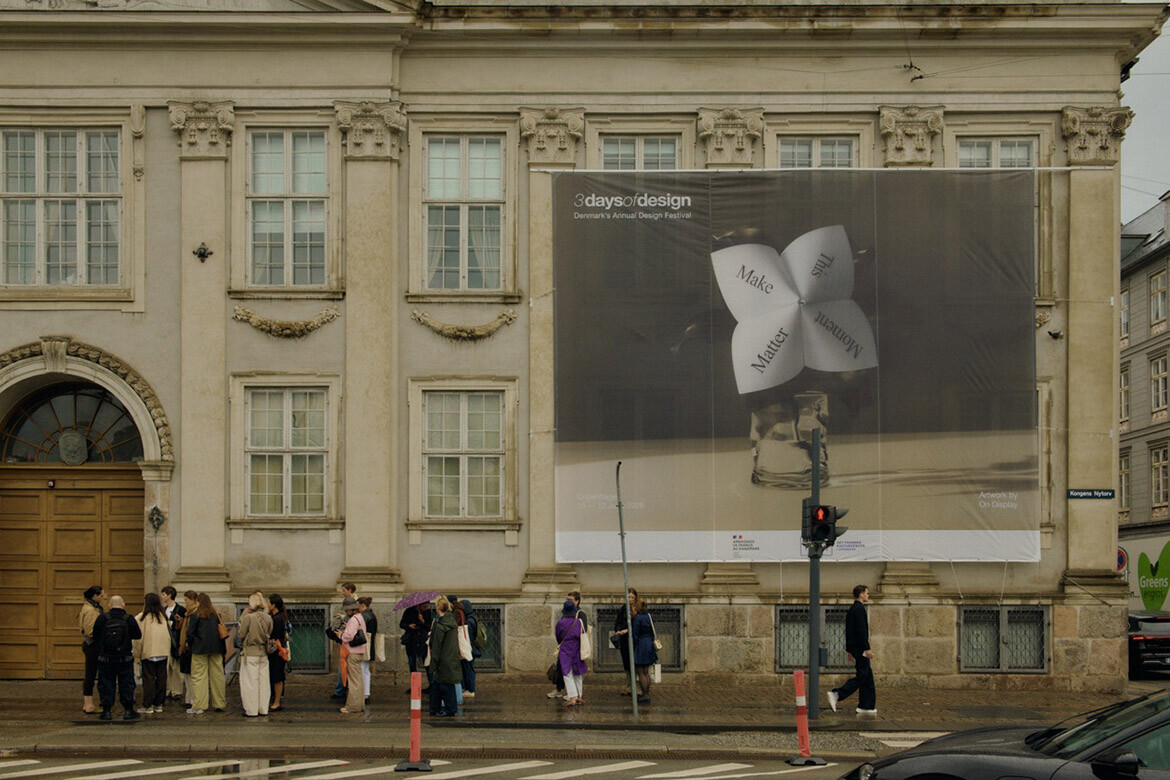
Arriving in Copenhagen during 3daysofdesign, I was reminded of something I first felt more than a decade ago on my initial visit to the city: Copenhagen does not wait for a design festival to become a design destination.
Unlike many cities that transform themselves for a festival, Copenhagen already feels like a year-round exhibition of design, architecture, craft and making. 3daysofdesign simply turns up the volume on something that is already deeply embedded in the culture of the city.
This was my third visit to Copenhagen and, much like Japan, it remains one of the few places in the world that feels strangely familiar to me despite being so far from home. There is something in its soul that resonates. Perhaps it is the restraint. Perhaps it is the reverence for craft. Perhaps it is the belief that beauty belongs in everyday life. Whatever it is, I felt it again almost immediately.
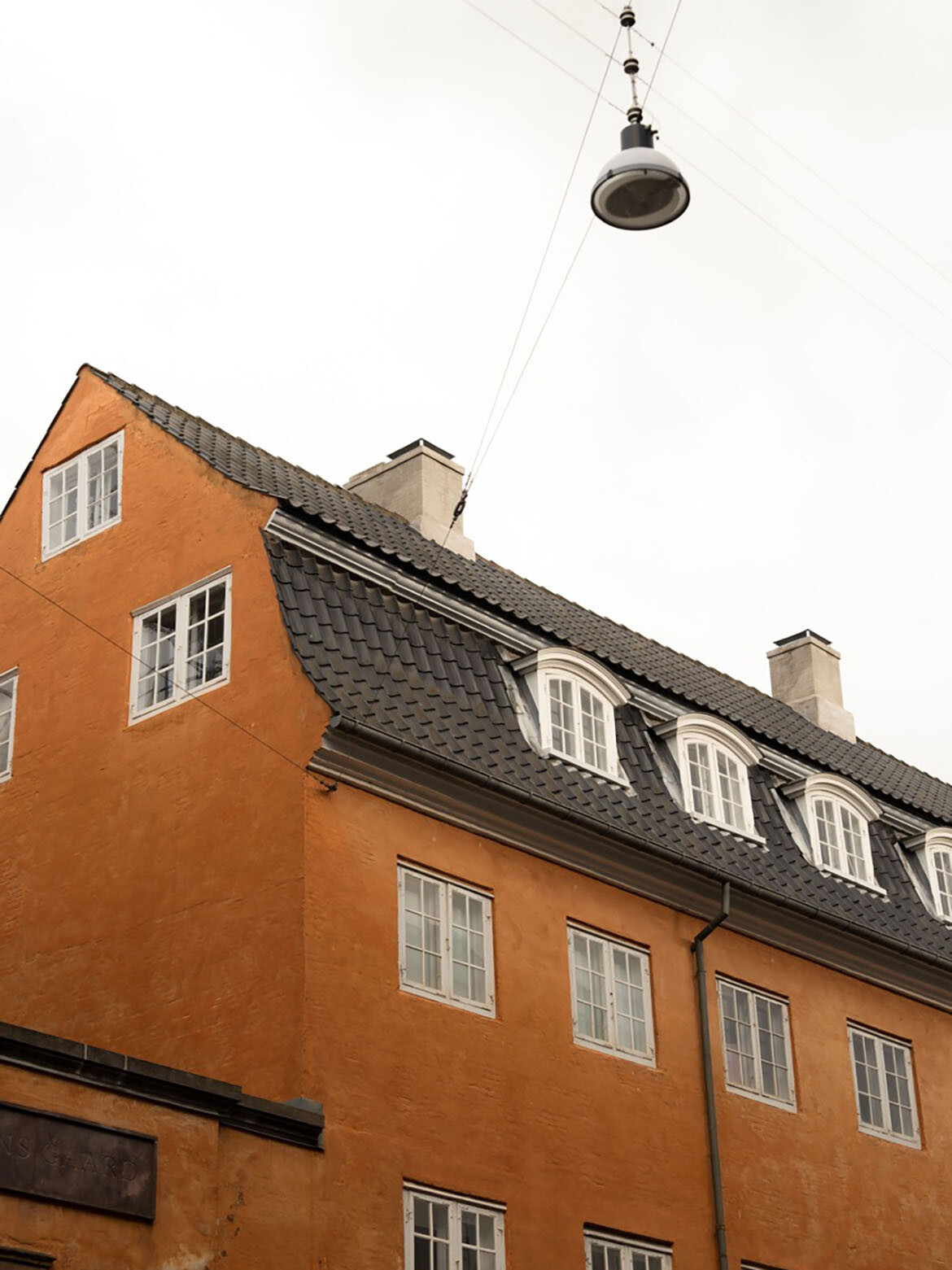
Within an hour of arriving, my son Cillian and I had found ourselves deep in conversation with a young woman in a small fragrance store. What began as a discussion about scent drifted into incense, moss-covered forest floors and the strange power of memory. We left with an arm’s-length list of coffee and pastry recommendations to fuel the adventures that lay ahead.
In hindsight, that conversation was the perfect beginning for what lay ahead.
The most memorable moments of the week would not come from a carefully assembled itinerary. They would come from leaving enough room for the unexpected.
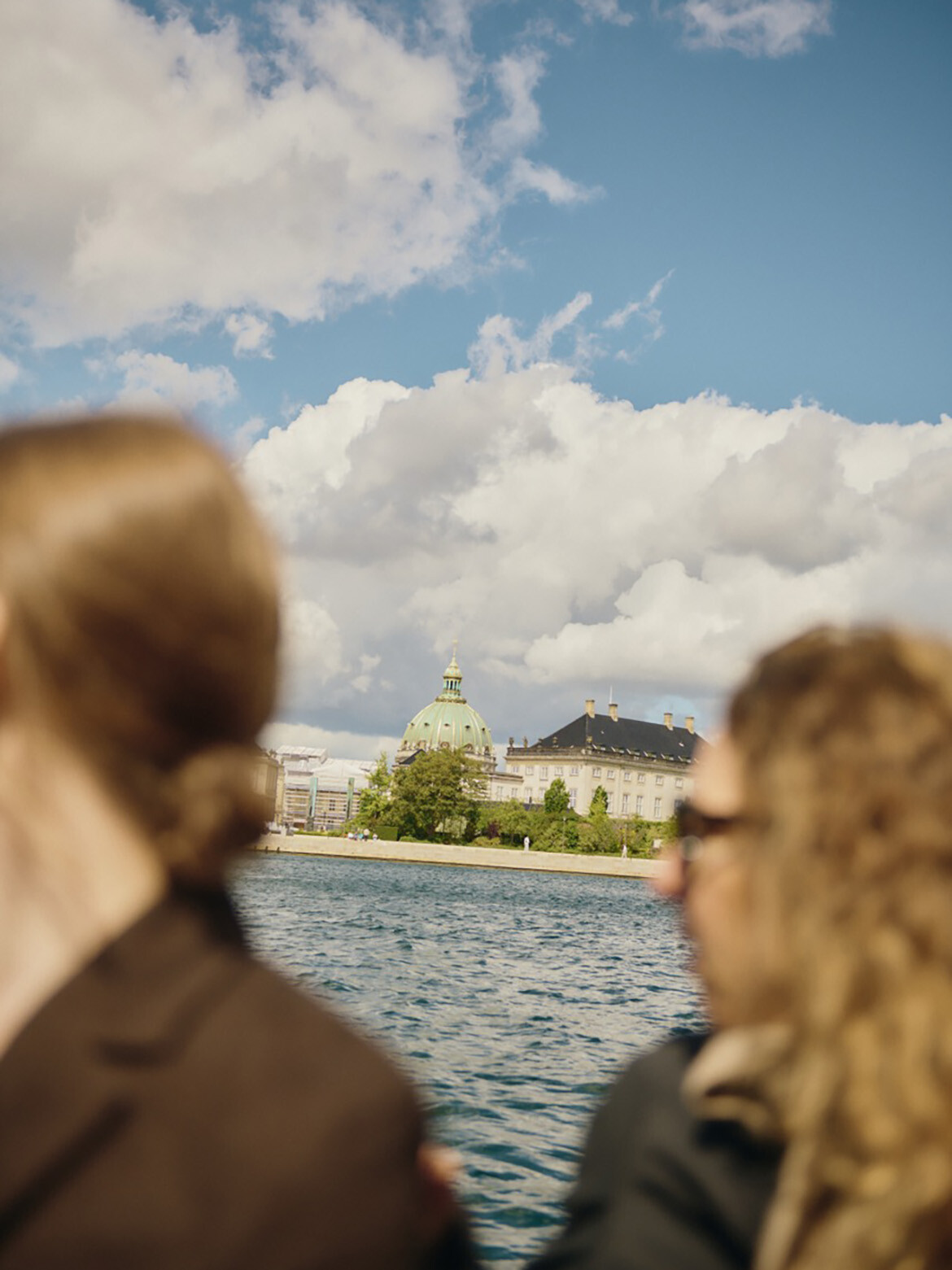
As designers, we often approach festivals with military precision. Every hour accounted for. Everyshowroom mapped. Every exhibition marked in the calendar. Yet some of the richest experiences occur in the spaces between appointments.
A wrong turn leads somewhere interesting. A conversation opens an unexpected door. A distraction becomes the highlight of the day.
Walking through the city on our first afternoon, we stumbled upon an opening at the House of Finn Juhl.This wasn’t on my list. It wasn’t part of the plan. Yet sitting amongst furniture first designed in the 1940s, I found myself wondering how much of what was being launched across Copenhagen this week would still be around in another 80 years.
The question stayed with me.
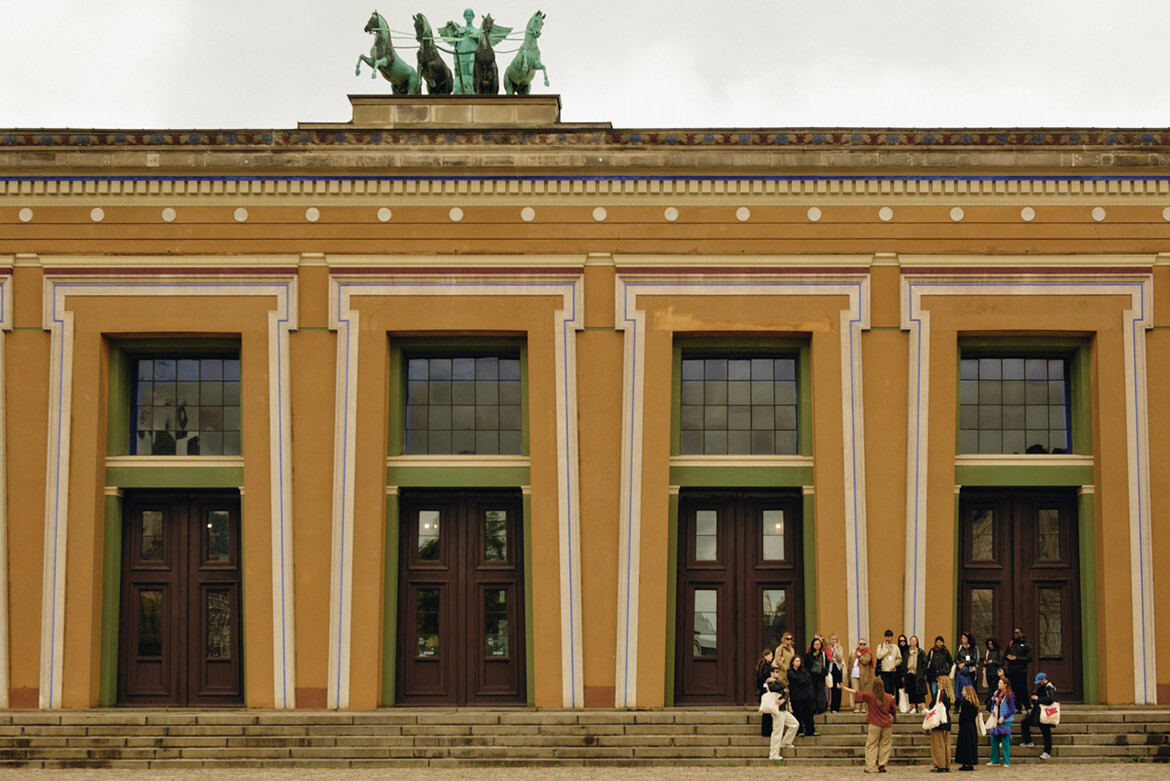
In a week devoted to all things old and new, I found myself increasingly drawn to the idea of things that had endured. It surfaced again inside Grundtvig’s Church.
Approaching by bicycle through Copenhagen’s outer neighbourhoods, the giant brick façade emerges almost unexpectedly from the surrounding suburb. Inside, I found one of the most moving architectural spaces I have experienced anywhere.
Millions of small yellow bricks rise from the floor to form soaring vaulted ceilings overhead. Light washes across textured surfaces. There is almost nothing there and yet everything feels present. No unnecessary gesture. No excess. Just material, proportion and light.
I could have sat there for hours — perhaps because architecture like this reminds us that beauty and longevity are often close companions.
Related: A general round-up from 3days 2026
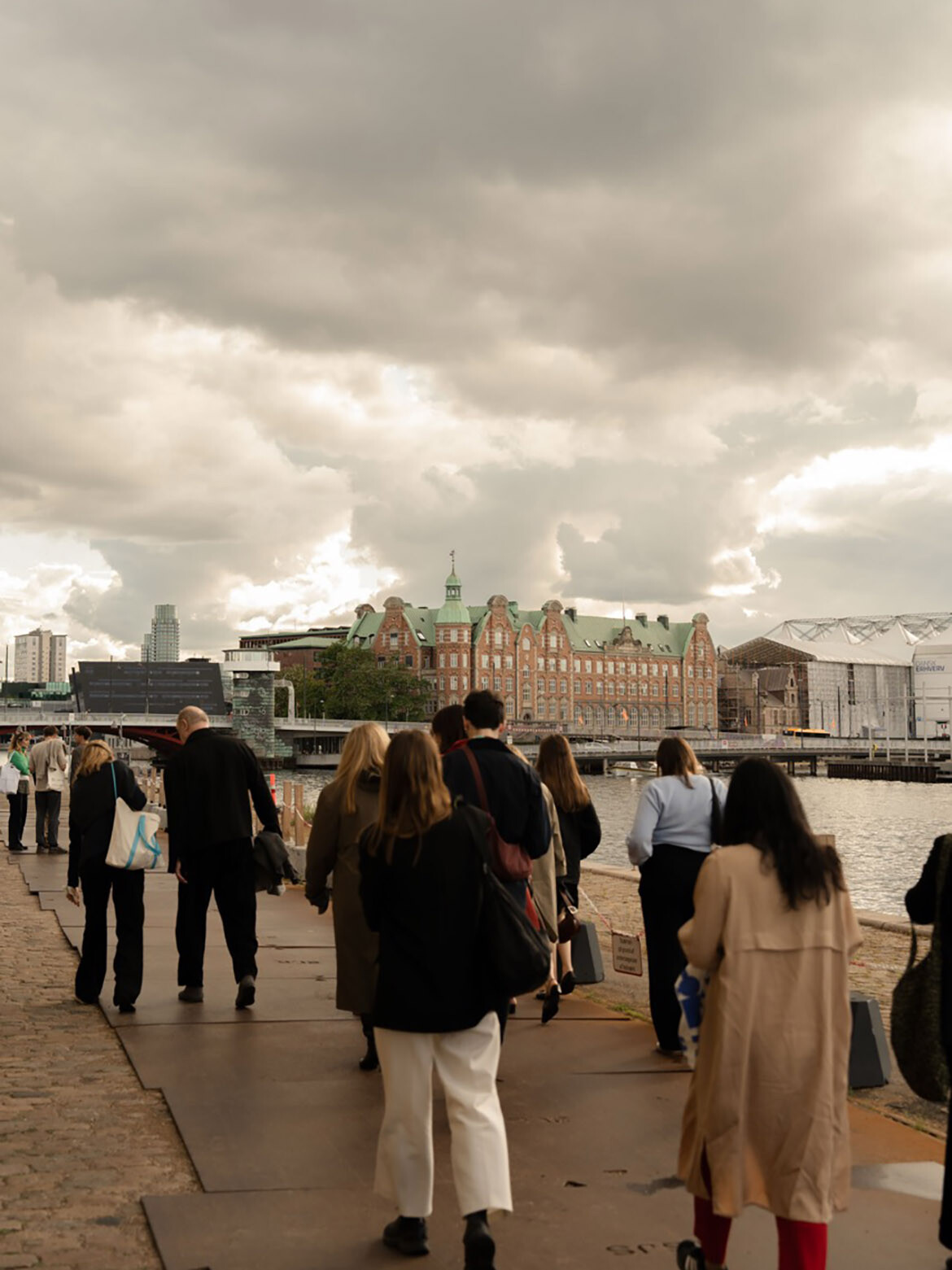
The same thought returned at Waterford Crystal, a brand woven into the memories of my Irish childhood. It appeared again at Vola, whose reluctance to release new products until they are thoroughly resolved feels almost radical in an age of constant innovation.
Different disciplines, different scales; the same underlying value. A belief that design should endure, and we should build what to last. And perhaps this is what struck me most about this visit to Copenhagen.
For all the attention given to Scandinavian design as a style, what exists here feels less aesthetic than cultural. The furniture, the lighting and the architecture are not born of a stlye. They are the product of a deep cultural ecosystem that allows such things to emerge.
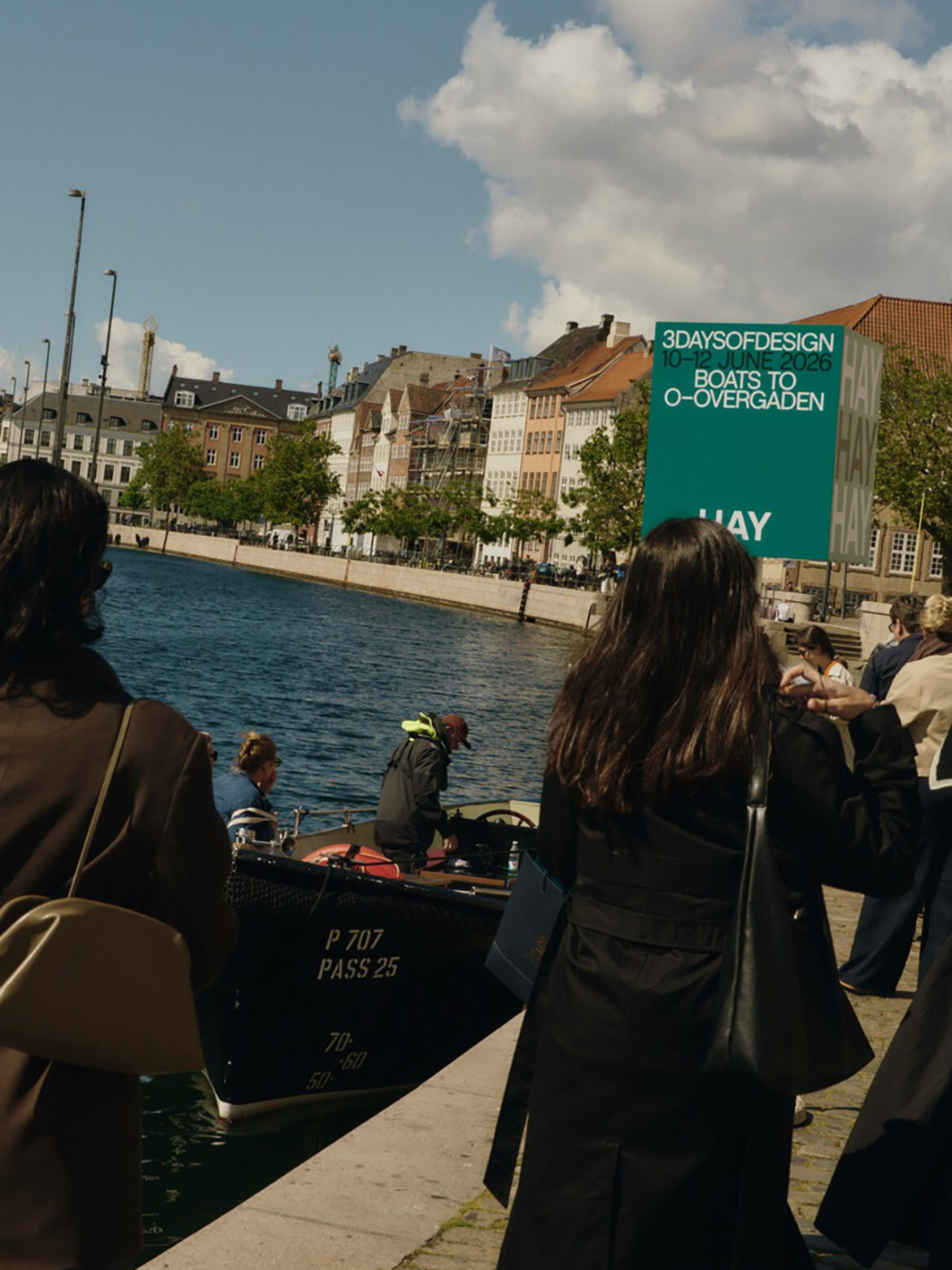
Design here appears woven into everyday life.
It exists in the bicycle infrastructure that encourages movement through the city. In the relationshipbetween the harbour and public life. In the bakeries and coffee shops. In the floating saunas scattered along the waterfront.
On our final day, after cycling through old industrial docklands — now water ways verged with wildflowers — we arrived at one such floating sauna. Membership only, we were told.
Moments later, a local invited us in as his guests.
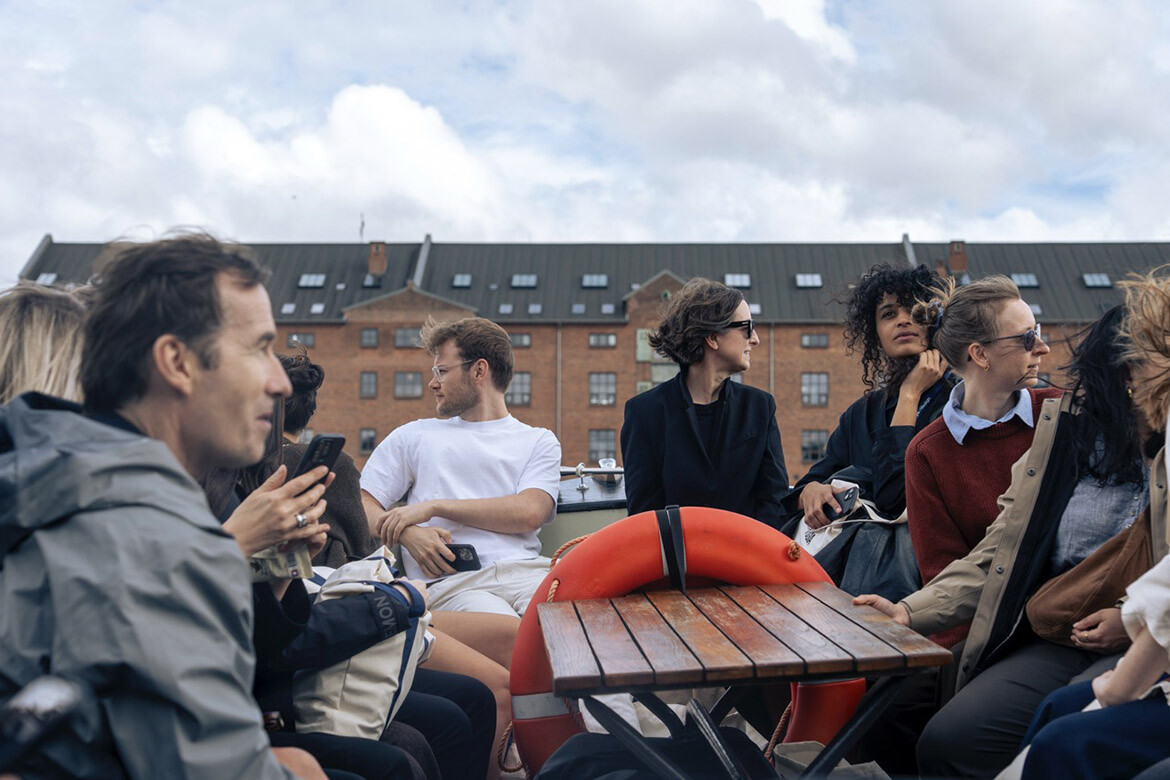
Looking out across the harbour through a giant picture window, we sat and shared conversation with strangers before plunging into the cold water below.
It felt entirely normal. And entirely Copenhagen.
Later that same afternoon we stumbled upon Noma Projects, hidden amongst gardens beside the water. Sitting on a timber bench with a coffee, looking through wildflowers towards the distant silhouette of CopenHill rising beyond, I found myself reflecting on the week.
Not on the launches, not on the products, not even on the exhibitions — but on the city itself.
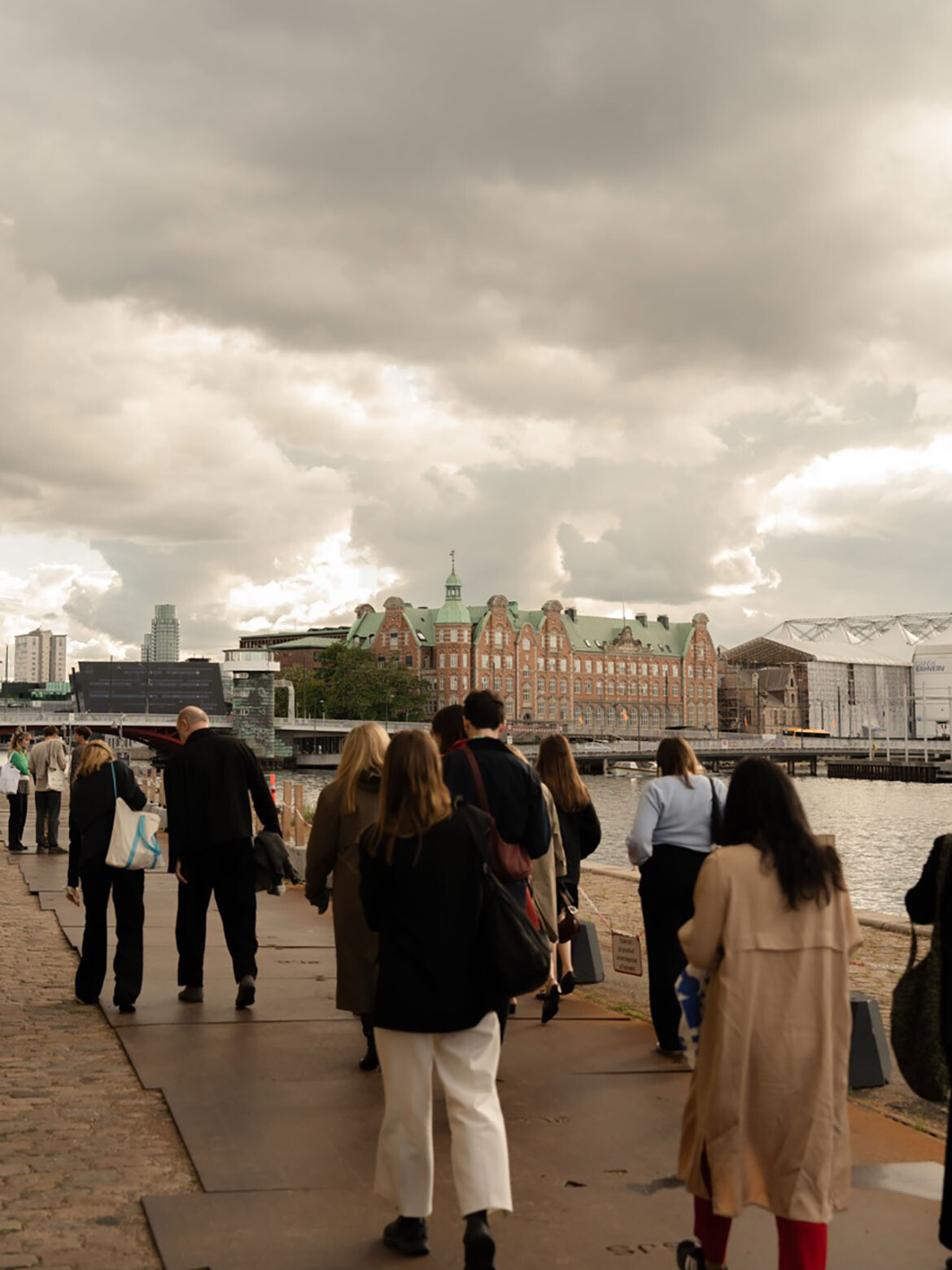
3daysofdesign is undoubtedly one of the world’s great design festivals. Yet I suspect its success owes as much to Copenhagen as it does to the event itself.
Because Copenhagen understands something that many design cultures forget. Good design is not simply about creating beautiful objects. It is about creating the conditions for life to unfold well around them: the conversations, the discoveries, the chance encounters, the moments that could never have been scheduled.
Like the best architecture, Copenhagen reveals itself gradually. The more time you give it, the more it offers in return.
And perhaps that is the real lesson of 3daysofdesign: leave room in the itinerary, because the best parts are often the ones you never planned.
3daysofdesign
3daysofdesign.dk
Jason Gibney Design Workshop
jgdw.com.au
Photography
Stefania Zanetti, Laura Alvarez, Matteo Bellomo