The home of architecture and design in the Asia-Pacific
Get the latest design news direct to your inbox!

Get the latest design news direct to your inbox!
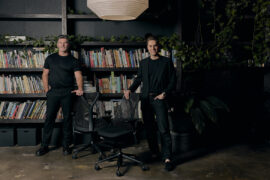
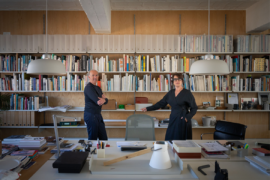
After two decades of creative partnership, Kim Colin and Sam Hecht of Industrial Facility step into a joint role as Herman Miller’s Global Creative Directors – a reminder that the brand’s ethos isn’t defined solely by their products, but also by the quiet thread of thought that shapes the space in-between, crafting a purposeful, human-centric and enduring trajectory.
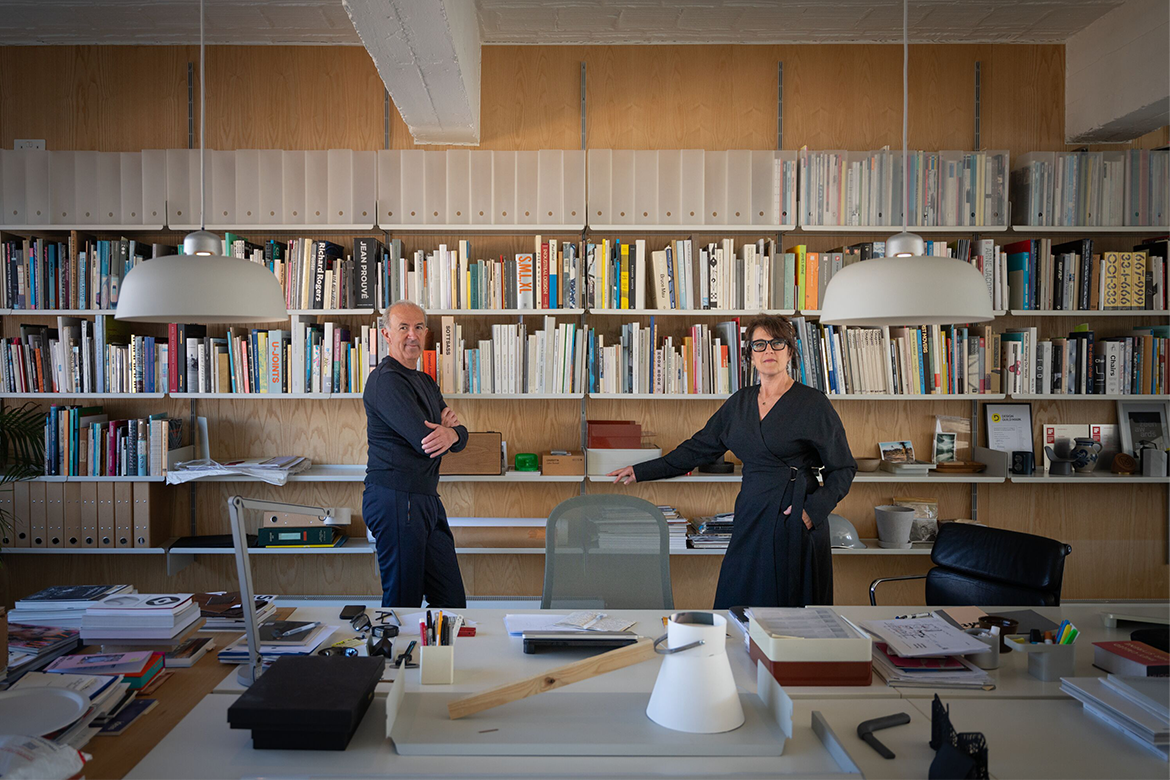
Kim Colin and Sam Hecht

July 30th, 2026
Kim Colin and Sam Hecht – an architecturally trained Angeleno with degrees from UCLA and SCI-Arc and a London-born industrial designer trained at Central Saint Martins and the Royal College of Art – seem like the obvious choice for Herman Miller’s momentous appointment.
As the founding principals of their Clerkenwell-based practice, they have created works for brands like Emeco, Mattiazzi, Muji and &Tradition, with some of their most consequential designs on permanent display at institutions like the Museum of Modern Art in New York, the Centre Pompidou in Paris and kLondon’s Design Museum. And if these spots in some of the world’s most revered cultural hubs weren’t enough, this accomplished creative team has also won five iF Design Gold Awards and has accumulated a collection of accolades from Red Dot, Design Museum and D&AD. Partners in all areas of life, they are also dedicated design educators and both Fellows of the Royal Society of Arts and Royal Designers – Kim was, in fact, the first female product designer to receive this honour in 2015.
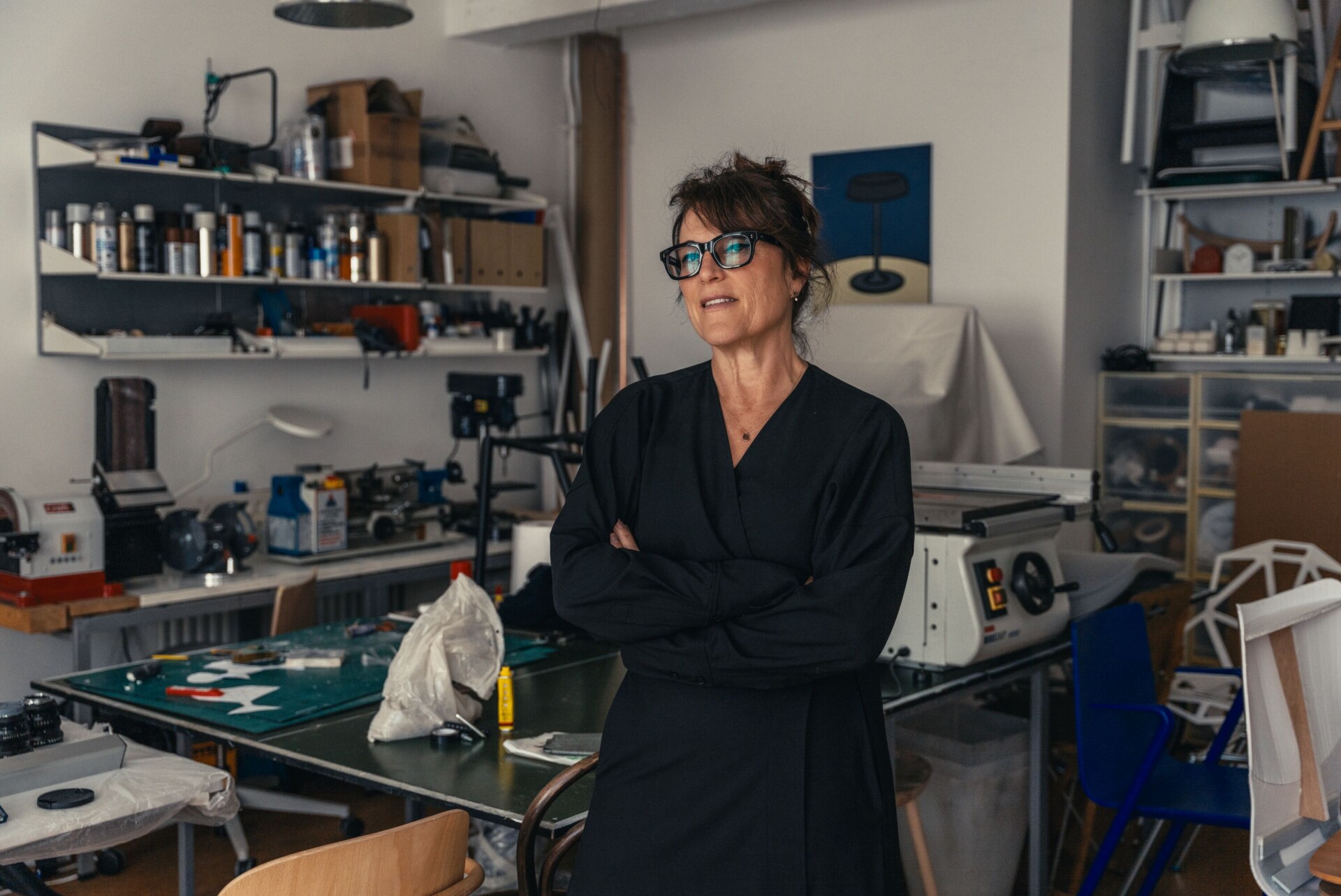
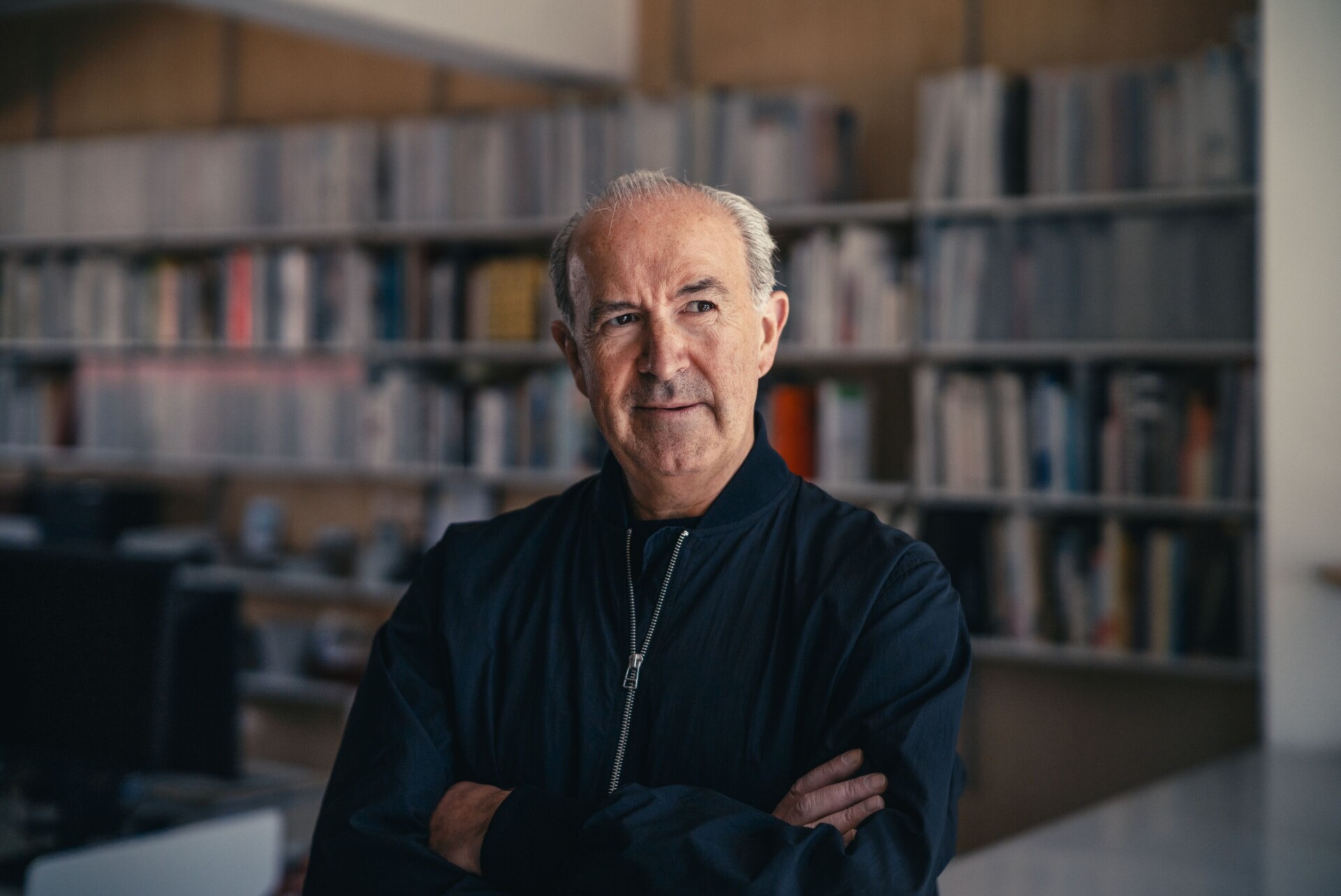
This multidimensional joint design pedigree in itself would certainly be reason enough for Herman Miller’s creative leadership choice. But what makes this appointment all that much more compelling is the designers’ long-standing collaboration with the global design powerhouse. This new chapter is, in many ways, also a continuation. Or rather, an inevitable evolution. “Kim and Sam have been extraordinary partners to Herman Miller for over twenty years,” says Ben Watson, Chief Creative Officer at MillerKnoll, enthusing about expanding this formative relationship even further. “They are transformational in their thinking, and passionate about creating solutions that are culturally resonant, commercially relevant, and long-lasting.”
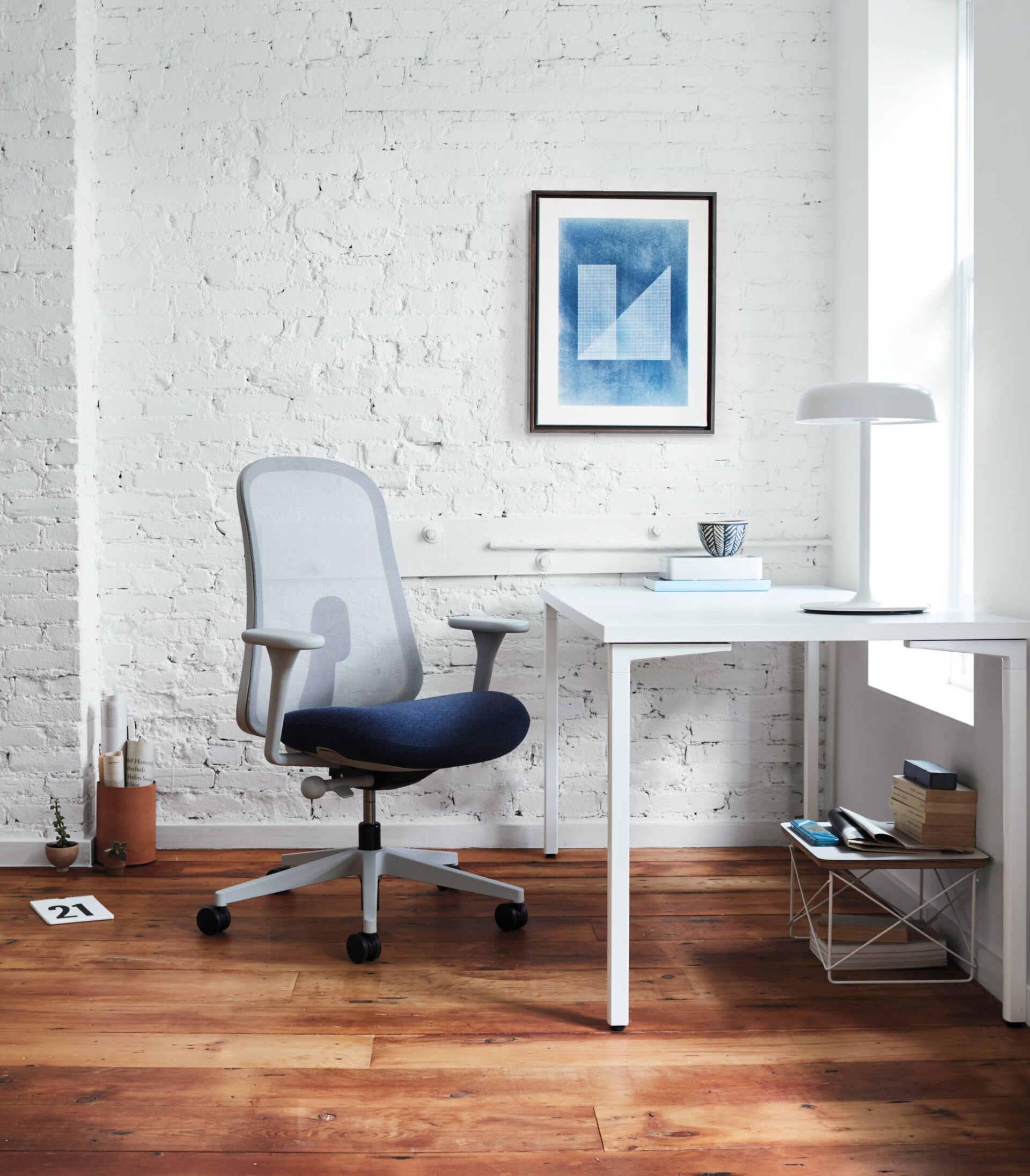
Since the duo began working with Herman Miller in 2006, their unique combined sensibility has shaped some of its most consequential products and systems. Their Lino Task Seating – a recipient of an iF Design Award in the Product Design category in 2019 – embraced the nexus of comfort and value, leveraging the freedom of constraint to democratise Herman Miller’s ergonomic performance. The tension of the Wireframe Sofa Group – skinny sturdiness of the frame holding the generosity of cloud-like upholstery – offered a peek into Industrial Facility’s affinity for contrast, not only in its balance of comfort and architectural sophistication but also in the dialogue between the object’s contemporary expression and enduring, universal relevance.
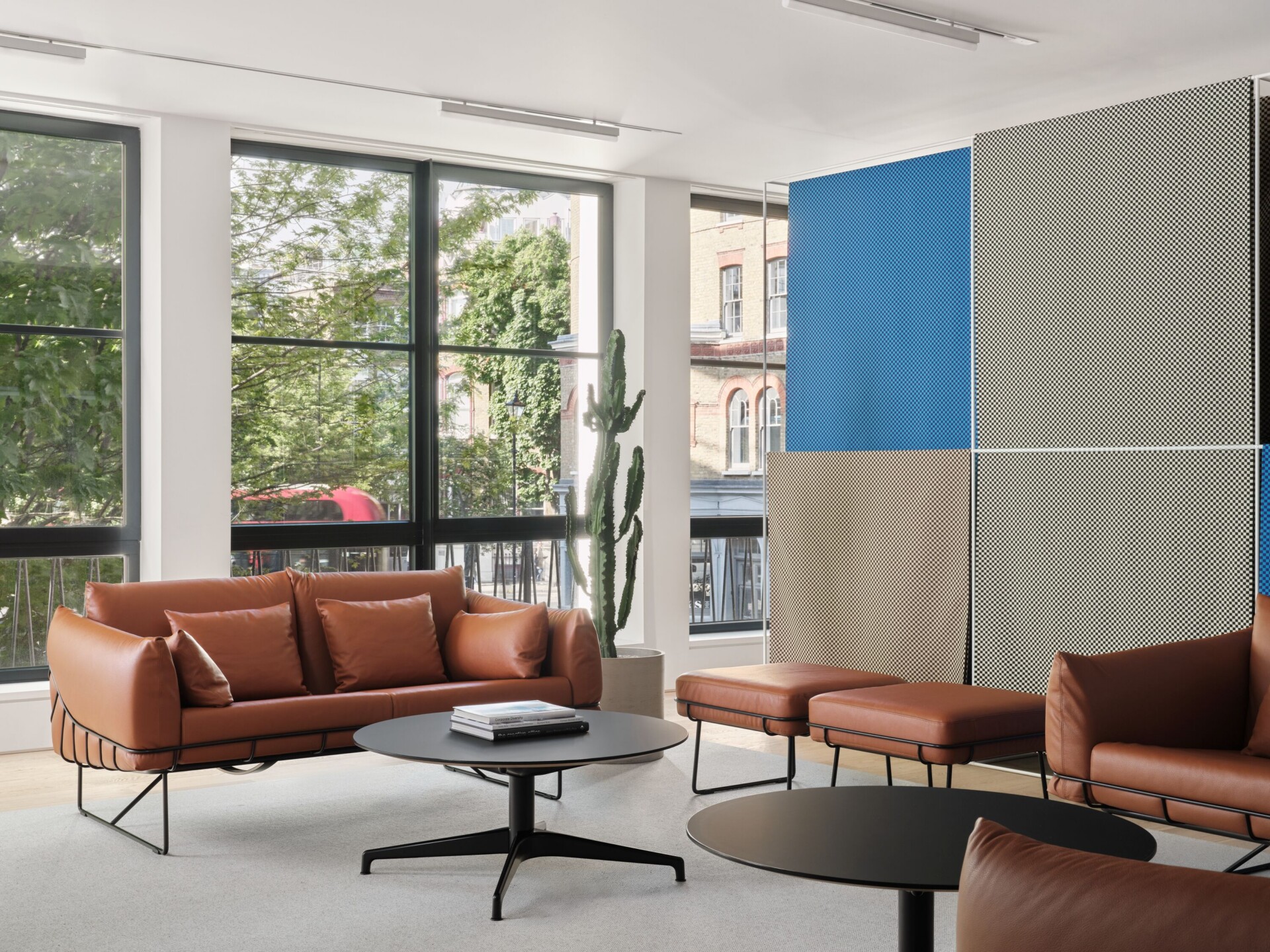
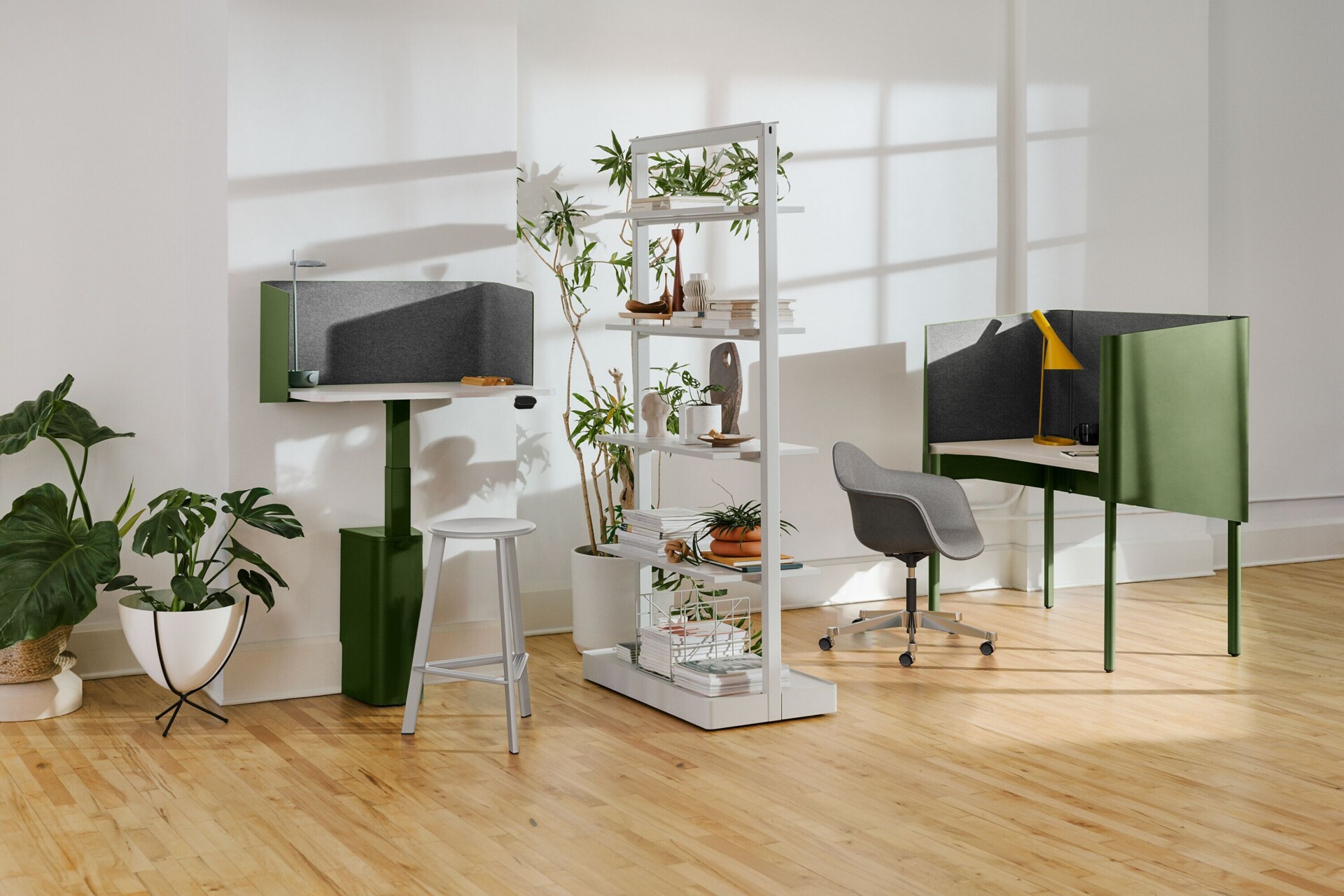
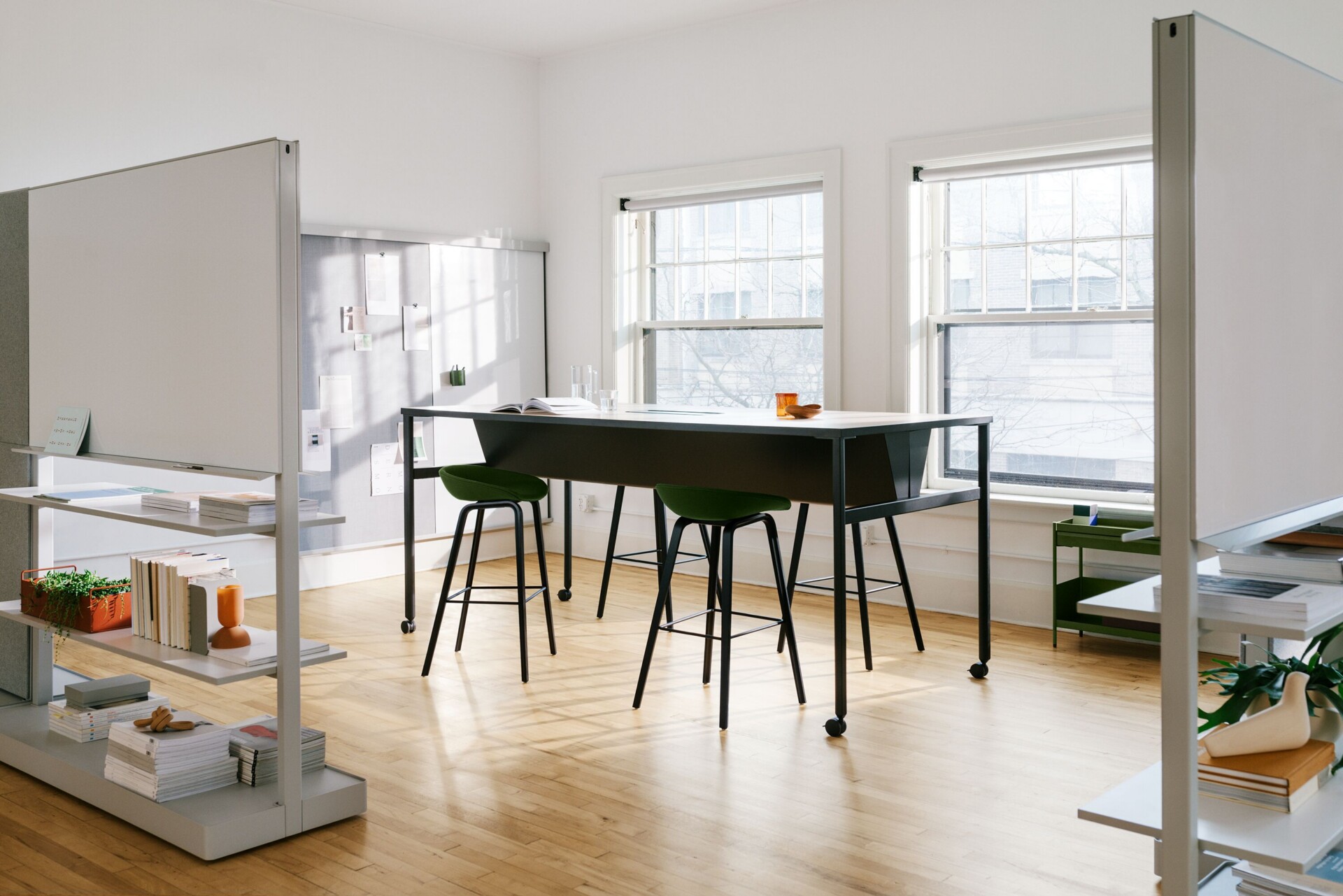
Further releases – like the modular Plex Lounge Furniture or the dynamic OE1 family – brought intuitive flexibility to the evolving context of commercial spaces, highlighting Kim and Sam’s underlying commitment to restraint, circumstantial purpose and longevity. Both families find the freedom to move and adapt in simple, highly considered designs that seamlessly cater to the dynamic realities of the modern workplace. They’re a perfect embodiment of the belief that simplicity is, in fact, better. “Why would anyone aspire to complexity?” Kim smiles, adding that this desire for simplicity of use is never to the detriment of good functionality. Good design, after all, might just be a problem-solving vehicle above all else.
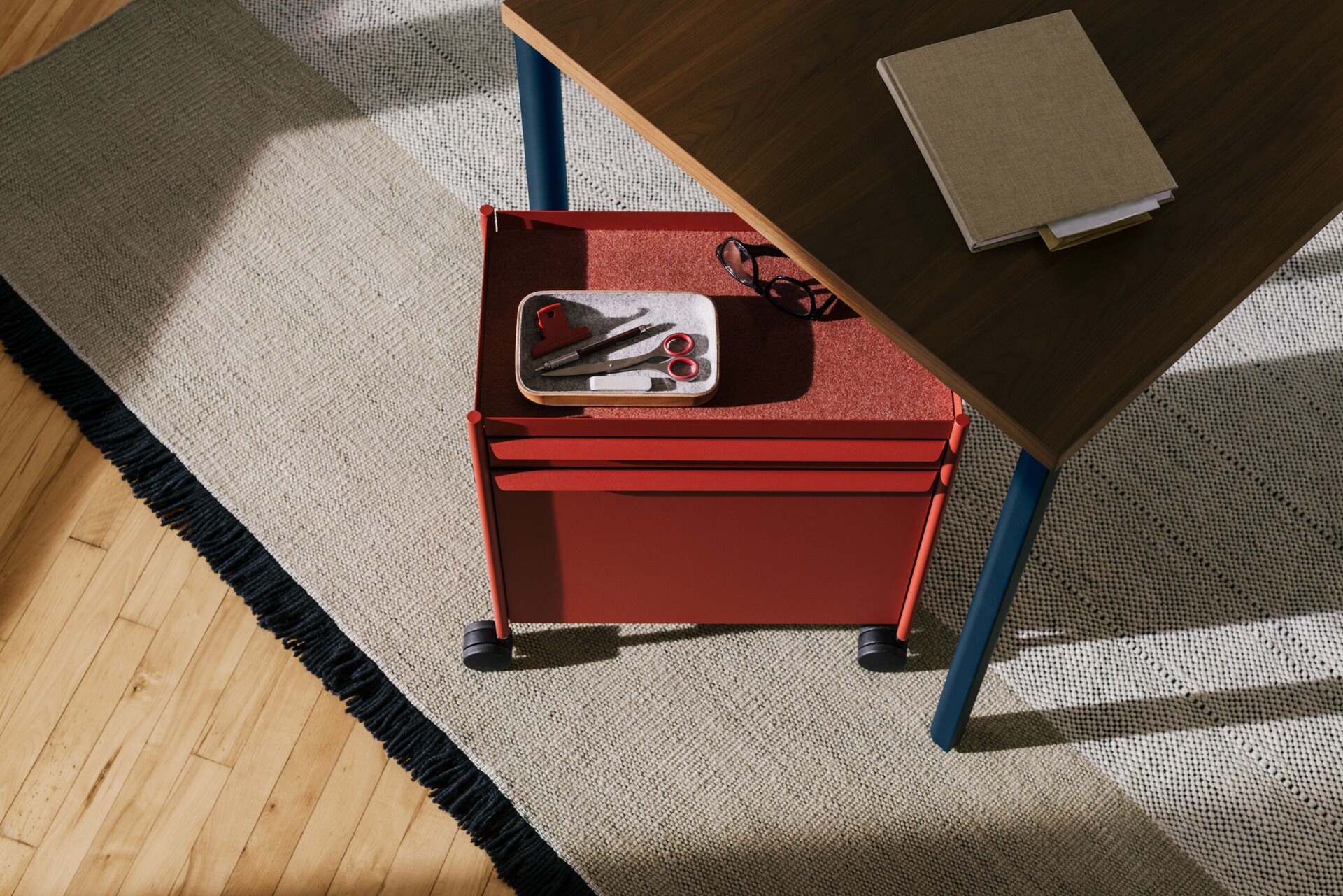
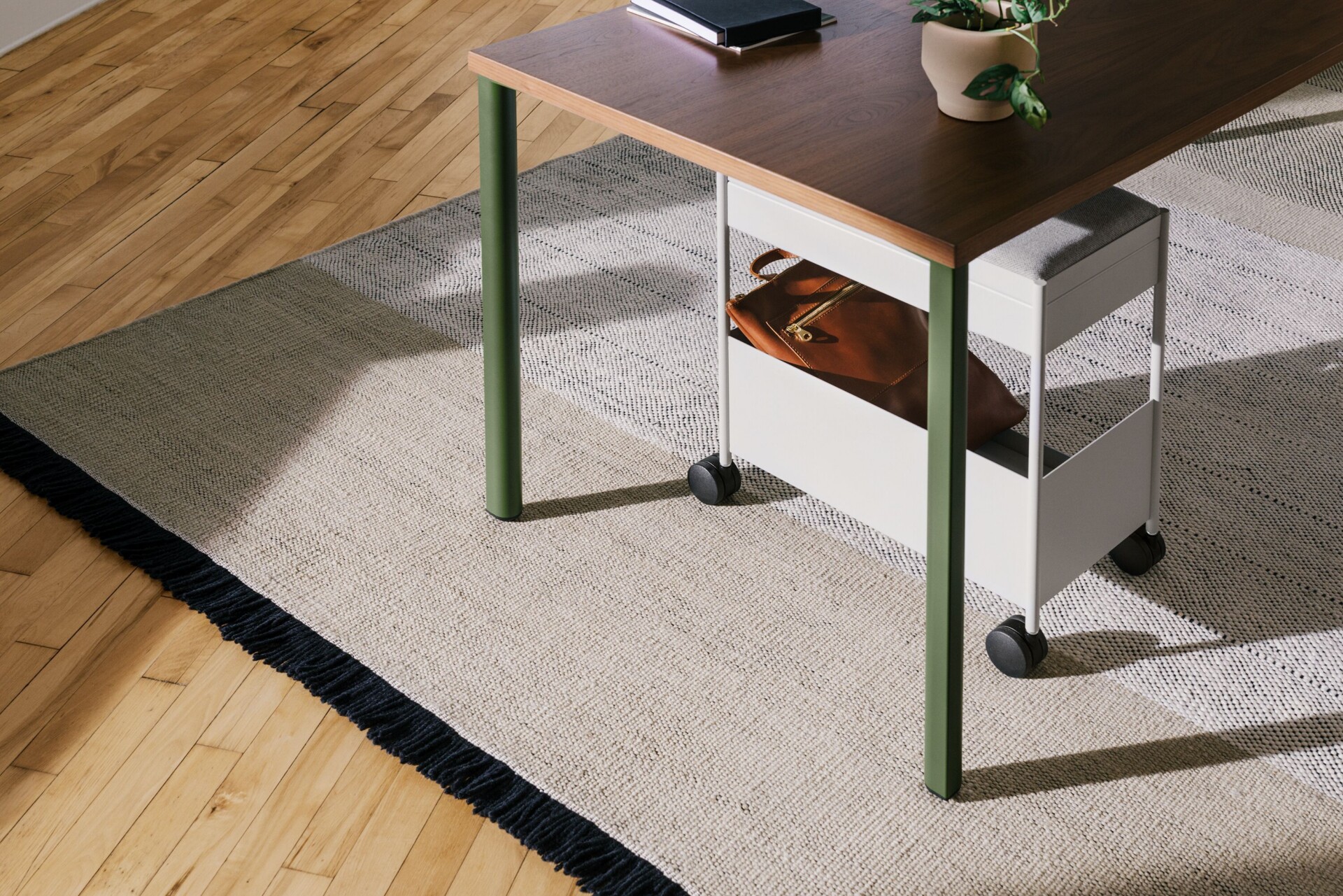
This ethos is beautifully expressed in the inconspicuous forms of the Civic Tables and – on a more condensed scale – the delightful Formwork collection. This stackable storage system brings the adaptability of the OE1 family to an often-overlooked desk context, elevating the role of inconspicuous staples – like a pencil holder or a tissue box – through simple design gestures. This versatile collection expresses Kim and Sam’s ongoing appreciation of everyday objects – delightfully reflected in their book, “Usefulness in Small Things” – and demonstrates the ultimate potential of design as a daily companion, rather than a singular striking event.
All these pieces are defined by the layered duality of Kim and Sam’s personal and creative partnership – which, in its multidisciplinary collective talent, echoes the Eames, another design duo pivotal to the formation of Herman Miller’s design legacy.
Sam – who was fired from his first job making instruction manuals for flat-pack furniture for wandering onto the factory floor one too many times – is more likely, as Kim notes in her 2023 “Tables! Tables! Tables!” essay for the Eames Institute, to be more preoccupied with materiality and method of manufacture. Kim, on the other hand, gravitates towards a design’s relationship to culture, behaviour and place, and the meaning it either suggests or acquires in our lives. This layered practice, steeped in constant push and pull of conversation, yields a multitude of perspectives anchored by one of their core tenets: equilibrium. “A balancing act,” Kim notes in that same essay, “that imbues our work with ‘just enough’ design.”
This notion is tied to the idea that the way we live and the design of our environments influence one another – an all-encompassing dynamic that demands self-imposed restraint and design that is sensible and purposeful, yet unexpected – and as contextual as it is lasting. “If the Eameses taught us anything,” Kim continues on, “it is that the more multidimensional a design is, the greater chance it has to be absorbed into everyday life.”
The result is design perceived not as grand gestures but as a purposeful celebration of the mundane; furniture pieces that – rather than independent objects – are active participants in our daily lives, dynamically embedded in their constant evolution. “The true nature of what serves us on a daily basis is far more varied than we might have imagined,” the duo notes.
This belief that good design is layered, inextricable from life itself and able to endure in the face of change is most certainly reflective of the design house’s broader ethos. “Herman Miller continues to create new perspectives, because they believe, like we do, that design is very much alive,” Sam explains, while Kim adds that the duo takes the responsibility of leading the company’s global creative direction to heart. “We’re taking a long view,” she says, “and are thrilled to continue a Herman Miller tradition of enriching lives and contributing to culture over time.”
While the appointment is global, its resonance across the Asia-Pacific region is immediate. And for the local design community – James Barnby, Senior Marketing Manager, APAC & MEA, MillerKnoll, points out – it simply reinforces what they’ve known for a long time: Herman Miller is a design leader, rather than just a furniture manufacturer.
“It represents a way of thinking about design that balances performance, longevity, craft and cultural relevance,” he adds. “Kim and Sam have already helped shape some of Herman Miller’s most thoughtful contemporary designs, so their appointment as Global Creative Directors feels like a natural continuation of that legacy. It signals a meaningful next chapter for the brand, while staying true to the design principles that have made Herman Miller so influential across workplace and commercial interiors.”
And so, this consequential appointment embraces the idea of equilibrium much like Kim and Sam’s practice itself. It’s just as much about celebrating the continuum of Herman Miller’s design heritage as it is about a new beginning – a lasting act of design balance inseparable from the mundane reality of daily life.
INDESIGN is on instagram
Follow @indesignlive
A searchable and comprehensive guide for specifying leading products and their suppliers
Keep up to date with the latest and greatest from our industry BFF's!
The internet never sleeps! Here's the stuff you might have missed