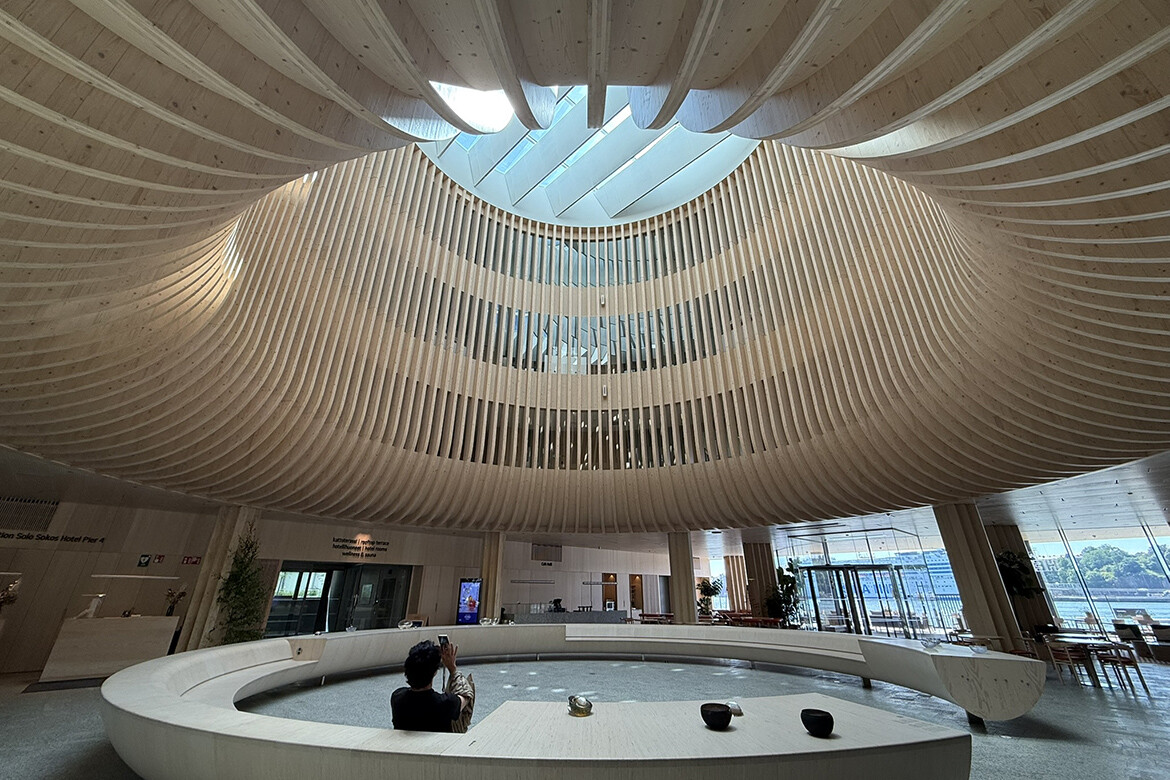
I recently returned from a whirlwind European trip that took in 3daysofdesign in Copenhagen, a few days in Stockholm, and finally for me a pilgrimage through Finland to experience the work of Aino and Alvar Aalto.
Let’s start in Copenhagen.
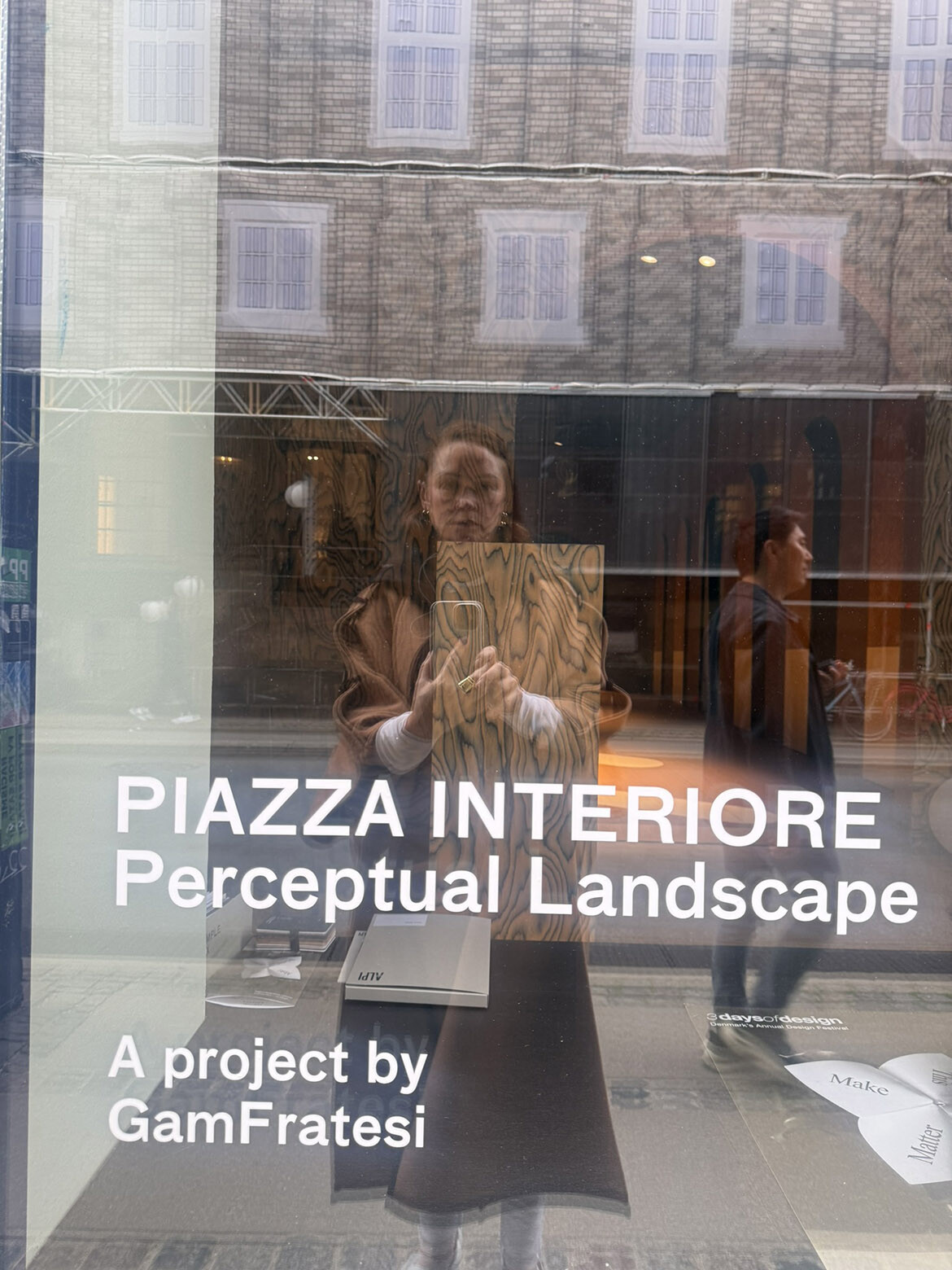
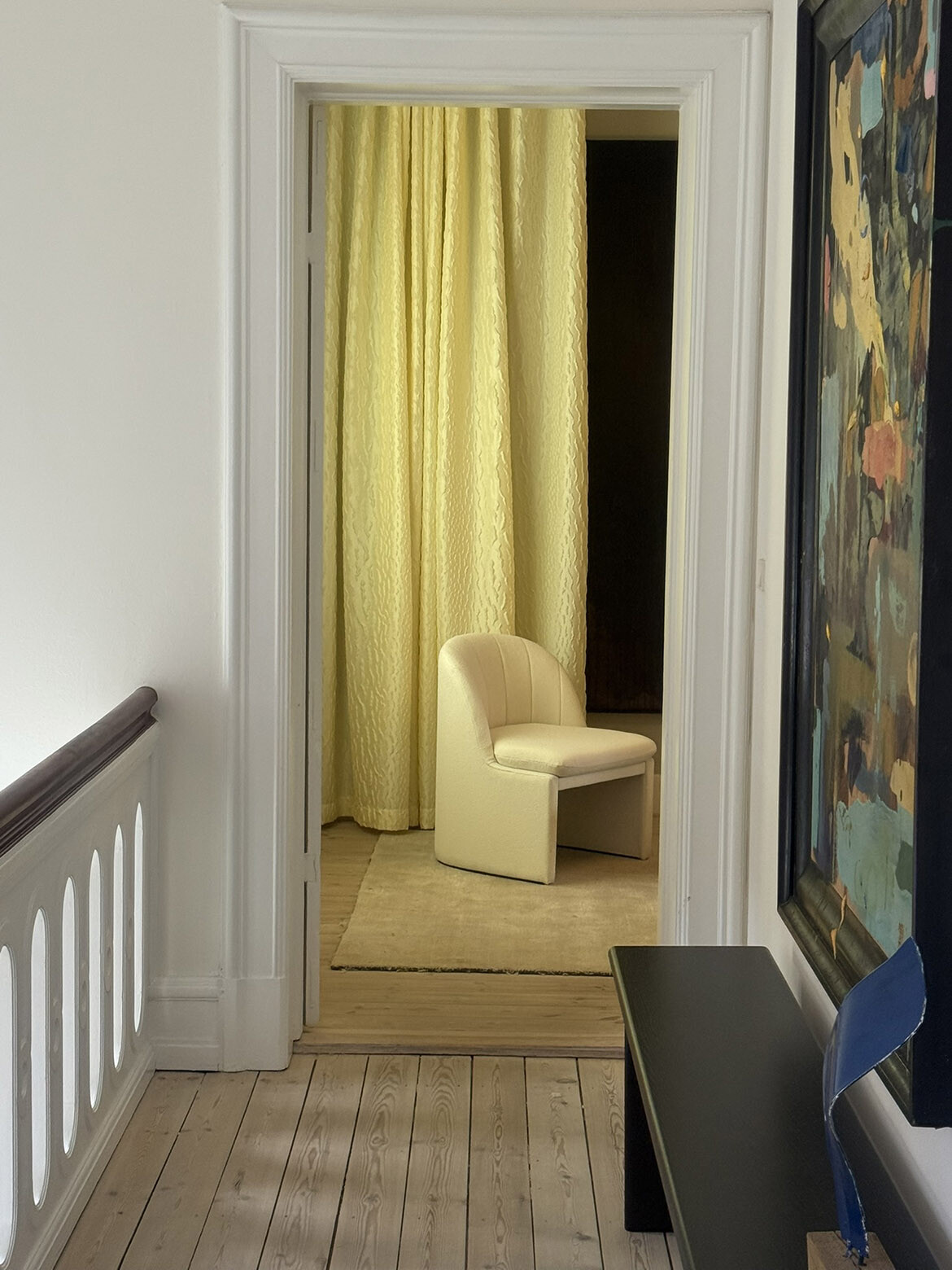
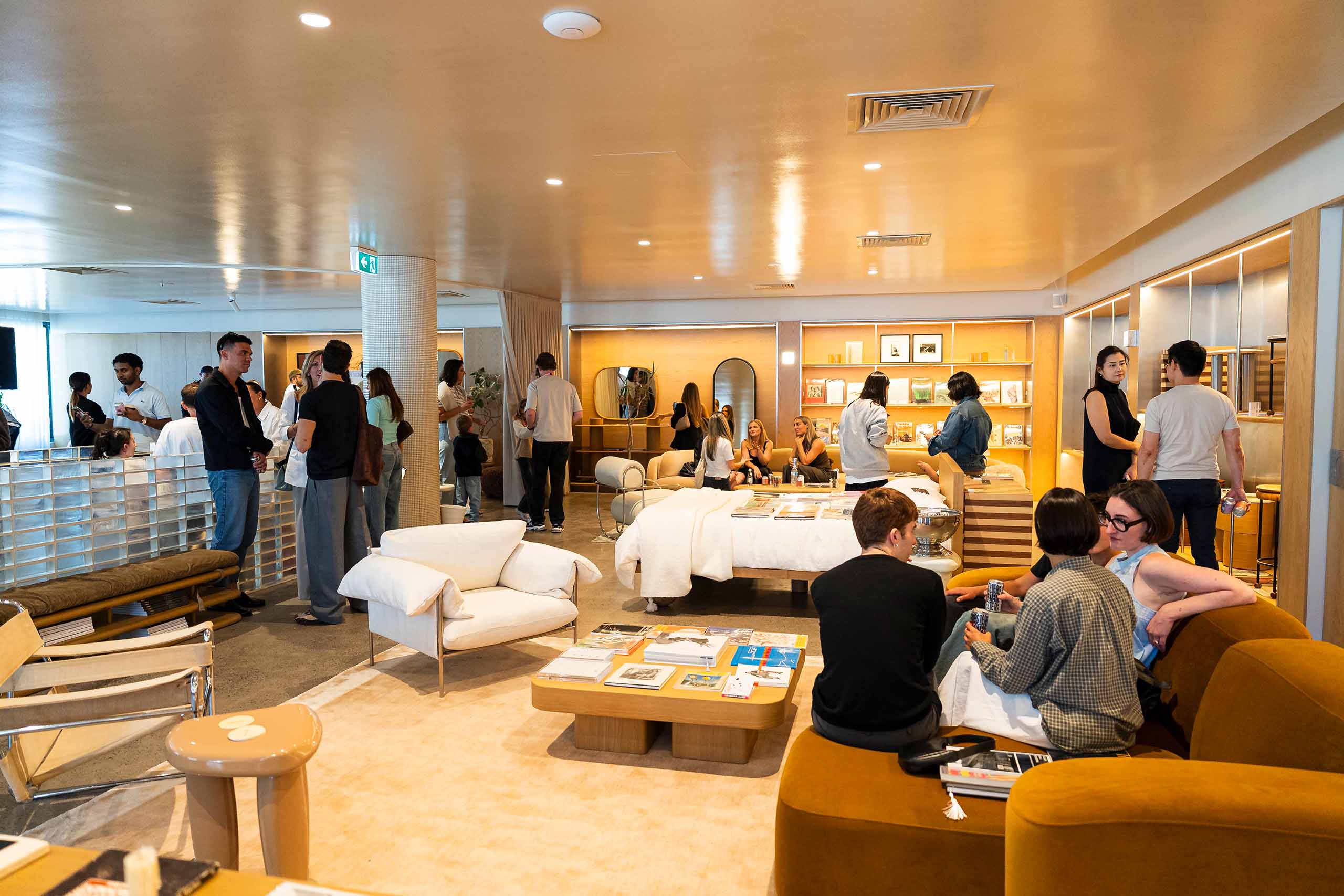
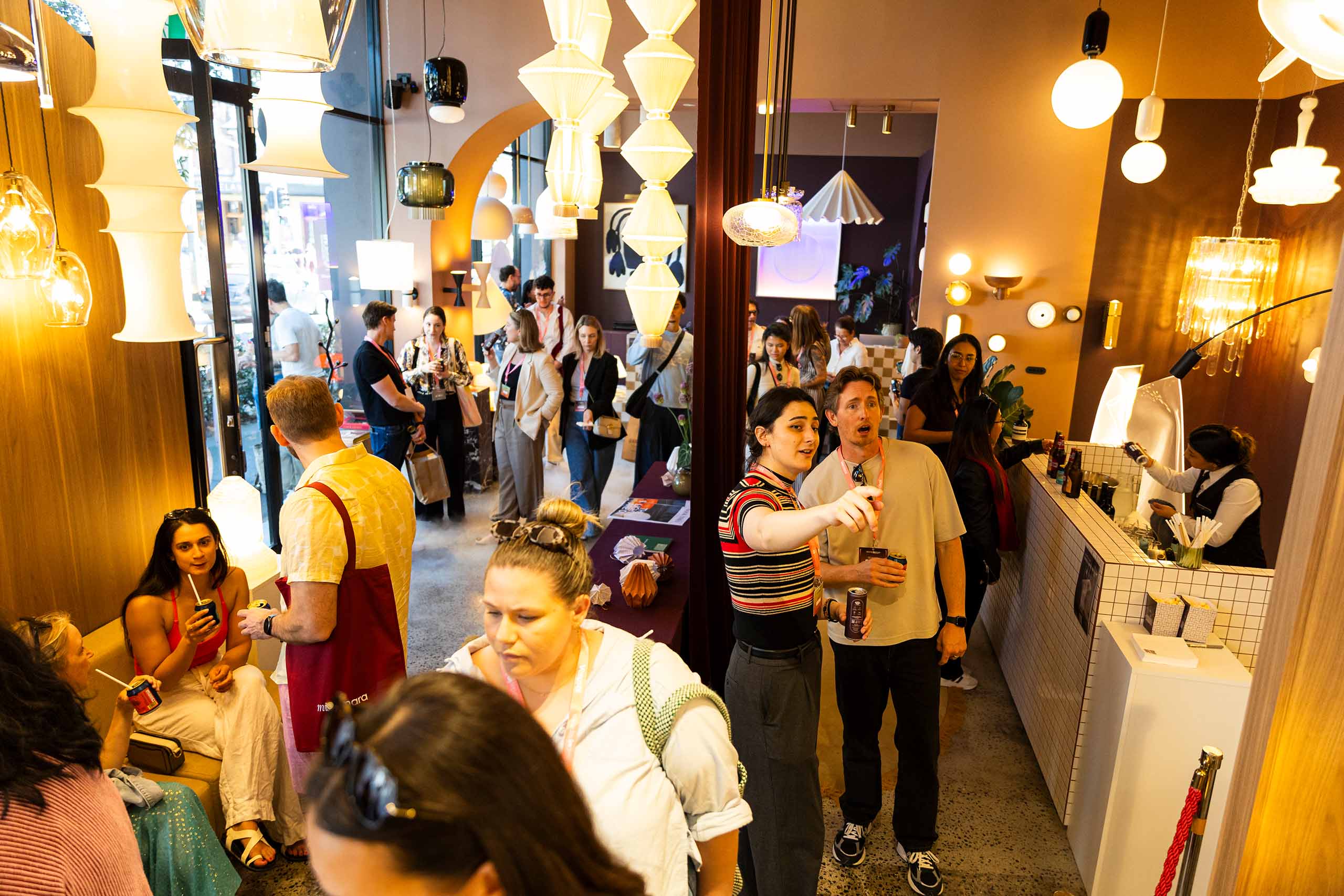
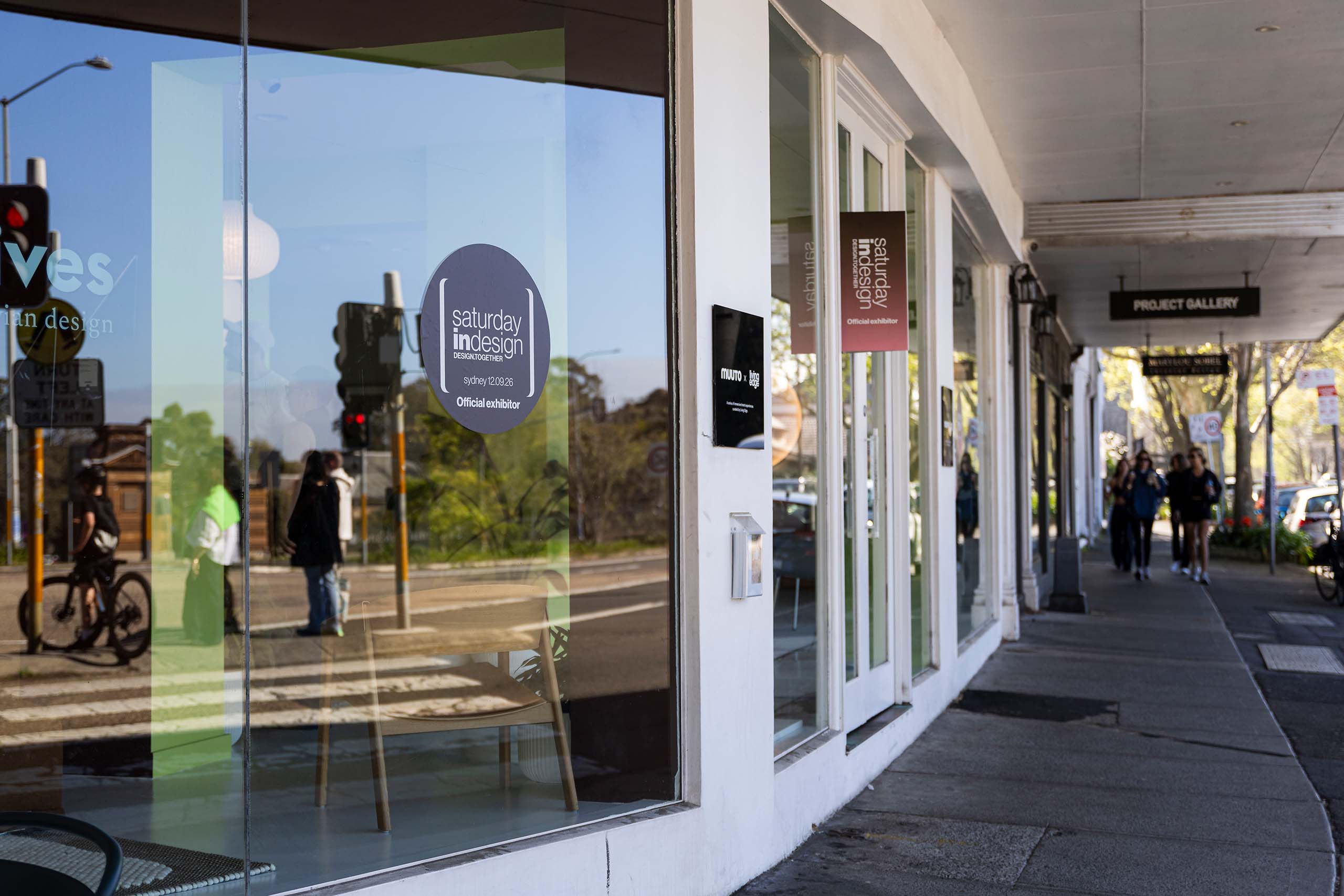
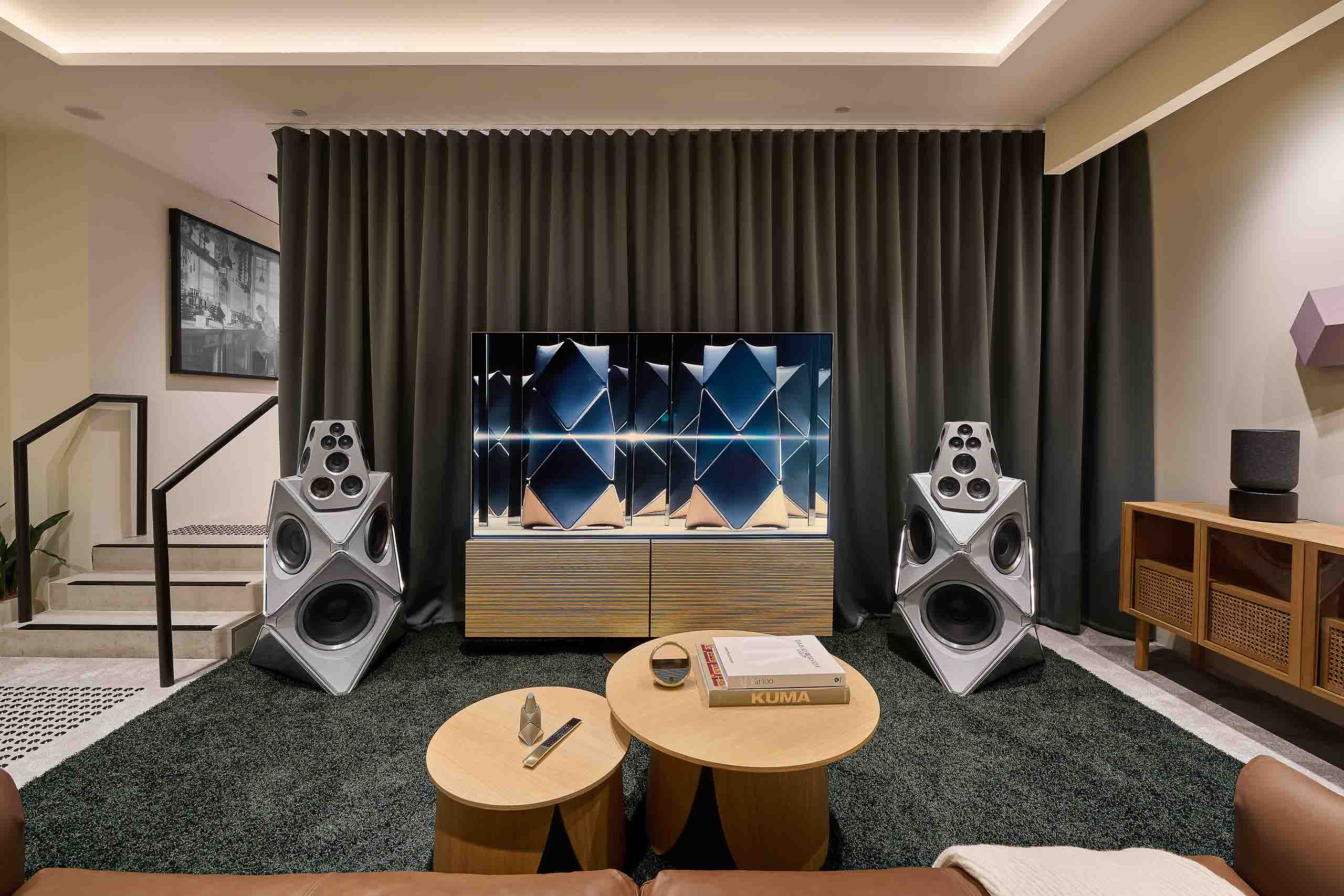
3daysofdesign is a social, energetic and surprisingly expansive festival that now attracts designers, makers and brands from around the world. The major Danish names are all there, from HAY, Muuto and &Tradition to GUBI and Kvadrat, while an increasing number of international exhibitors bring a broader perspective to the event. Design royalty seemed to be everywhere. Queen maximalist Kelly Wearstler was striding around town in fabulous boots, while we somehow managed to crash the launch of Ronan Bouroullec’s new Carrousel ceramic collection.
Australia was well represented too. Design By Them showcased work, while Latitude: 55°N Meets 12°S, curated by Claire Delmar, presented a thoughtful collection of Australian designers and makers.
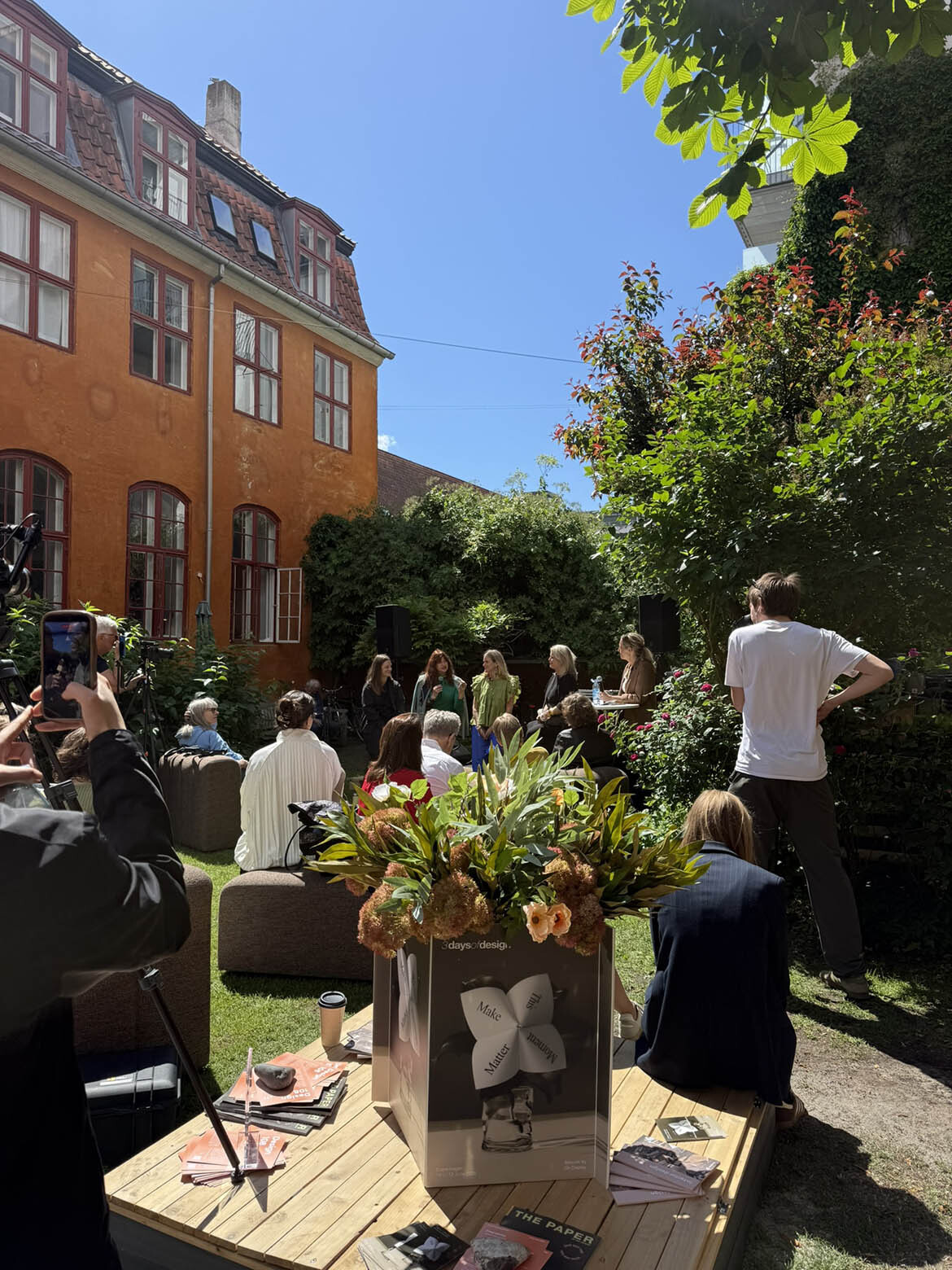
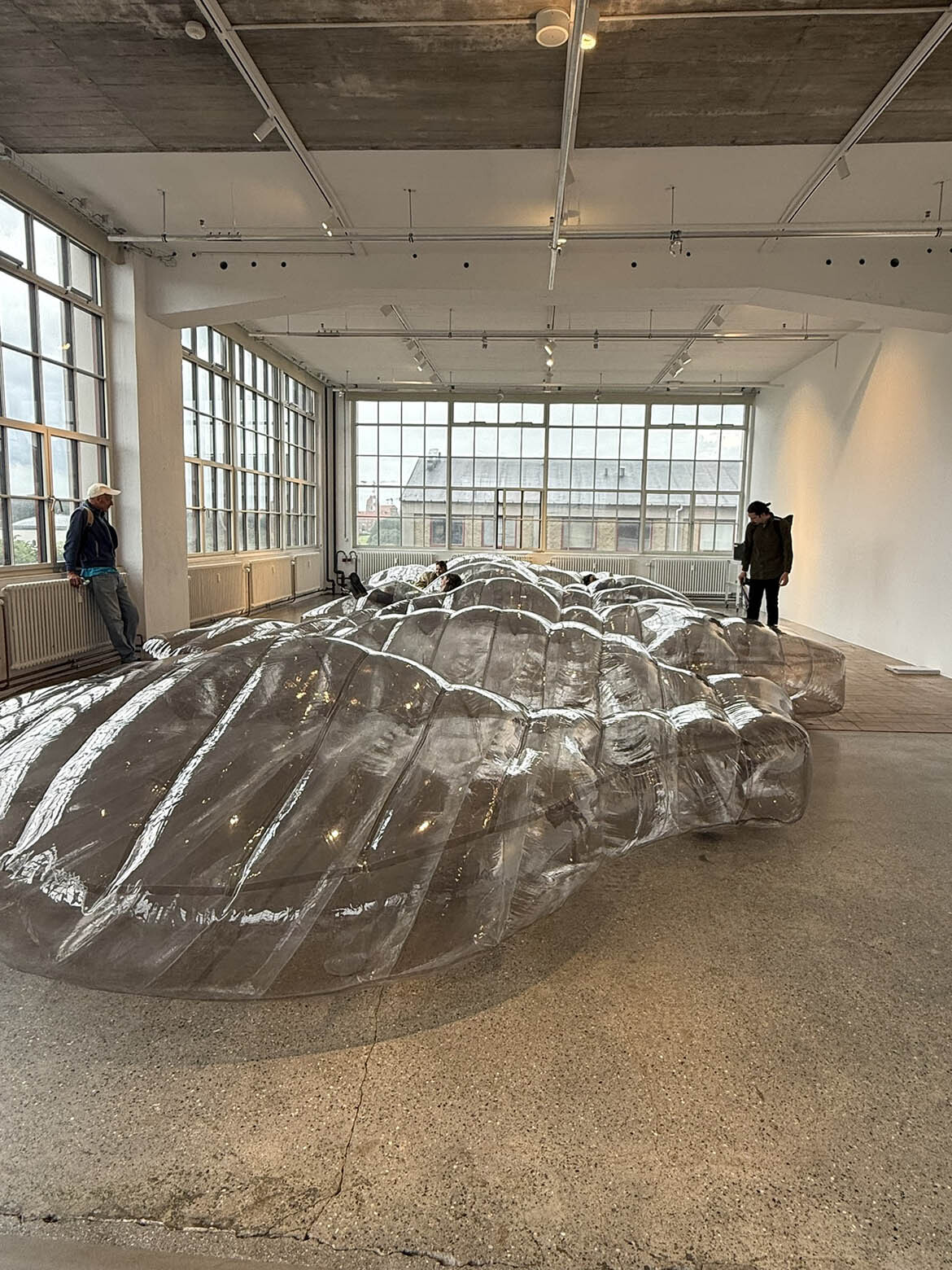
The festival spans eight design districts across the city, although Frederiksstaden, Christianshavn and Nordhavn were the standouts for me. Armed with the festival app, and with generous guidance by Lou and Sam from In Good Company, I optimistically planned a highly efficient route over three days. Reality, of course, involved criss-crossing the city multiple times each day, rescued only by Copenhagen’s excellent metro system.
The highlights ranged from established brands exhibiting in beautifully restored heritage buildings such as the &Tradition exhibit, through to smaller exhibitions showcasing emerging talent. Away from the main festival districts, I enjoyed visiting Other Circle, an independent exhibition that brought together emerging designers and makers in a vast industrial building.
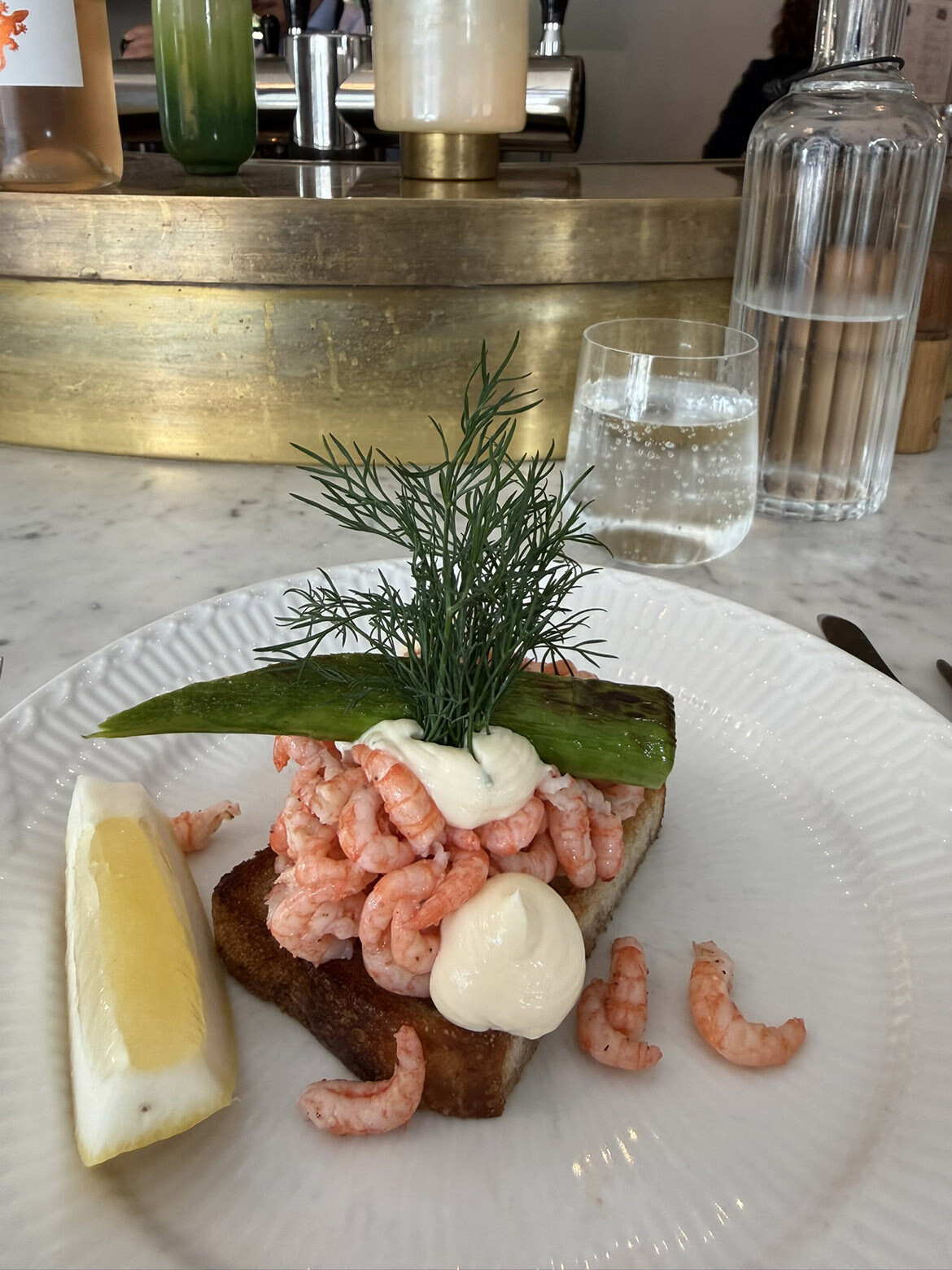
As always, the festival wasn’t only about design. Being of Latvian heritage, I enjoy any opportunity for a Baltic-adjacent culinary immersion. In Denmark that means smørrebrød, the humble open sandwich that somehow manages to be both simple and endlessly inventive. It is one of life’s great lunches.
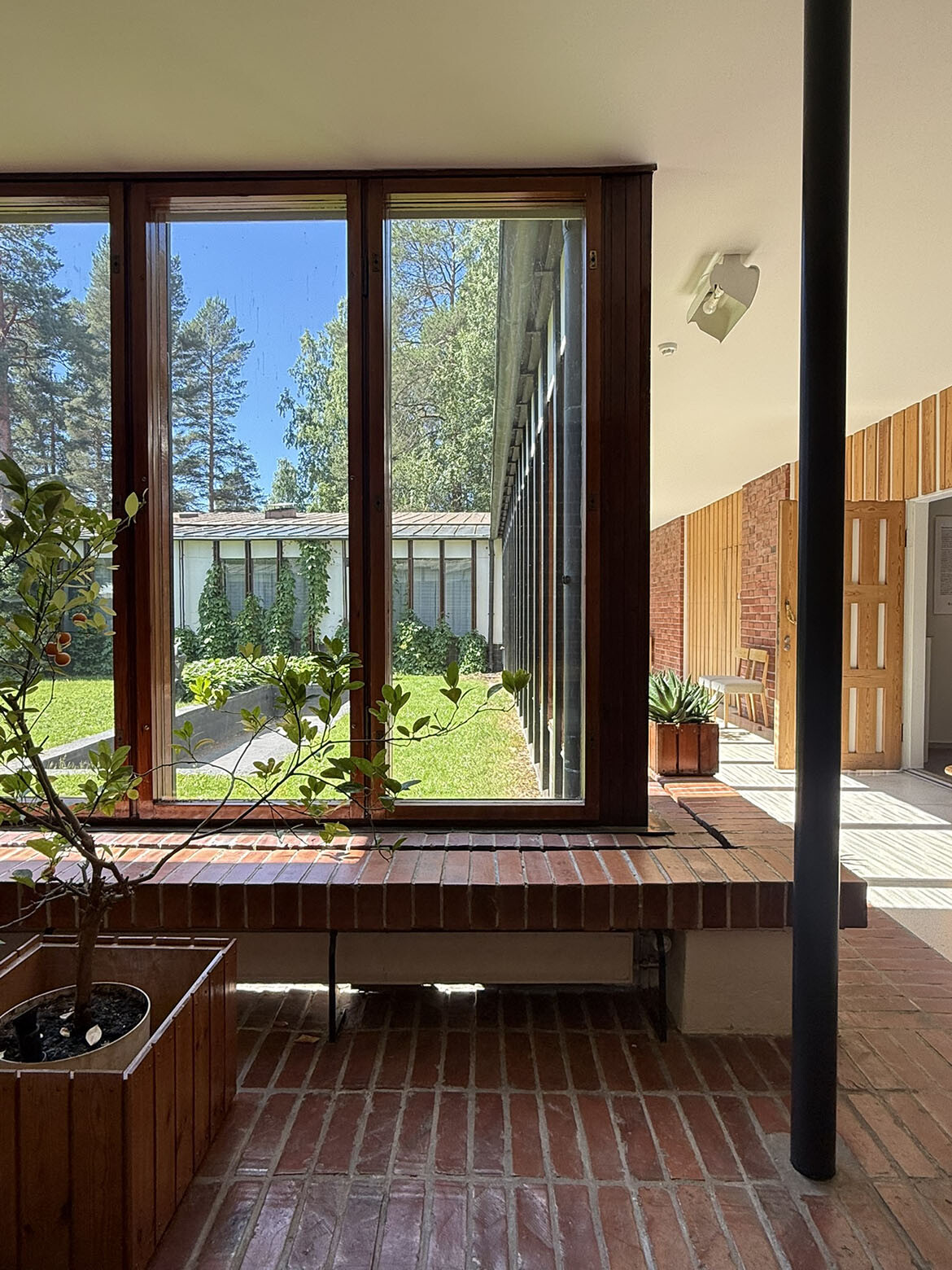
Beyond Copenhagen, the trip gave me the chance to finally tick off something that had been on my list for years. Before studying architecture, I completed an arts degree majoring in architectural history and had long wanted to experience the work of Aino and Alvar Aalto firsthand. To do so I hired a car and spent several days travelling through Finland’s pine and birch forests, visiting a selection of their most celebrated projects, including Villa Mairea, the Aalto House and Studio, Paimio Sanatorium, Säynätsalo Town Hall, the House of Culture and Stephanuskirche. The journey reinforced a timeless lesson of travel: you can never do everything, so enjoy what you choose to do.
One of the first things I was reminded of was how architectural history has often celebrated singular genius while overlooking the partnerships behind the work. As our profession increasingly recognises the contributions of figures such as Marion Mahony Griffin and Ray Eames, it is impossible to ignore the role that Aino Aalto played in shaping the work commonly attributed to Alvar alone. Together they formed an extraordinary creative partnership and were later joined by Alvar’s second wife, Elissa Aalto, who also played an important role in the practice and its legacy.
Related: 3daysofdesign roundtable podcast
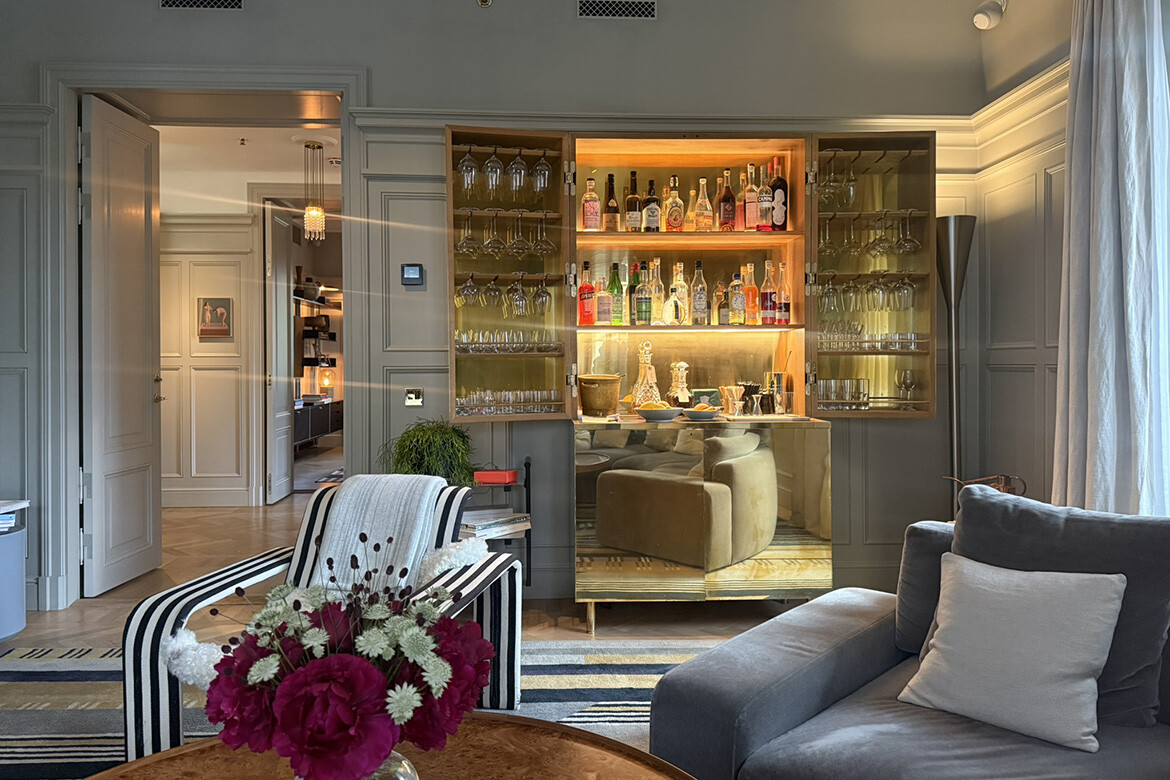
I could write pages about the buildings themselves, but the strongest takeaway was something much simpler: What we do as designers is create places for people.
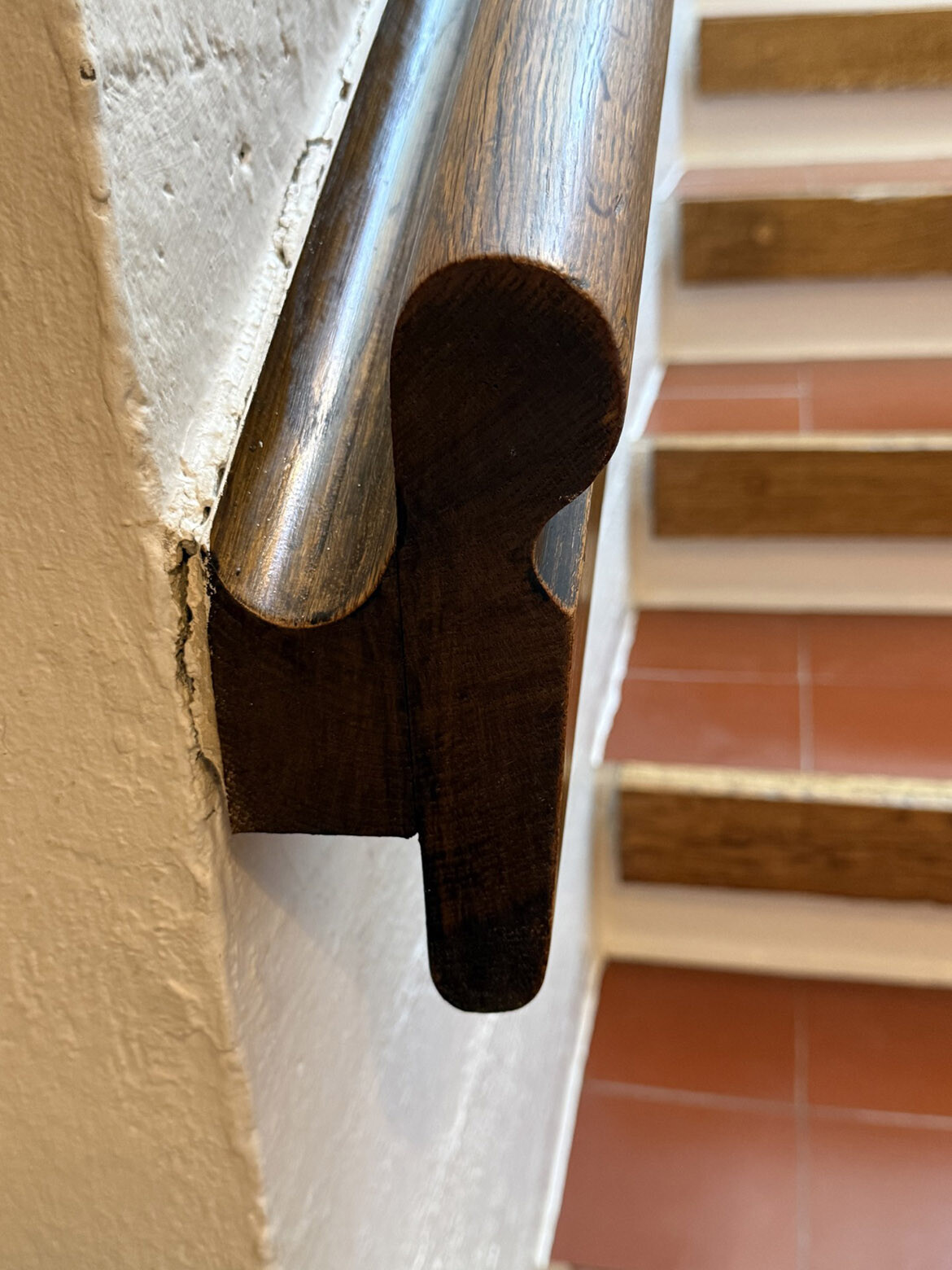
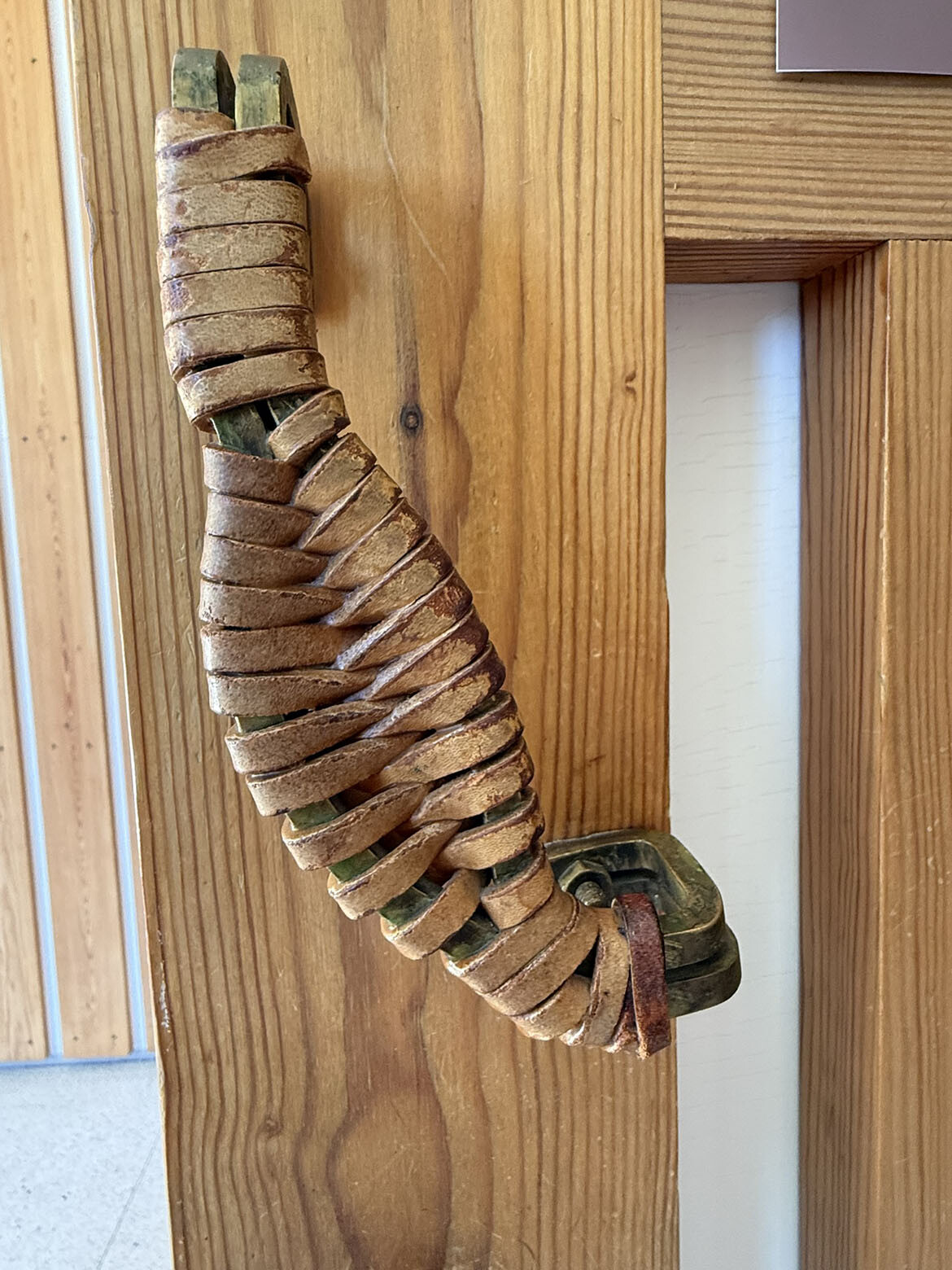
The work of Aino and Alvar Aalto is deeply rooted in an understanding of human experience. Their architecture demonstrates a curiosity about how people see, feel, move and gather, and how design can support wellbeing through everyday moments. The buildings are rarely heroic. Instead, they are intimate, experimental, inventive and deeply considered. Materials, light, nature and technology are all carefully orchestrated, not for spectacle but to improve the experience of the people using them. The Aaltos were constantly testing the boundaries of materials and construction while creating wonderful places for people to inhabit.
I am completed aligned with the Aaltos’ extreme dislike of direct overhead lighting. How did downlights ever become the plague that they are? Their understanding of how we feel in spaces led to the design of a myriad of now iconic light fittings, many of which remain as relevant today as when they were first conceived.
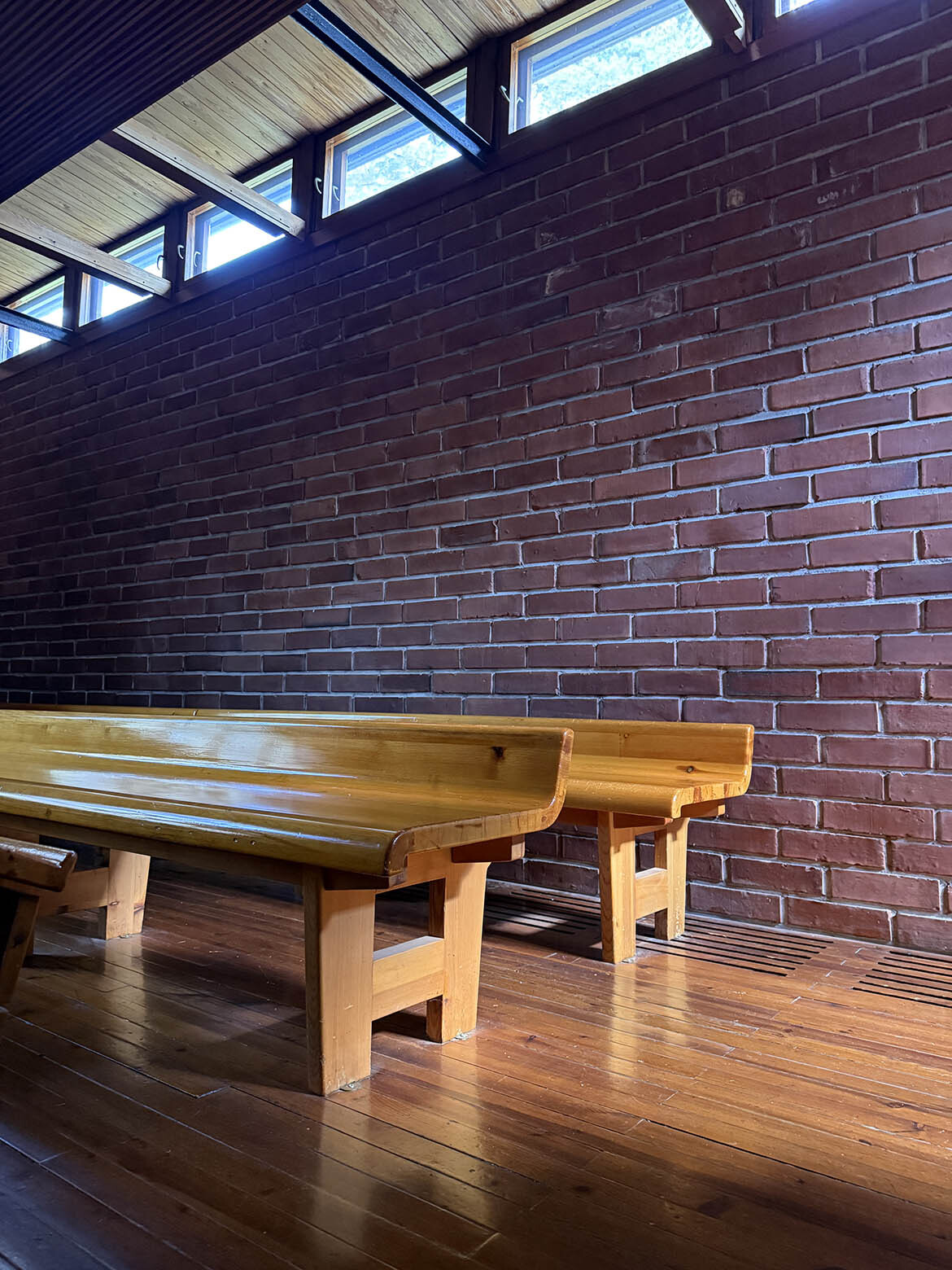
That same understanding of people drove innovations in bent plywood furniture, designs that have become so ubiquitous we rarely stop to think about where they came from. Those explorations contributed to the founding of Artek, which continues to thrive today and remains one of the world’s most enduring design brands. Even building services became opportunities for design. At Villa Mairea, fresh air is integrated through thousands of carefully concealed perforations within the timber ceiling, transforming a technical requirement into a beautifully crafted architectural element.
In a profession increasingly shaped by technology, efficiency and complexity, the Aaltos provide a powerful reminder that our work is ultimately about people. The buildings, furniture, lighting and details all stem from a deep understanding of human experience and a belief that design can genuinely improve everyday life.
My design cup runneth over. The people, the places and, above all, the Aaltos.
Photography
Nicky Drobis