The home of architecture and design in the Asia-Pacific
Get the latest design news direct to your inbox!

Get the latest design news direct to your inbox!
From Es Devlin and aerospace innovation to First Nations-led stories of Water Country, Powerhouse Parramatta has unveiled the five exhibitions that will launch the new museum this November.
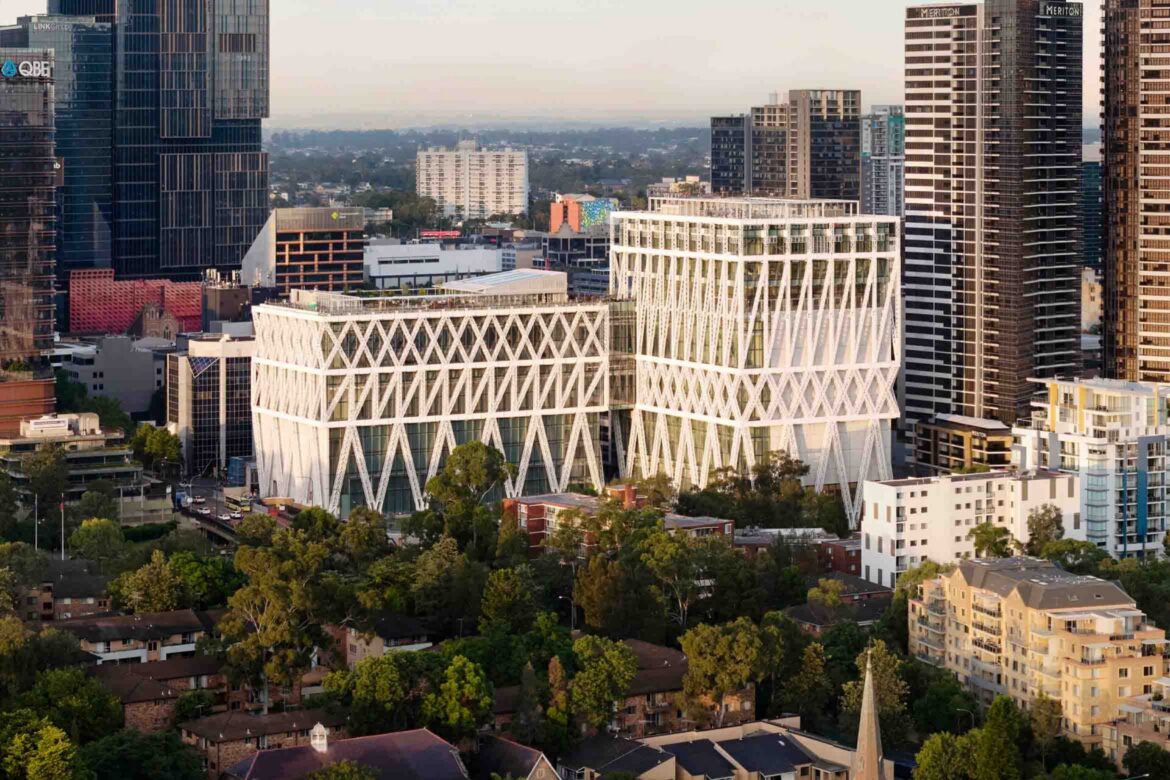
Powerhouse Parramatta, aerial view. Courtesy of Powerhouse Studio.
August 26th, 2026
Powerhouse Parramatta has revealed the full exhibition program that will open with the museum on Saturday 7th of November 2026, bringing together more than 3000 objects across five major exhibitions spanning design, science, technology, art and First Nations knowledge.
Four of the five exhibitions will be free, with only Task Eternal ticketed for adults and free for visitors under 16.
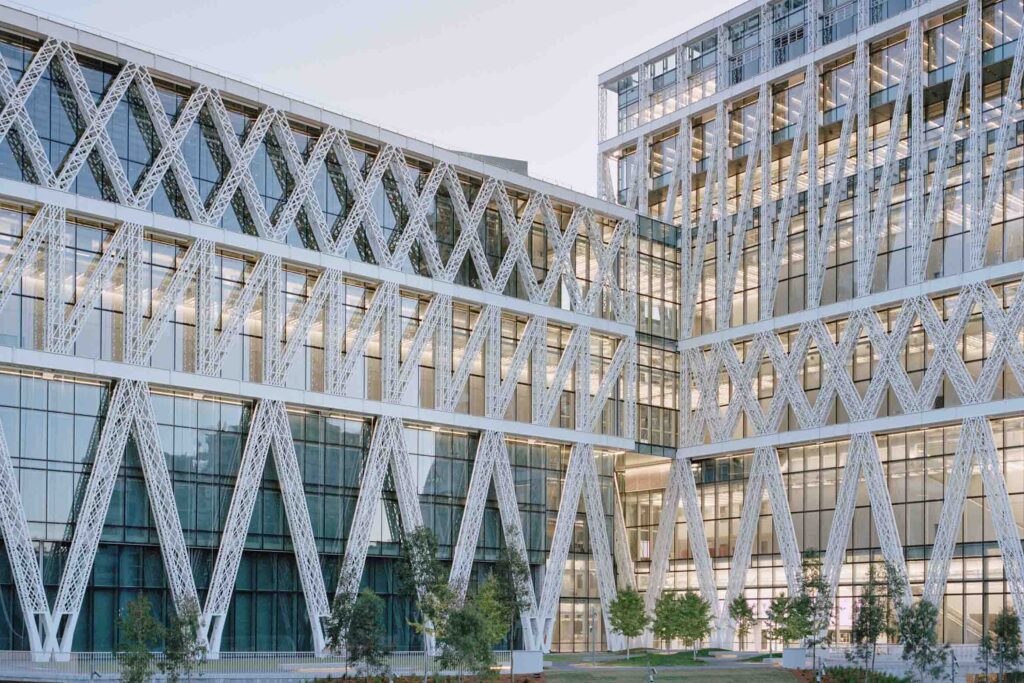
Designed by Franco-Japanese architects Moreau Kusunoki (Lead Designer) and Australian architecture firm Genton (Local Architect), Powerhouse Parramatta is the largest cultural infrastructure project in Australia since the Sydney Opera House and represents Western Sydney’s first state cultural institution. The broader project team also includes Arup, while the project is delivered by Infrastructure NSW and constructed by Lendlease.
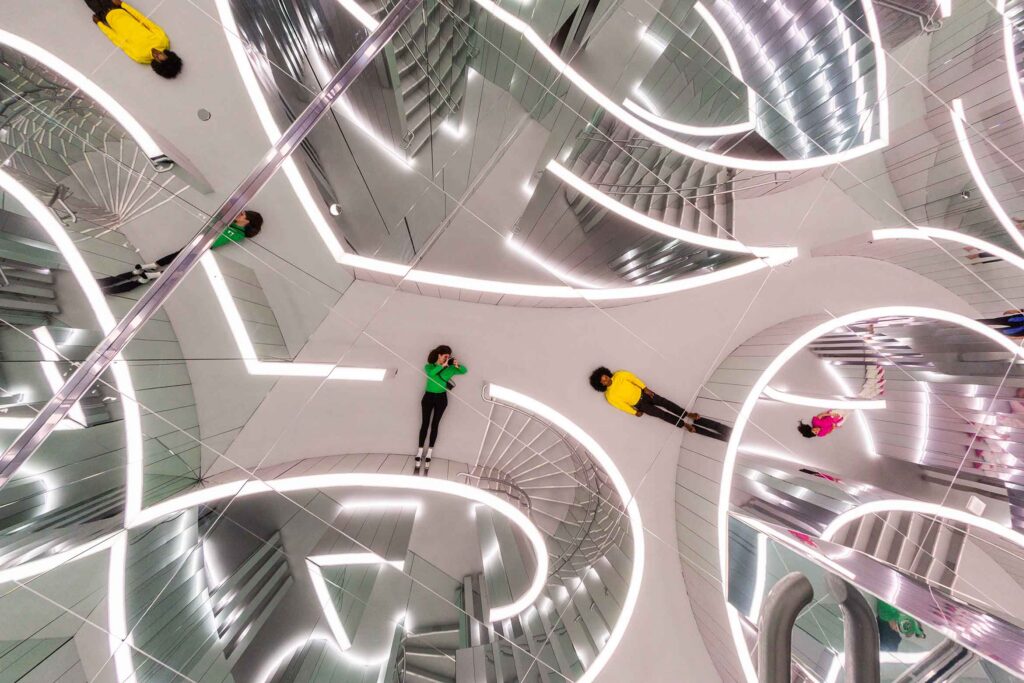
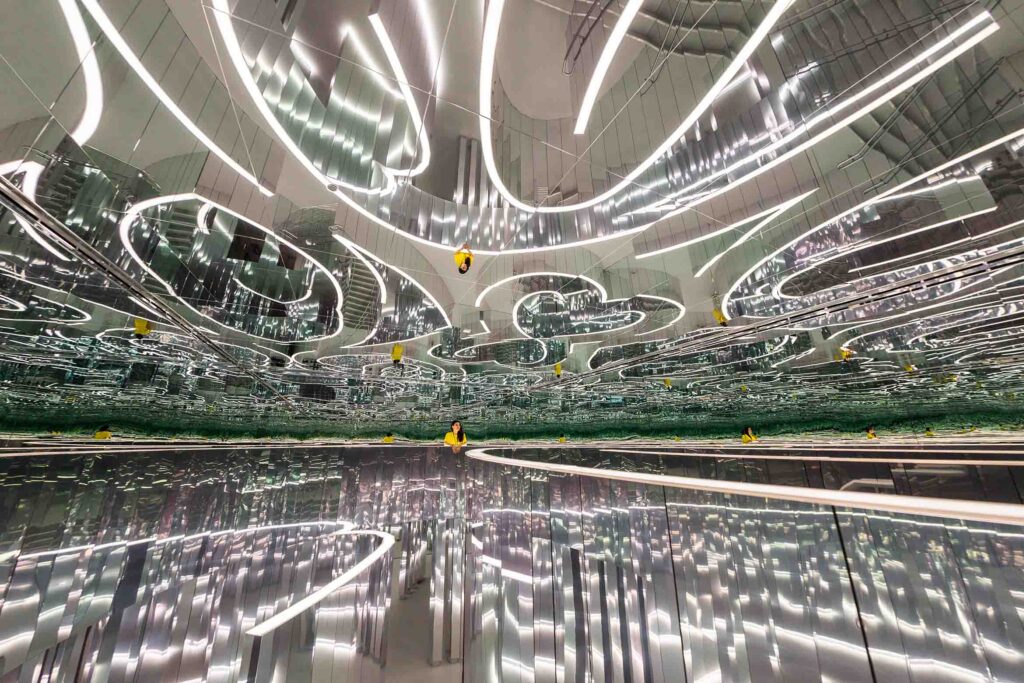
Among the headline exhibitions is Es Devlin: The Turning, the first major Australian exhibition by the British artist and designer. Five installations will explore Devlin’s work across sculpture, architecture, film, language and performance, including Forest of Us, a mirrored maze drawing parallels between the branching structures of human lungs and trees, and Memory Palace, which maps pivotal moments across 75 millennia of human history.
Related: The inaugural Coastal Design Assembly is about to make landfall in Sydney
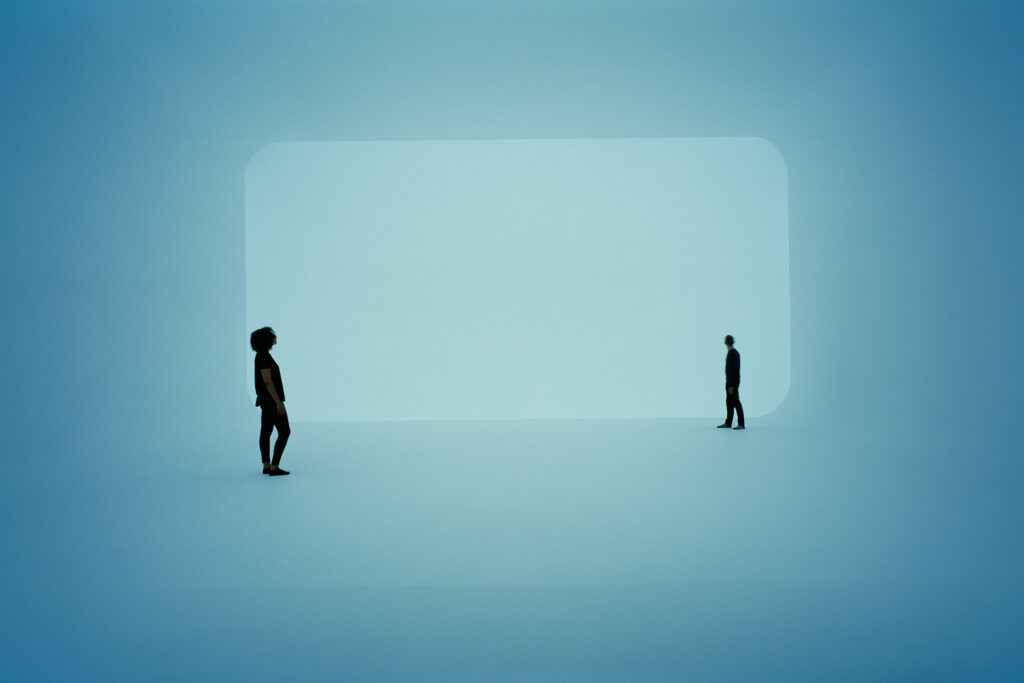
Task Eternal, designed by Beijing-based OPEN Architecture, turns to humanity’s long attempt to overcome gravity. More than 850 objects will span aerospace engineering, science fiction and design, including Leonardo da Vinci drawings, a NASA Moon rock, the historic Qantas Avro 504K aircraft and a new immersive light work by James Turrell.
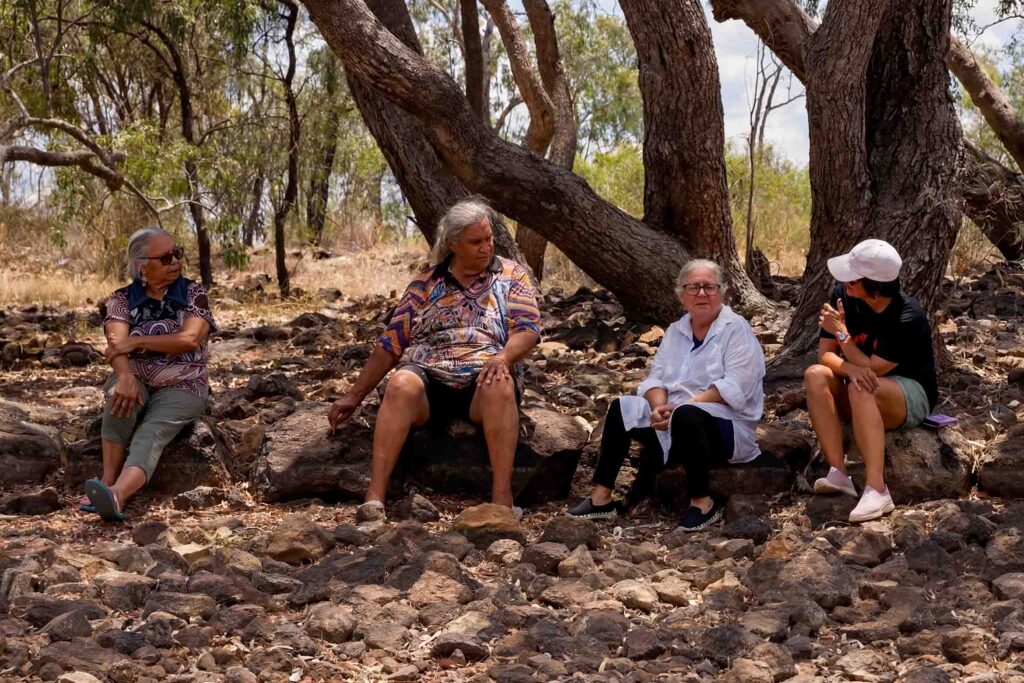
A very different relationship with land and environment shapes Overflow, a First Nations-led exhibition grounded in the principles of Water Country. Developed with seven Aboriginal organisations across NSW and brought together through the cinematic work of Kamilaroi filmmaker Ivan Sen, the exhibition examines saltwater and freshwater systems through stories of species protection, flood mitigation, fishing, language revitalisation and cultural water rights.
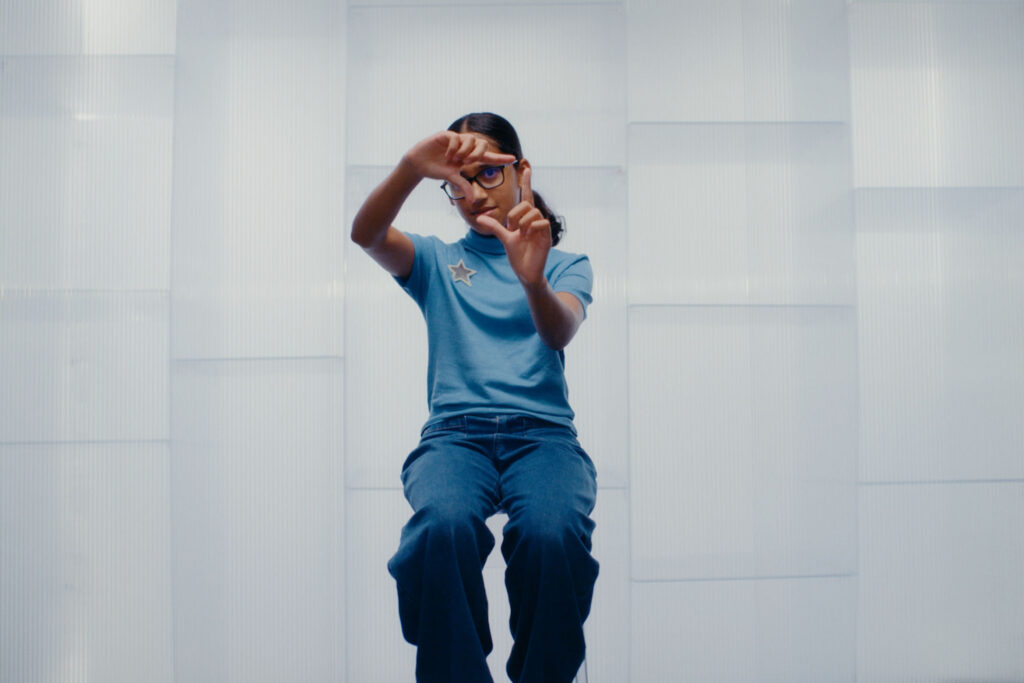
For younger visitors, The Dark has been developed with theatre director Kip Williams, designer Elizabeth Gadsby and costume and production designer Marg Horwell. Conceived for children aged four to 12, the immersive exhibition moves through a bedroom, crystal tunnel, forest and a world of giants, bringing together more than 800 objects alongside First Nations animations and personal objects loaned by children from Western Sydney.
Completing the opening program is The Mall, designed and curated in collaboration with OMA/AMO. The exhibition traces the shopping mall as an architectural, technological and cultural form, beginning with the emergence of Westfield in Blacktown in 1959 and extending through to contemporary systems of consumption and automation.
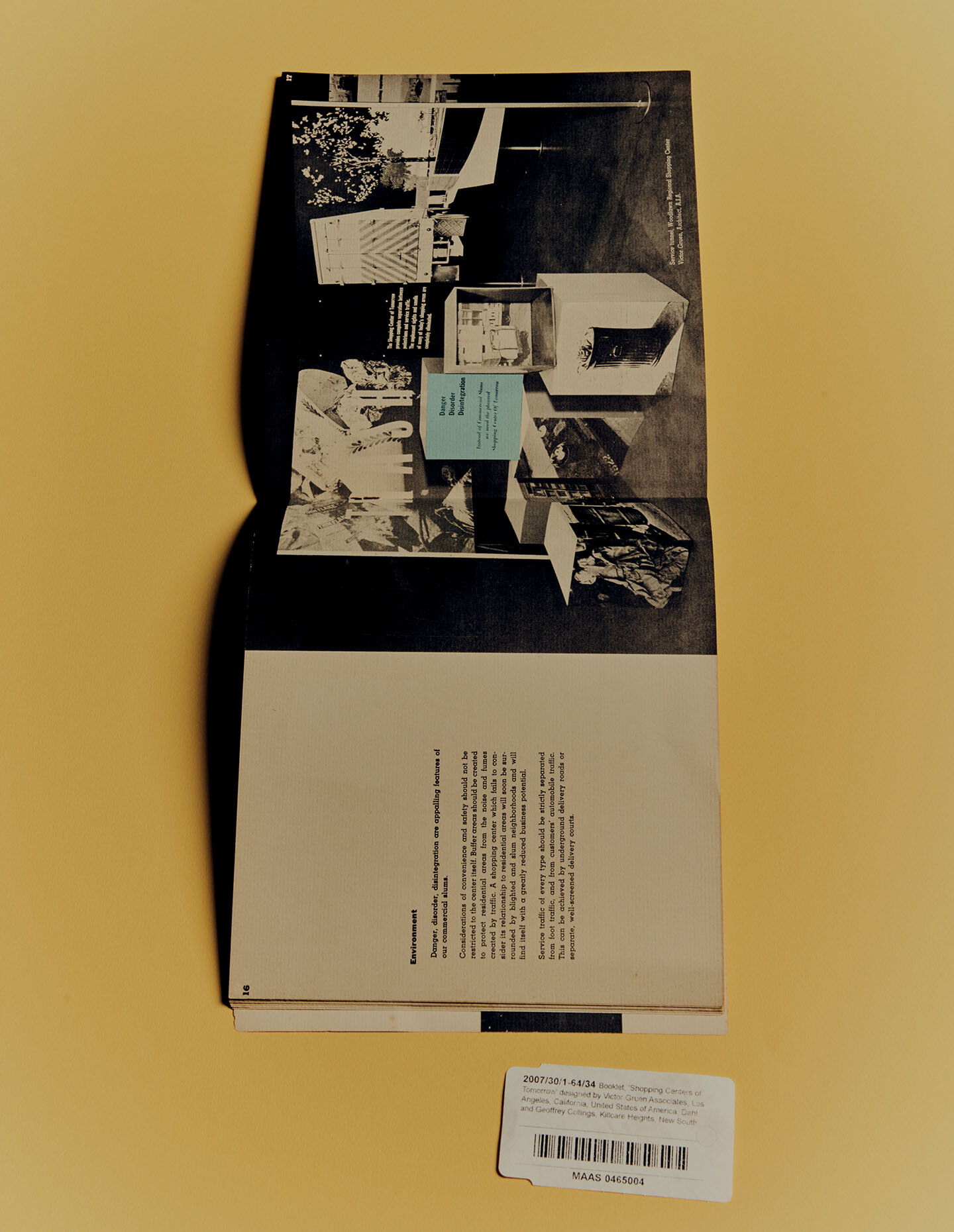
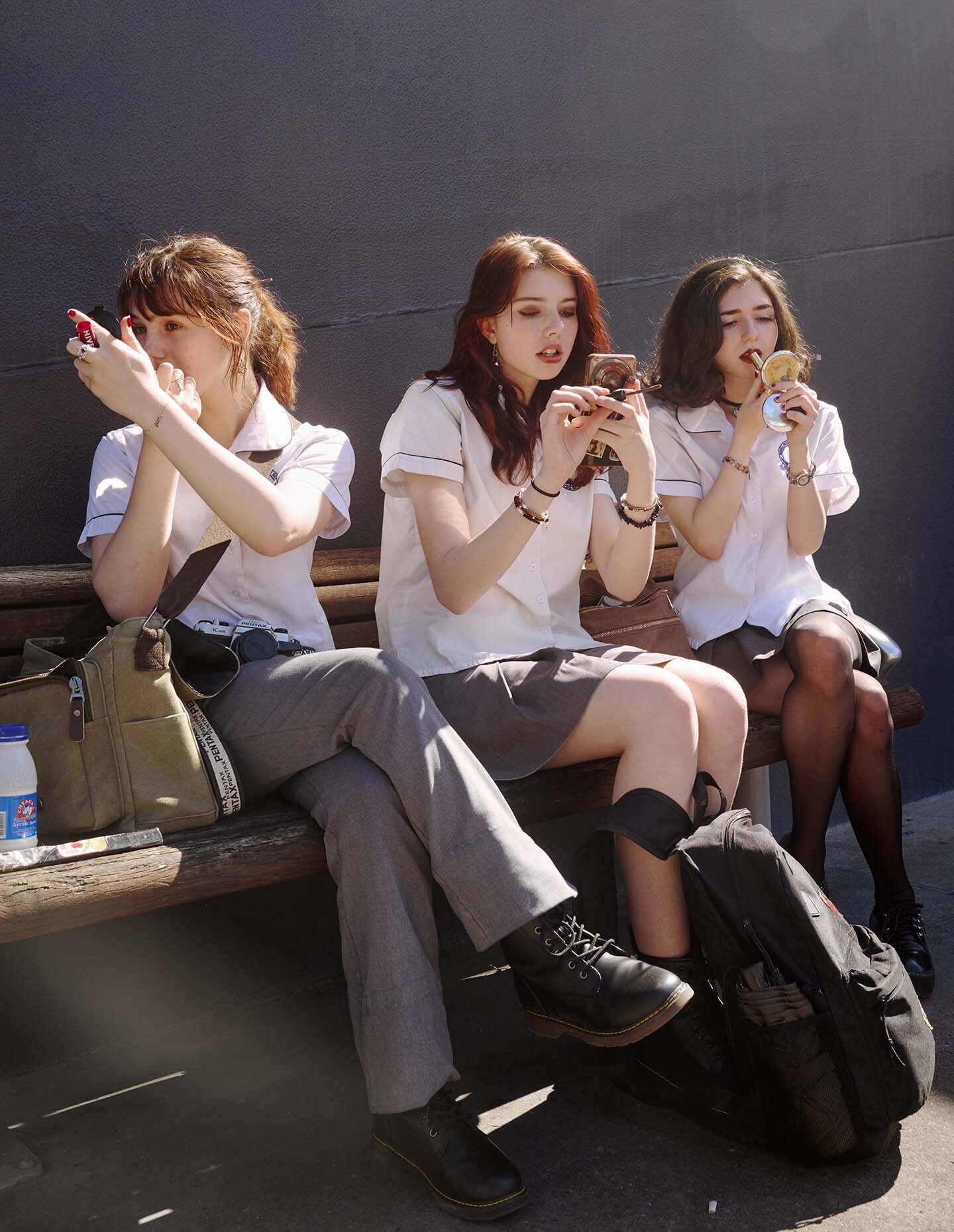
Highlights include the archive of Austrian-American architect Victor Gruen, displayed publicly for the first time, early barcode designs, Steve Jobs’ Levi’s 501 jeans, an autonomous ballet of warehouse robots by Japanese artist yang02 and a reimagining of the Roselands Raindrop Fountain by Australian industrial design studio Vert.
Together, the five exhibitions will include more than 1600 objects from the Powerhouse Collection alongside loans from institutions and collections around the world.
Powerhouse Chief Executive Lisa Havilah says the program has been developed around the idea of placing audiences at the centre of the new museum.
“These five foundational exhibitions place audiences at the heart of the museum, bringing to life stories of technology, creativity and excellence,” says Havilah. “Together, they reflect our ambition to create a museum that amplifies community, creates new opportunities and helps define the future.”
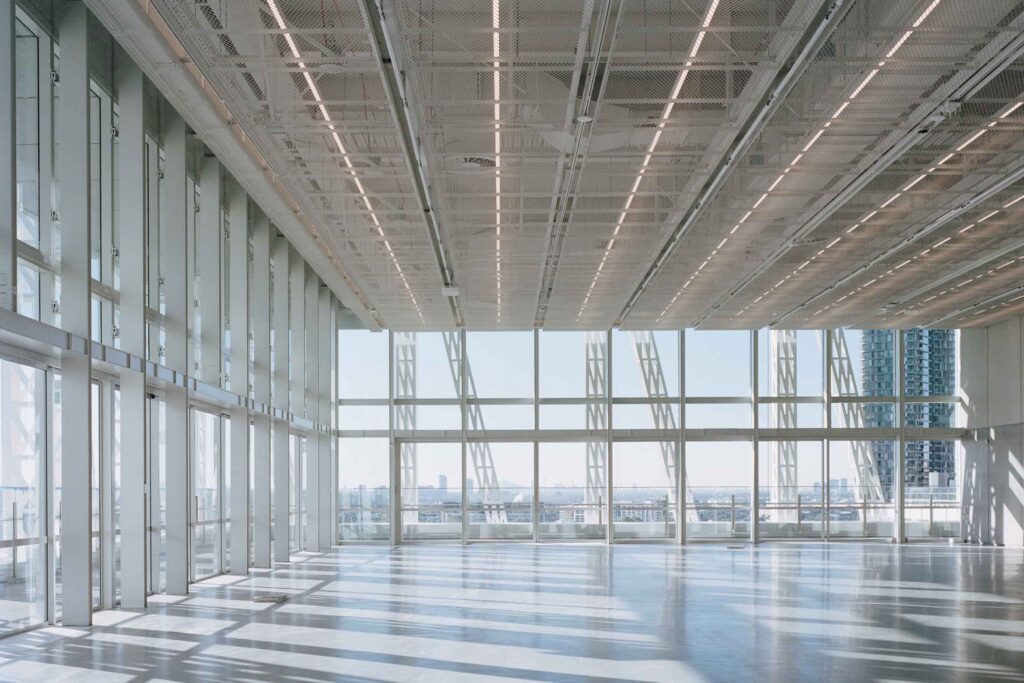
The $915 million project also includes the delivery of a new collection storage facility at Castle Hill and the digitisation and preservation of more than 371,000 objects from the Powerhouse Collection. Its philanthropic target of $75 million has now been surpassed, with $80.28 million secured.
With its architectural completion now converging with the release of its inaugural program, November will provide the first opportunity to experience how the scale of the new building and its exhibition spaces operate together.
Powerhouse Parramatta
powerhouse.com.au
INDESIGN is on instagram
Follow @indesignlive
A searchable and comprehensive guide for specifying leading products and their suppliers
Keep up to date with the latest and greatest from our industry BFF's!
The internet never sleeps! Here's the stuff you might have missed