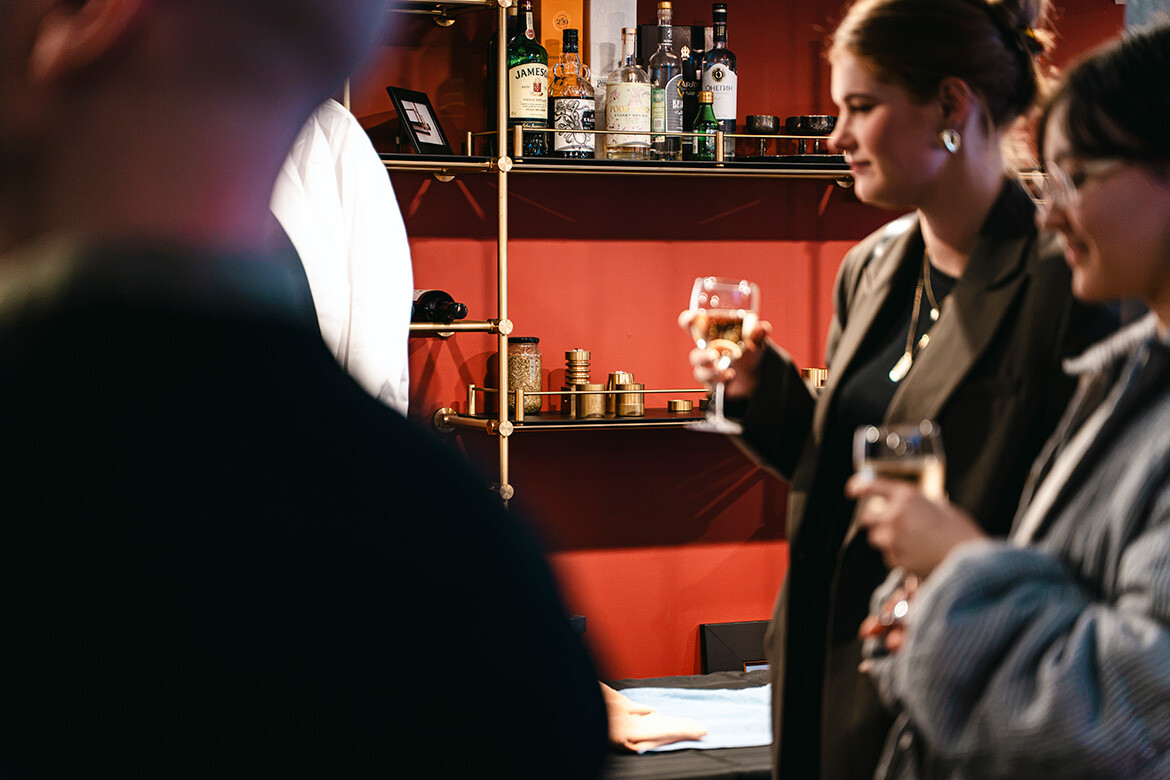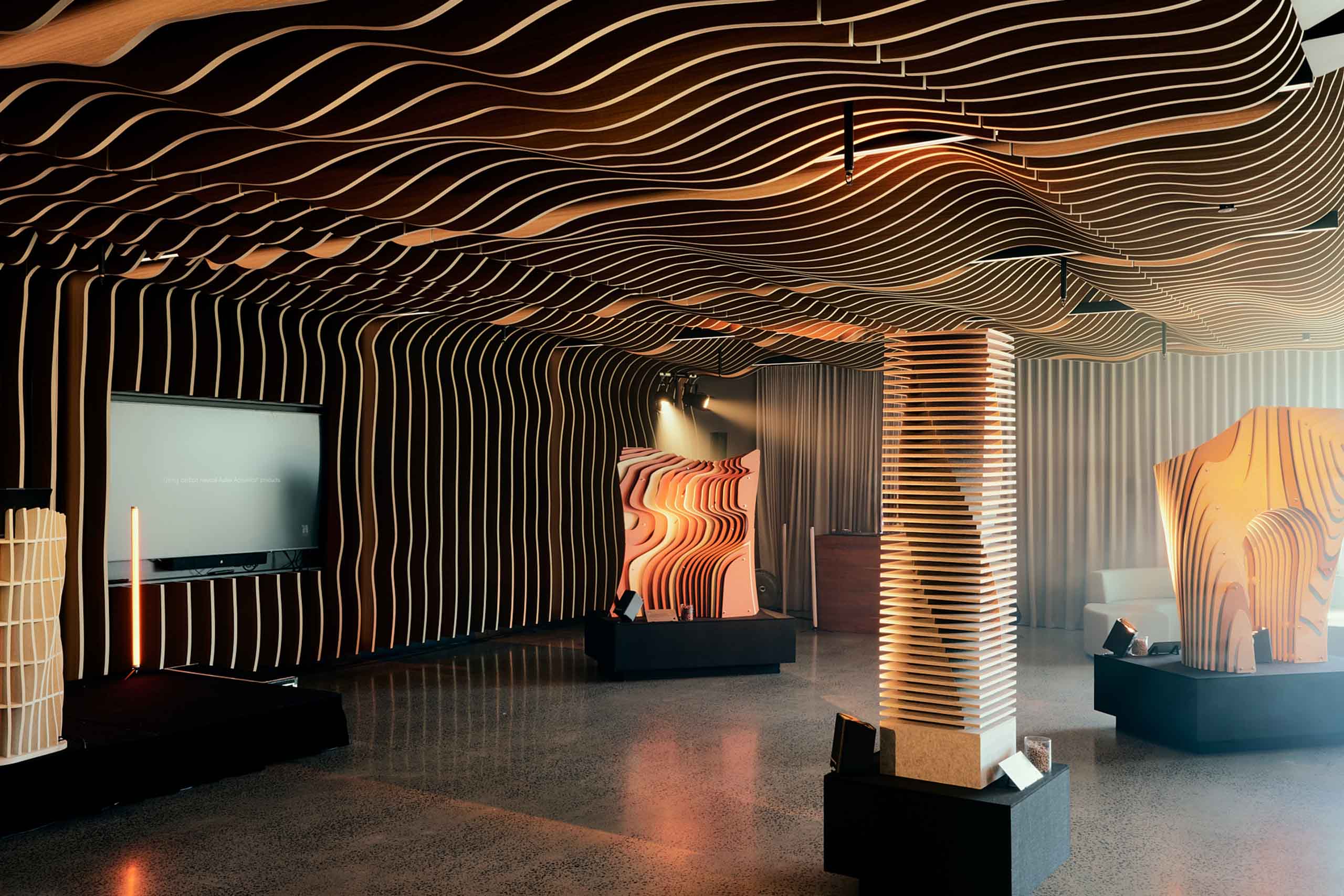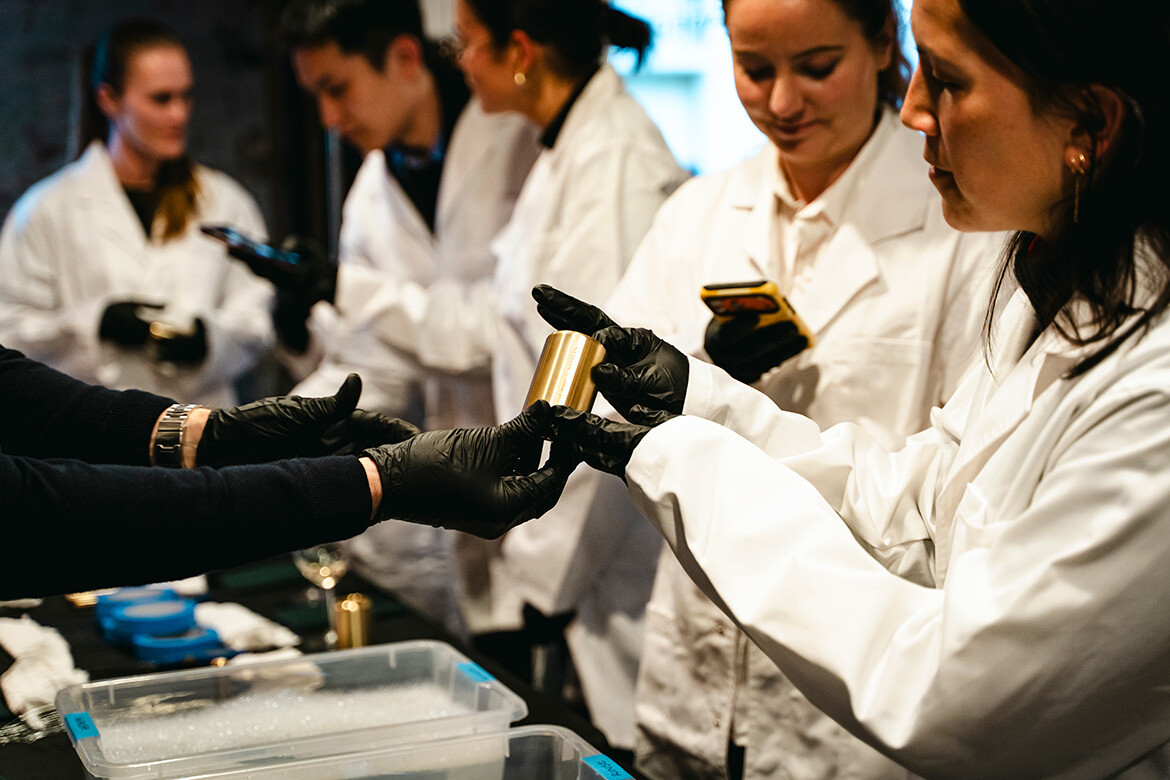
Ahead of Saturday Indesign on the 12th of September, Savage Design invited a small group of architects and interior designers into its showroom for a preview of Ministry of Metals, the interactive experience it will present as part of this year’s program. The idea is simple: instead of talking about metals from a distance, let designers handle them, test them and work with them directly.
“Knowledge sticks when you make something, not just when you read about it,” says James Groom, Creative Director at Savage Design. “Creatives are naturally tactile people, and we knew the most effective way to teach them was to let them work with the material itself.”
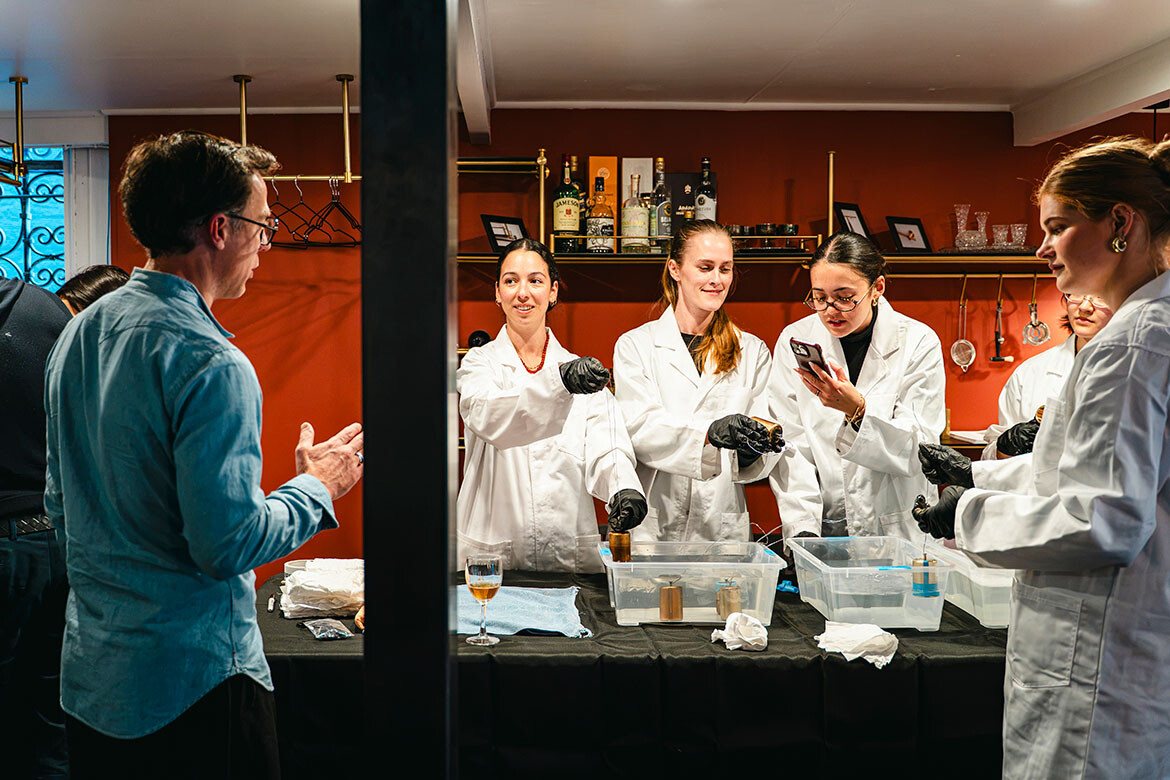
For Savage Design, a family business with more than a century of experience working with metal, the experience was conceived as a way to open up some of the knowledge that normally sits behind specification. Metals may be familiar materials within architecture and interiors, but their composition, behaviour, finishes and long-term performance can be less well understood.
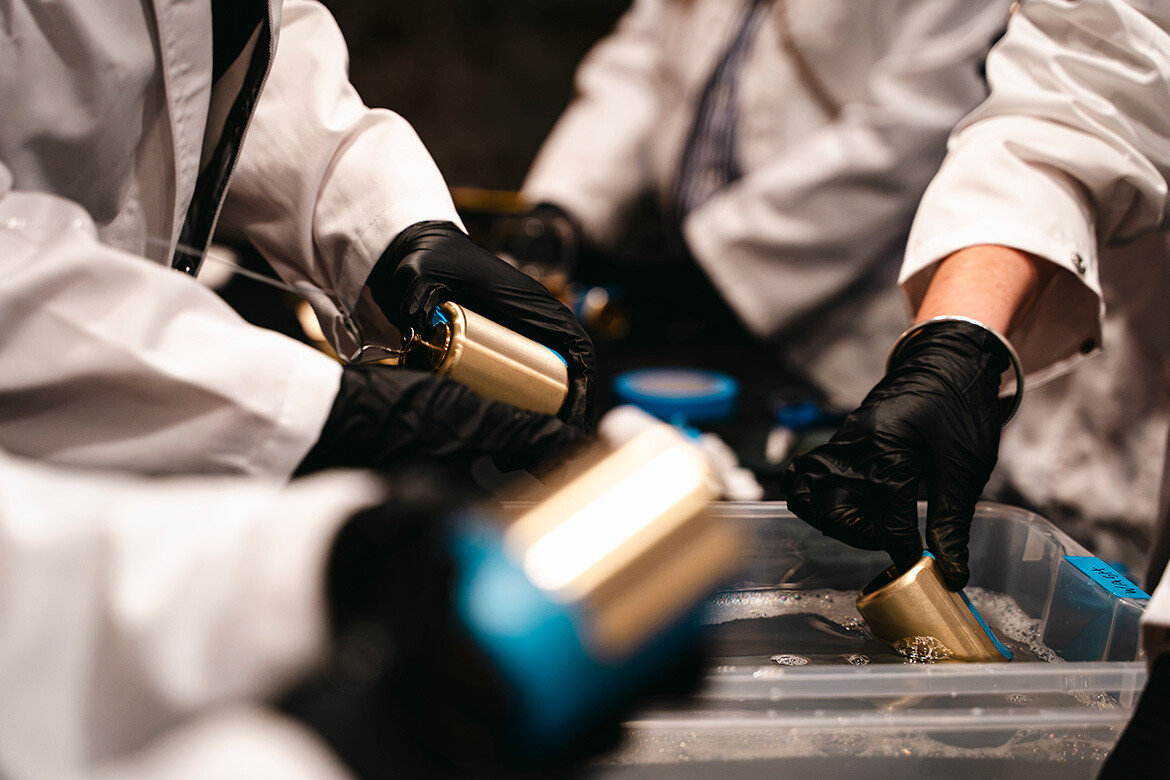
Ministry of Metals is structured in three parts. The Brass Lab introduces surface treatments, preparation and ageing through a specially designed brass artefact created for Saturday Indesign. Participants work directly with the material, applying different techniques and seeing how quickly the surface can change. That process also reveals the complexity behind finishes that can appear deceptively simple once installed.
Related: What makes a design event worth attending?
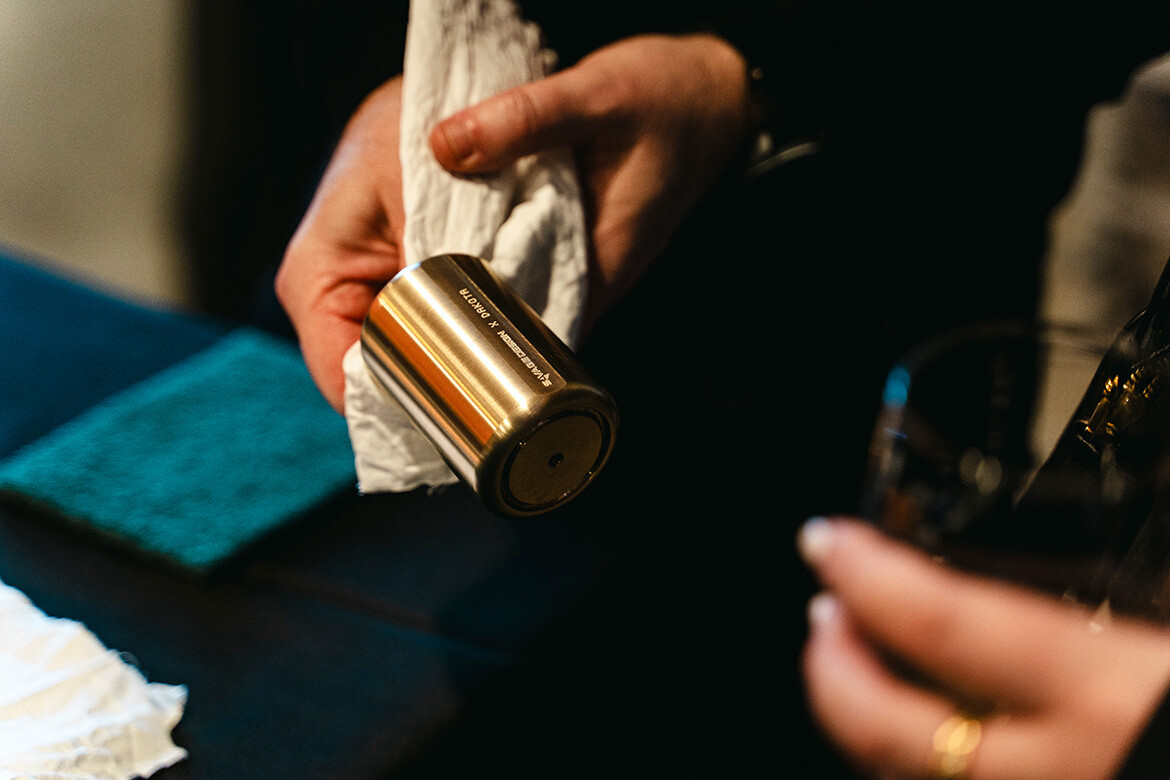
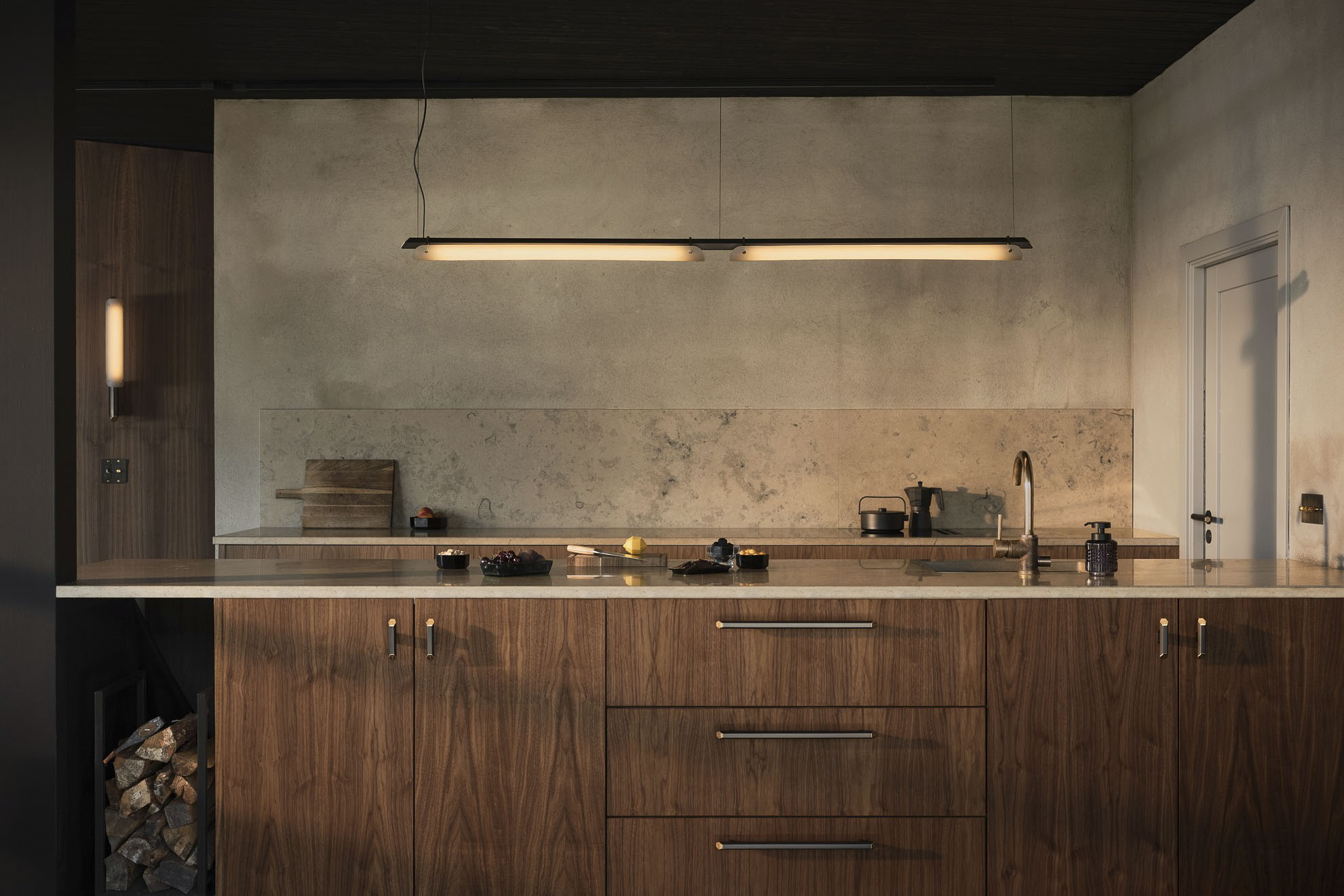
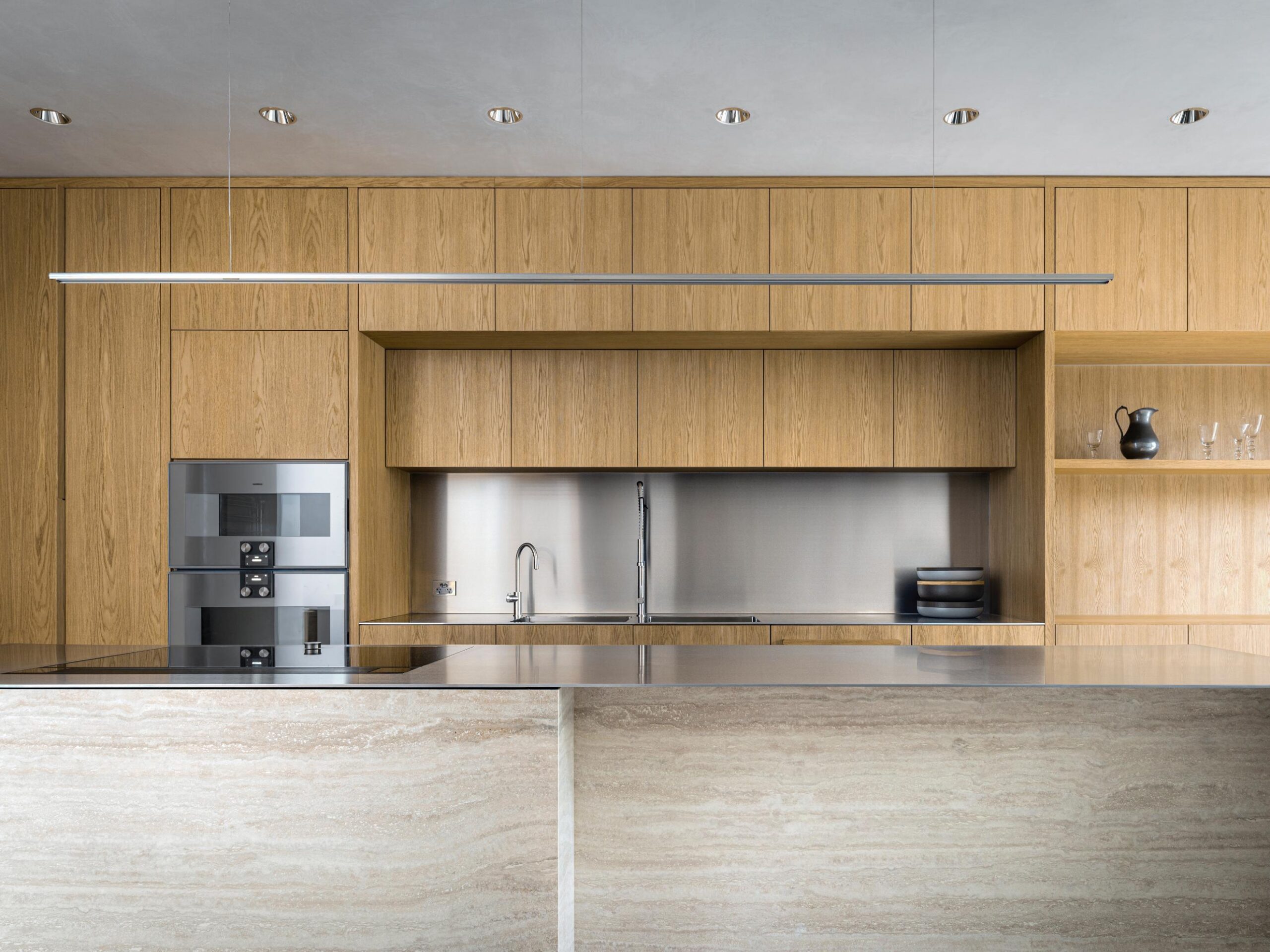
“There is an inherent beauty in metals themselves, and as a design brand we have chosen to embrace this by championing living finishes,” says Groom. “Choosing materials that patina naturally as they interact with their environment brings a sense of authenticity that simply cannot be replicated.”
During the preview, the brass artefacts became a useful demonstration of that idea. Each developed differently according to the way it was handled and treated, making variation part of the outcome rather than something to eliminate.
“Working directly with the material shifted many designers’ perspective away from chasing a perfect, uniform match across suppliers, and towards appreciating the subtle variations that come with a living finish,” he says. “These small inconsistencies are not flaws to correct, but part of what gives metal its authenticity and depth.”
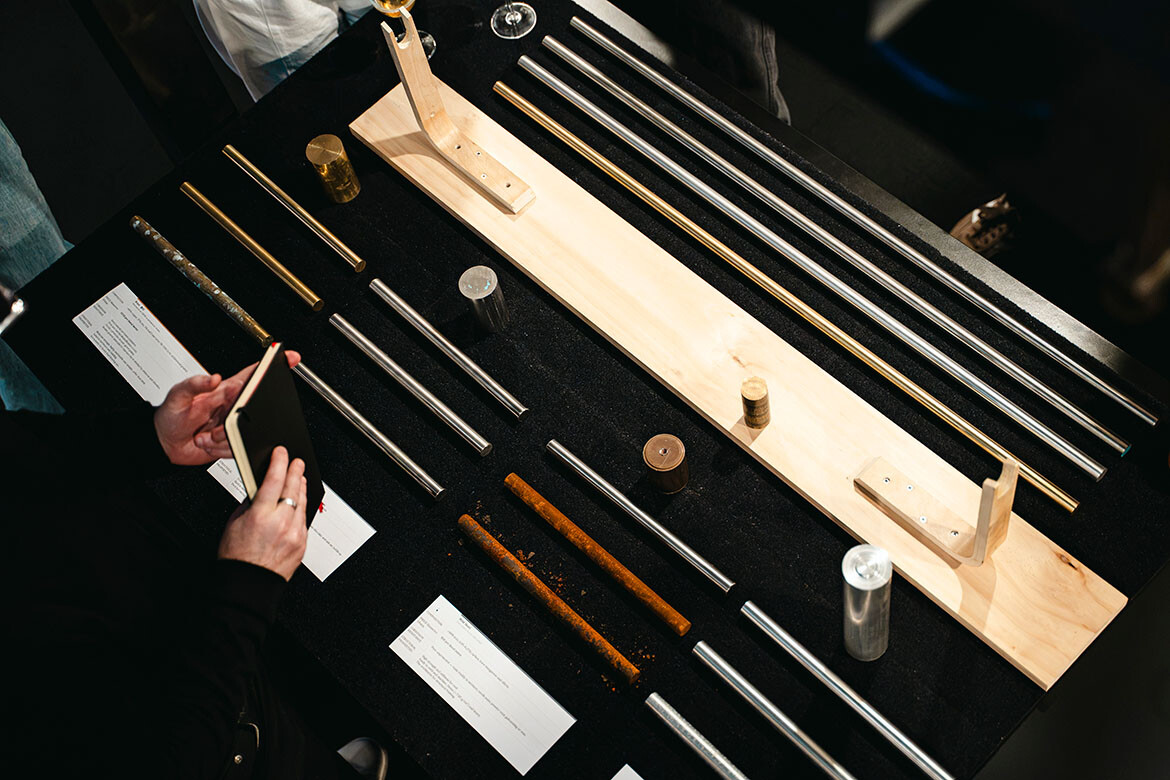
The second part of the experience, Metal Confessions, moves into the properties of four metals commonly used in interiors, looking at composition, raw material pricing, corrosion resistance and structural behaviour. Much of this becomes immediately clearer when the materials are physically compared. Weight, flex and surface response can be understood at a glance when two samples are held side by side, while examples of corrosion make environmental performance much harder to ignore.
At the preview, the difference between aluminium and brass was particularly striking, as was an example of mild steel that had rusted significantly over just one month.
The exercise is also intended to sharpen the questions designers ask before specifying a finish. For Groom, that might mean considering whether a material will sit in a high-touch or low-touch location, the environmental conditions surrounding it, how it will be used each day and what kind of maintenance or ageing should be expected.
“There is already a wide variety of metals to choose from, and once coatings are added, the possibilities multiply further,” he says. “To narrow down what is best for a project, designers need a solid base understanding of the core materials and coating options available, so they can ask the right questions from the outset.”
That knowledge extends beyond the material itself to the fabricators, suppliers and trades responsible for bringing a specification to life. Knowing how something is made, and who can make it well, can have a direct bearing on whether the finished project performs as intended. “Understanding who is a good trade or supplier, and who can be trusted when specifying products or metals, gives designers the confidence to set expectations that are actually met,” says Groom.
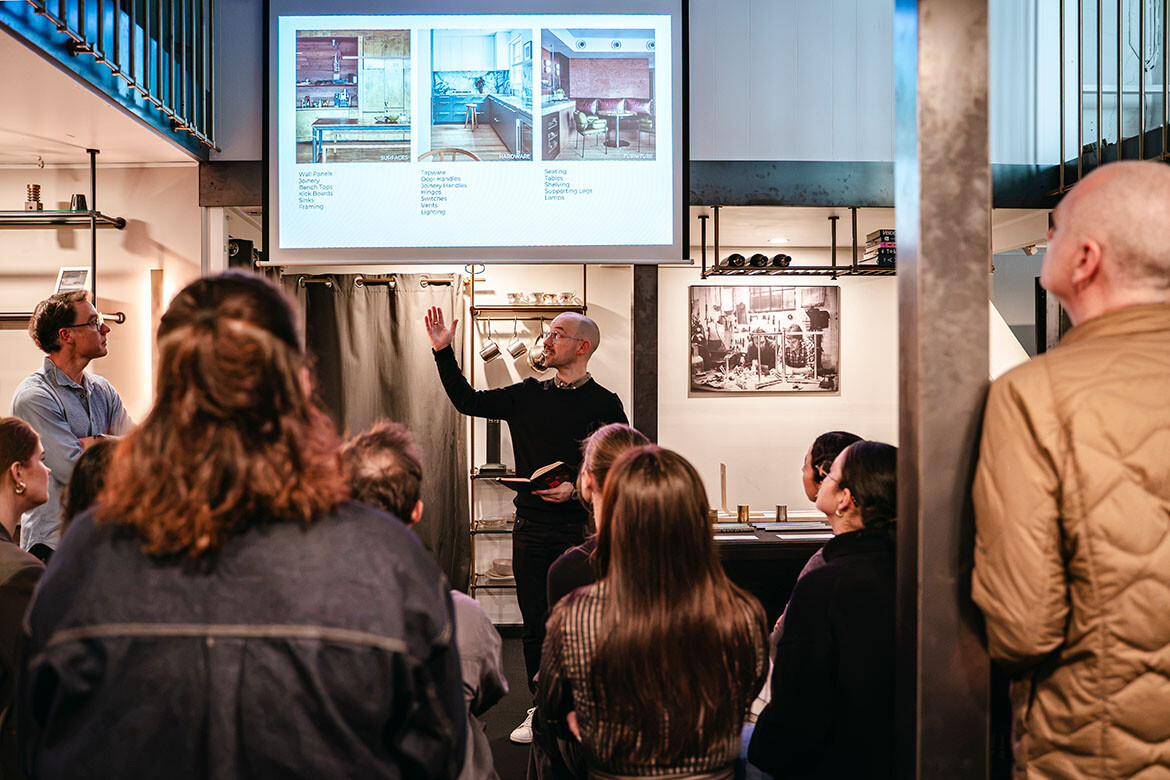
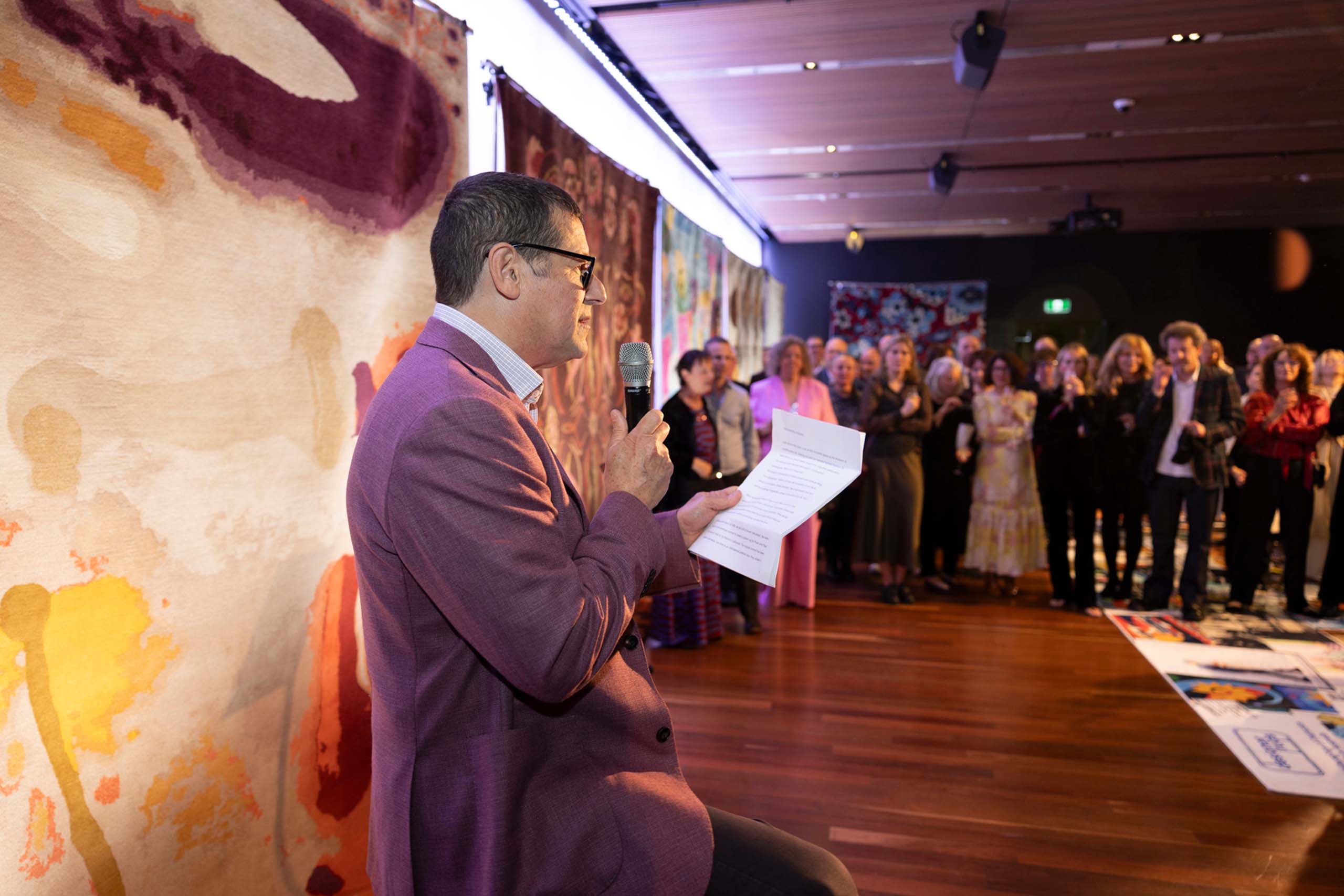
The evening closes with Groom and Savage Design director Joel Savage drawing together the material lessons with knowledge gathered over 15 years of running the design brand. For Groom, there is value in creating this kind of exchange outside the conventional presentation format. Designers can ask questions as they arise, compare what they are seeing and leave with something they have physically altered themselves.
It also speaks to the wider potential of Saturday Indesign, where showrooms can become places of experimentation rather than simply display.
When Ministry of Metals returns on the 12th of September, visitors will be able to take part across three sessions, working through the same processes trialled during the preview and creating their own personalised brass artefact.
“Having this grounding allows designers to make informed decisions rather than guesses,” he says, “and ultimately deliver spaces that perform as well as they look.”
Saturday Indesign returns to Sydney on the 12th of September 2026.
Savage Design
savagedesign.com.au
Saturday Indesign
saturdayindesign.com
Photography
Ela Glogowska