The home of architecture and design in the Asia-Pacific
Get the latest design news direct to your inbox!

Get the latest design news direct to your inbox!
From dementia-inclusive urbanism and home haemodialysis to multilingual typography and regenerative biomaterials, the Design Institute of Australia’s 2026 GOTYA winners point to an emerging generation designing with care, research and social responsibility.
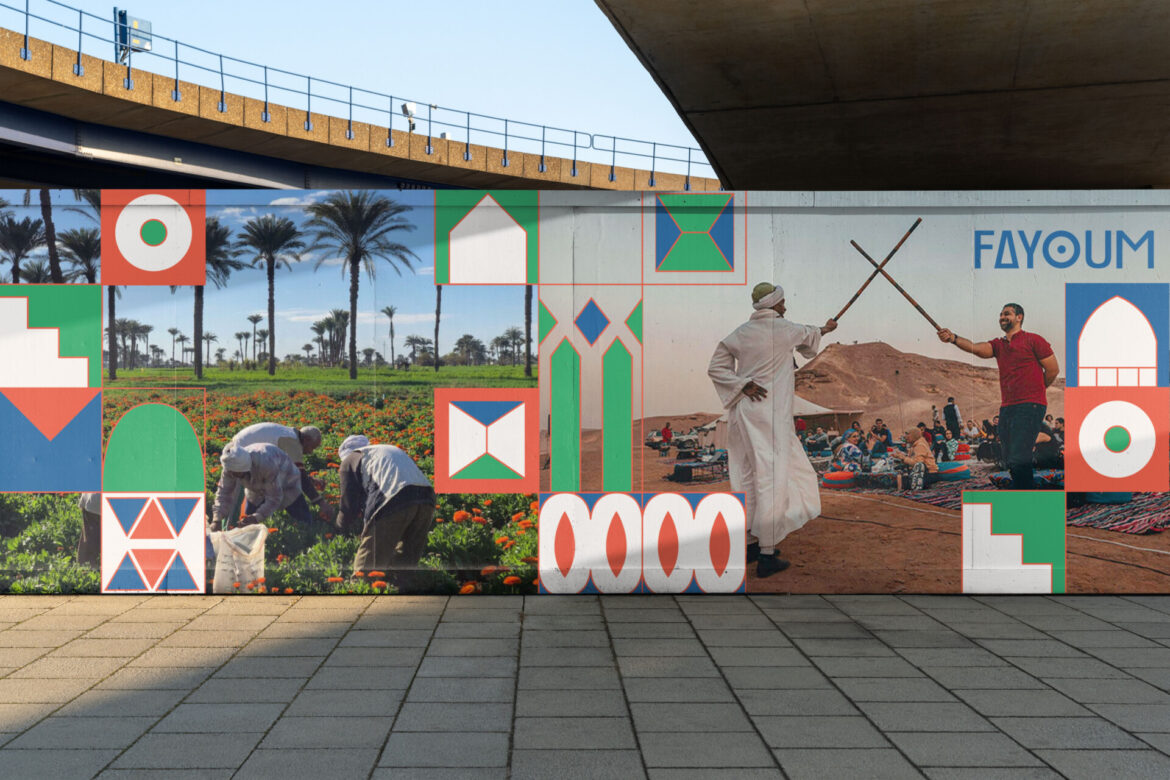
Fayoum Concept Place Branding by Jannah Abdellatif.
August 21st, 2026
The Design Institute of Australia has announced the winners of its 2026 Graduates of the Year Awards, with 66 awards presented across 18 Australian institutions and University of Technology Sydney graduate Jannah Abdellatif receiving the program’s highest honour.
Abdellatif has been named the 2026 Madeline Lester Australian Graduate of the Year for a communication design practice moving between Franco-Arabic, English and Arabic scripts. Grounded in primary field research across Egypt and Jordan, her work examines the hierarchies embedded in language and asks what happens when communication design no longer assumes one language as the default.
The award followed three rounds of national judging, with 174 entries narrowed to 13 finalists who were interviewed by the jury on 6 August. Abdellatif also received the NSW Overall Graduate of the Year Award and the National CONVEY Award for higher education.

“Jannah’s practice works at a global register while holding a lens to the multicultural reality of Australia – a culturally aware perspective on power, privilege and heritage that is lived rather than observed,” says jury convenor Dr Tonya Meyrick.
“In awarding the Madeline Lester, the jury recognised not only what has been made but the position from which it is made. The range of this emerging oeuvre is already significant, and the jury has no hesitation in anticipating the impact Jannah will go on to have on our industry, here and globally.”
While Abdellatif took the top national prize, the breadth of the 2026 program is evident across the state, territory and category winners, whose projects address healthcare, ageing, material longevity, community infrastructure, cultural identity and environmental regeneration.
Victoria’s Overall Graduate of the Year, RMIT University’s Xiaoni Bai, was also named National PLACE winner at higher education level. Her project Re:member reimagines Melbourne’s Guildford Lane as a dementia-inclusive urban village, treating the street itself as part of a care system. Sensory mapping is used to support navigation through experience rather than memory, with independence and dignity central to the proposal.
Related: Seidler, Nervi and fjcstudio walk into an office tower

In Queensland, Tadhg Cullinane of Queensland University of Technology was named Overall Graduate of the Year for Diasette, a sterile, pre-assembled cassette intended to simplify home haemodialysis. Developed in consultation with clinicians and patients, the project reflects an emphasis on designing through direct engagement with the people who will use the outcome.
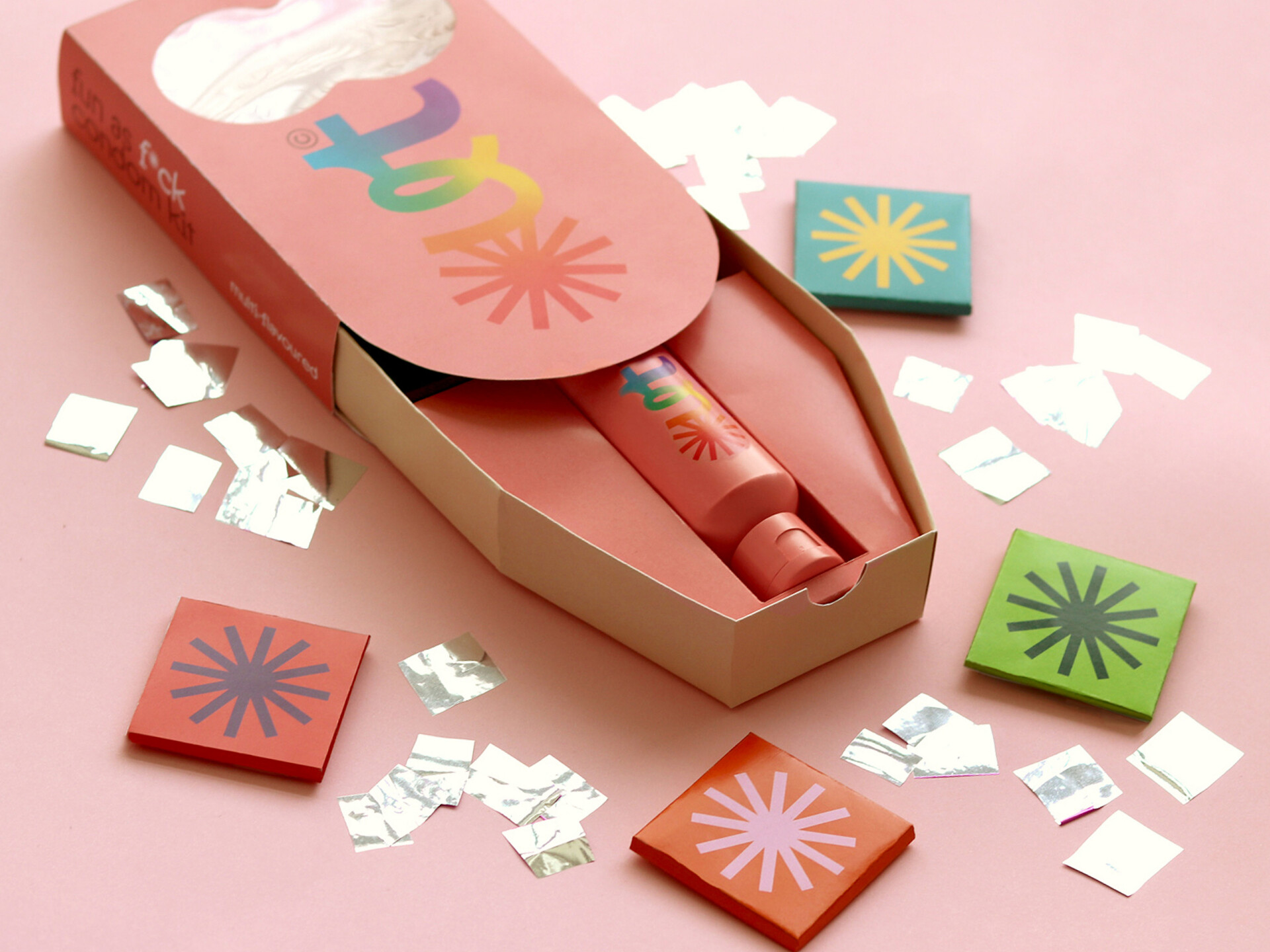
South Australia’s Overall Graduate of the Year, Keeton Pearce of Adelaide University, explored a very different form of care. Out reframes sexual wellness packaging through colour, form and tone of voice, with the jury noting that the project emerged from lived need rather than an assumed market position and positioned Pearce as an advocate within the LGBTQI+ community.
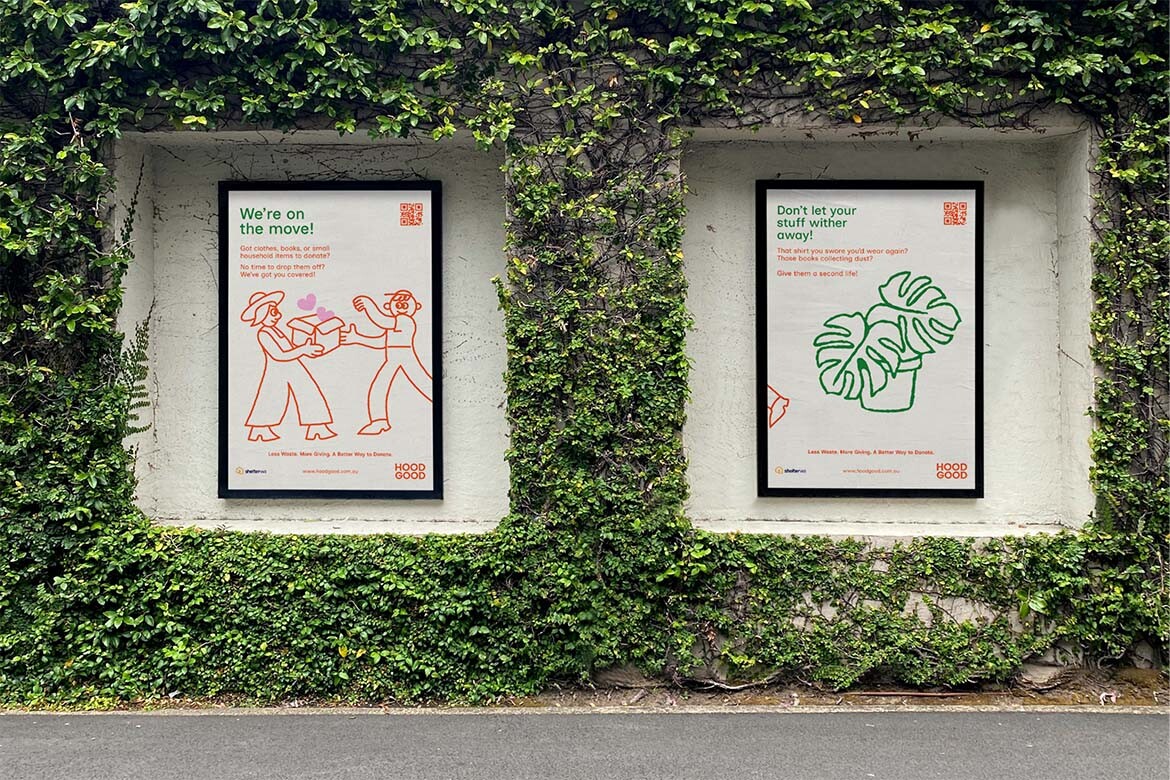
Lily Hindle of North Metropolitan TAFE received both the Western Australian Overall Graduate of the Year Award and National INTERACT Award at vocational level. Her project HoodGood proposes a roaming donation service designed to remove the practical barriers of time and transport that can prevent people from donating goods.
In Tasmania, Overall Graduate of the Year Rebekah Ramsay of the University of Tasmania developed Regenerative Remains, a proposal that considers whether biomaterials derived from alkaline hydrolysis could contribute to the restoration of Tasmanian landscapes, reframing death and its material by-products as part of a regenerative ecological cycle.
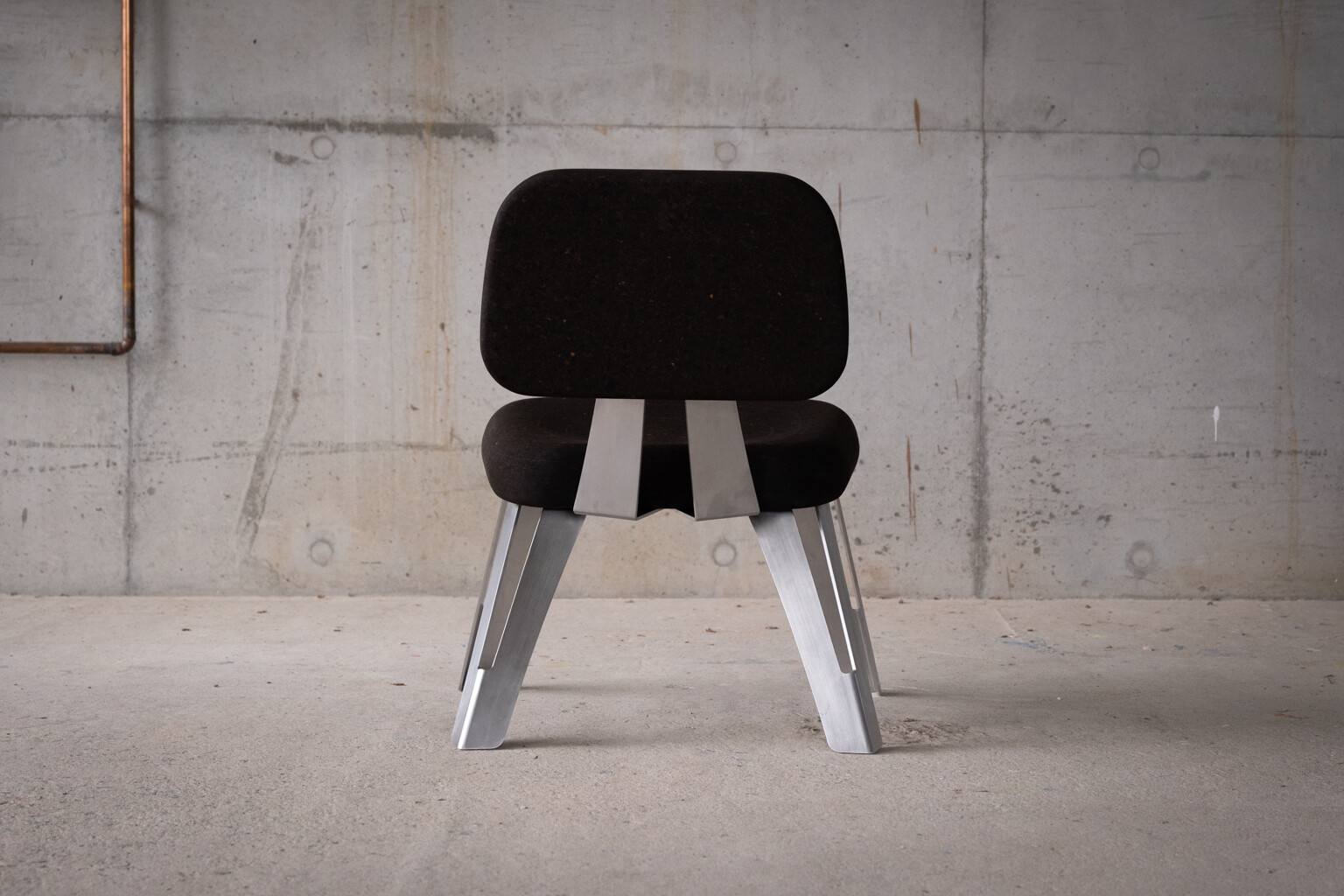
ACT Overall Graduate of the Year Paloma Padovan of the University of Canberra looked towards longevity at the scale of furniture. Her Suber Chair explores unconventional applications of cork and aluminium, with an emphasis on creating objects intended to endure rather than simply enter another cycle of consumption.

The national category awards extend that range further. Anneliese Cook of Sydney Design School received National PLACE at vocational level for Woven Grounds, which transforms a long-vacant hospital site into an intergenerational precinct combining aged care, student accommodation, hospitality and childcare.
In the USE category, Olivia Grace of North Metropolitan TAFE received the vocational award for DISC JOCKEY, a project bringing together the seemingly distant material worlds of equestrian saddlery and underground rave culture. At higher education level, Christina Chen of the University of New South Wales won for the Equa chair, which developed from an honours project into a full-scale prototype.
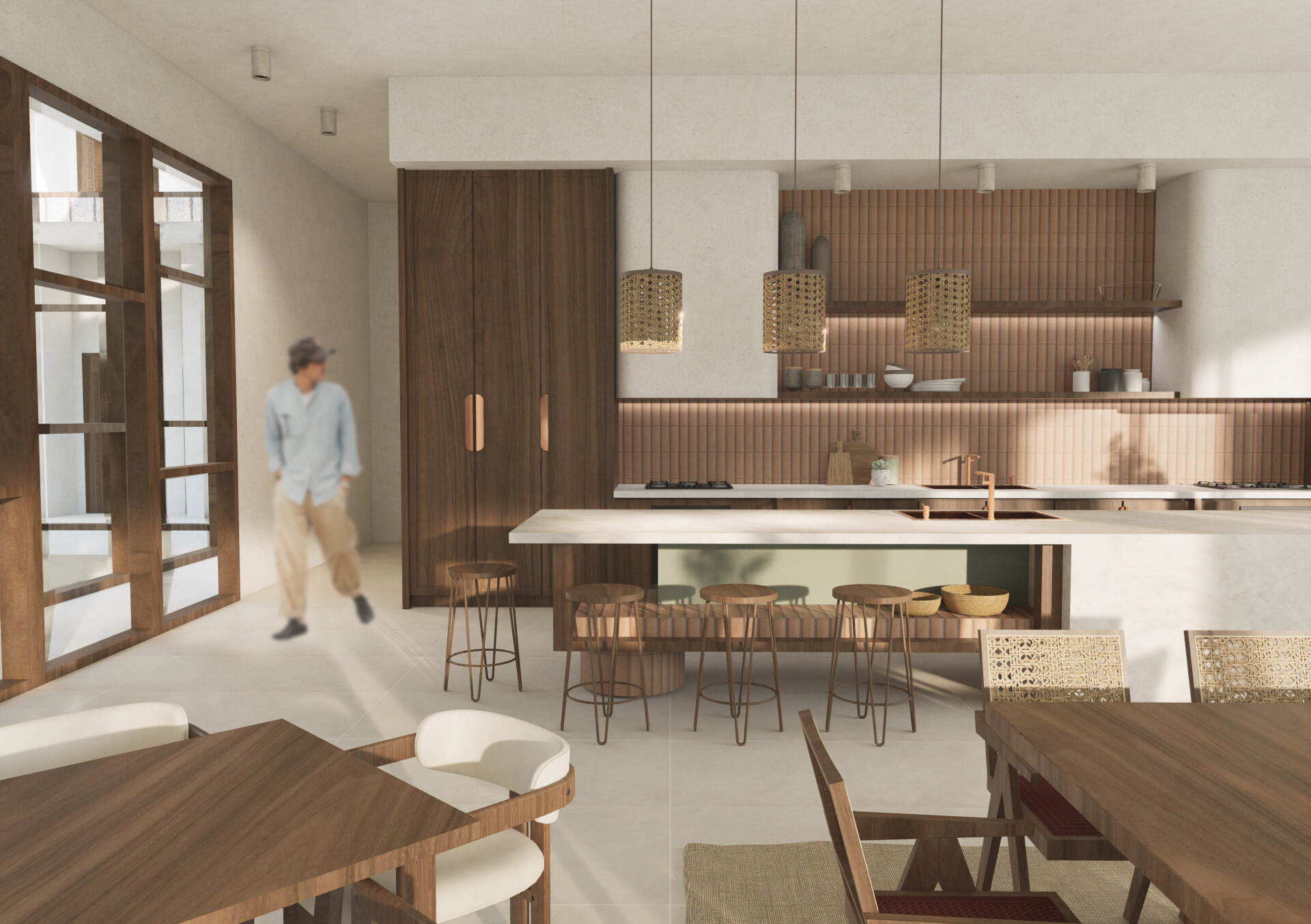
The National INTERACT higher education award went to Maali Sabir of the University of New South Wales, while communication design saw Isabella Lam of Billy Blue College of Design at Torrens University receive the National CONVEY vocational award. Lam’s rebrand of Uncle Butter began with a detailed packaging audit and market analysis, with the jury highlighting both the industrial discipline of the process and its Italian Futurist sensibility.

Alongside the national and overall winners, the jury also singled out communication work by Alyssa Payad, whose detailed riso practice embraces failure as part of the making process, and Harriet Ramsay, whose community-focused work draws on ethnographic methods and was recognised for the care with which research findings were translated into design.

For Design Institute of Australia CEO Simone LeAmon, that engagement with people and communities is one of the clearest threads connecting this year’s cohort.
“What is particularly compelling about this year’s GOTYA winners is the care they bring to designing with communities,” says LeAmon. “These graduates have engaged with clinicians, psychologists and, importantly, the people and communities for whom their designs are intended.”
“That willingness to listen, understand and respond is fundamental to good design practice and speaks to the thoughtfulness and responsibility this emerging generation brings to the profession.”
First introduced in 2003, GOTYA recognises graduates at vocational and higher education levels across four categories: PLACE, covering the spaces we occupy; USE, the objects we use; INTERACT, the ways we engage with things and one another; and CONVEY, the communication of ideas and information.
The program is also expanding what happens after the awards themselves. For the first time in 2026, National Category Winners and the Madeline Lester recipient will be paired with senior practitioners in their respective disciplines for dedicated career mentoring as they move from education into professional practice.
The 2026 Graduates of the Year Awards are supported by program partners Stylecraft and Dulux.
Design Institute of Australia
design.org.au


INDESIGN is on instagram
Follow @indesignlive
A searchable and comprehensive guide for specifying leading products and their suppliers
Keep up to date with the latest and greatest from our industry BFF's!
The internet never sleeps! Here's the stuff you might have missed