The home of architecture and design in the Asia-Pacific
Get the latest design news direct to your inbox!

Get the latest design news direct to your inbox!
As 2026 gathers pace, Davenport Campbell Principal Neill Johanson argues that the people-place-process nexus in workplace design just won’t cut it any longer.
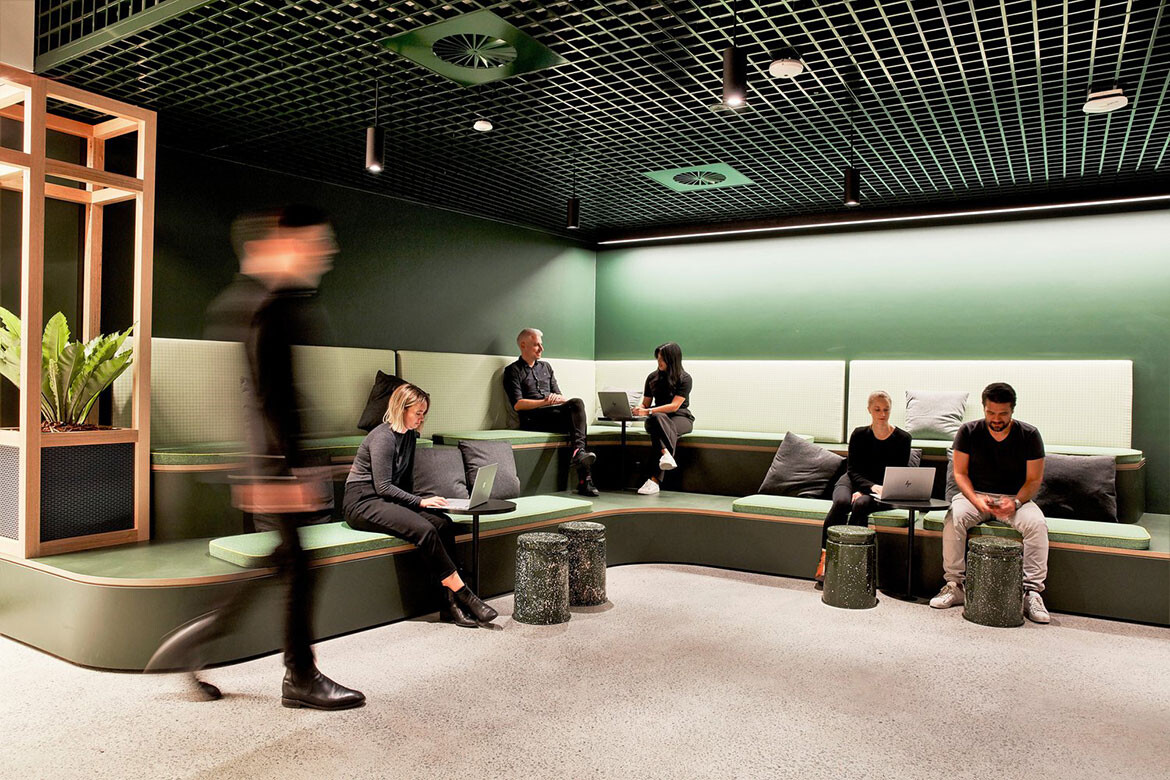
March 3rd, 2026
As organisations enter 2026, the familiar workplace triad of people, place and process is no longer a stable framework. Hybrid work, shifting expectations and rapid technological change have fundamentally altered how work is experienced and where value is created. The workplace is evolving from a fixed destination into a dynamic system, one shaped by behaviour, culture and digital intelligence. In response, four design priorities are emerging that will define the next generation of workplaces.
1. Design for choice, not control
The workforce is no longer a passive user of space. Employees expect autonomy, flexibility and environments that adapt to individual needs. Leading workplaces move beyond prescriptive layouts and efficiency-driven planning, offering a diversity of settings that support focus, collaboration, wellbeing and personal preference. Space is no longer something people simply occupy – it is something they actively shape through behaviour, trust and purpose.
2. Reposition the office as a platform for connection
In 2026, the office is measured by intention, not attendance. With hybrid work now embedded, workplaces must operate as adaptable systems rather than fixed solutions. The most successful environments prioritise connection, creativity and learning, the moments we know benefit most from being together. Davenport Campbell’s Future of Work research with UNSW shows that spaces designed for adaptability and social exchange directly enhance engagement, innovation and collaboration, reinforcing the importance of designing around real patterns of work.
3. Make culture a spatial experience
Culture is no longer something declared on walls; it’s lived, spatially reinforced and socially enabled. As organisations stretch across physical and digital environments, workplaces must actively support trust, inclusivity and belonging. Employees increasingly experience culture through everyday interactions, the rhythm of the office, and the ease with which space and tools support their work. In this context, culture becomes a deliberate design outcome rather than an abstract aspiration.
4. Use technology to amplify human potential
Technology has moved from supporting the workplace to actively shaping how work happens. In 2026, AI-driven insights, smart environments and digital collaboration platforms will increasingly influence behaviour in real time, so that workplaces can respond to how people actually work rather than how they are expected to.
Related: Sydney Fish Market podcast
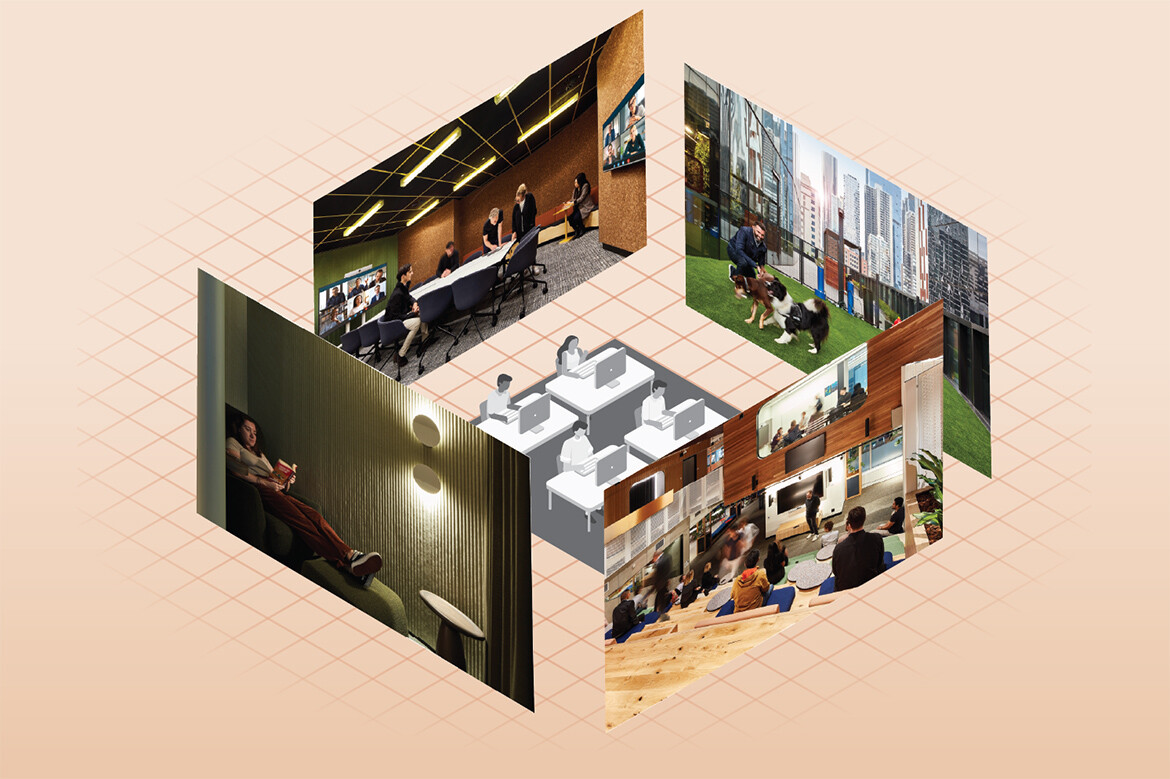
For example, live workplace dashboards will add a layer of behavioural insight, revealing where spontaneous collaboration is emerging and where quiet focus zones are under-utilised. People gravitate toward energy, not instructions. By making activity patterns visible in real time, technology can help subtly guide people toward spaces that best support their intent
Together, these four priorities reflect a fundamental shift in workplace thinking. They recognise that the future of work is not defined by space alone, but by purpose, how people feel, connect and perform across physical and digital environments. While workplace design has always been people-focused, the challenge for 2026 and beyond is designing for adaptation rather than optimisation.
The most successful workplaces will be those conceived as living systems, responsive to behaviour, informed by data and capable of evolving as organisational needs change. Beyond the office, workplace design becomes a key driver for the new mantra of Purpose, Presence and Performance so that organisations and their people can continuously reshape how work happens and succeed in a world that refuses to stand still.
Davenport Campbell
davenport-campbell.com.au
INDESIGN is on instagram
Follow @indesignlive
A searchable and comprehensive guide for specifying leading products and their suppliers
Keep up to date with the latest and greatest from our industry BFF's!
The internet never sleeps! Here's the stuff you might have missed