The home of architecture and design in the Asia-Pacific
Get the latest design news direct to your inbox!

Get the latest design news direct to your inbox!
The commercial sphere is shifting under our feet. So how can workplaces be designed for long-term relevance? HASSELL developed the RAW framework to address exactly that.
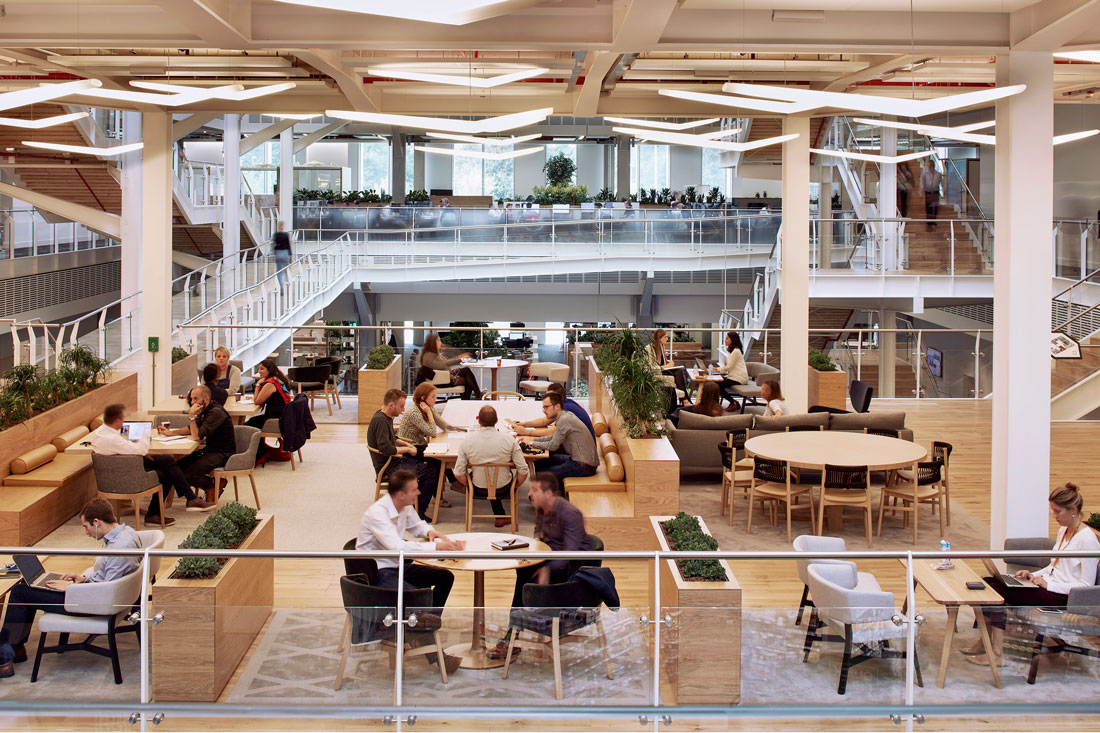
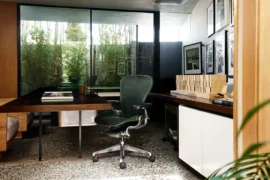
The office of Sky Central in London, designed by HASSELL. Photo by Mark Cocksedge
July 31st, 2017
We have no shortage of data these days. The challenge is knowing how to make the best use of it. For businesses, which are now able to gather a vast amount of information about how their staff interact and use workspaces, a key concern is improving performance.
“We need to understand what work is going to be in the future,” said Dr Agustin Chevez, HASSELL Senior Researcher from the firm’s Melbourne office at a seminar in Singapore earlier this month. He and Mark Bray, HASSELL’s Head of Knowledge and Sustainability (also based in Melbourne) were speaking at an intimate event at The Working Capitol (Robinson Road) where they introduced HASSELL’s new RAW Framework – a tool for developing Responsive Agile Workplaces.
“Technology is having a very important role in shaping the work environment. The way work is evolving, and attributes such as human creativity, are being challenged by AI. So today, we see the necessity of creating environments that nurture people,” said Chevez. “We believe the office is going to evolve from the place where you go to do work, to more of a social stage that communicates and supports the necessary social cues for you to do the job,” he added.
Through partnership with social network analysis consultant Optimice, HASSELL has previously studied social connections within its clients’ workplaces, mapping the various connections. But while this kind of analysis has provided a useful lens for how a workplace can be designed to optimise today’s needs and patterns, designers are still left to anticipate behaviours and commit to assumptions about how spaces will be used in the future. “We want to talk about flexibility,” said Chevez, “but at the end of the day we need to commit to a solution.”
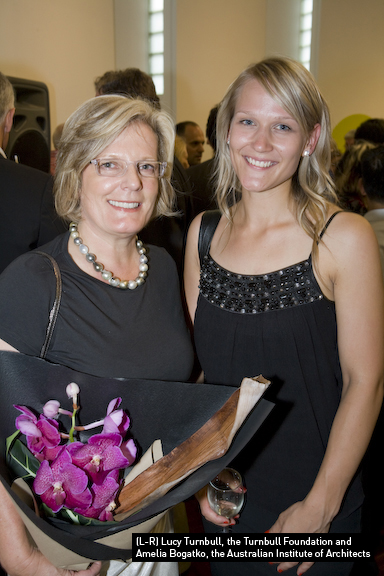
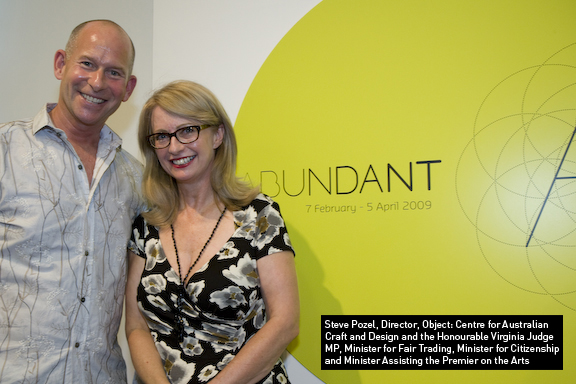

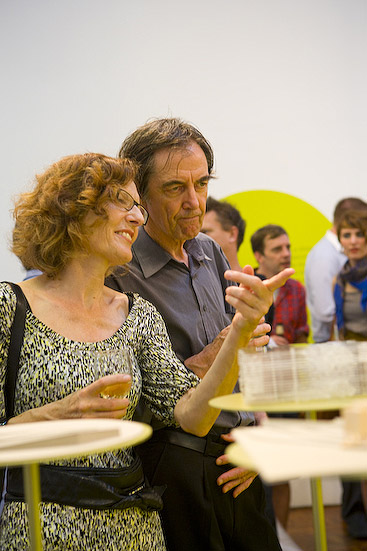
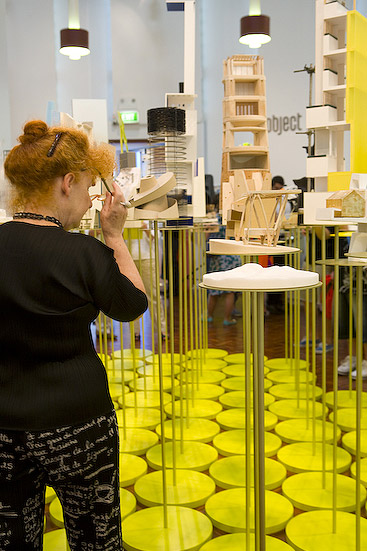
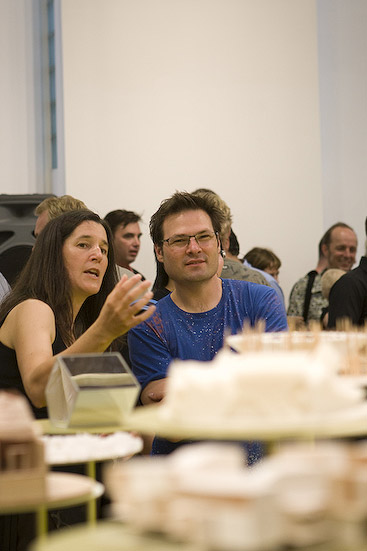
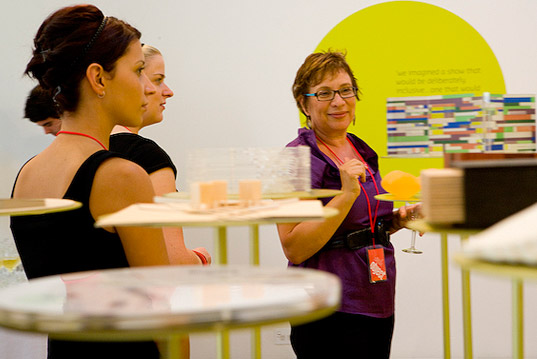
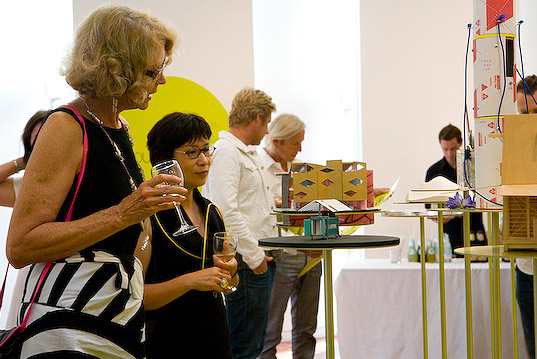
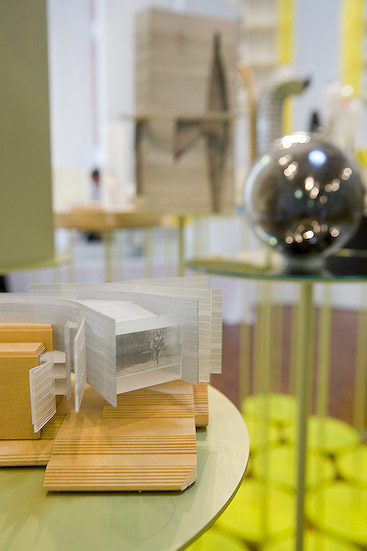

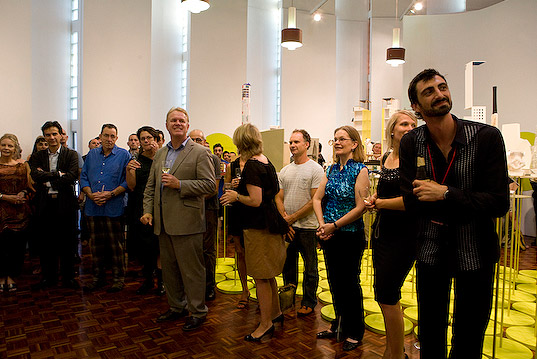

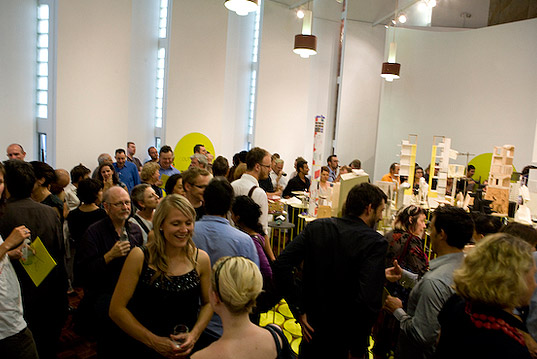
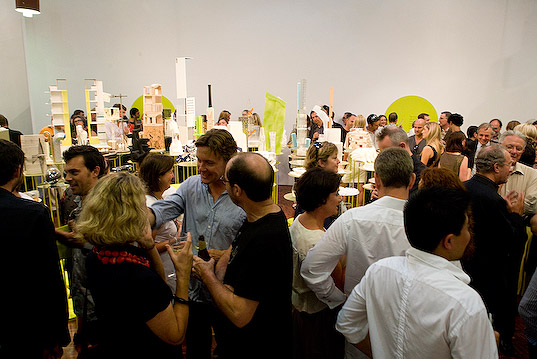
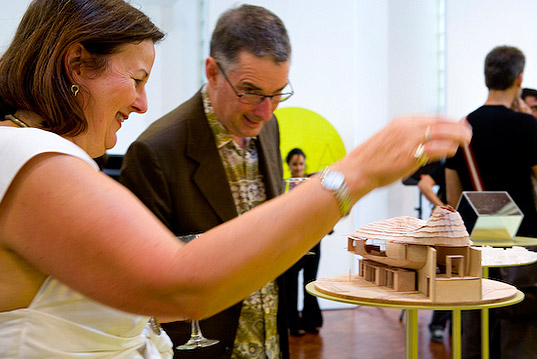
The starting point for the development of RAW was the need for both organic and structured solutions. Post-occupancy evaluations can sometimes function only as a scorecard, noted Chevez, with limited opportunity arising to actually incorporate the learning they provide back into a completed design. RAW was developed to extend the role of design after occupancy.
The RAW framework identifies ‘checkpoints’ during the design phase – points to monitor and options for how a completed design can be fine-tuned in accordance with how it is used. “Is the environment performing as expected? Is it keeping up with the evolution of the organisation? Even if we deliver the best possible building at occupancy, the context of the building is going to change – the demographics, the economic context and so on will change. So how can we ensure that a building designed now is still going to be relevant in five years’ time? That’s what we call a Responsive Agile Workplace.”
Explained Bray, “With RAW, we can link KPIs back to design. RAW is about looking at why people love a workplace and giving that endurance through the lifecycle of the workplace.”
INDESIGN is on instagram
Follow @indesignlive
A searchable and comprehensive guide for specifying leading products and their suppliers
Keep up to date with the latest and greatest from our industry BFF's!
The internet never sleeps! Here's the stuff you might have missed