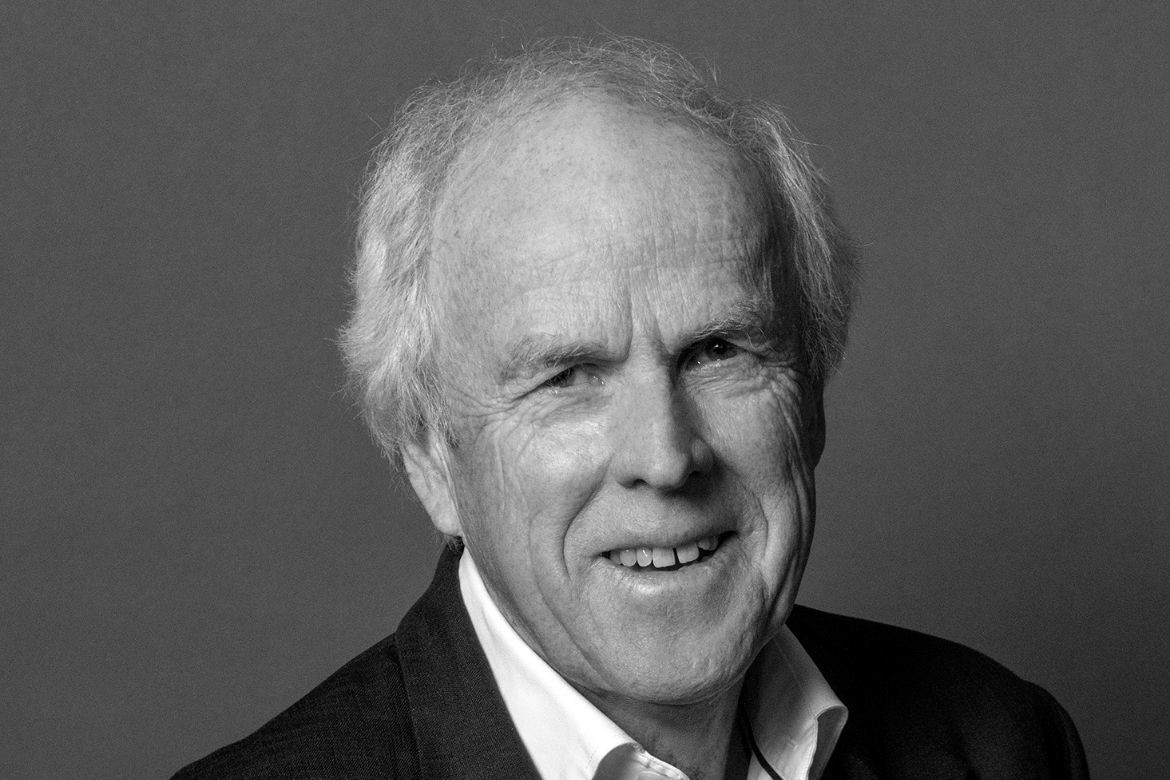
“Without a strong design culture, practices simply can’t retain young talent – those who are hungry to learn, debate and be challenged,” states Dale Swan. And he should know. After all, Swan spent over 30 years as a design director at Ancher, Mortlock and Woolley (a practice headed up by three Australian Institute of Architects’ Gold Medallists).
Swan describes the design culture of that firm, founded in the 1940s, as magnetic: “It was breathtaking to see the long line of young, talented architects who wanted to work there. They were attracted by the energy in that studio, a collective attitude that was endlessly inquisitive… nothing ever felt static.” Swan credits the leadership of Syd Ancher, Bryce Mortlock and Ken Woolley (individually and collectively) with cultivating that dynamic studio environment and, ultimately, evolving its design culture.
Related: Alex Wessling of HDR comments on the wellness-driven city

What is design culture?
“Let’s be clear, design culture is not a commodity that can be simply, or easily, obtained,” Swan explains. “It must be developed and evolved over time by the right leaders and the right recipients.” Moreover, he believes it’s an intangible thing – a ‘collective attitude’ where curious minds collaborate and challenge one another via rigorous, ongoing critique and review.
“It’s a desire and a willingness to go further, in order to take an idea to the next level.” According to Swan, design culture fosters a willingness to arrive at a design solution while being prepared to take an extra ‘creative leap’ to make it even better.
The pandemic’s lingering legacy
According to Swan, some hybrid (studio/work-from-home) arrangements are now negatively impacting design culture: “Call me old fashioned but I just don’t see how an architectural studio can function without people always being together and having that lively atmosphere where they interact, see one another’s work and give feedback.”
Swan fears a reluctance to display drawings, and informally exhibit work within the studio, as also problematic. “You should be able to walk into any studio and see drawings pinned up – when you’re waiting for drawings to appear on a monitor, you simply don’t feel part of the creative process.” He concedes that may be a controversial viewpoint but worries the ‘finality’ of computer-generated images stymies the creative rigour that strengthens design culture.

New Zealand firm looks offshore to strengthen design culture
Medium-density housing specialists, Solari Architects, is one firm prioritising design culture. Director James Solari recently headed over the ditch for site visits across New South Wales and Queensland. According to Solari, engaging with other architects’ work is essential to growing one’s own design culture.
“I felt so incredibly energised and inspired by the buildings, precincts and developments I explored,” Solari says. “I returned home with a real hunger to translate those learnings into new ways to shape New Zealand’s urban design – but also, a renewed confidence that anything really is possible!”
Inside the Solari studio, a vibrant design culture is always at play. James says an open-plan design is key. “Everyone is encouraged to move around and interact,” he says. “Our team is made up of people who range in age and experience, so we are constantly learning from each other.” Solari is adamant: “Sharing creates opportunities for growth.”
Third-party critiques (from experts outside one’s own practice) are also embraced at Solari. Recently, Solari engaged Dale Swan to critique and review some of the practice’s work-in-progress. “Dale has an incredible breadth of experience so he’s well equipped to critique a project from a variety of perspectives.”
Constructive criticism, positivity and robust discussions were hallmarks of Swan’s and Solari’s interactions. “Some people fear the process of critique and review, but the key to its success is finding the right mentor – someone who is both informed and respectful.”
This comment piece on behalf of Dale Swan is courtesy of Lindy Johnson.
Conrad Gargett
conradgargett.com.au
Solari Architects
solariarchitects.com
We think you might also like this comment piece by Candice Bradley of Carr.