The home of architecture and design in the Asia-Pacific
Get the latest design news direct to your inbox!

Get the latest design news direct to your inbox!
Zenith introduces Kissen Create, a modular system of mobile walls designed to keep pace with the realities of contemporary work.

January 28th, 2026
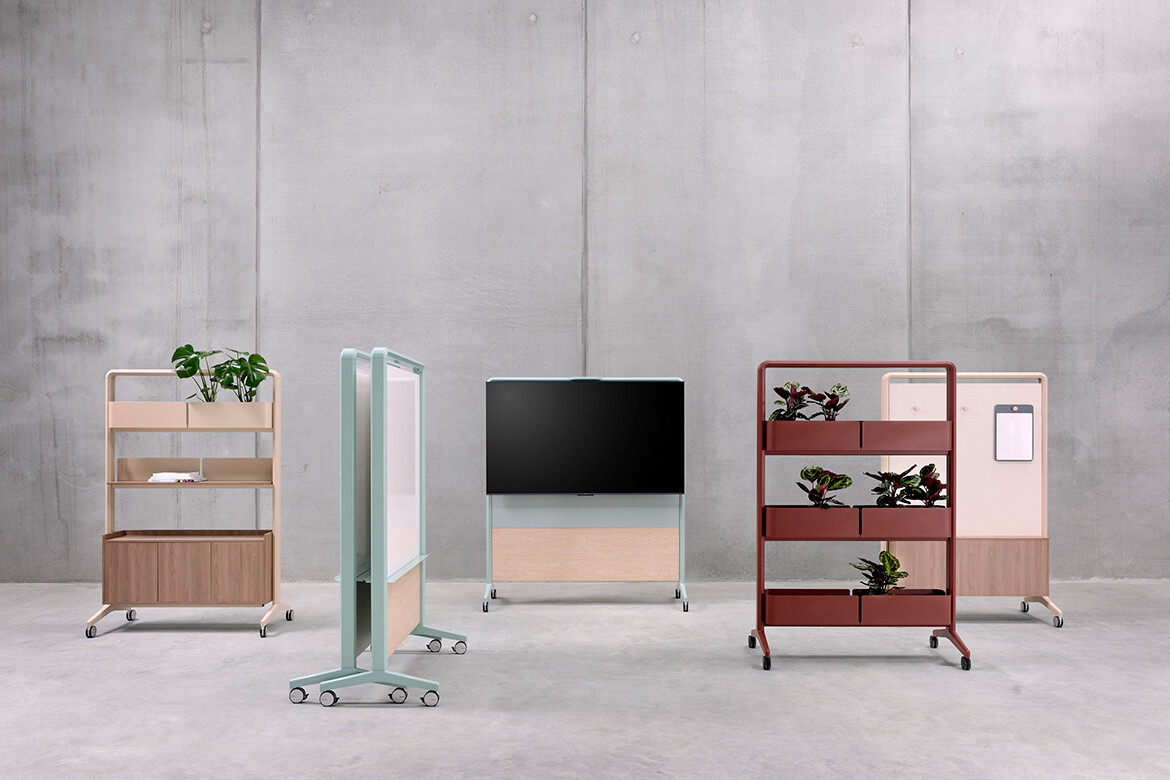
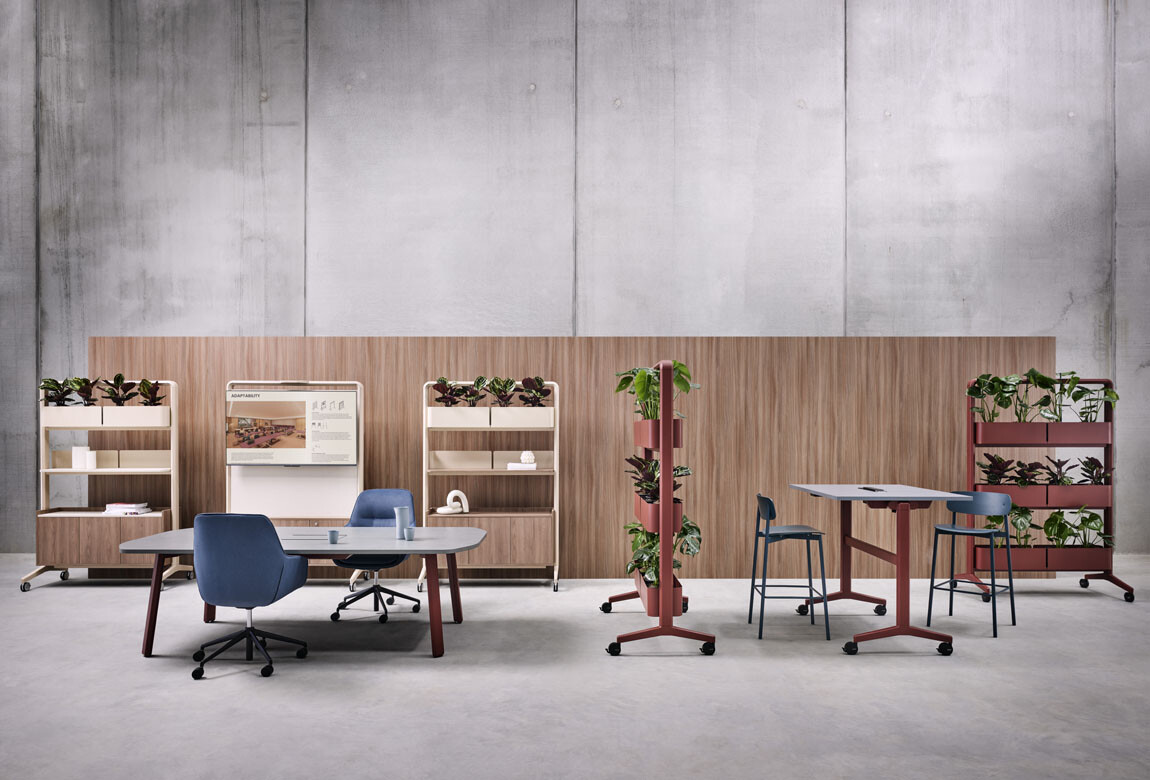
Zenith introduces Kissen Create, a modular system of mobile walls designed to keep pace with the realities of contemporary work. The market is now defined by hybrid models, denser floorplates and the constantly shifting modes of collaboration – Kissen Create is a response to these shifting commercial needs. Ultimately, it solves an ever-present conundrum for interior designers: how to design spaces that can change without reworking the fit-out every time work patterns evolve.
At its core, Kissen Create is a collection of moveable, vertical elements that divide, define and activate space on demand. Rather than operating as static partitions, the system behaves as a toolkit: walls that hold whiteboards, pinboards, shelving, planters and digital displays, or act as privacy screens, presentation surfaces or informal room dividers. For workplace designers, it positions furniture not as a fixed outcome, but as an adaptable layer within the spatial strategy.
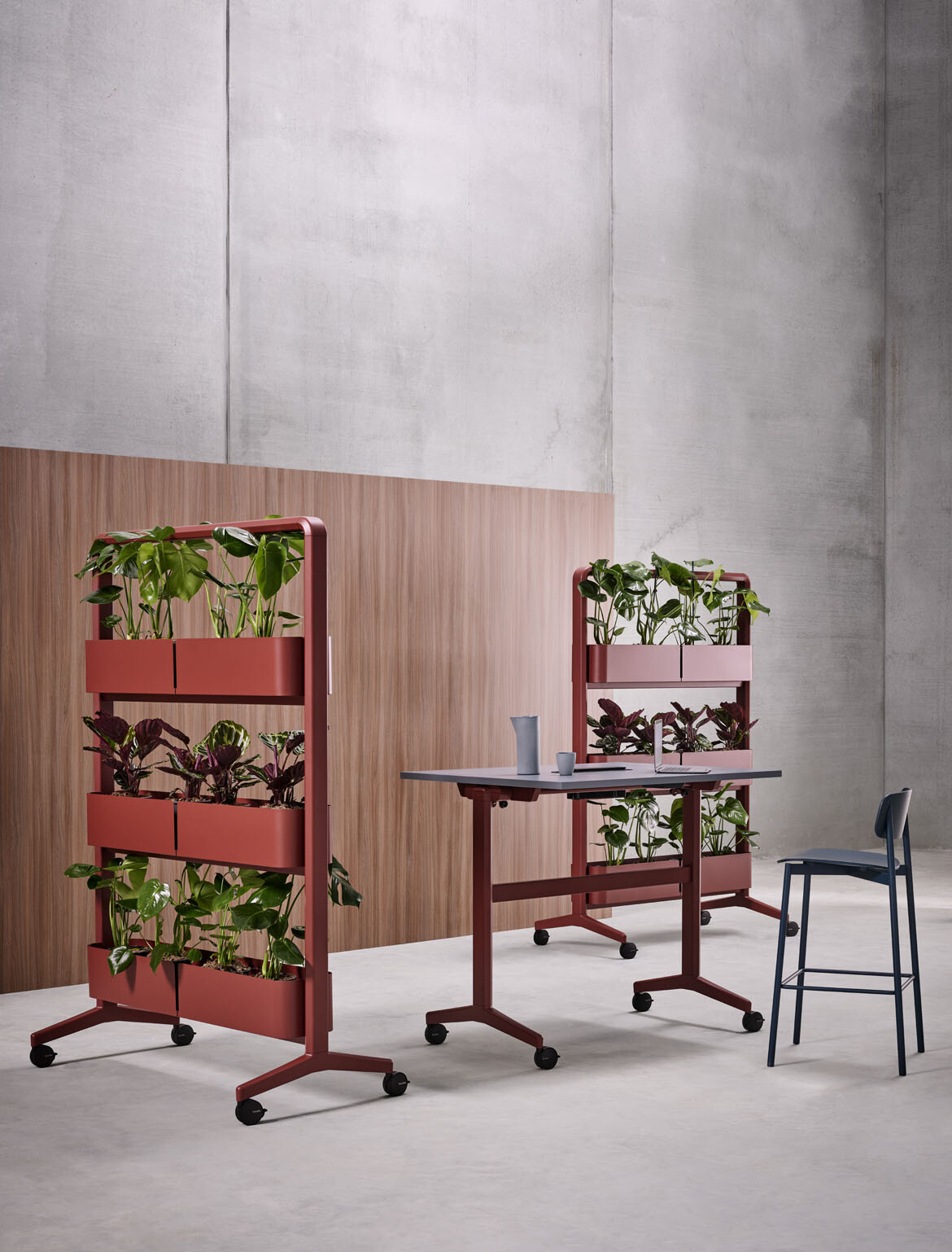
The concept grew out of Zenith’s established Kissen family of tables and workstations, extending the range’s visual and structural language up onto the vertical plane. Zenith’s starting point was user-centred and pragmatic. As open-plan offices compress and teams toggle between collaboration, focused work and virtual meetings, the need for fast, intuitive reconfiguration has become tantamount. Kissen Create is designed to be deployed in mere moments – clustered for privacy, aligned to form training zones, or dispersed to support individual tasks – all without specialist intervention.
The design development was driven by observation as much as intent. During prototyping, Zenith’s team noted that walls were rarely used purely as separators. They quickly became interaction points: a surface to sketch ideas, a screen for hybrid presentations, or a backdrop to soften acoustics and introduce greenery. This behaviour-led insight informs some of the key design details, including the option of castors for mobility alongside glides for stability. These flexible options allow designers to specify movement or permanence depending on the context.
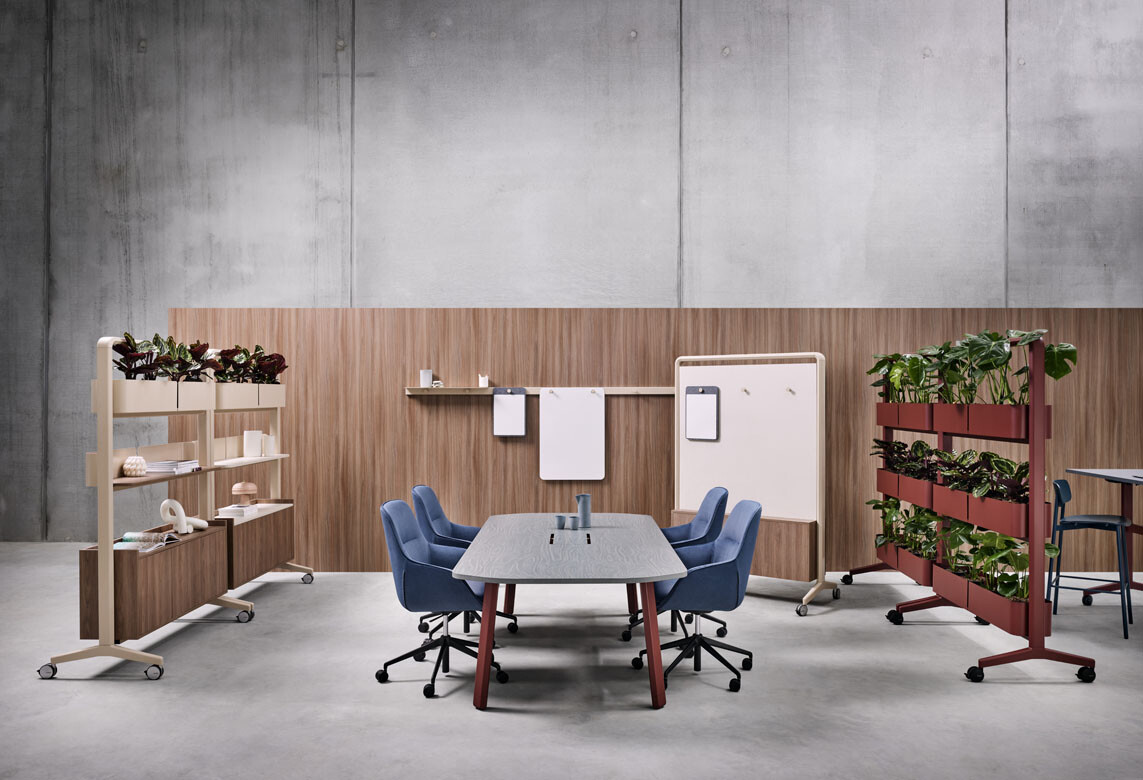
Technically, the system balances flexibility with control – panels are available in two sizes and support a mix of configurable elements, from writable surfaces and integrated screens to joinery and storage. The aesthetic form and materiality also aligns with the broader Kissen range, making it straightforward to specify as part of a cohesive furniture ecosystem rather than a one-off intervention. For architects and designers, this consistency reduces visual noise while maintaining that much-needed adaptability.
Kissen Create’s point of difference sits in its vertical integration. Where many workplace products solve for either furniture or partitioning, this system does both – all while accommodating technology and biophilic elements.
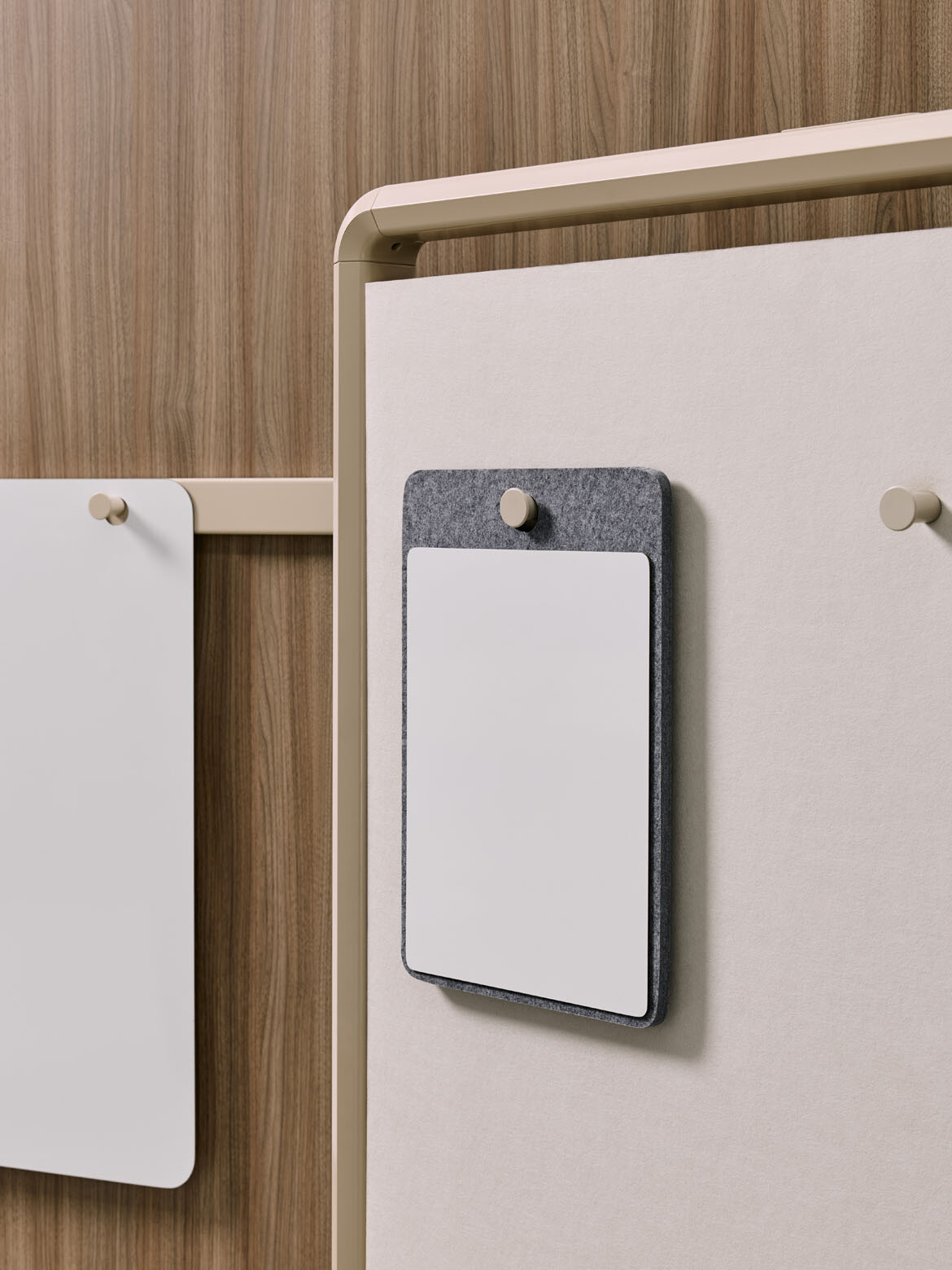
For specifiers, the value is practical as much as conceptual. The system offers adaptability, supporting endless reconfiguration as teams and tenancies change. At the same time, it elevates mobile partitions into intentional design elements – ones that can be cohesively integrated into the workplace narrative.
At a point where change is the only constant, Kissen Create positions adaptability as a design feature in its own right. It reframes furniture as infrastructure: responsive, multi-functional and aligned with how people actually work now.
Zenith
zenithinteriors.com
INDESIGN is on instagram
Follow @indesignlive
A searchable and comprehensive guide for specifying leading products and their suppliers
Keep up to date with the latest and greatest from our industry BFF's!
The internet never sleeps! Here's the stuff you might have missed