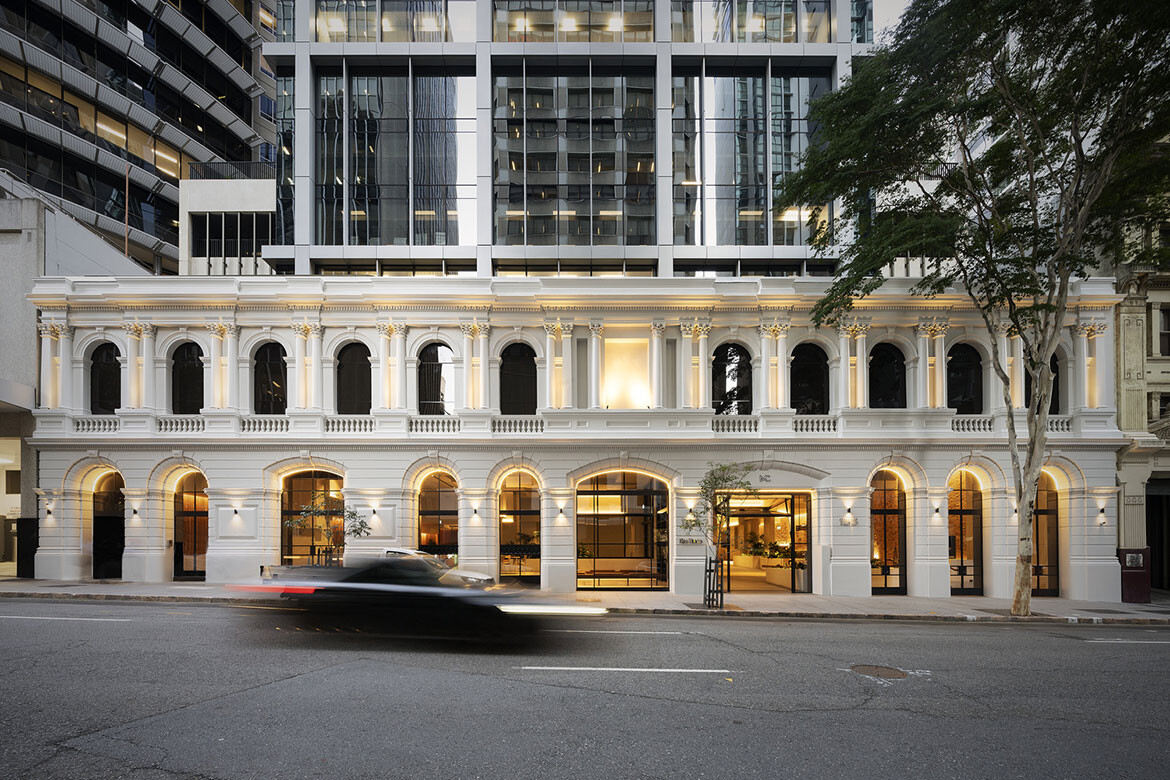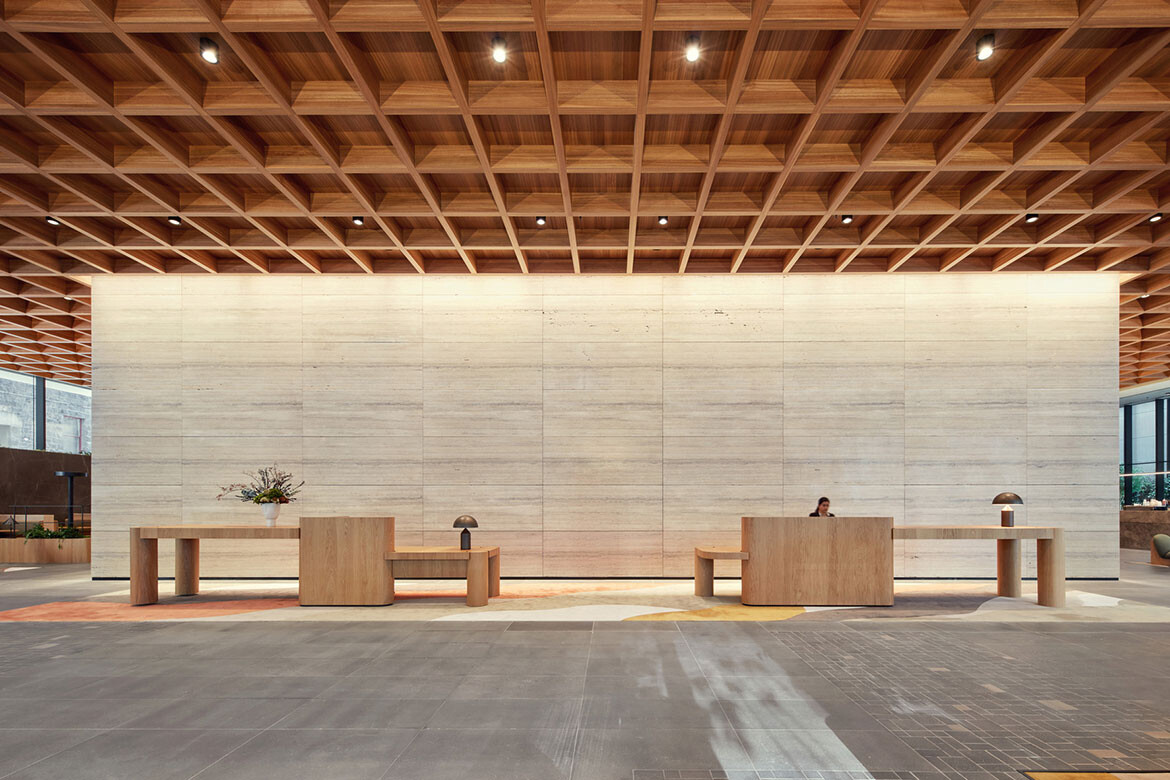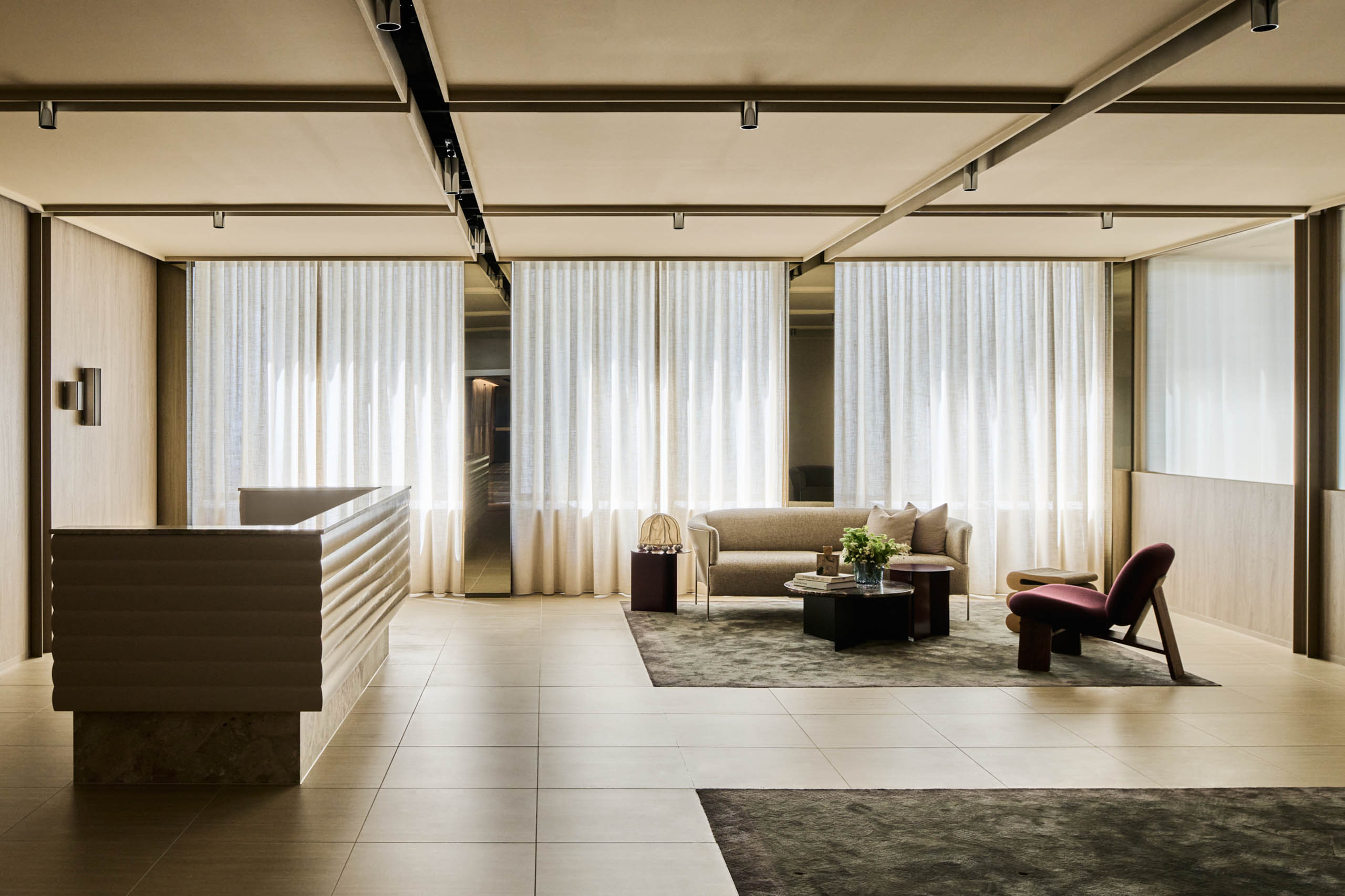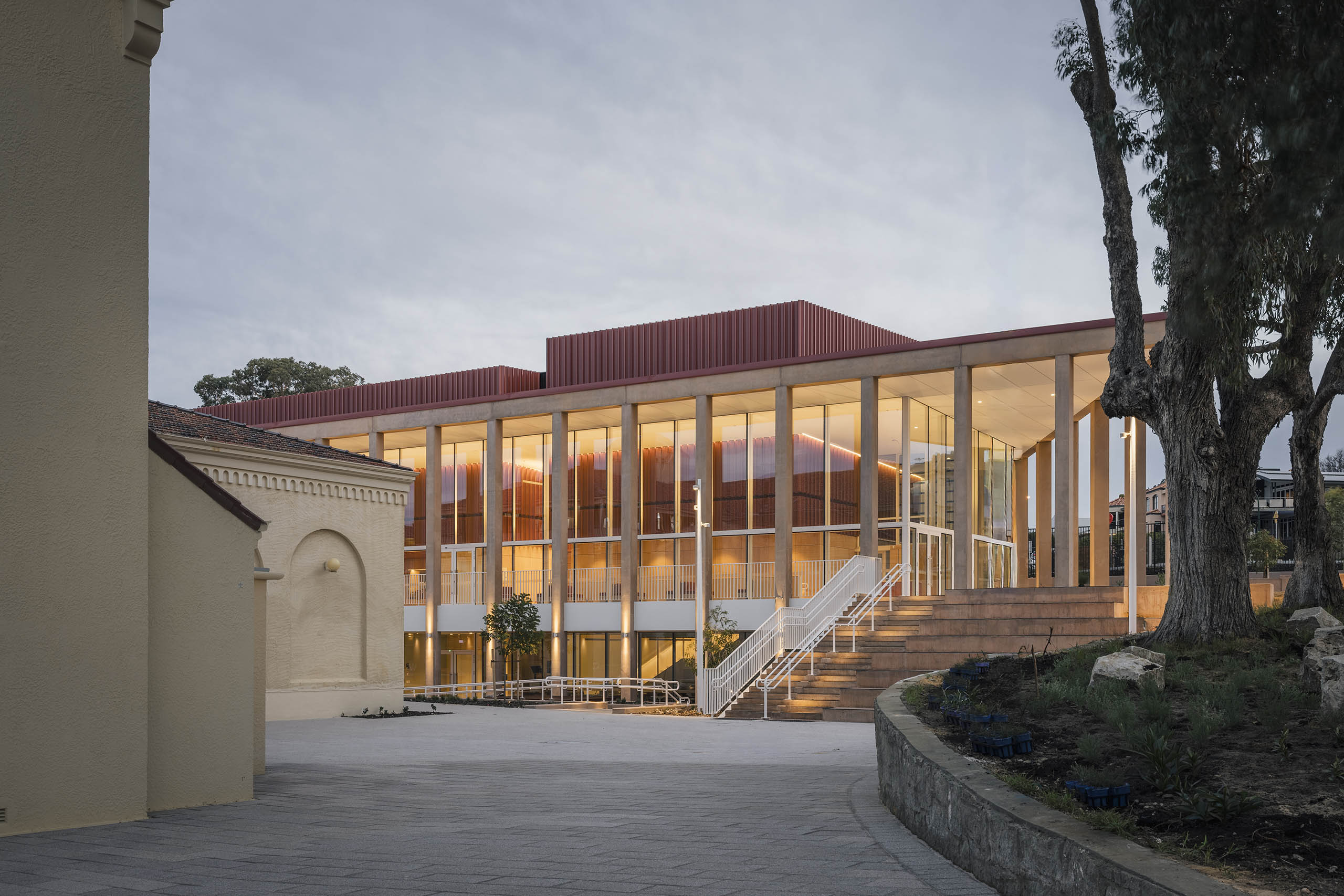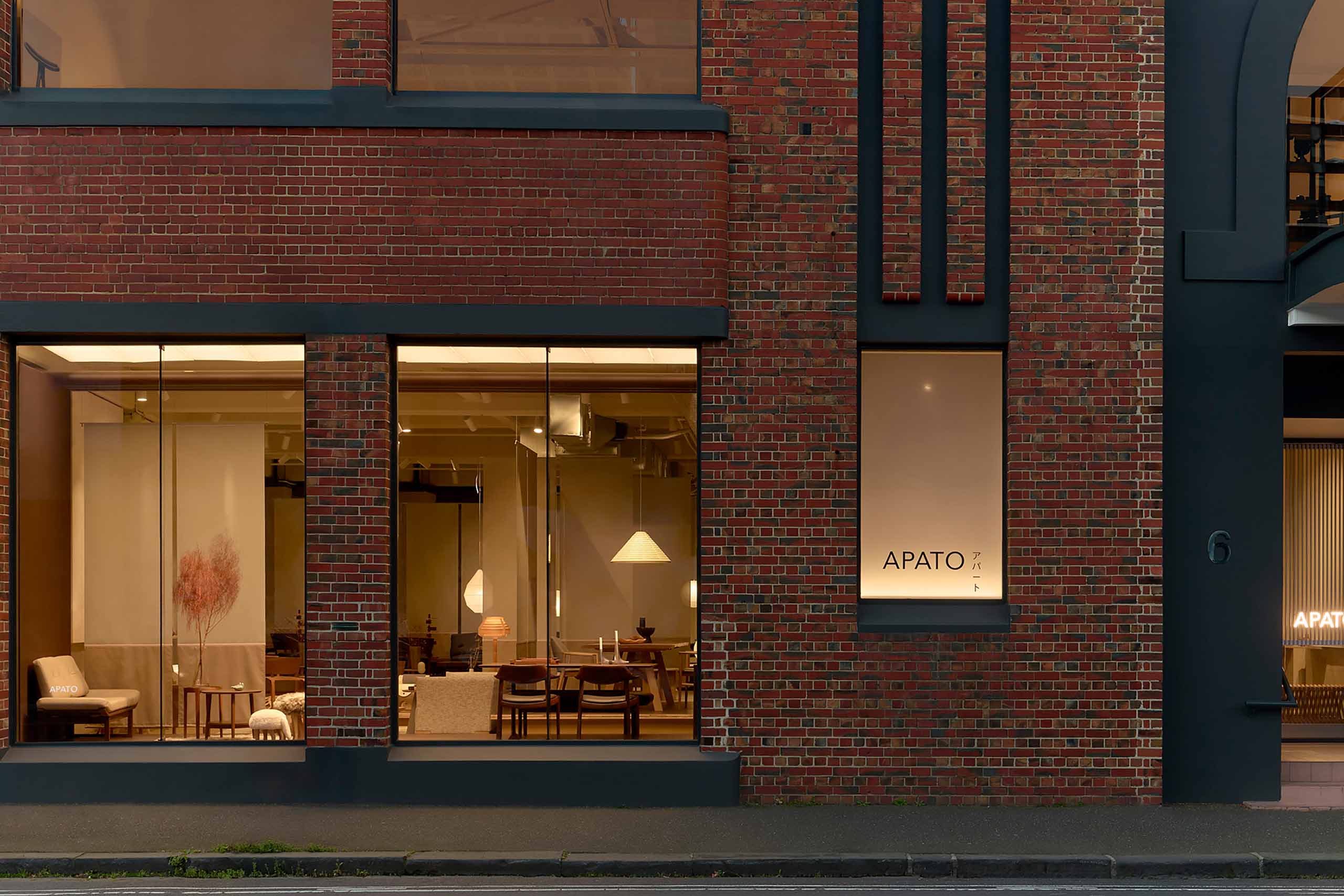
“Reuse is not just a design strategy; it’s a climate strategy,” says FK Partner and Head of Design, Nicky Drobis. It’s a sentiment that many architects and designers will agree with, but – with their recent research paper Adapt. Reuse. Return. – FK is attempting to take things a step further.
“From our perspective as designers, this type of exercise really takes it from a conversation around opinion to something which is evidence-based – and that’s a bit of game-changer,” notes Drobis. She’s referring to the rigour behind the practice’s report, which began with the commissioning of a poll by Ipsos. 1,000 office workers across Sydney, Melbourne and Brisbane were surveyed in order to better understand what employees value most and how repurposing can respond to these expectations and desires.
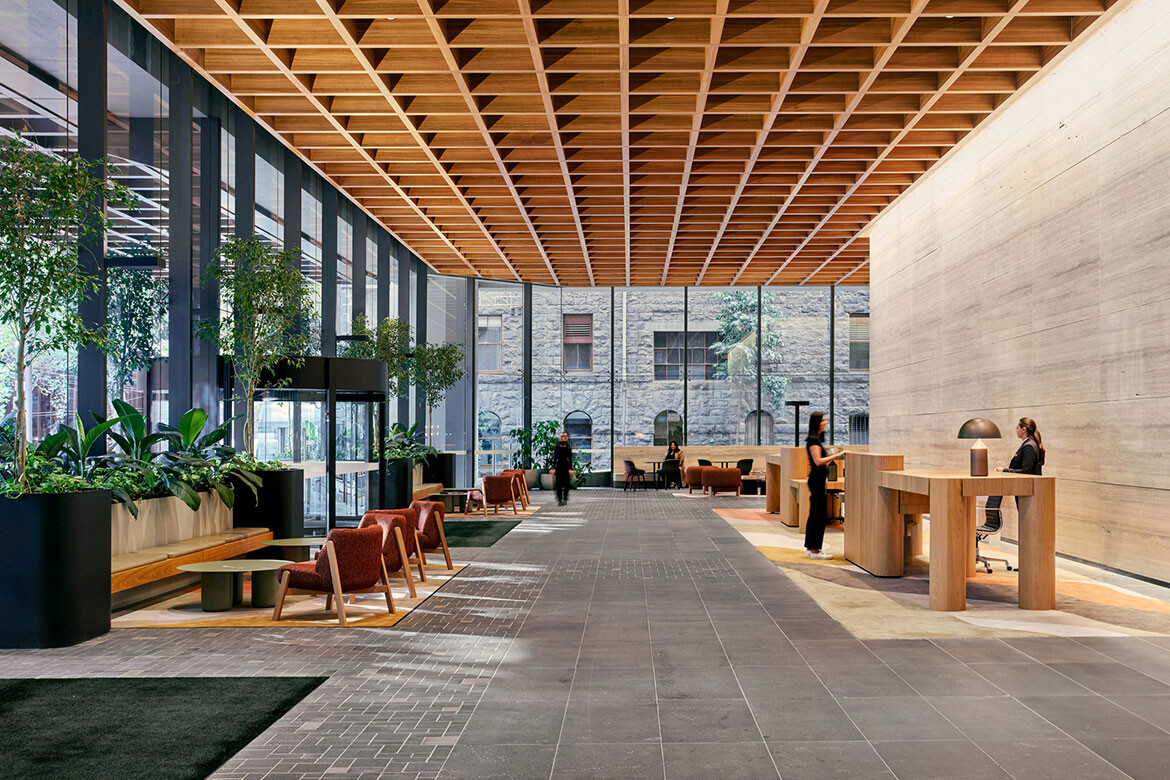
The headline findings are perhaps twofold. First, there’s a strong preference among workers for adaptively repurposed workplaces – of those surveyed here, 40 per cent expressed such a preference. Second, however, there remains an ‘awareness gap’ in terms of understanding the concept of adaptive reuse. Taken together, it seems like good news that might translate into even better news: the more employees know about reuse, the more they want it.
“I think [the results] were encouraging rather than surprising,” explains Drobis. “What stood out for us is that the preference increase is significant among ESG-conscious workers out there. And our society is changing – just generally, we have more awareness around climate crisis and embodied carbon emissions. So, once people are educated and that information is there, they are choosing – not surprisingly – what is ultimately best for the environment.”
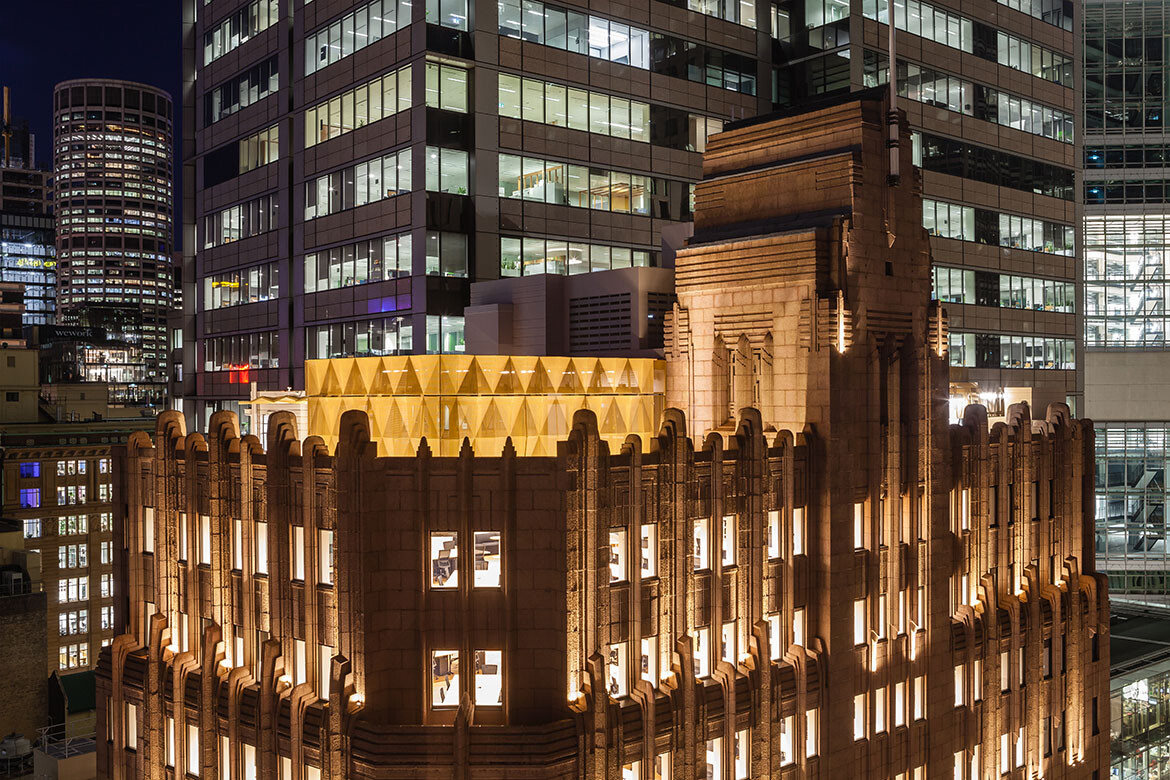
The awareness part of the puzzle is multifaceted. Drobis alludes to several different layers, all the while emphasising the importance of storytelling – whether it’s among clients and businesses, governmental bodies or indeed designers themselves.
“Another key part of this is demonstrating the premium amenity and wellness outcomes in reality – that is, people physically experiencing these spaces and understanding what they were before. One of my slight bugbears is that when such remarkable projects are complete, a lot of the people actually using them are not aware of their previous life. How do we tell the story, actually within the building, of its previous life? I think we need to do better,” she says.
Related: Matthias Irger from COX on net-zero
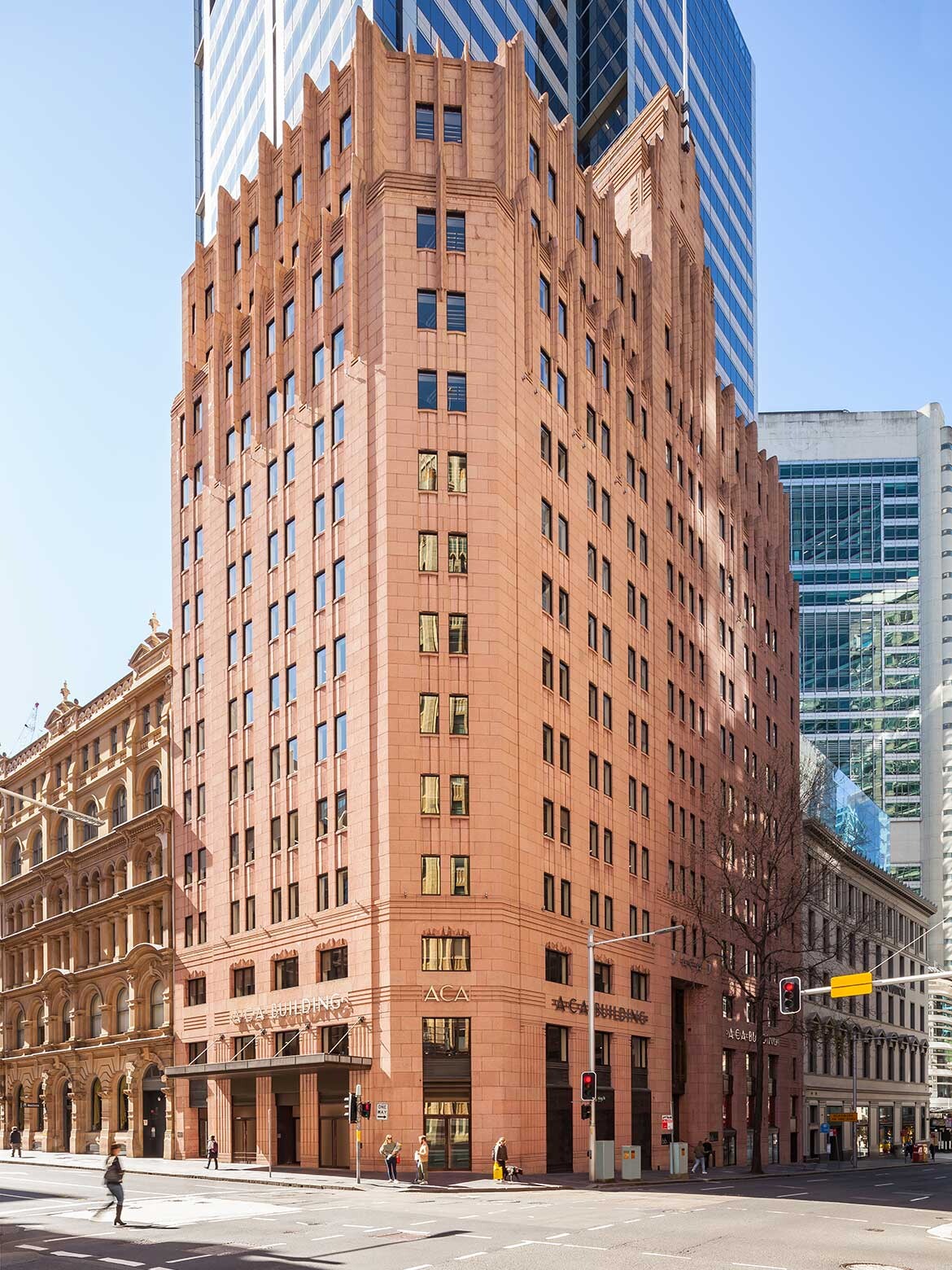
As technologies and strategies such as CLT and design for disassembly continue to evolve, the growing prevalence of and demand for adaptive reuse in our major cities is likely to intensify. Meanwhile, the report findings as a whole shouldn’t be separated from a post-Covid context in which office tenancies remain relatively low and employees are looking for reasons to bring them to a physical workplace rather than work from home.
“We don’t have to choose between sustainability and quality; we can have both,” Drobis concludes. “Reimagining our existing buildings is one of the most powerful ways to reduce carbon emissions while creating workplaces that people actually want to return to.”
Download the full report here.