The home of architecture and design in the Asia-Pacific
Get the latest design news direct to your inbox!

Get the latest design news direct to your inbox!
Designing for movement is not just about mechanics and aesthetics, it is about creating spaces that move with us, support wellbeing, and integrate responsible material choices.
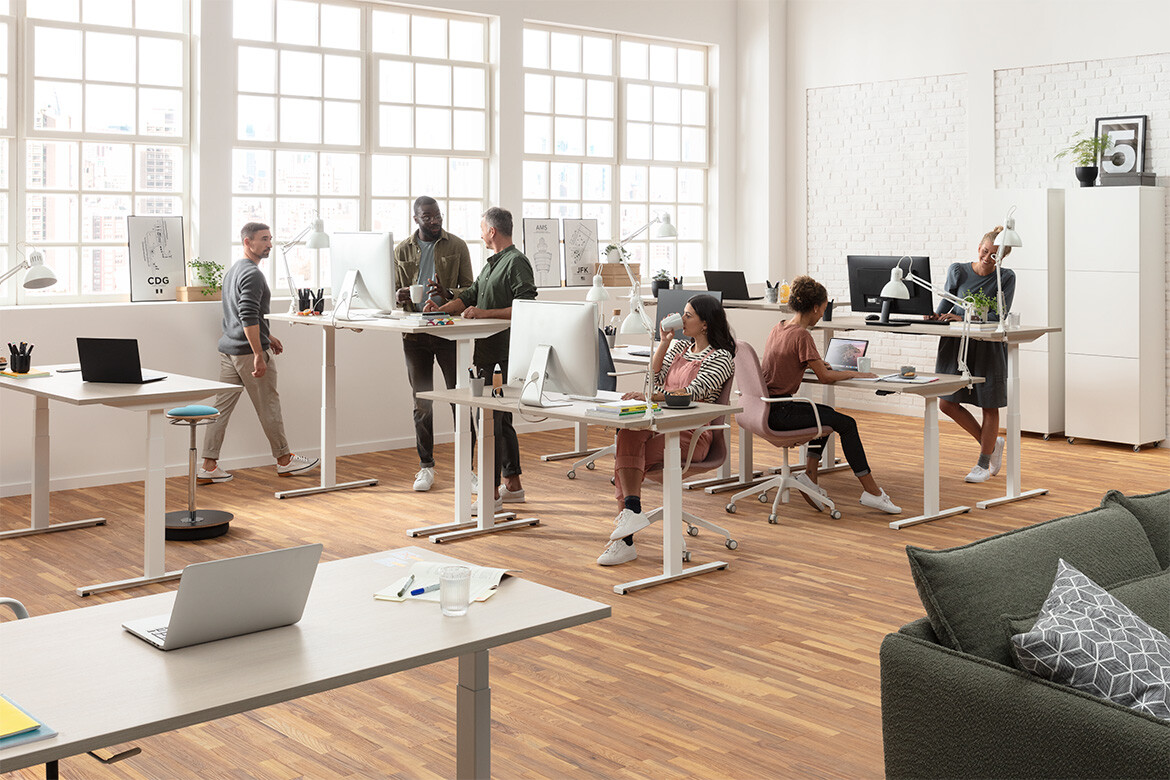
February 1st, 2026
For architects and designers, this means specifying solutions that combine elegance with purpose.
Enter the world of LINAK, a component manufacturer that has contributed to ergonomic solutions, blending Scandinavian design principles with cutting-edge technology for nearly five decades. With the launch of the EXPERIENCE™ lifting column range, LINAK is introducing new options for architects and designers seeking height-adjustable desk systems.
From Denmark to the world: A legacy of movement
The story of LINAK began in Denmark in 1976, when founder Bent Jensen introduced a simple idea: to improve lives through movement. Bent Jensen’s vision initiated a journey that would influence how people interact with their environments. And that ethos remains central to the approach at LINAK today.
By the late 1990s, LINAK introduced our first electric sit-stand desk system, a breakthrough that helped shape a global trend in workplace ergonomics. Suddenly, the static office was a thing of the past, as designers and manufacturers embraced the freedom to create dynamic spaces that prioritised ergonomics and productivity.
Today, LINAK is a global leader and is recognised as a trusted partner for architects and furniture manufacturers worldwide, delivering actuator solutions and lifting columns that combine Scandinavian clarity, functionality, and a responsible approach with sustainable practices and advanced engineering.
Designing for designers
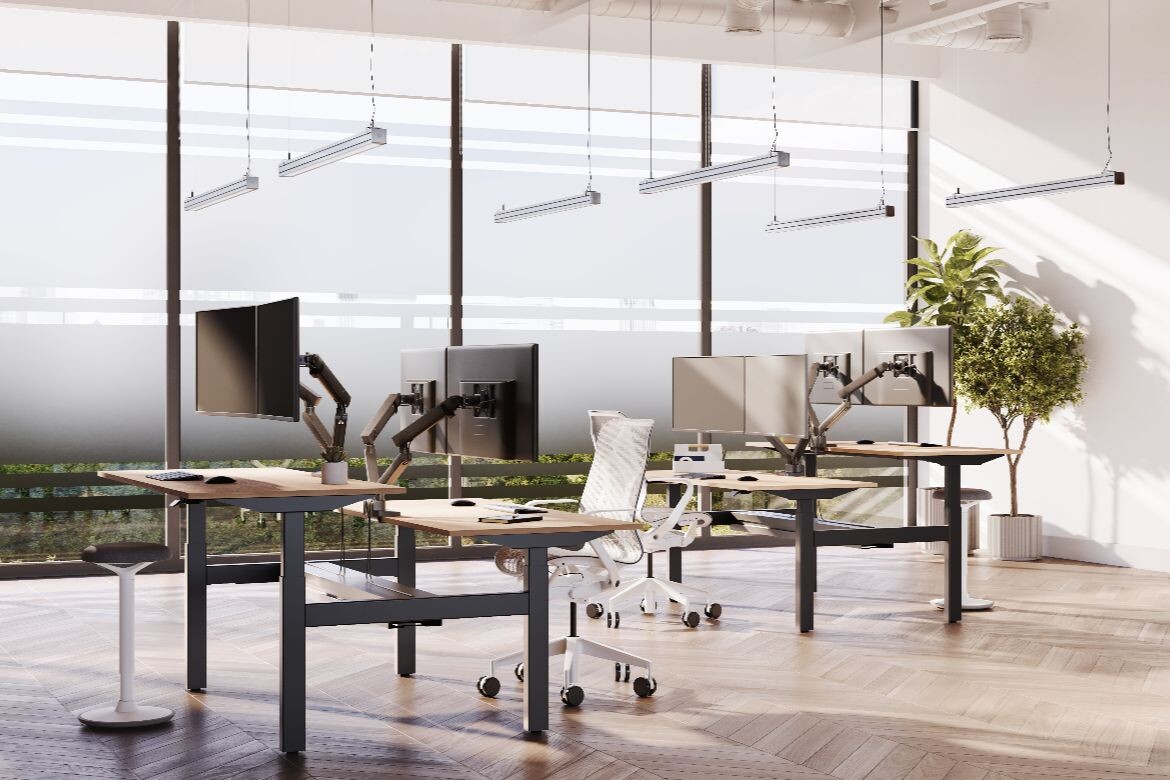
Height-adjustable desks are now standard in contemporary workspaces, but LINAK takes the concept further by integrating ergonomic performance with energy efficiency and responsible material choices.
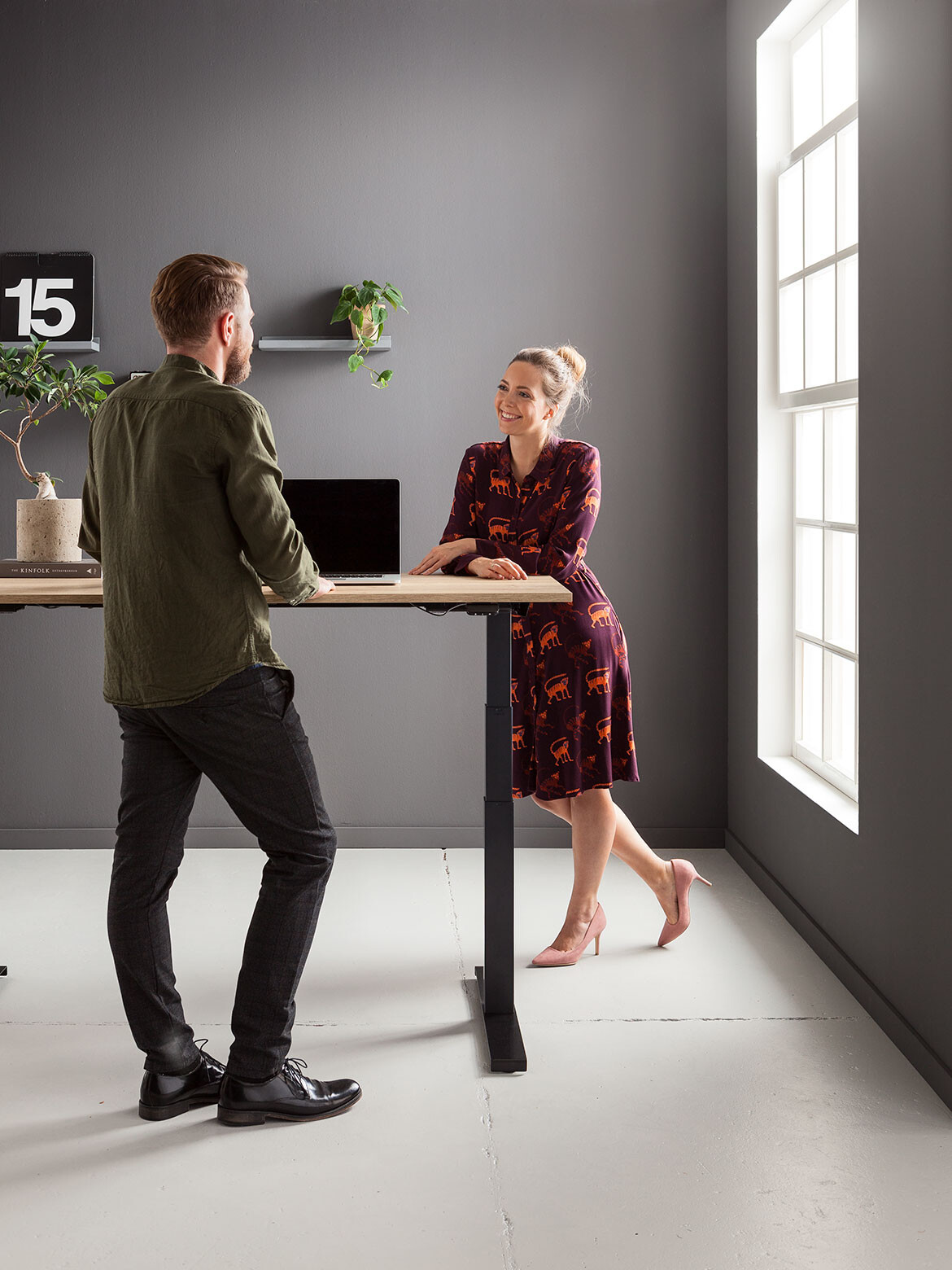
The new EXPERIENCE™ range reflects this philosophy, staying true to proven design principles. With minimalist square profiles, hidden gliding pads, and clean lines, these columns integrate seamlessly into diverse design languages, supporting high standards in functionality and aesthetics.
“As the next-generation platform in our portfolio, the EXPERIENCE™ range represents a new approach to column design. Designed not to take centre stage, the range is quiet, reliable, and engineered to blend seamlessly into the architect’s vision, acting as the unobtrusive backbone that enables designers to create robust solutions,” says Nicki Pedersen, Product Manager Innovation & Design, DESKLINE, LINAK A/S.
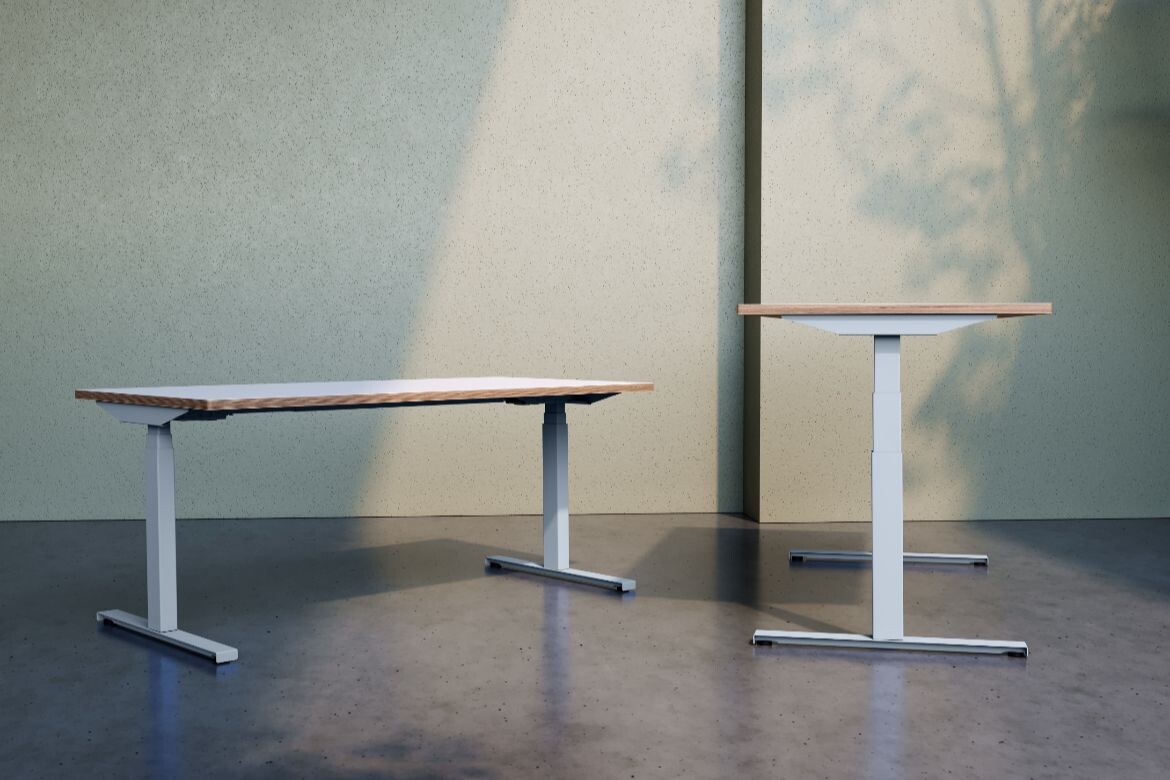
Behind the refined exterior of EXPERIENCE™ lies robust performance:
These product features give architects and designers the freedom to create without compromise.
“Our mission has always been to improve life through design and technology. And with EXPERIENCE™, we aim to set new standards for performance and integrate environmental considerations, backed by PFAS-free materials and energy-efficient design,” continues Nicki Pedersen.
Sustainability at LINAK
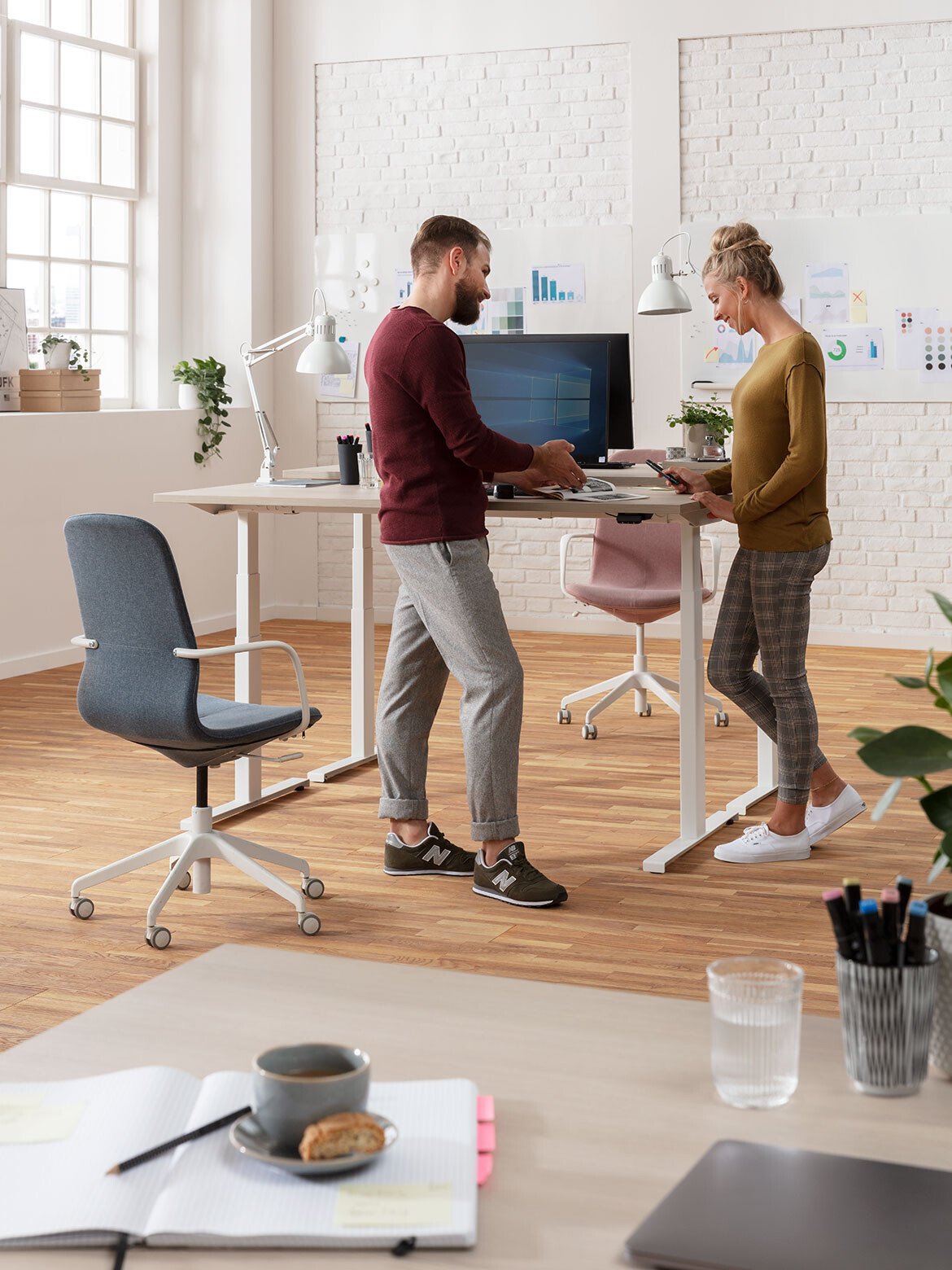
At LINAK, environmental sustainability is an important consideration in product development. Over the years, LINAK has introduced initiatives to reduce environmental impact, including PVC‑free products such as cables, columns, and actuators, as well as energy‑efficient systems with ZERO™ standby power. With EXPERIENCE™, LINAK takes another step forward.
The EXPERIENCE™ range is PFAS‑ and PVC‑free, removing substances identified as persistent in the environment and aligning with recognised chemical safety standards. This gives architects and designers the option to specify solutions to meet material safety requirements and reduce environmental impact.
“The shift to PFAS‑free office furniture is not just a trend; it reflects an important step towards reducing environmental impact,” says Patrick Ramsden, Managing Director of LINAK Australia. “We are committed to driving this change by offering height‑adjustable solutions designed with PFAS‑ and PVC‑free materials and improved energy efficiency.”
Beyond materials, EXPERIENCE™ is designed to improve energy efficiency, reduce operational power consumption by around 30%, and meet EU Ecolabel compliance requirements. Over the product lifetime, this helps lower energy use and associated CO₂ emissions.
These product-level innovations reflect LINAK ESG commitments:
For architects and designers, this means specifying solutions that combine aesthetics with features that support environmental responsibility, demonstrating how design can incorporate environmental considerations.
“Removing PFAS and PVC was a technical challenge”, Nicki Pedersen elaborates. “It required rethinking materials and processes to meet stricter chemical safety standards and deliver products designed to reduce environmental impact.”
Why it matters to architects and designers
The design industry is at an important transition point. With the building industry responsible for nearly 40% of global carbon emissions, architects and designers are expected to specify products that combine performance with reduced environmental impact. EXPERIENCE™ is developed to help support Original Equipment Manufacturers (OEMs) and specifiers in meeting these environmental requirements and support projects aiming for compliance with emerging standards.
Nicki Pedersen emphasises, “As the professional office furniture industry responds to requirements for more ergonomic and reduced environmental impact, EXPERIENCE™ is designed to enhance the user experience, aligning with the growing recognition of the benefits of standing desks and industry trends toward improved ergonomics and less material consumption.
In Australia, initiatives such as the Australian Institute of Architects’ Climate Action Plan and the Green Building Council’s Green Star framework highlight the growing focus on environmental performance. Platforms like Product Aware are also influencing procurement by requiring transparency on embodied carbon, chemical safety, and circularity.
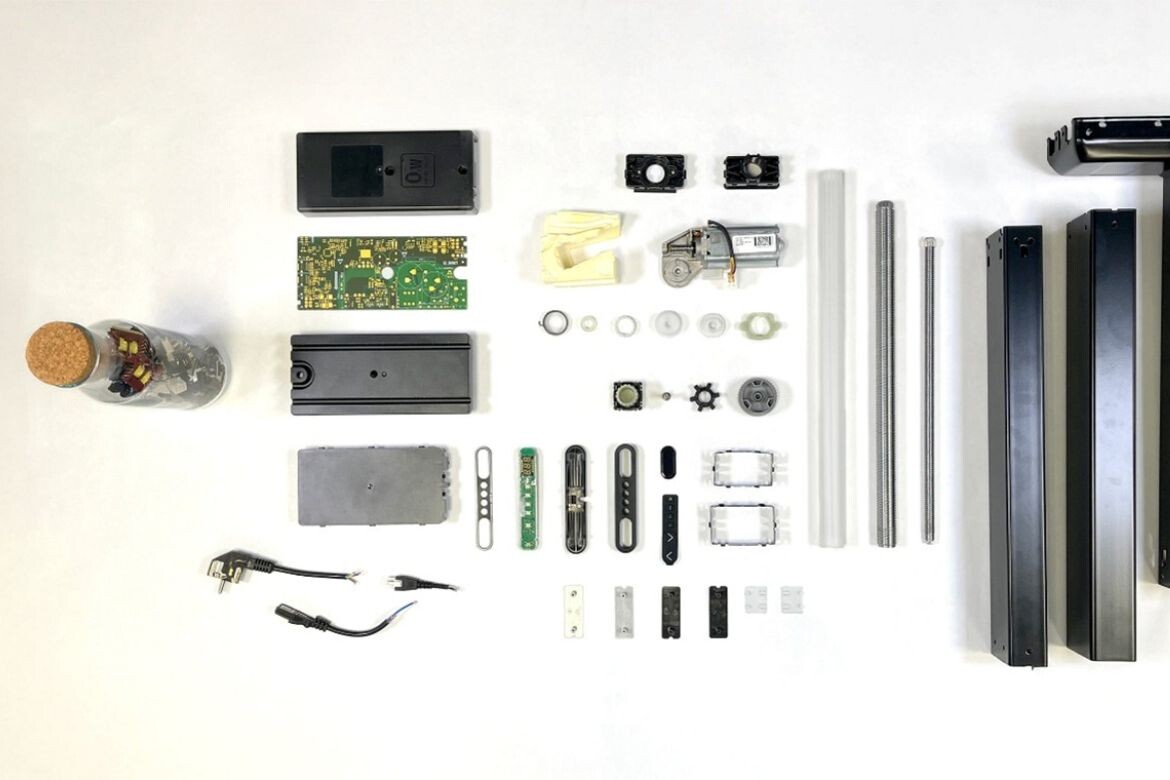
For architects, this means specification decision matters, not just for aesthetics, but also for compliance, certification, and long-term environmental impact. EXPERIENCE™ is designed to support these priorities. It offers:
As ASBEC’s 2026–2030 agenda emphasises, the future of design focuses on decarbonisation, resilience, and circular economy principles. EXPERIENCE™ provides architects and designers with a solution that supports projects considering these priorities.
In short, specifying EXPERIENCE™ means selecting a column system developed with energy efficiency and material considerations in mind, supporting responsible design today and in the future.
Looking ahead
The Scandinavian heritage of LINAK continues to guide engineering and design decisions, characterised by clear design, functional performance, and responsible impact. The EXPERIENCE™ range reflects that ethos. It is more than a product; it represents an approach to movement solutions that takes people and environmental considerations into account, supporting better design today and in the years ahead.
Discover more about LINAK and its ESG report and how the EXPERIENCE™ range can transform your next project: www.linak.com.au/news/2025/09/17/experience-columns/
INDESIGN is on instagram
Follow @indesignlive
A searchable and comprehensive guide for specifying leading products and their suppliers
Keep up to date with the latest and greatest from our industry BFF's!
The internet never sleeps! Here's the stuff you might have missed