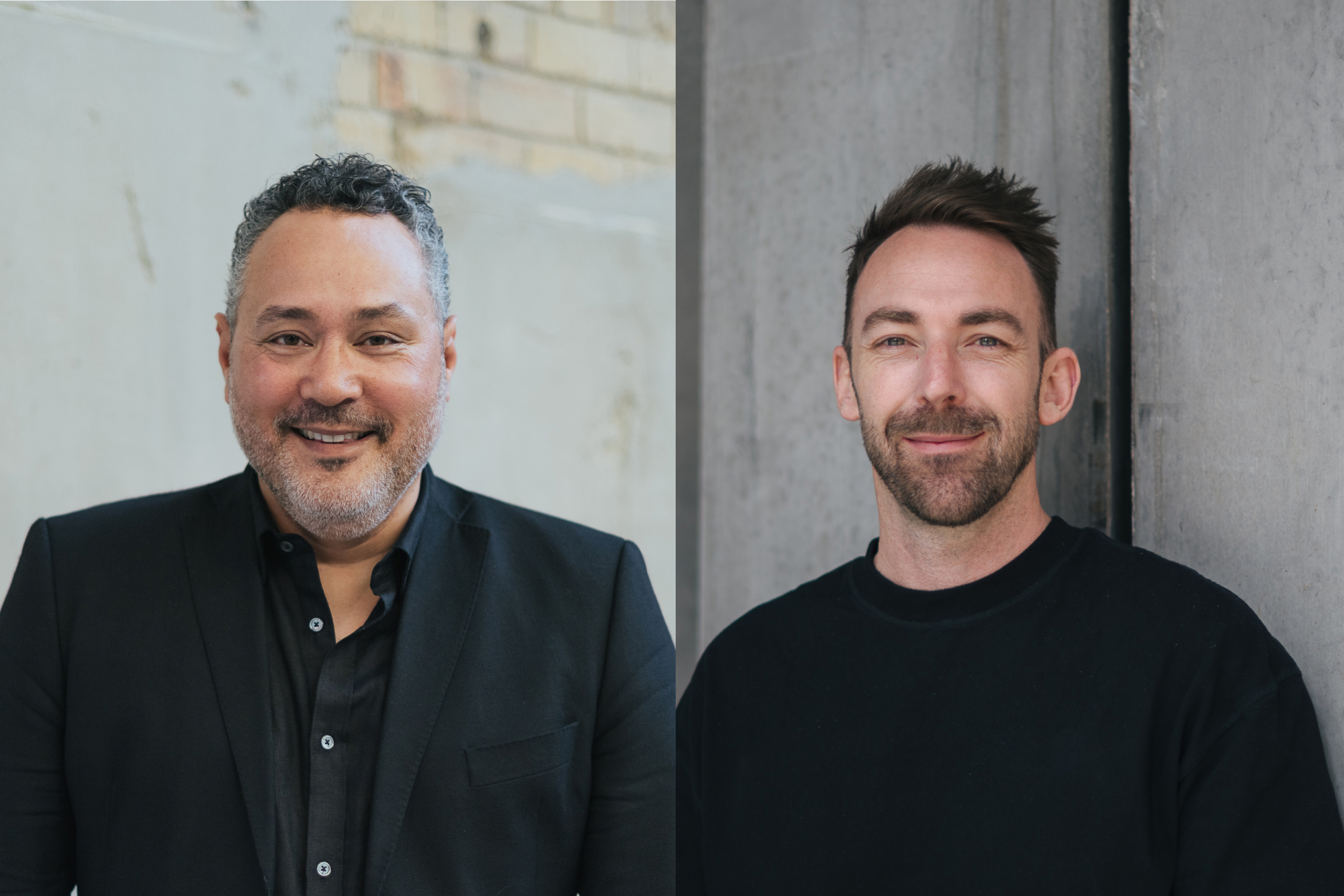
In this interview between Indesignlive’s Timothy Alouani-Roby, and Gray Puksand’s Lauren Oneile and Francesca Moccia – both interior designers and senior associates with the firm – we consider the implications of blending typologies across sectors as diverse as education, hospitality, workplace and more; and the experience of people in places and spaces as we settle into a post-COVID state of living and working.
Timothy Alouani-Roby of Indesignlive: Tell us about your career path – how did you get to where you are now?
Lauren Oneile: Over the last 20 years, I’ve worked in different sectors but workplace is absolutely my passion and my focus. I love that design can fundamentally improve people’s lives.
Francesca Moccia: I started my career in Glasgow and moved to Australia five years ago. I’ve also worked across many sectors, but education design and commercial building repositioning have become my main focuses since being here.

Timothy: What about the multidisciplinarity of Gray Puksand – you have different specialisms so how do those differences inform and strengthen your design?
Lauren: For every project, we certainly draw on knowledge that we gain in different sectors. We find the knowledge and learnings that we gain from education projects can make a big impact on workplace projects and workplace can grow with education knowledge.
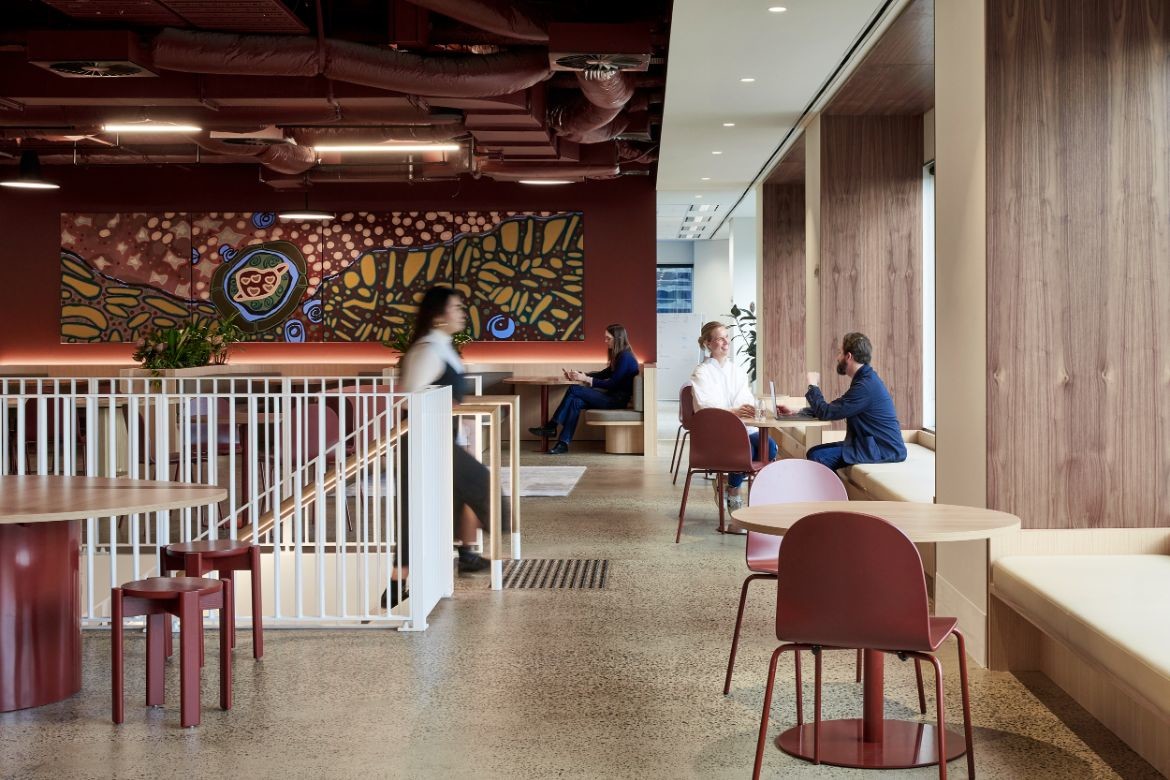
Francesca: There are certainly a lot of crossovers between sectors. Post-COVID, hospitality and residential design principles are increasingly translating into commercial settings. For example, we are seeing commercial lobbies taking on a more hotel-style feel – some commercial buildings are even introducing concierge services for everything from booking taxis to picking up dry-cleaning. Having a broad knowledge and understanding of design principles across different sectors ensures our design outcomes are informed and robust.
Related: 2022 marked a year of bold, beautiful, non-typical offices
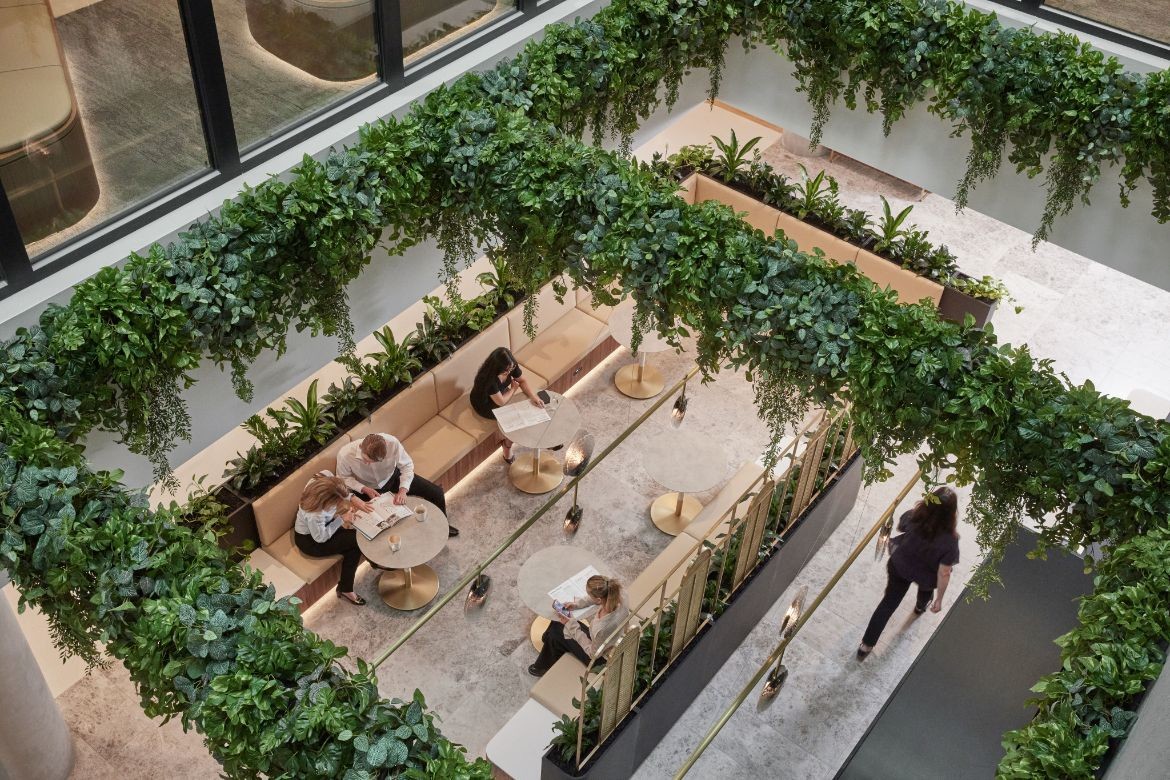
Timothy: Gray Puksand speaks about a desire to “evolve the story of architecture itself” – how does such a lofty aim play into what you do?
Lauren: We like to focus on human-centric design, in both architecture and interiors. Our architectural projects are really focused on the interiors and how people move through the spaces. Similarly, in our interior projects, we really consider the journey of someone entering the workplace, the arrival sequence, the flow and so on. It’s really considered design, from materiality and function to flow through the space. We see the evolving form of architecture and design really being based on humans.
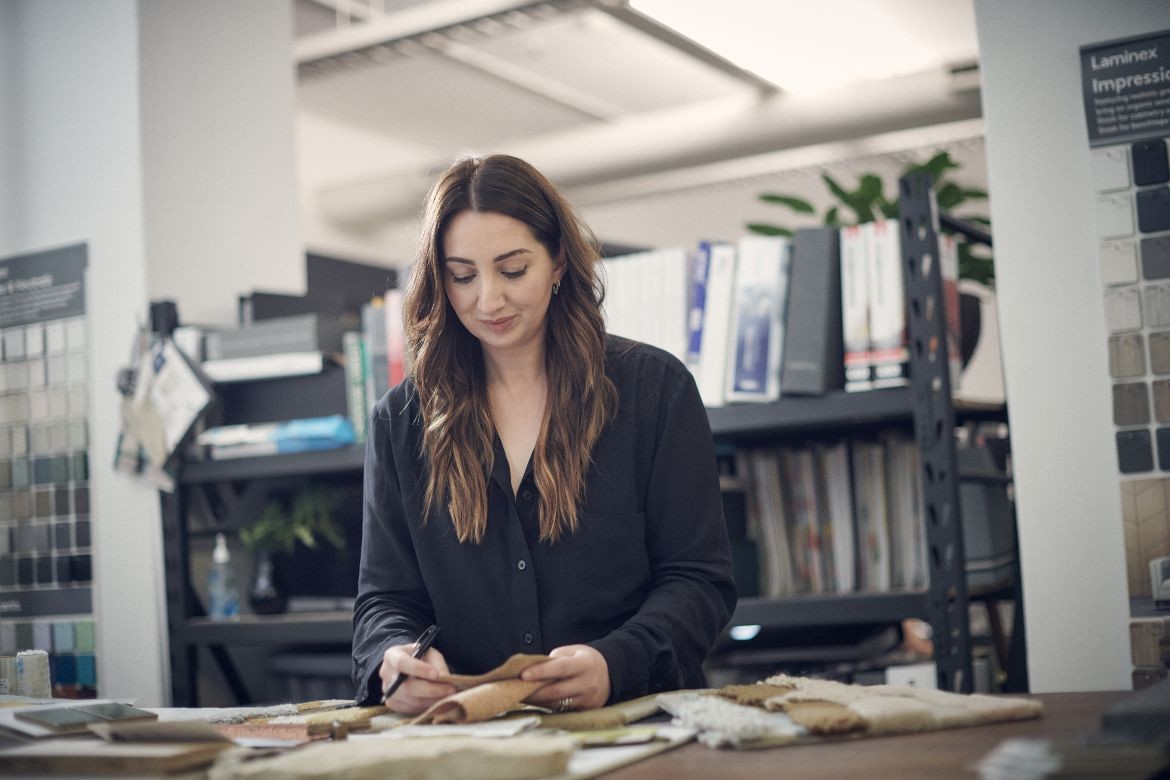
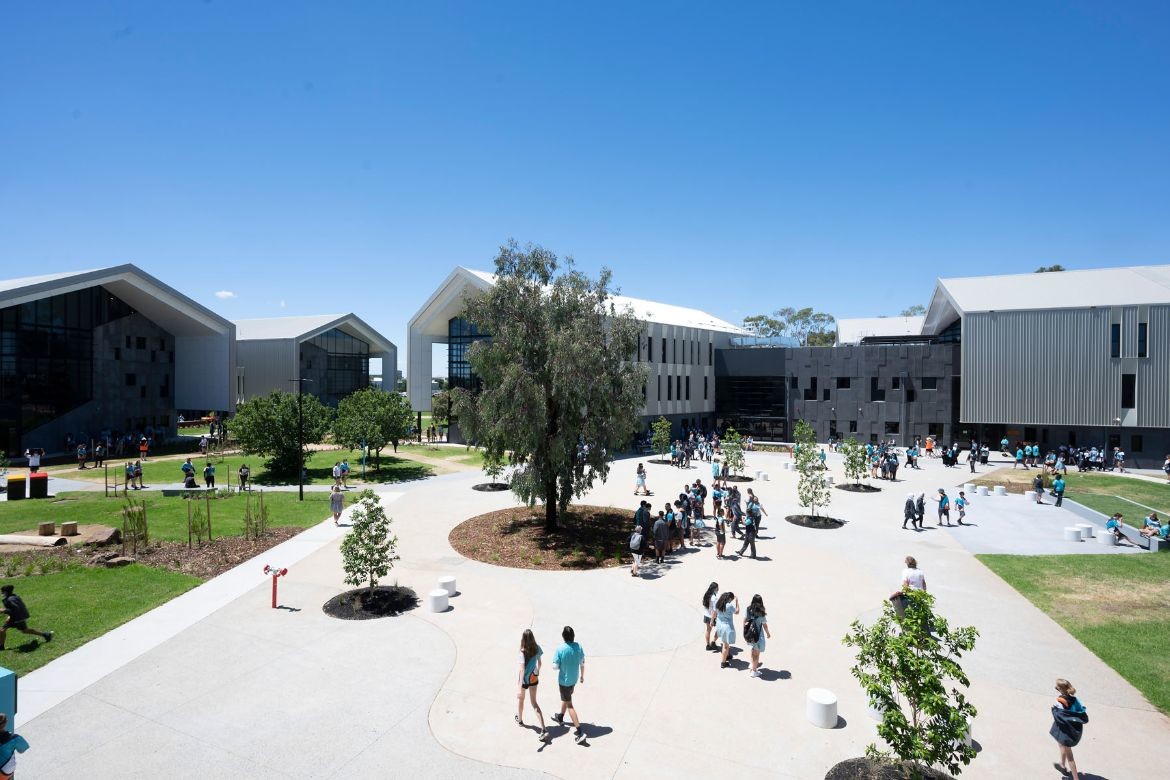
Francesca: As architects and designers, we have a responsibility for the people who use that space – particularly if it’s a commercial building or education precinct with hundreds of people passing through every day. The ground floor of a commercial building can become a destination and provide opportunities for people to connect and gather – something that was often missed during lockdown.
In big cities, people can often feel lonely even with many people around them. For me, it’s about creating pockets of space that encourage people to come together and interact, develop relationships and create a sense of community.
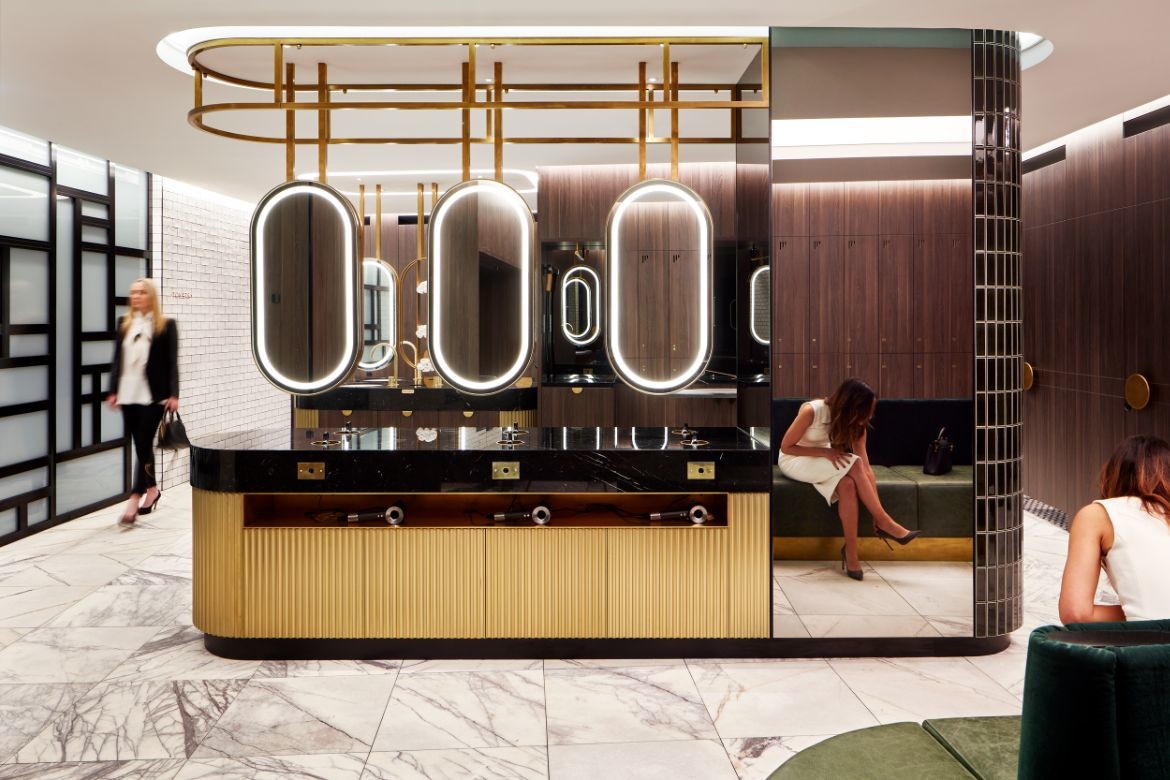
Timothy: How does your approach differ depending on the sector you’re working in?
Francesca: Design principles for a large education precinct versus a commercial ground floor lobby in the CBD would be surprisingly similar, but the outcomes may look quite different. We always take a human-centric focus on design – the precinct and the people are the two main drivers.
Creating places for people to gather and create a community aspect is always going to be important across all sectors and projects of all budgets, scope and size. I think there are a lot of crossovers and probably not as many differences as you might initially think.
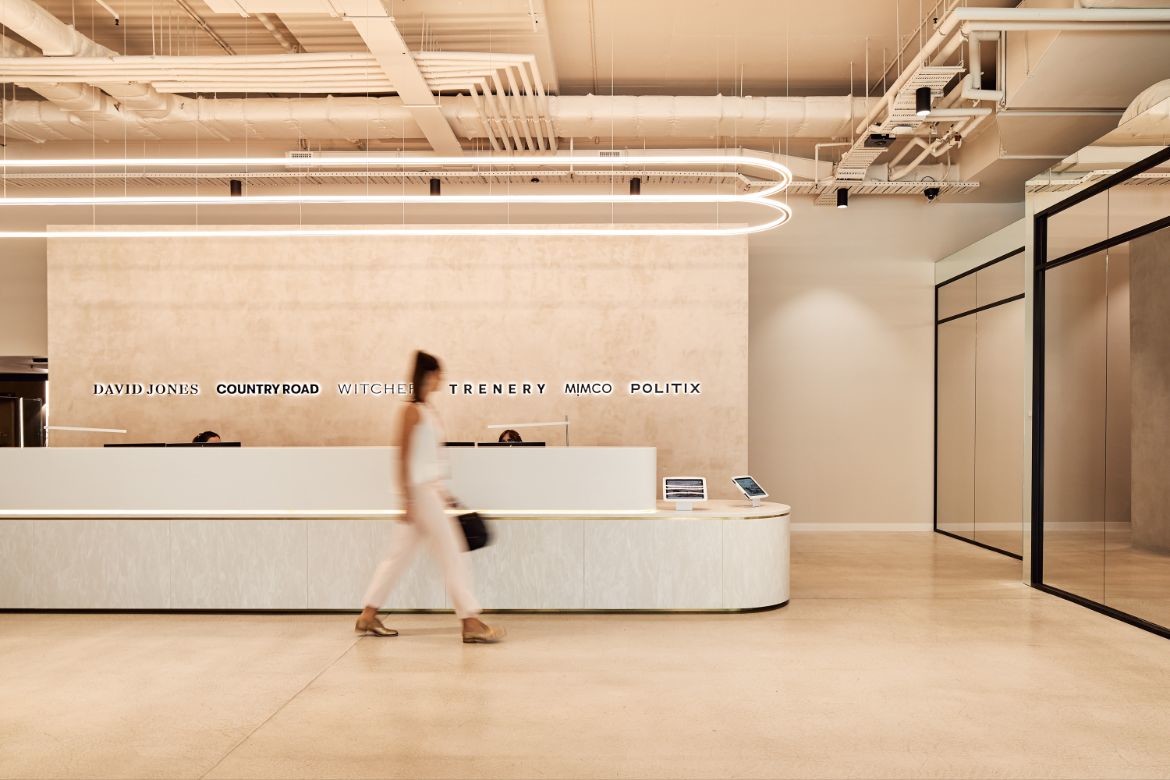
Timothy: What excites you about the future of design?
Lauren: The future of workplaces is exciting. Workplaces that are flexible and agile enough to accommodate organisations as they grow and organically reshape themselves are exciting. The post-COVID world of increased trust and wellness in the work environment is key. Every space we design needs to encourage and foster trust and with that comes the wellness factor, ensuring that end users feel psychologically and physically safe.
Francesca: For me, it’s really all about technology and how we can use it to design efficiently and sustainably. In our practice we have a great technical team who help support us with understanding about embodied carbon in our buildings, for example. Seeing how much change we’ve had over the past few years in terms of using technology to design has been incredible. I can’t wait to see how much that progresses in the future.
Gray Puksand
graypuksand.com.au
We think you might like this story about Katharina Hendel and Brent Dunn of regional architecture firm Takt.