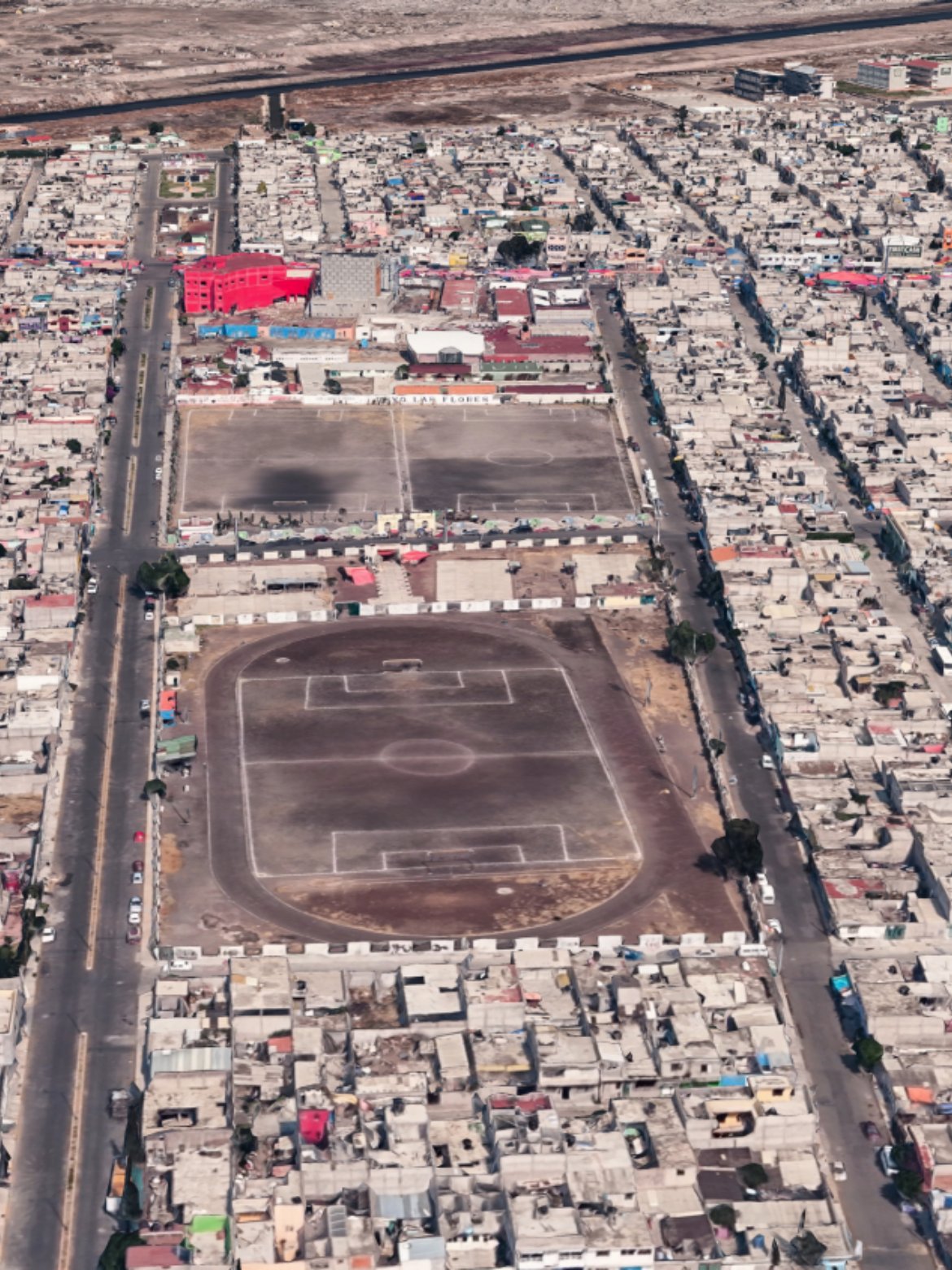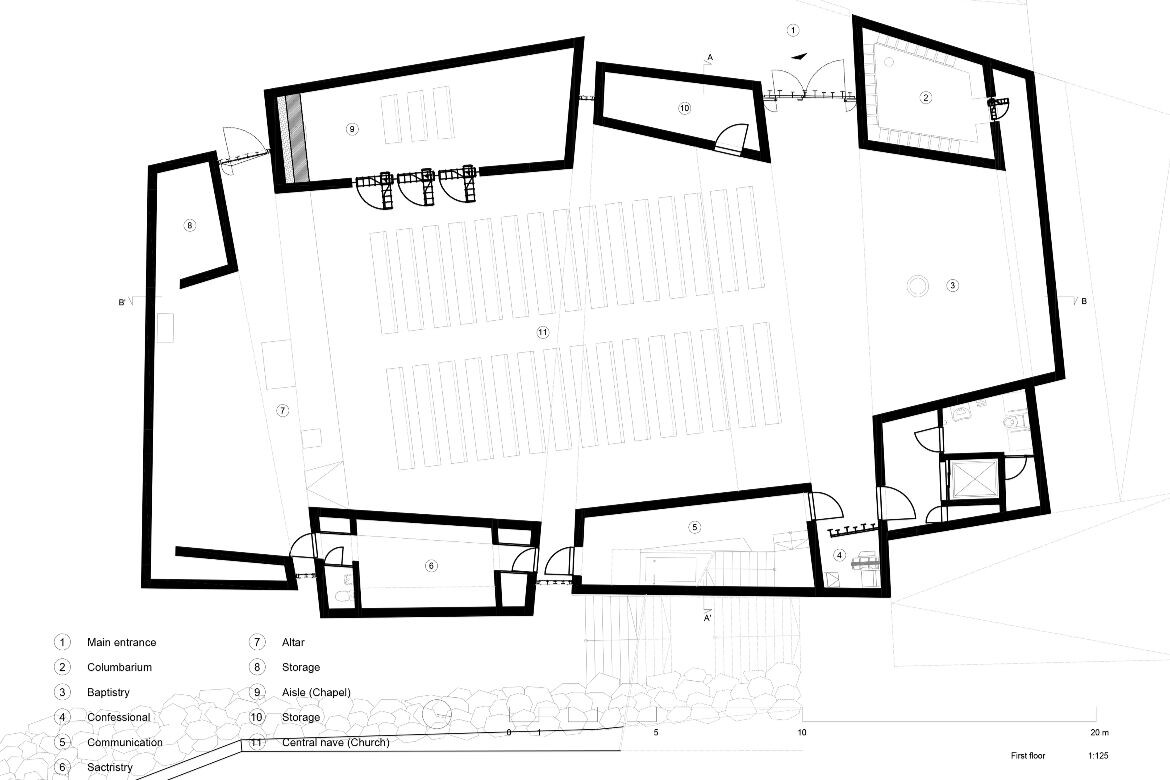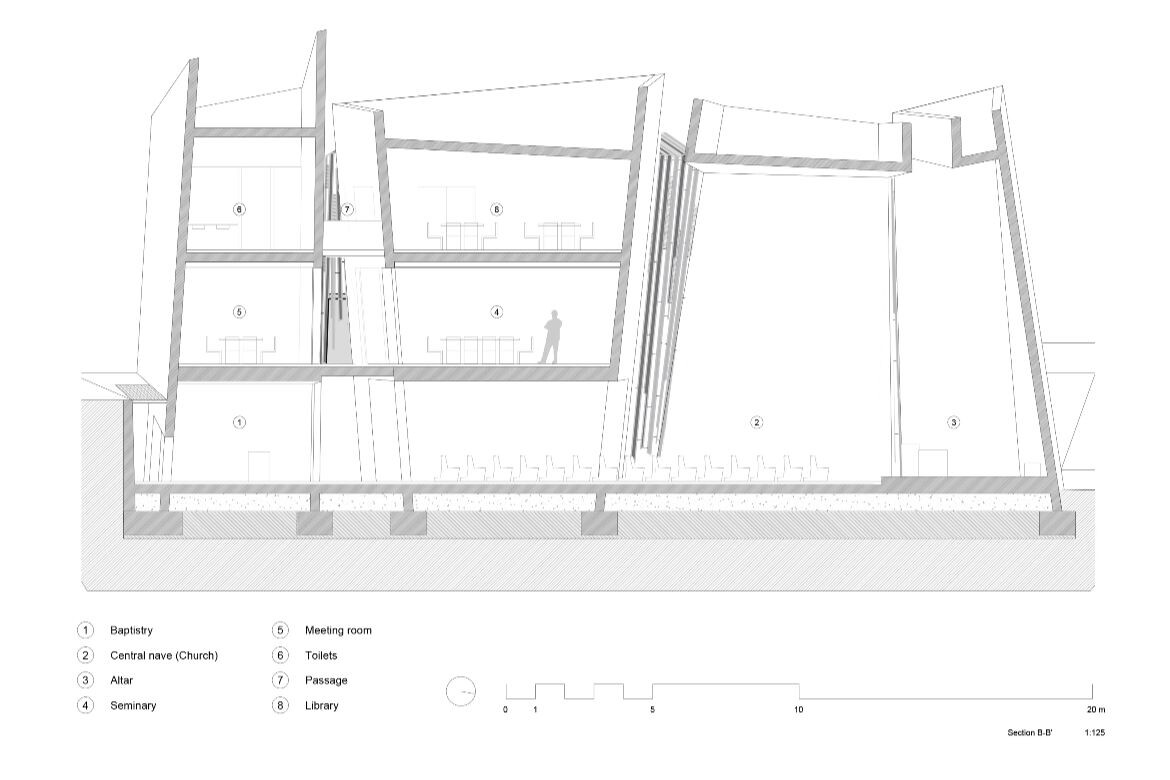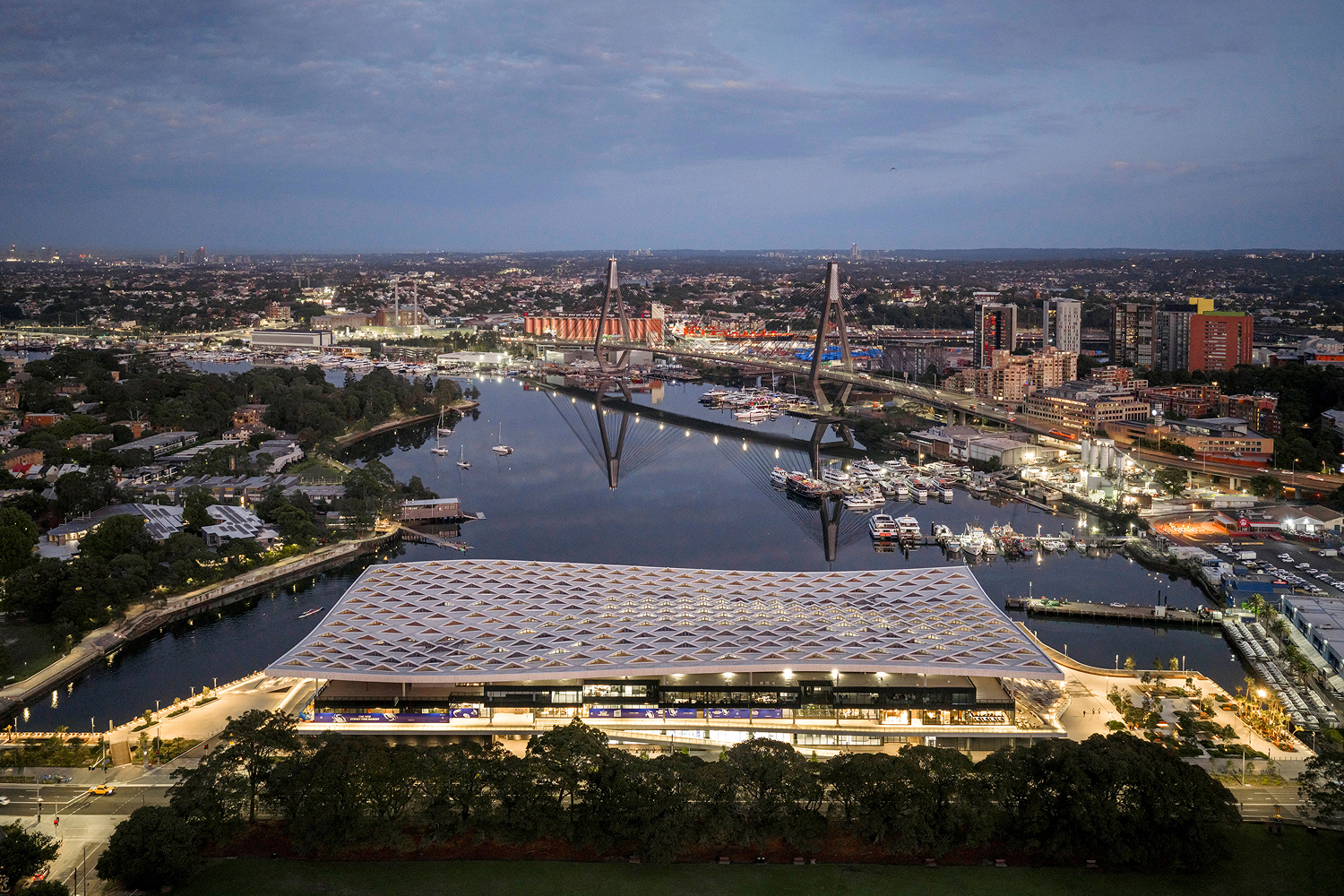
The Holy Redeemer Church and Community Centre of Las Chumberas by Fernando Menis in La Laguna, Spain has been declared the World Building of the Year at the 2025 World Architecture Festival (WAF). The announcement was made at a Gala Dinner at the Miami Beach Convention Centre, where architects from around the globe gathered for the eighteenth edition of the festival. Supported by GROHE, the major accolades included World Building of the Year, World Interior of the Year, Future Project of the Year and Landscape of the Year, alongside Special Prizes such as the American Beauty Prize supported by the Royal Fine Art Commission Trust.
The Holy Redeemer Church has become a catalyst for urban renewal in a neglected neighbourhood on Tenerife. Comprising a church, community centre and public square, the project introduces a vital civic anchor within a fragmented built context. Its construction was funded entirely through donations, shaping an incremental approach: the first two volumes for the community centre were completed within two years and remained in use while the remaining structures were added over the next sixteen years as funding became available.
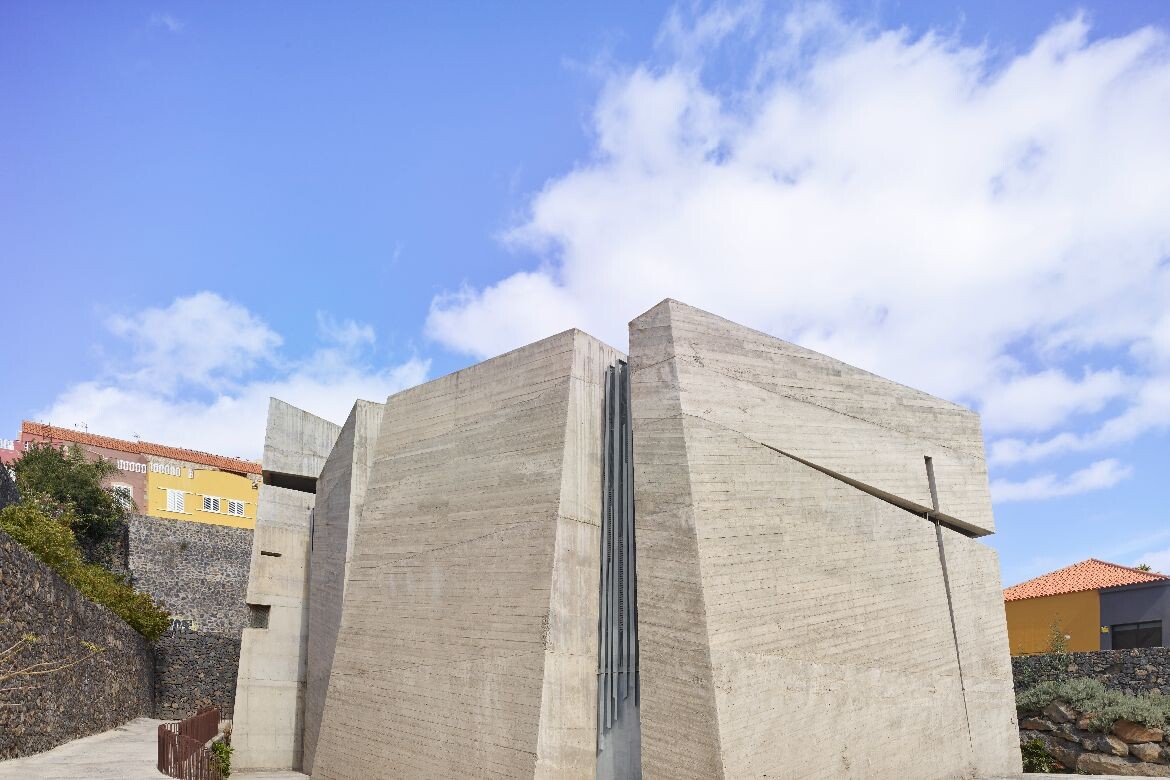
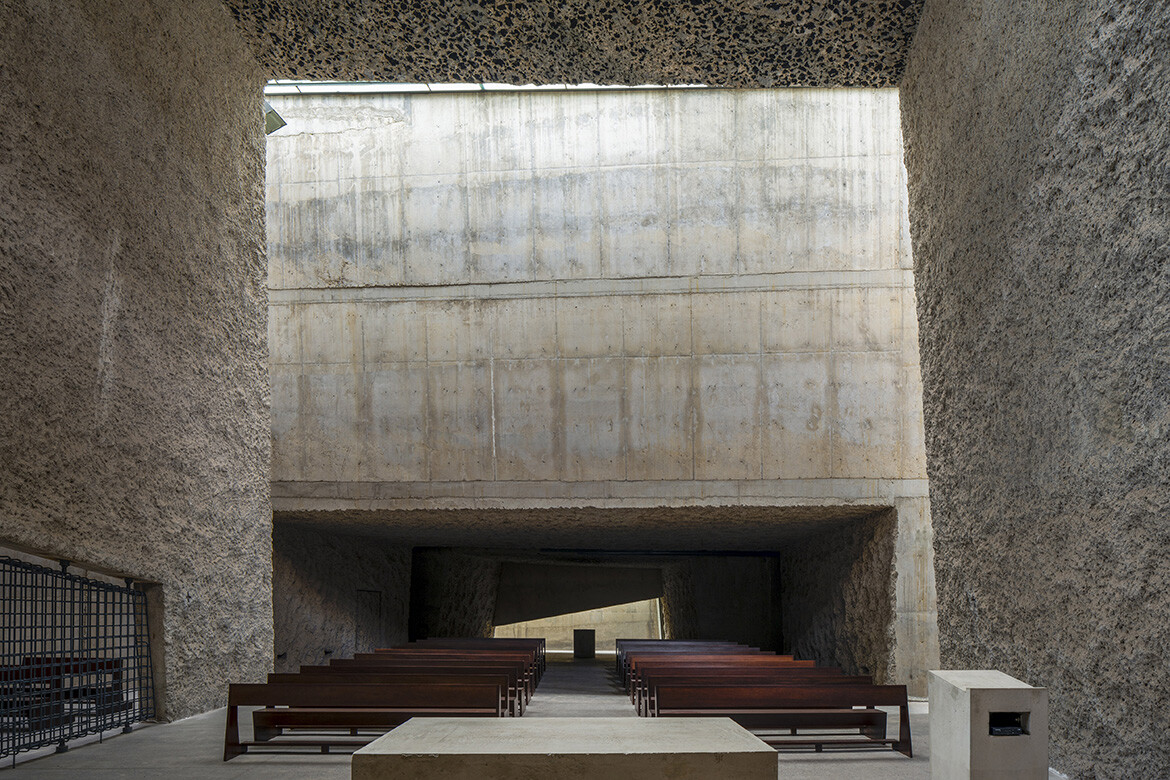
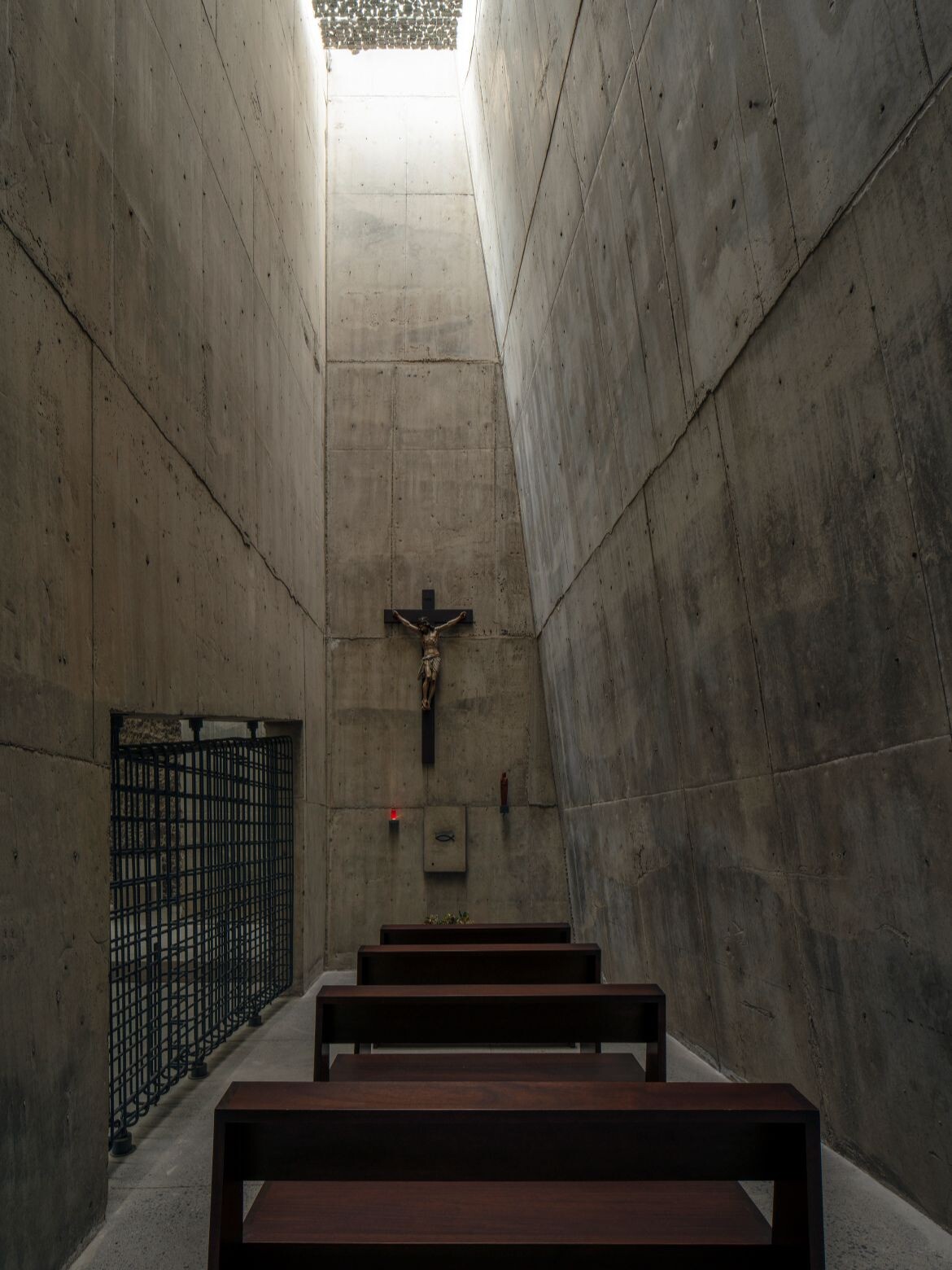
Drawing inspiration from the volcanic terrain, the architecture features rough, monolithic concrete forms cut through with narrow fissures of metal and glass. Daylight is central to the design’s spiritual quality. With no windows, the interior is illuminated through zenithal openings and an unglazed cross, creating shifting atmospheres throughout the day. Locally produced concrete was chosen for its durability and thermal performance, and an innovative mixture of chipped concrete and volcanic stone provides acoustic absorption comparable to that of an opera house.
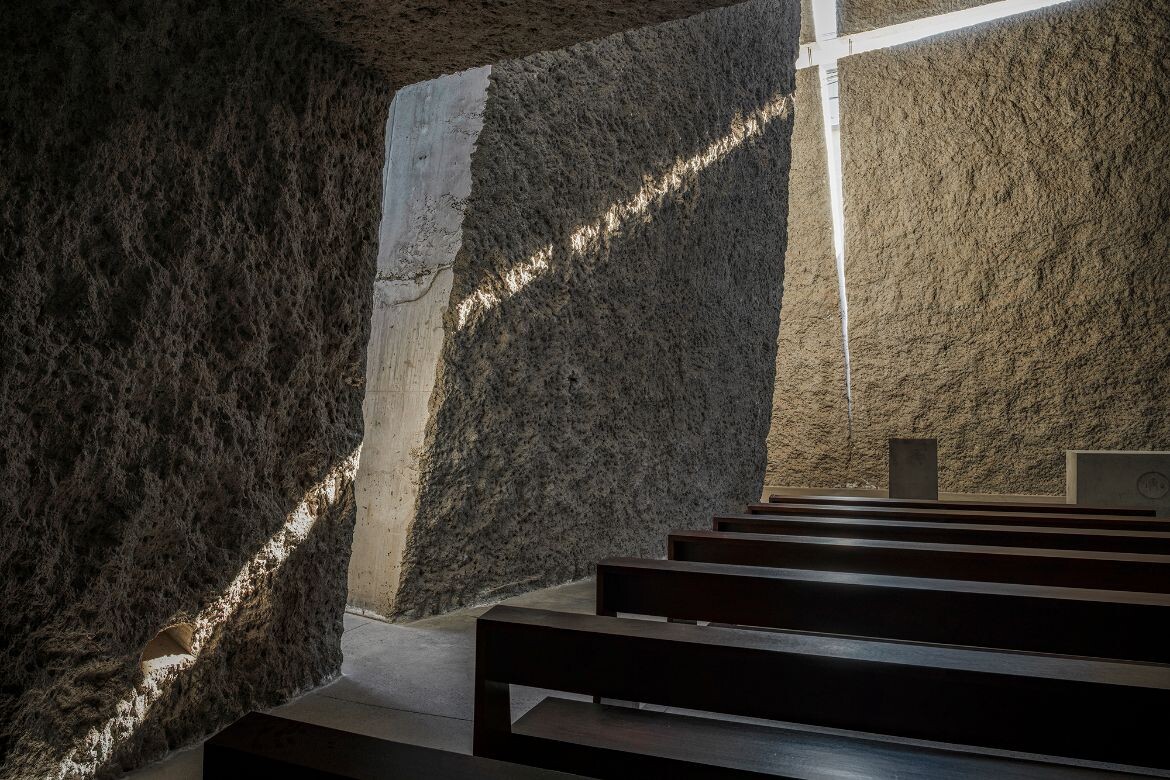
“Winning is a great gift, not only for me but also the church neighbourhood, who will now be recognised beyond Tenerife,” said Fernando Menis. WAF Programme Director Paul Finch noted the jury’s admiration for “the intensity of the architecture and the way light has been used to shape the quality and character of the interiors,” adding that the building “masterfully accommodates symbolic and everyday needs” and is “a fine addition to the architecture of Tenerife.” The winner was selected by a Super Jury chaired by Mohsen Mostafavi, alongside Laurinda Spear, Ma Yansong and Sir Peter Cook.
Related: NSW Government releases nine new architect-designed mid-rise housing patterns
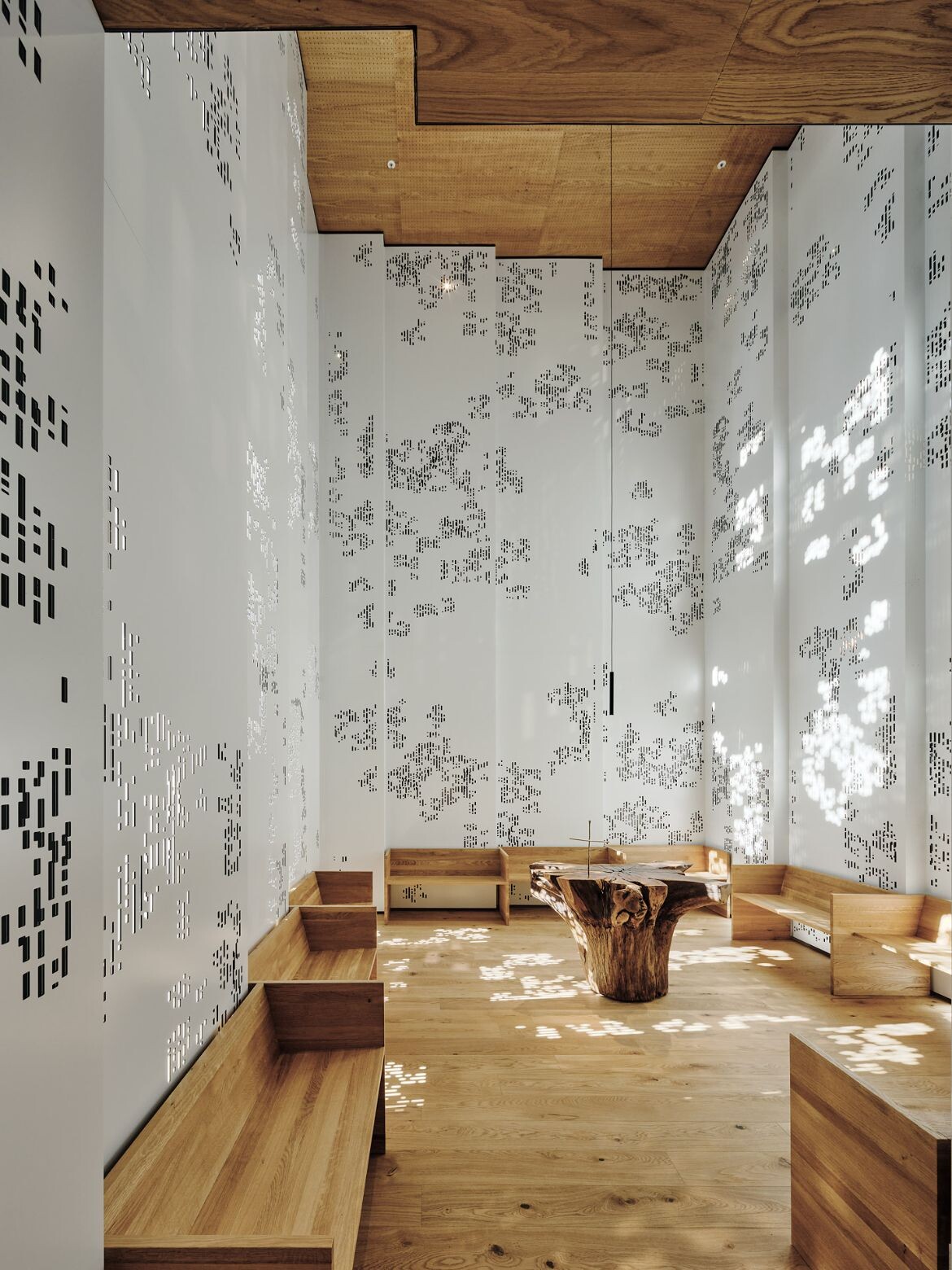
World Interior of the Year was awarded to FRACTAL CHAPEL by INNOCAD architecture in Graz, Austria. Located within a state hospital and hosted by the Protestant Church, the project offers a serene retreat shaped by neuroscience, environmental psychology and biophilic design. Developed with researchers at the University of Oregon, custom-generated fractal patterns evoke positive physiological and neurological responses. A restrained palette of timber and glass, an 8-metre-tall interior volume and a sculptural altar carved from the inverted rootstock of a walnut tree all contribute to an atmosphere of calm, introspection and emotional resonance.
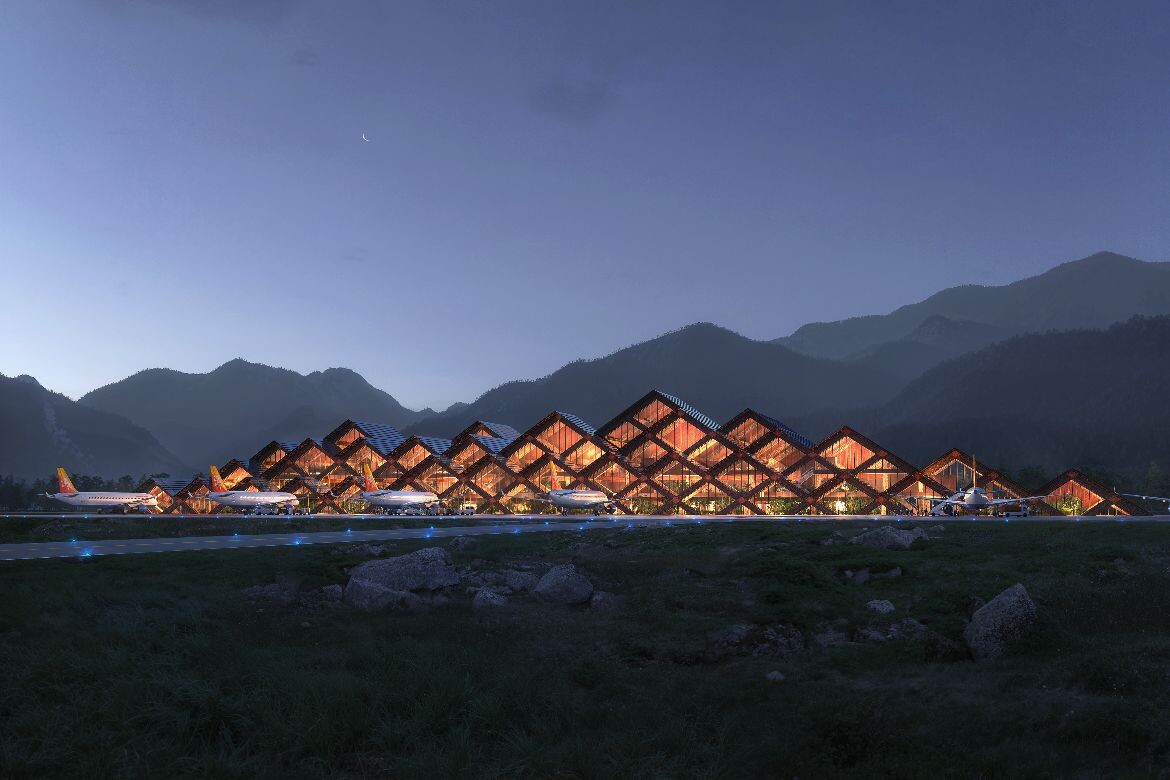
Future Project of the Year went to BIG–Bjarke Ingels Group for Gelephu International Airport in Bhutan. Set to open in 2029, the airport will initially accommodate 123 daily flights and is projected to reach 5.5 million annual passengers by 2065. The design blends traditional craftsmanship with modern systems, incorporating timber diagrid structures with Bhutanese carvings, a triple-height entry sequence, skylights and floor-to-ceiling glazing. Spaces for yoga, gong baths and meditation reflect the nation’s focus on well-being. The terminal also forms Bhutan’s first inland mobility hub, connecting trackless trams and public buses across the region.
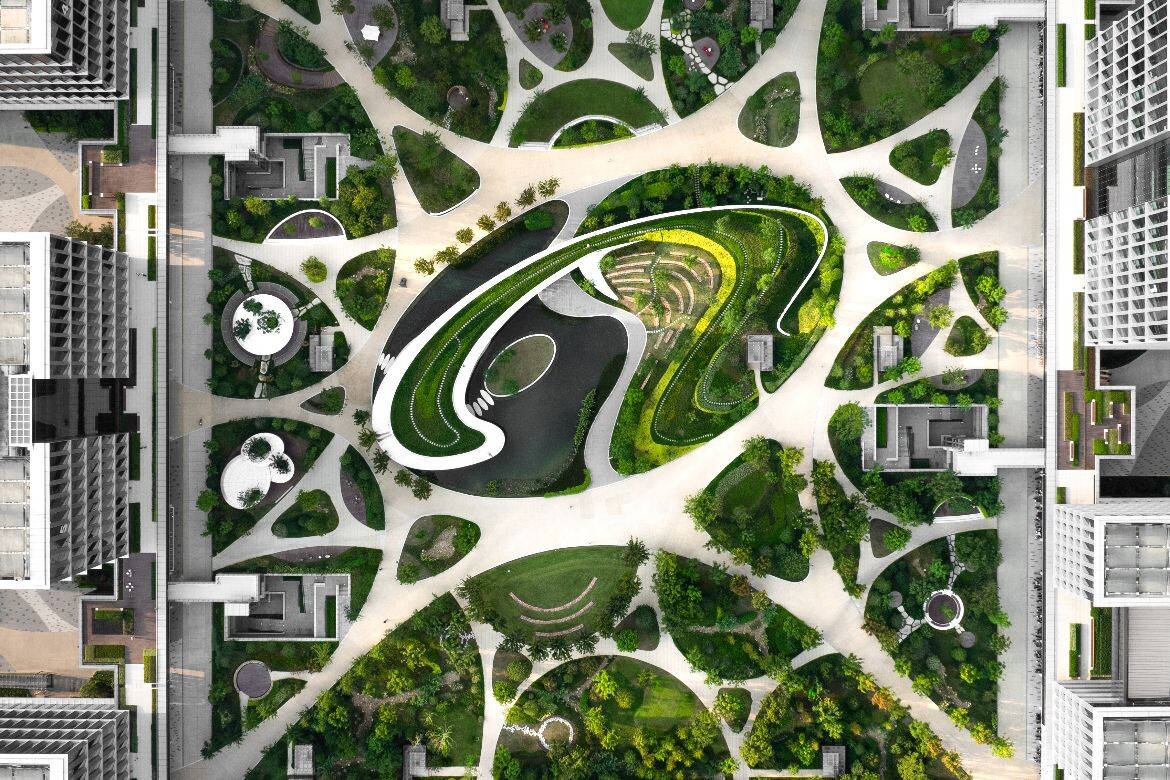
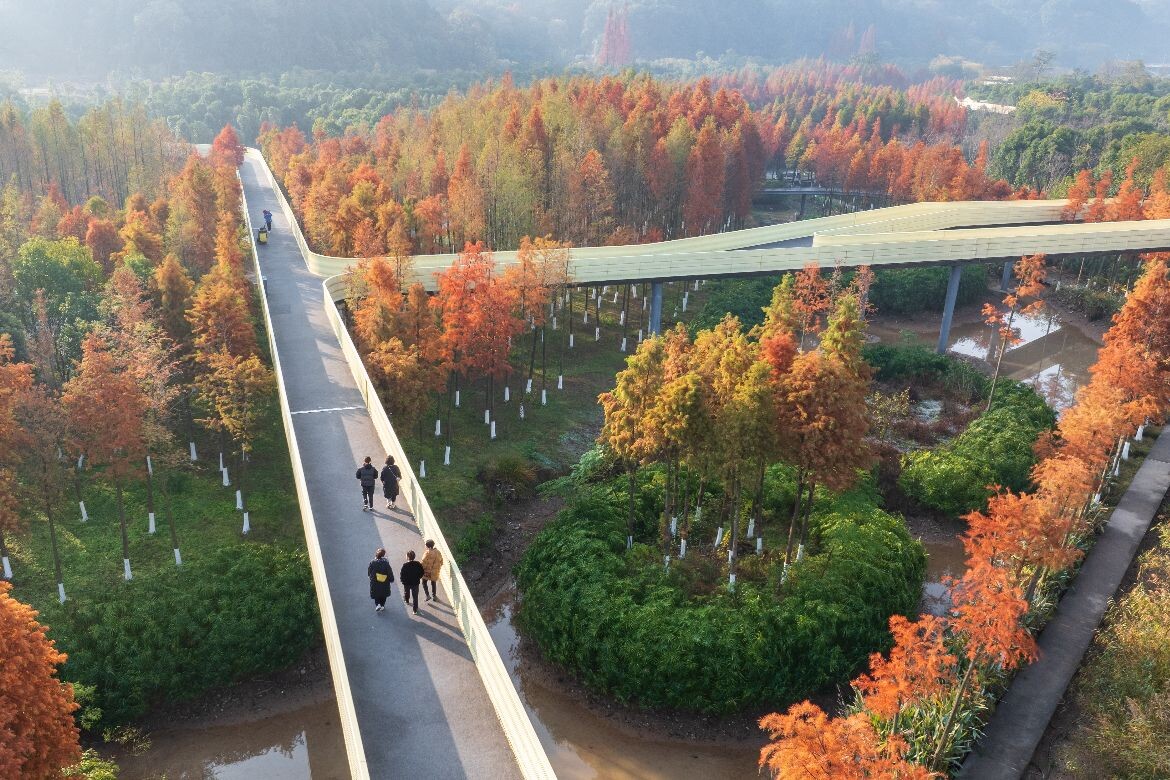
The Landscape of the Year was awarded to Embracing Flood: Xinjiang River Ecological Corridor by Turenscape in Shangrao City, Jiangxi Province. Transforming a 102-hectare floodplain, the project applies sponge-city strategies to enhance flood resilience, restore native habitats and provide year-round public access. By embracing seasonal flooding rather than resisting it, the corridor has become a regional landmark and a scalable model for climate-vulnerable cities.

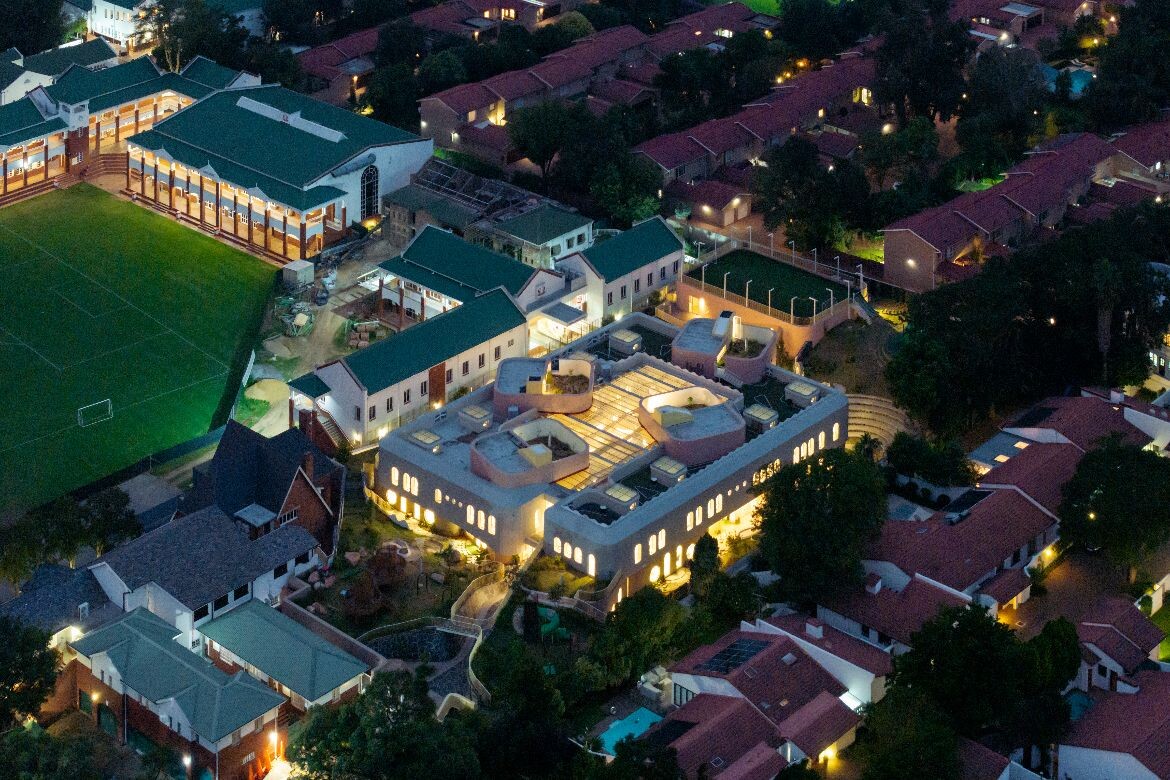
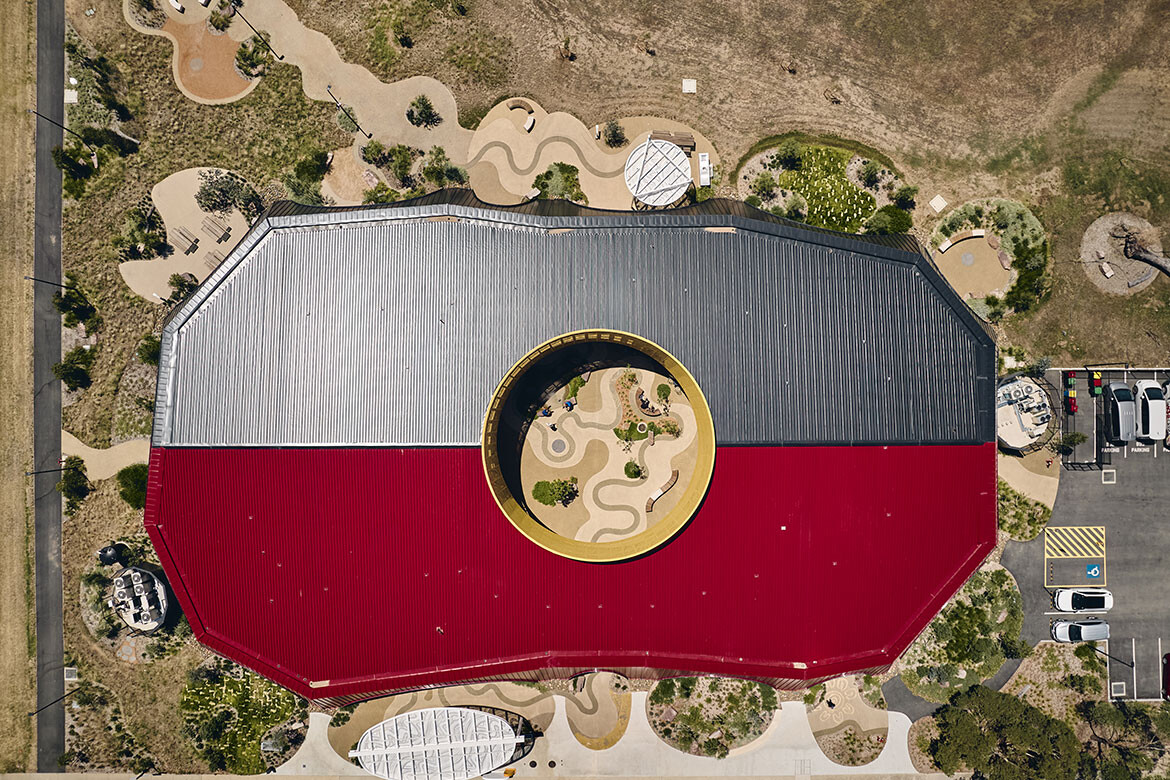
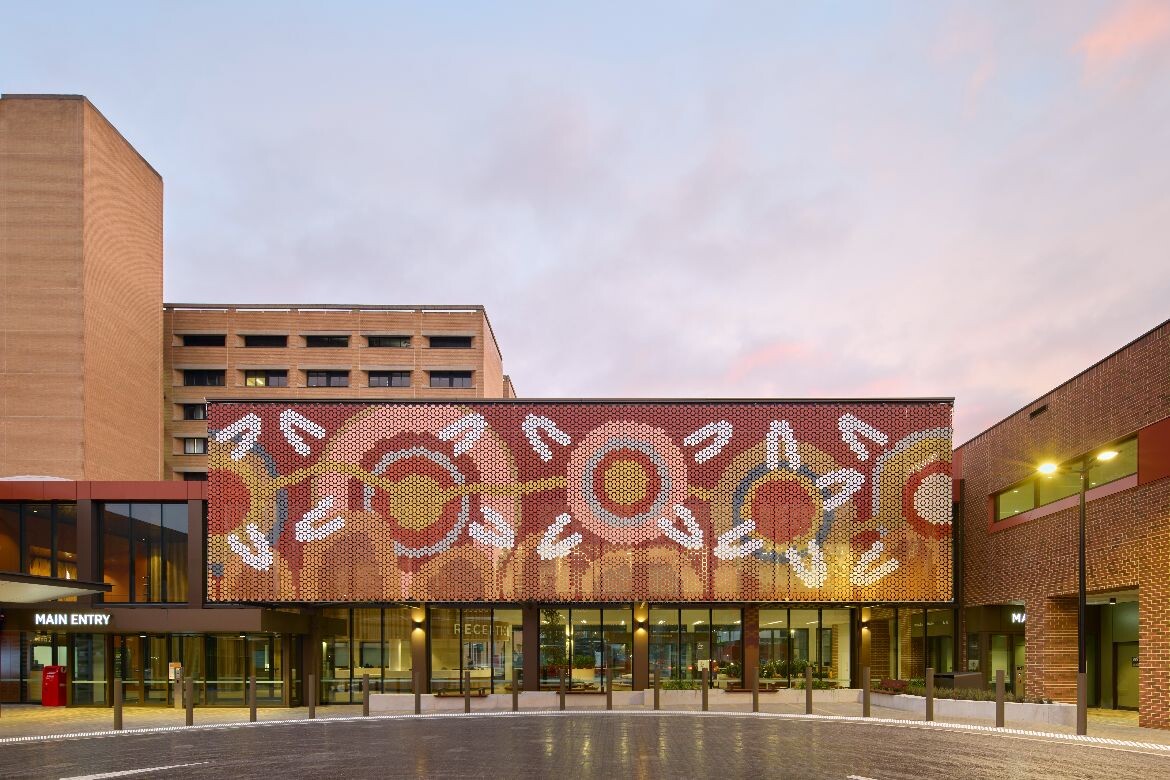
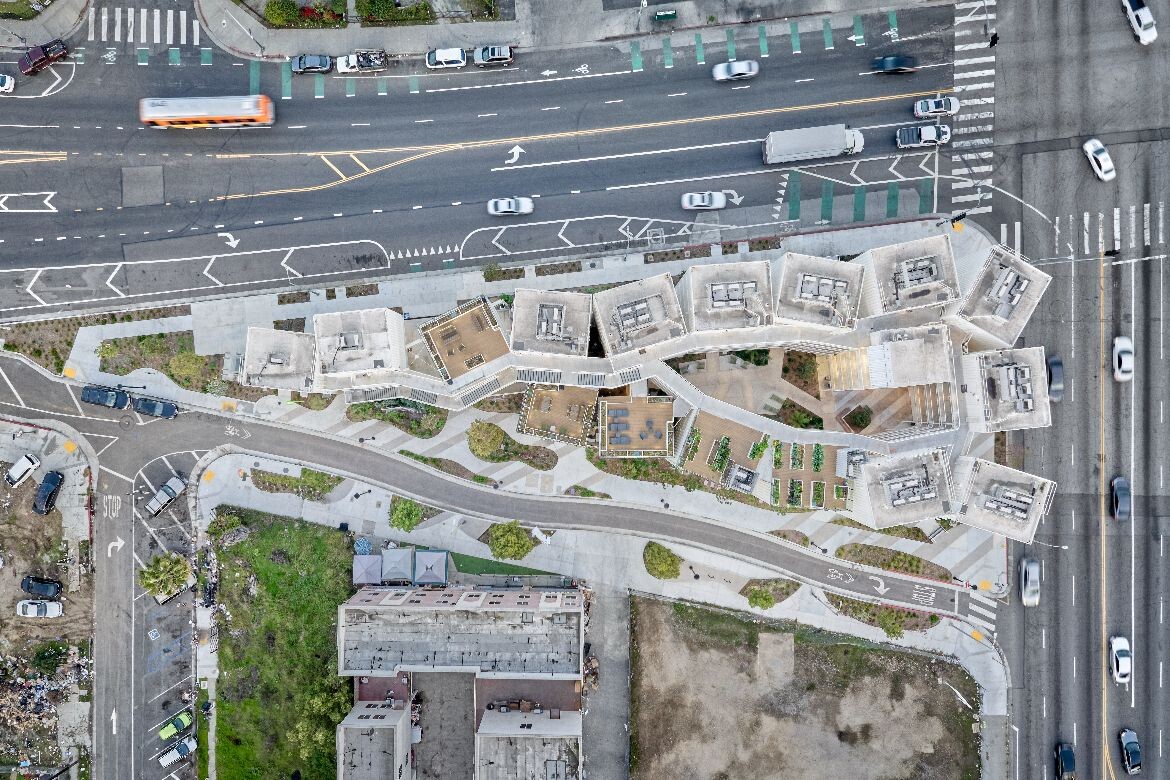
Highly commended projects include Eden Dock by Howells with HTA Design in London; Taikoo Place by Gustafson Porter + Bowman & Urbis in Hong Kong; and The Osona Viewpoint Network by Batlleiroig in Spain. Additional recognitions included the American Beauty Prize for Isla Intersections Supportive Housing & Paseo by Lorcan O’Herlihy Architects in Los Angeles; Best Use of Colour for Alibaba Xixi Tech Campus Landscape by ASPECT Studios; Best Use of Natural Light for Redhill Early Learning Center by Hubo Studio; Best Use of Stone for Dialogue with Nature – Commune Store by Atelier Global Limited; and Best Use of Timber for Quinta De Adorigo Winery by Atelier Sergio Rebelo. T3 Diagonal Mar Offices in Barcelona by Batlleiroig and Canberra Hospital Expansion by BVN were among the highly commended works.
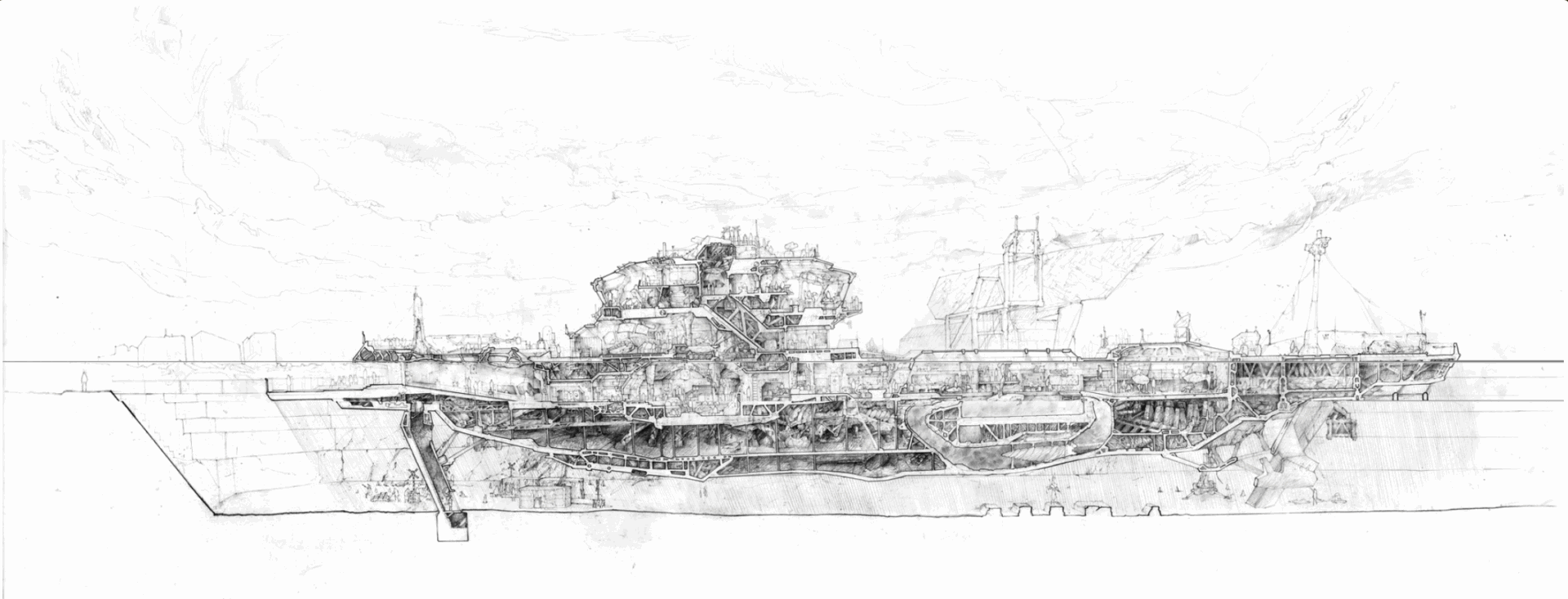
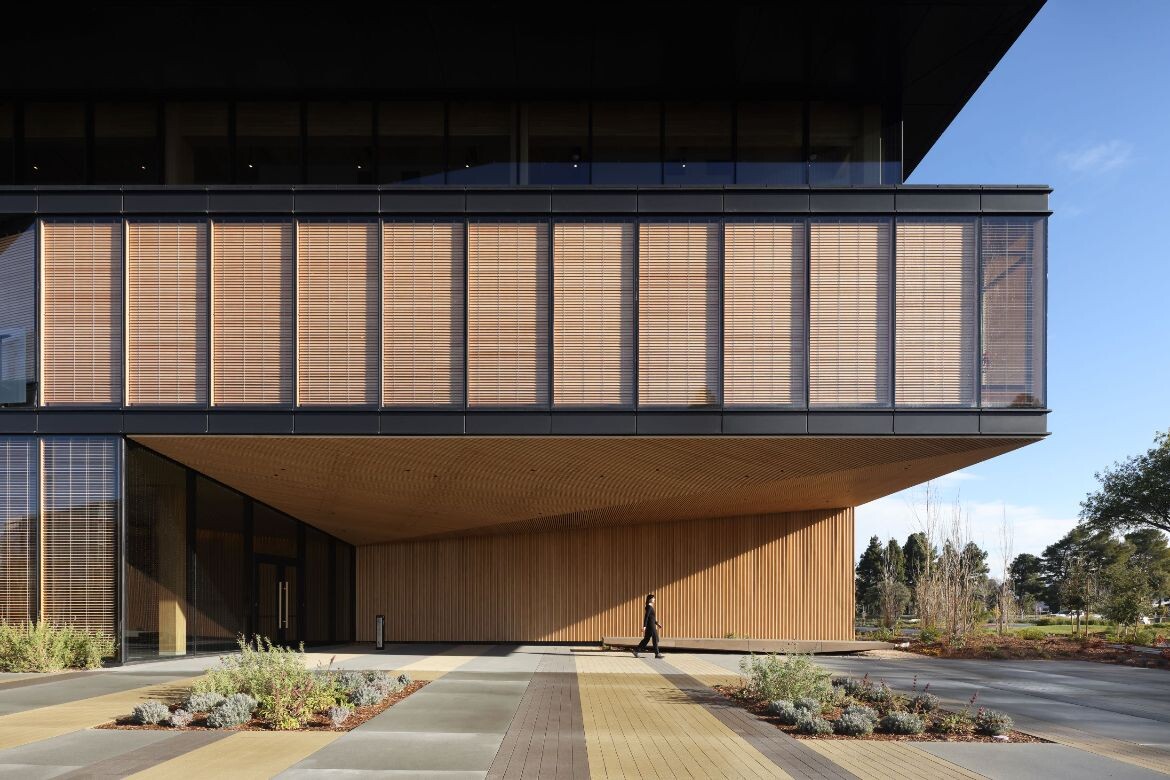
The Holy Redeemer Church also received Small Project of the Year, while the Student Charette Prize went to SPONGE OF THE KEYS by the University of Manitoba. The Sustainability Prize, supported by ROCKWOOL, was awarded to 1265 Borregas by MGA | Michael Green Architecture and SERA Architects in the United States, and the GROHE Water Prize went to waterspaces by Rizoma del Agua in Mexico. WAF also launched its first 40 Under 40 North America programme in partnership with The Architect’s Newspaper, celebrating emerging architects across the continent. In the Architecture Drawing Prize, Jason Wang was recognised with a special award for hand-drawing.
The WAFX Prize, honouring future projects addressing global issues, was awarded to Regenerative Tree by Nikken Sekkei. This next-generation skyscraper aims to reduce whole-life carbon by 40 per cent through structural optimisation, biomimetic systems, reimagined internal transit and flexible floor plans designed for long-term adaptability.
World Architecture Festival
worldarchitecturefestival.com