As leaders in architecture, Plus Studio works across scales while recognising its role in shaping better outcomes for Australia and Aotearoa/New Zealand’s growing cities. With 11 studios across both countries, the practice understands that design has a direct influence on how densification unfolds.
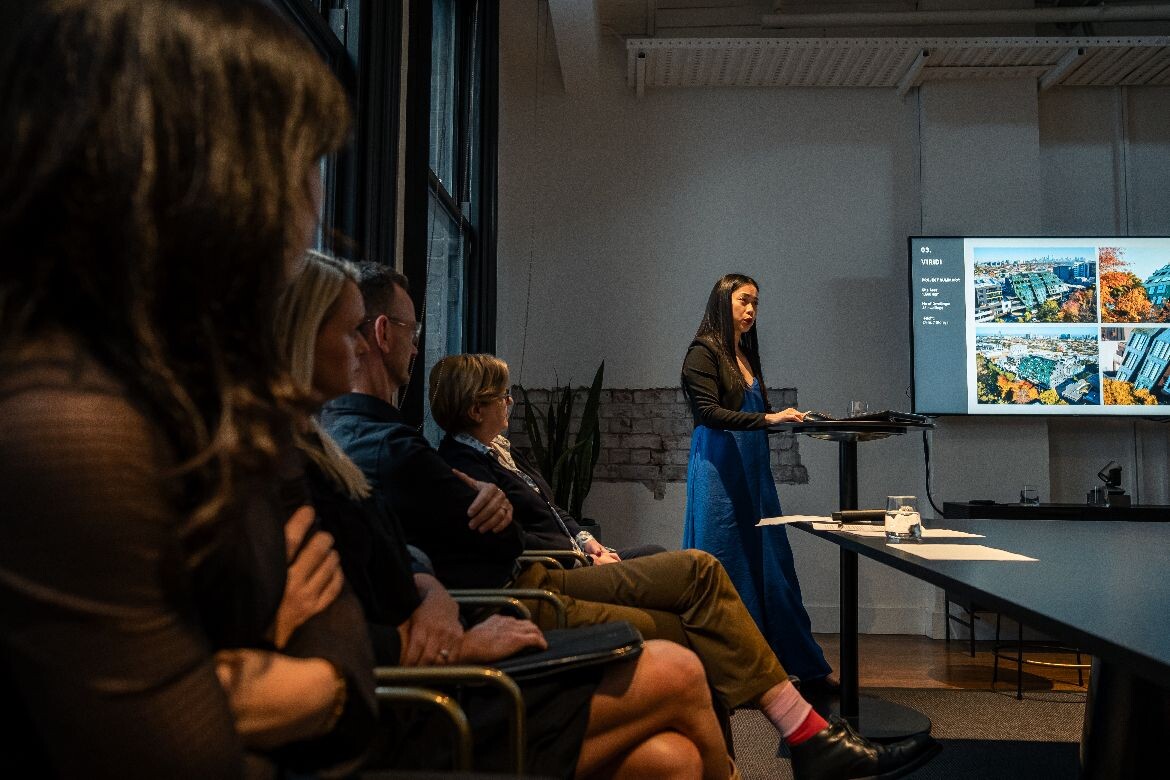
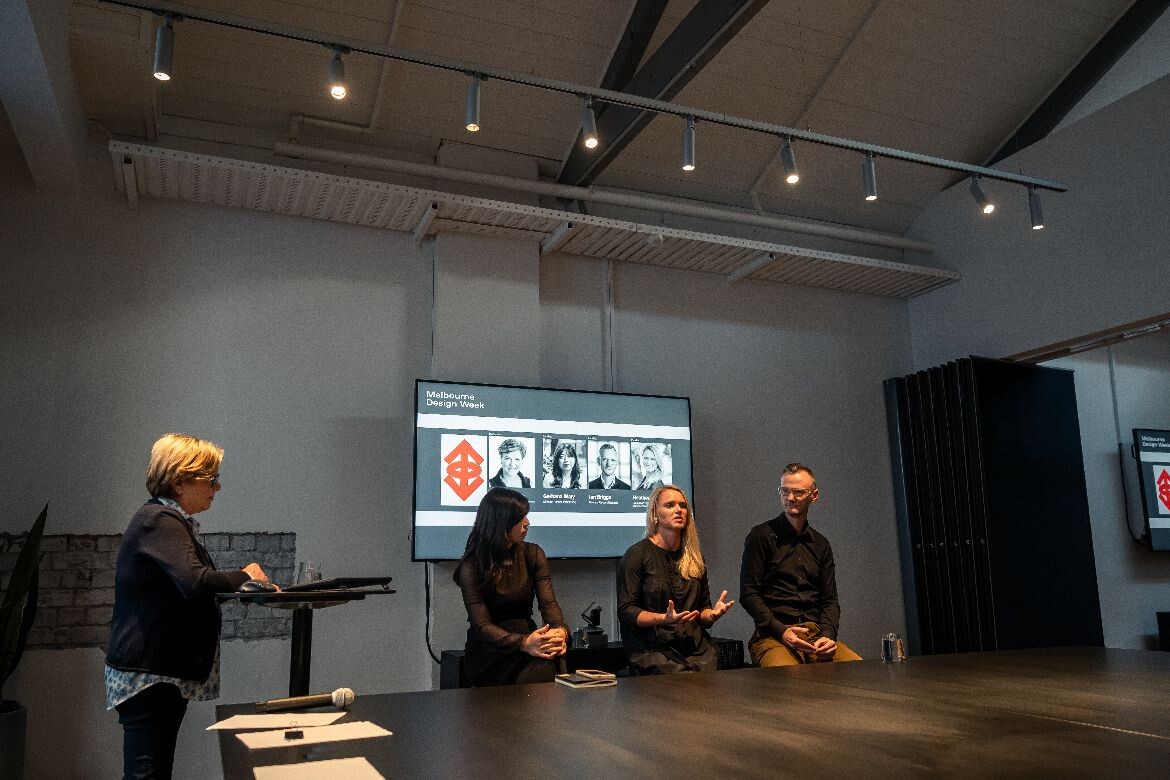
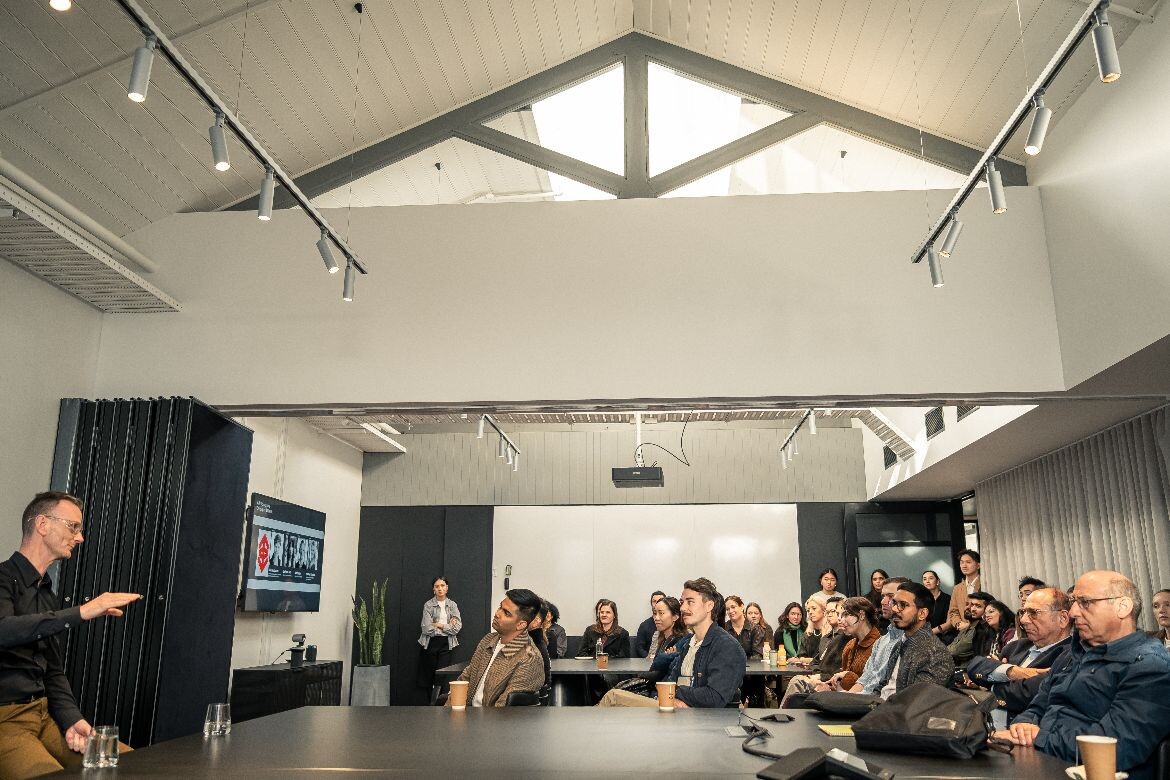
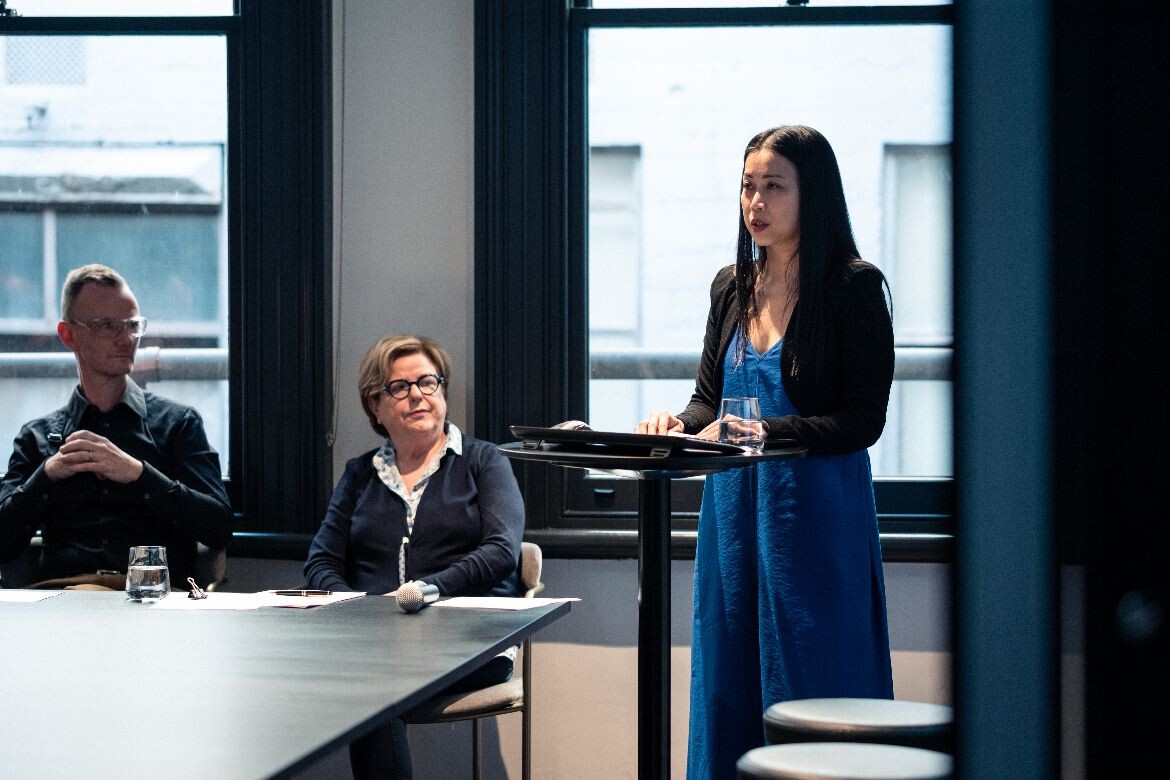
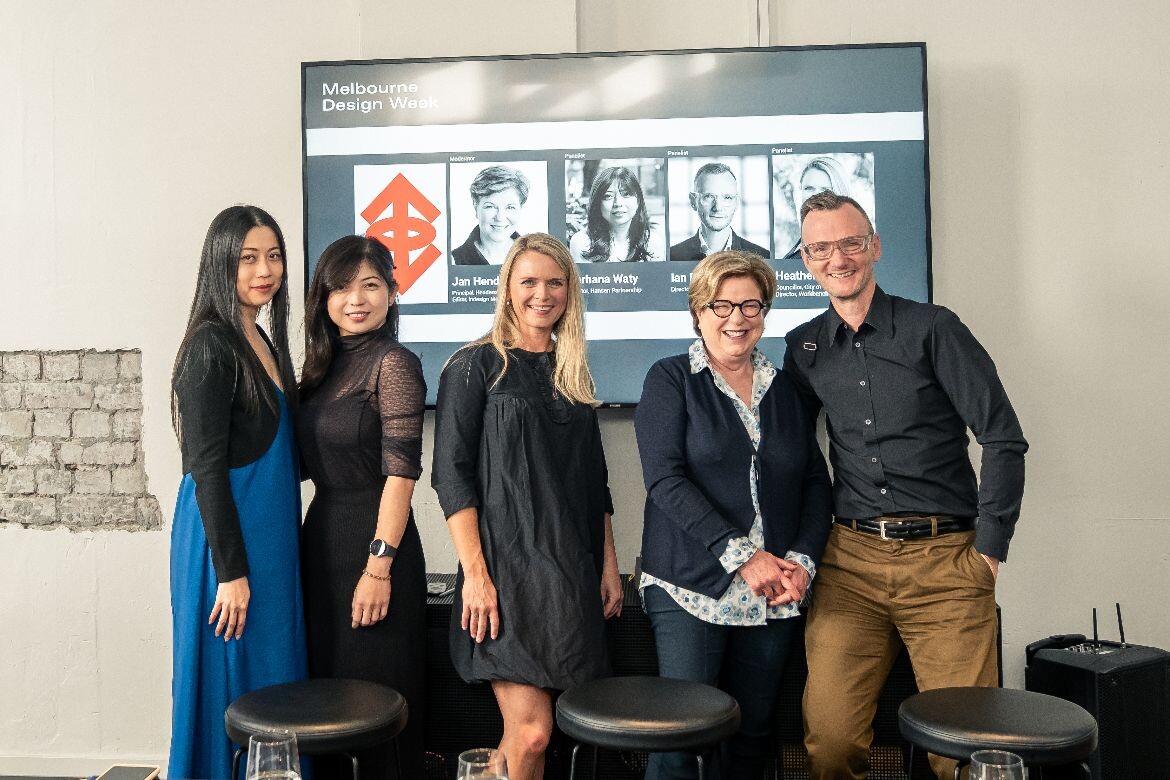
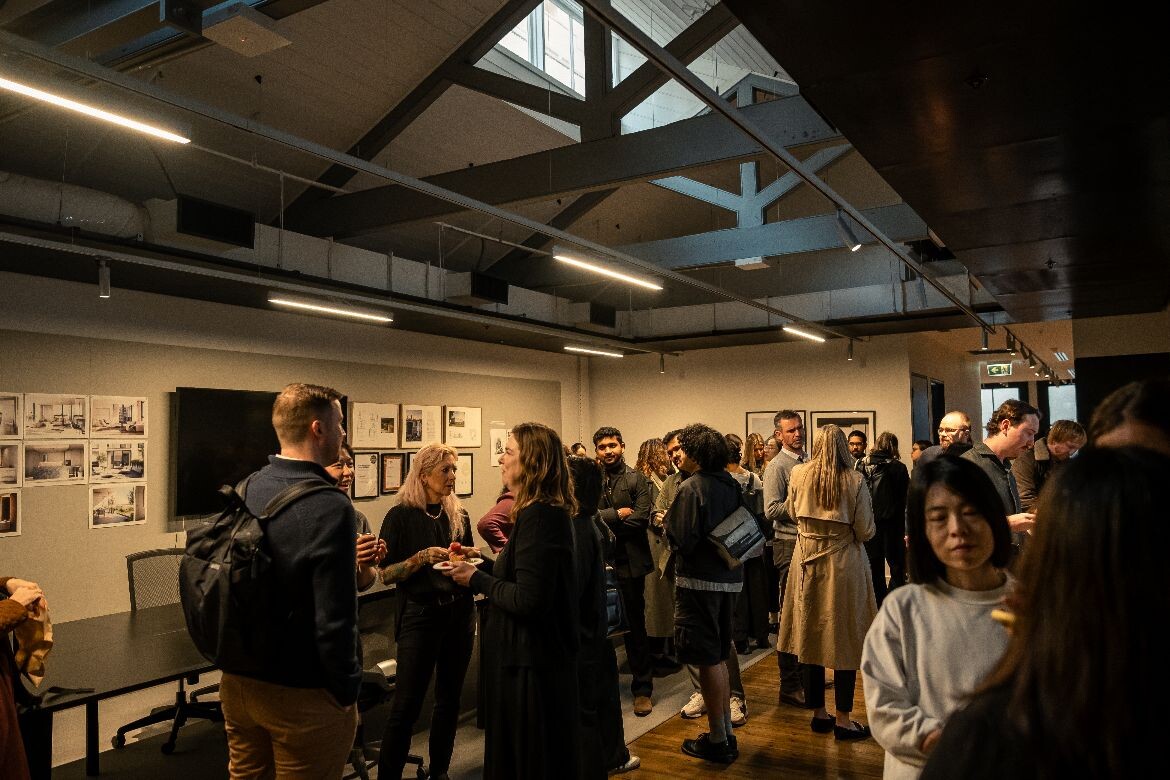
Earlier this year during Melbourne Design Week, Plus Studio’s Ian Briggs joined Gerhana Waty (Hansen Partnership) and Heather Cunsolo (City of Port Phillip + Workbench) in a discussion moderated by Jan Henderson. Speaking to a full audience, the panel explored the challenges, opportunities and realities of urban development and liveability in Melbourne.

Covering planning, design, heritage, local government and community expectations, the session sparked a wide range of questions. Some of the key themes included:
Who creates policy and what does it actually mean in the context of urban development?
Heather Cunsolo: Policy is often created by local councils through community engagement strategies, such as the City of Port Phillip’s Housing Strategy 2024–2039. These policies tend to be progressive and community-driven, but implementation is the challenge. Even with strong policy and planner support, councillors may reject development due to resistance from residents, particularly around issues like reduced parking. To progress, we need better education around the benefits of densification.
Gerhana Waty: Policy is a complex, evidence-based process shaped by multiple experts. It guides designers, developers and communities, but implementation is difficult when profit margins are pressured. To make policy effective, governments need to balance incentives and regulation, and potentially streamline approvals.
Where does public funding end and private funding begin, particularly when considering community benefit?
Ian Briggs: In urban design, public and private benefits often overlap. Risk sits heavily with developers, but negotiated outcomes can work. The Macaulay structure plan is one example, where developers were offered additional height and density in exchange for community benefits such as affordable housing. Plus Studio delivered affordable housing in return for three additional storeys on a project. This kind of model works when neighbourhood amenity is preserved.
Heather Cunsolo: We need bolder thinking about how cities grow. The City of Port Phillip gifted land previously used as a car park to a housing association, which built housing above while retaining the car park below. Another strategy is embedding civic uses in new buildings. Councils rarely have the budget to purchase sites for displaced community groups, but integrating them into developments could be a viable alternative.
Related: Simone LeAmon is the new DIA CEO
What are some success stories of good density?
IB: Germany offers a model where national housing goals cascade to state and local targets, and government envoys are embedded in each project, removing speculation. Tokyo in the 1980s removed most planning constraints to address a housing shortage. The result was not perfect, but it created a surplus of affordable housing. Melbourne sits between these extremes, especially as middle-ring suburbs shift towards higher density through the Victorian Government’s Activity Centres program.
GW: The Postcode 3000 Initiative brought residents back to Melbourne’s CBD, but today’s inner-city population is transient. We often treat housing density in isolation, without considering footpaths, wind mitigation, schools or family-friendly spaces. People need to learn how to live in apartments, including body corporate responsibilities. Without support for families in the CBD, many move out once children arrive.

What about the incorporation of heritage in densification?
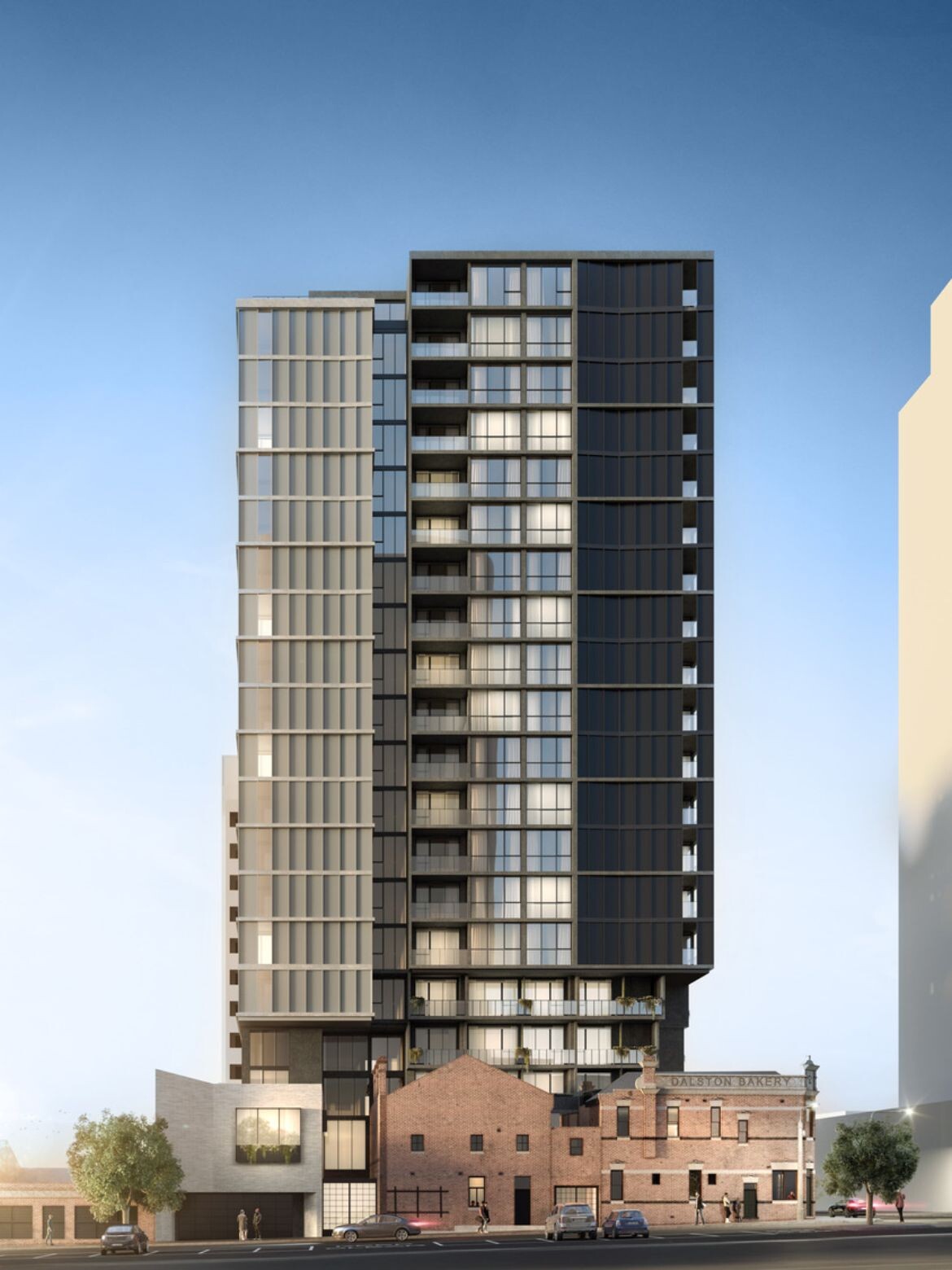
IB: Heritage shapes memory and character, differentiating suburbs like St Kilda, Fitzroy and Hawthorn. It’s understandable that established communities value that identity. But we also can’t live in a time capsule. New buildings should be able to express the present and become the heritage of future generations.
HC: Albert Park and Middle Park have valued heritage, but their high streets hold significant potential for density. Heritage should not always be a barrier. In some cases, the greater good, such as creating public open space, might justify demolishing certain buildings. We need to protect what is most important while staying flexible about future needs.
Could Build to Rent (BTR) shift community perspectives on density?
GW: BTR is often perceived as better quality due to developers holding buildings long-term. This helps communities see that developers are not simply building and leaving. Ownership models, whether through renters or apartment owners, can shift attitudes from “not in my backyard” to a shared sense of place.
IB: Current BTR models are not always affordable, but some developers are exploring pared-back versions. BTR encourages durable, low-maintenance, energy-efficient buildings, and helps normalise renting as a positive lifestyle choice.
While this is only a snapshot of the conversation, it’s clear there is significant passion and ongoing dialogue around urban density. The topic is complex and layered, but architects, planners, designers and policymakers all play a central role in shaping more liveable cities.
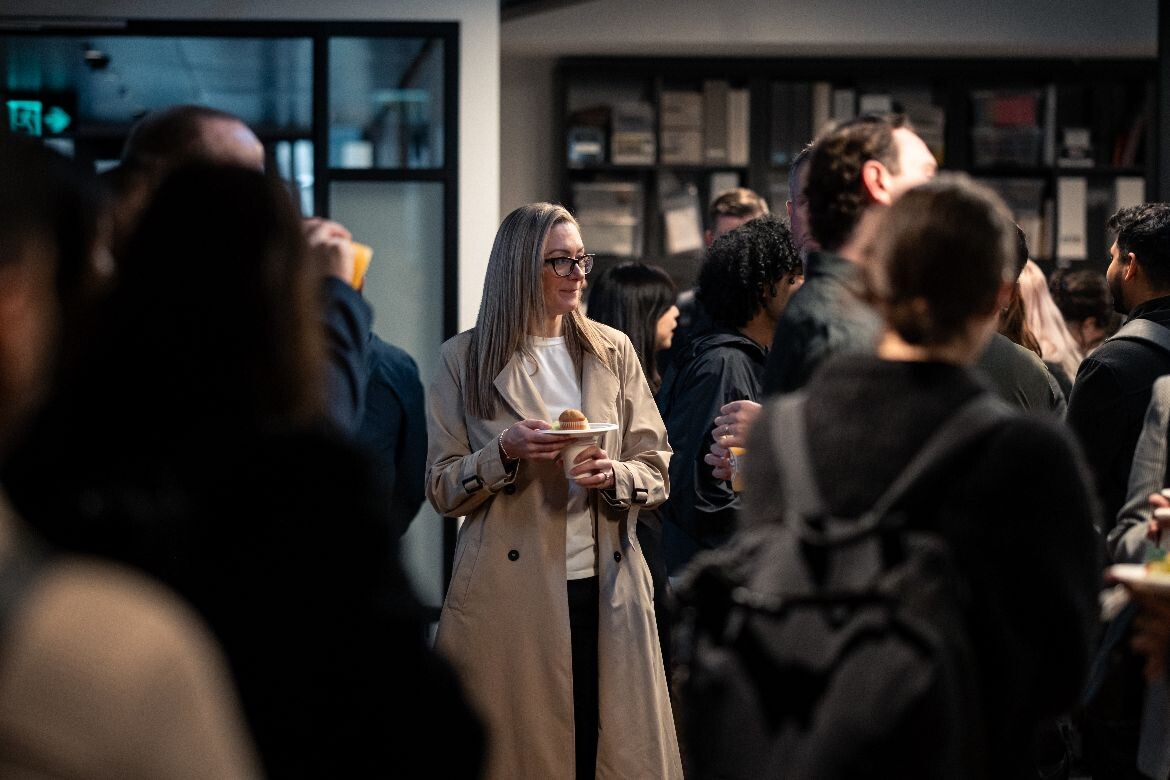
Plus Studio (formerly PLUS Architecture) opened its Melbourne studio for the event Designing Density: creating liveable communities for Victorians as part of Melbourne Design Week 2025.
Plus Studio
plusstudio.co
Photography
Mau Cheng