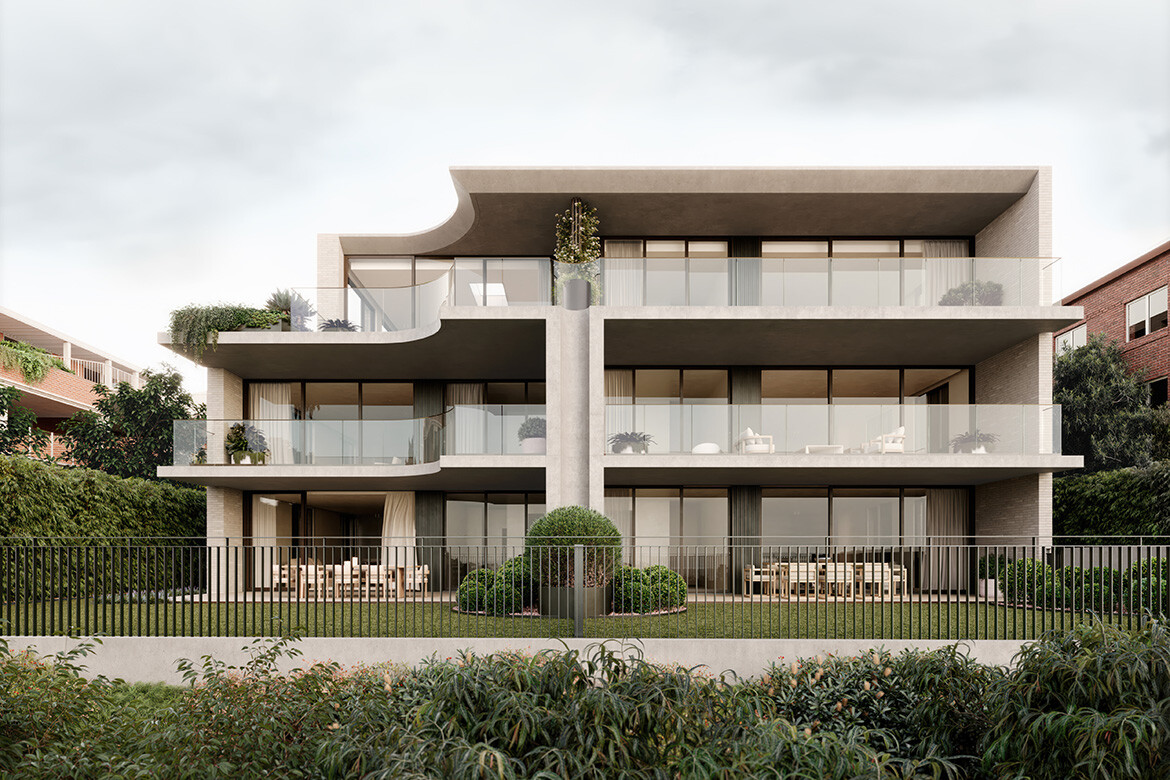
What do you see as the role of a Principal today, beyond project delivery, particularly as Plus Studio’s Sydney presence continues to grow?
The role of a Principal varies depending on the practice and the individual skill sets at play. What drew me to Plus, and what genuinely excites me each day, is the opportunity to spend the greatest proportion of my energy on my core passion – design, and the act of making.
While the role naturally encompasses responsibilities such as authoring new projects, expanding the portfolio and contributing strategically to the studio’s growth, my key focus is on cultivating a strong and progressive design culture. I see my role as one of stewardship: keeping the studio focused on innovation, design quality and ambition, while actively supporting emerging talent. Creating the conditions for people to do their best work through mentorship, trust and opportunity is essential not only for individual growth, but for the long-term strength and identity of the studio.
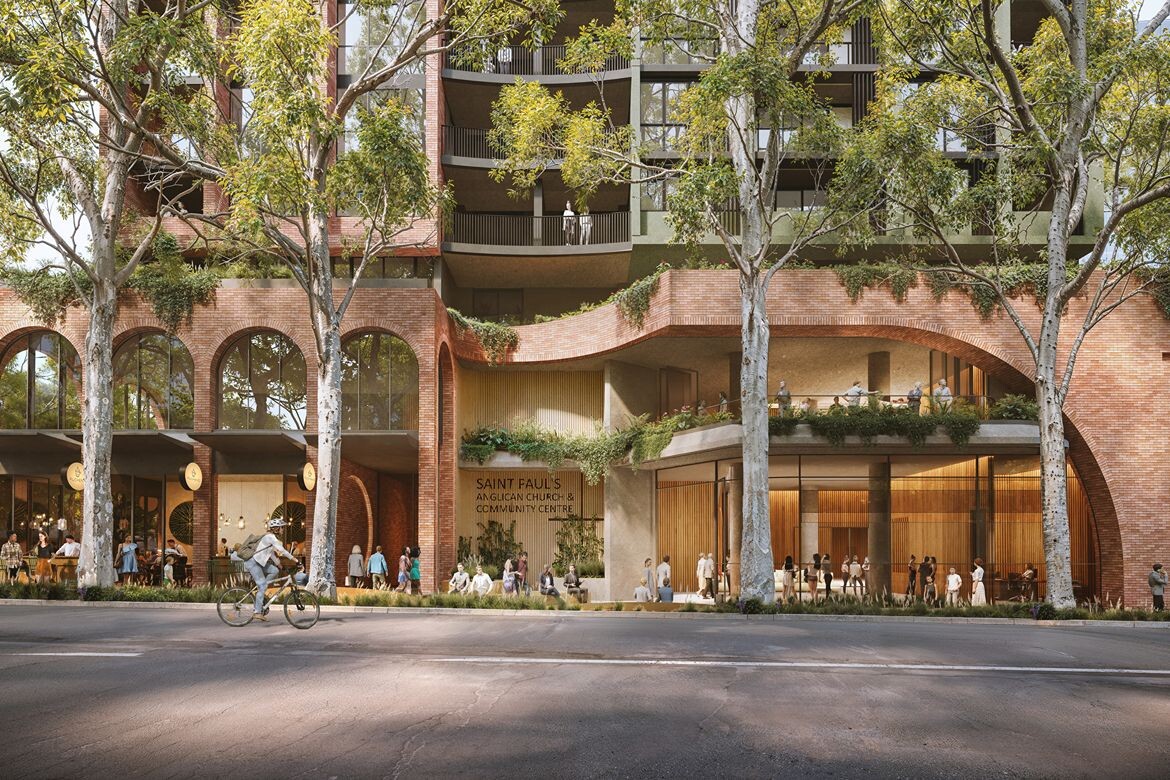
You’ve worked extensively on education and mixed-use projects in dense urban environments. Why are these integrated typologies becoming more prominent in Australian cities now?
I find the education sector incredibly rewarding. It’s a typology where the cumulative impact of design decisions can genuinely shape someone’s daily experience and long-term journey. Seeing students, teachers and the wider community actively using and inhabiting these spaces brings a real sense of purpose to the work.
In Australia, we’re at a pivotal moment. Our cities are growing denser, populations are expanding and the demand for new schools is increasing. Yet the traditional model of a standalone, inward-looking school no longer makes sense in high-value urban contexts. Land constraints and economic realities require us to think differently.
This has led to more integrated and hybrid typologies. Once security and operational challenges are thoughtfully resolved, these projects can become deeply embedded in their communities, sharing facilities, extending hours of use and reducing duplication of programme. The result is more efficient use of land and resources, but also buildings that are more sustainable, resilient and connected to everyday city life.
Related: Behind the Brand with Jasper Sundh
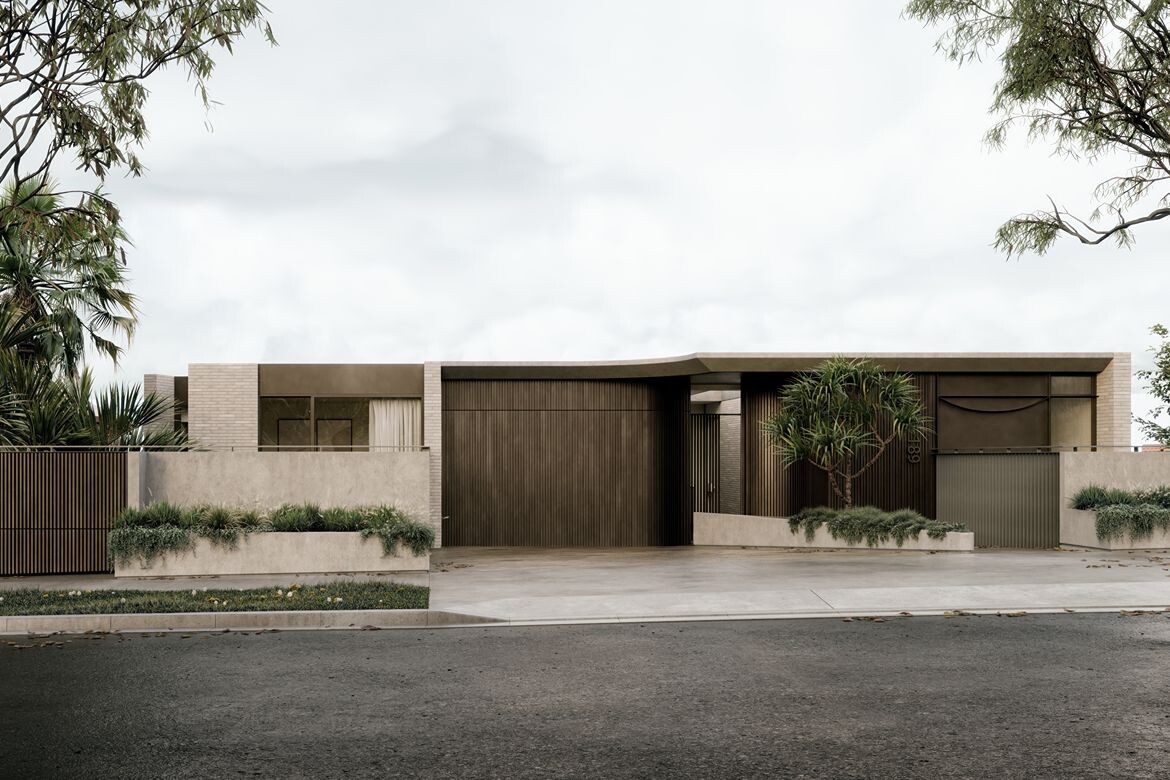
Projects like Green Square Public School blur boundaries between civic, educational and public space. What are the key design challenges and opportunities in creating that openness?
Green Square was ambitious in both intent and execution. As one of the first projects of its kind, there was no clear precedent to follow, which meant many strategies had to be developed for the first time. That uncertainty was challenging, but it was also what made the project rewarding.
The core challenge was balancing competing requirements. The building needed to operate seamlessly across different modes: a secure school during learning hours and an open civic asset outside of them. Designing for that level of adaptability required a deep understanding of how spaces transition, overlap and are controlled over time.
In principle, education and civic buildings can share sports facilities, halls and outdoor spaces. Security is where these typologies typically diverge. Resolving that required a nuanced approach to planning, access and zoning, ensuring safety without compromising openness. It also involved a complex network of stakeholders, demanding time, trust and collaboration.
Now complete, the building has been embraced by the community. It demonstrates the value of integrated civic-education models and establishes a template for similar projects in dense urban environments, both in Australia and globally.
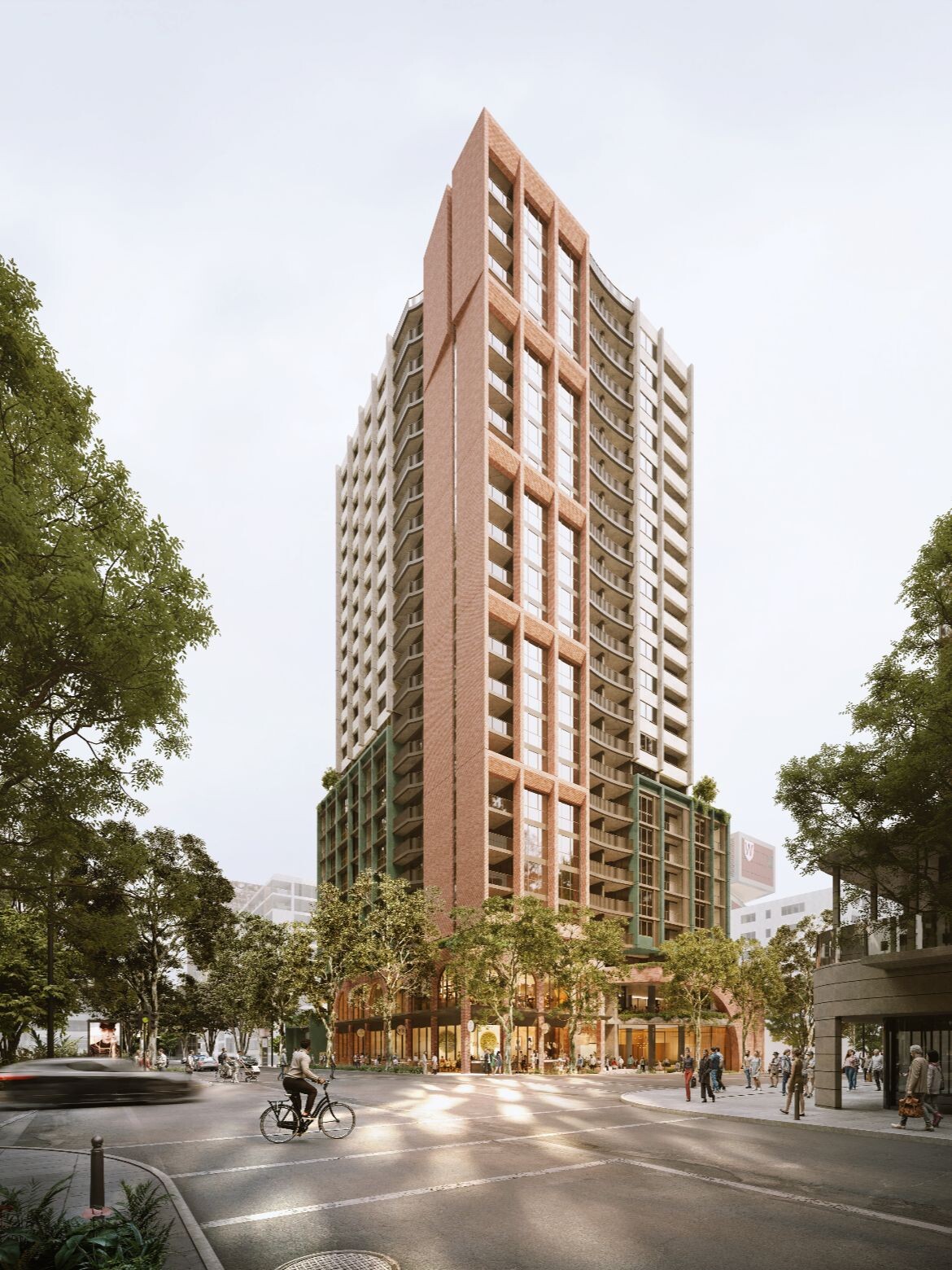
You’ve spoken about the importance of “stretching the brief.” How does that play out when balancing sustainability, budget and client expectations?
It’s always a layered and strategic process rather than a set of competing priorities. Much depends on the client’s relationship to the asset. With a long-term owner, you can consider sustainability, cost and performance across the full lifecycle. In other cases, ambitions need to be delivered through more targeted interventions.
On a commercial building in northern Sydney above an active rail reserve, strict weight and structural constraints could have limited viability. By adopting a hybrid timber structure, we reduced the building weight and increased the scheme by five additional levels. While timber carried a modest premium, the uplift in net lettable area transformed feasibility and delivered a 40 per cent reduction in embodied carbon. In that instance, sustainability, commercial return and design ambition were mutually reinforcing.
At Green Square, we relocated a games court from rooftop to ground level, making it publicly accessible outside school hours. That increased civic value and removed the need for a separate community basketball court elsewhere, avoiding additional construction, cost and embodied carbon.
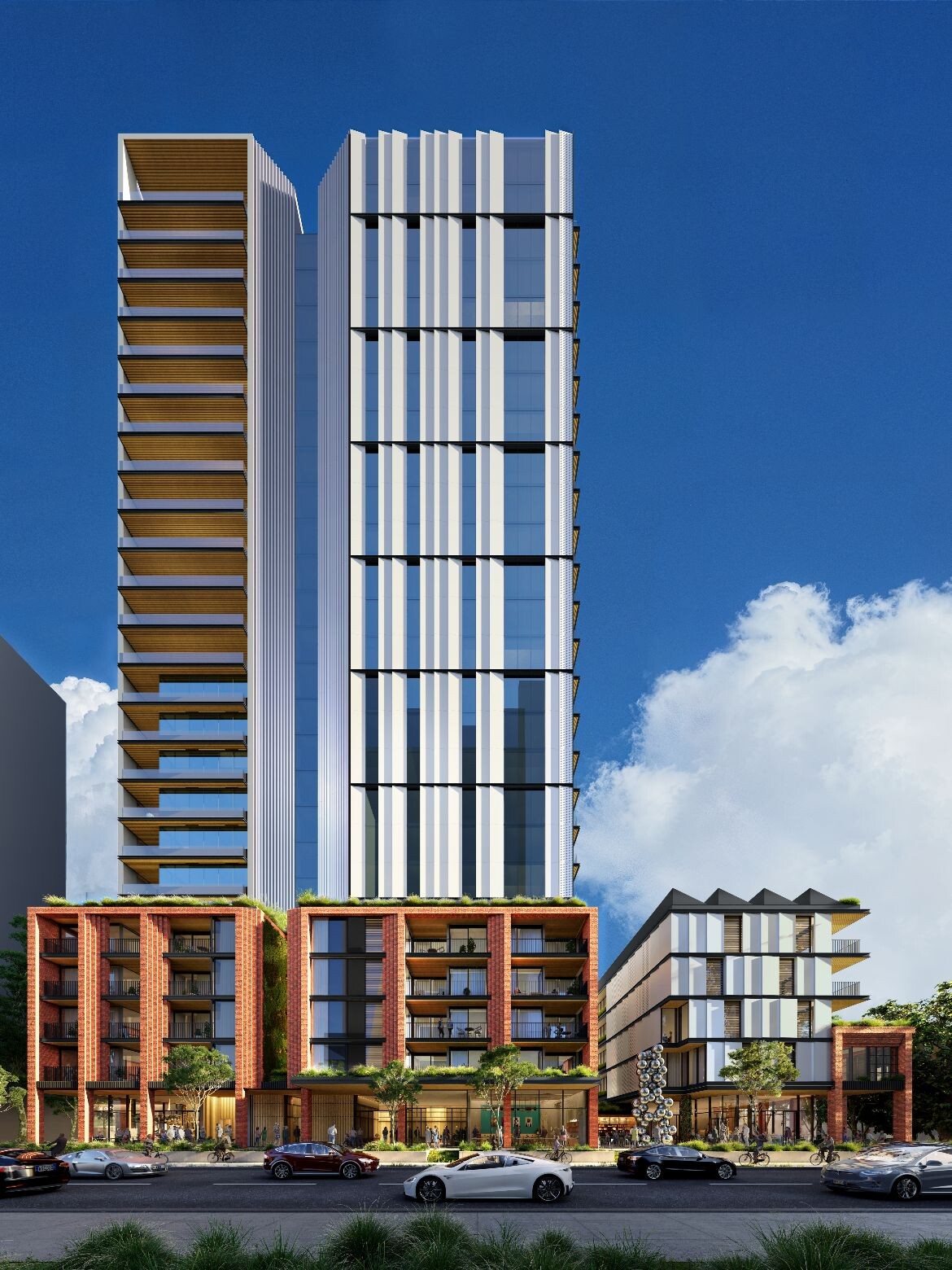
On a current build-to-sell project in Five Dock, we’re reusing bricks and timber salvaged from an existing warehouse. This reduces material costs, lowers embodied carbon and establishes a tangible connection to place. For me, stretching the brief is about identifying opportunities where design intelligence unlocks multiple outcomes at once.
You’re helping develop a studio-wide design review framework at Plus Studio. How do you foster a culture of rigorous but collaborative critique?
We’ve focused on creating an open forum where projects can be discussed thoughtfully and constructively. The aim isn’t to review work in a top-down sense, but to collectively elevate it by drawing on shared intelligence across the studio.
A key part of this is helping teams articulate why design decisions are being made, linking concept, place, sustainability and delivery. When teams can rationalise their thinking confidently, it strengthens both the project and the studio culture.
The framework acknowledges that project teams are the ultimate authors. Reviewers support, challenge and amplify their thinking in alignment with the studio’s values. Fresh perspectives can be invaluable when you’ve been embedded in a project for a long period. By bringing teams together regularly, we break down silos and build shared ownership. Over time, this builds studio-wide confidence in design thinking that is both rigorous and collaborative.
You’re also exploring AI-assisted workflows. Where does AI add real value, and where does human judgement remain essential?
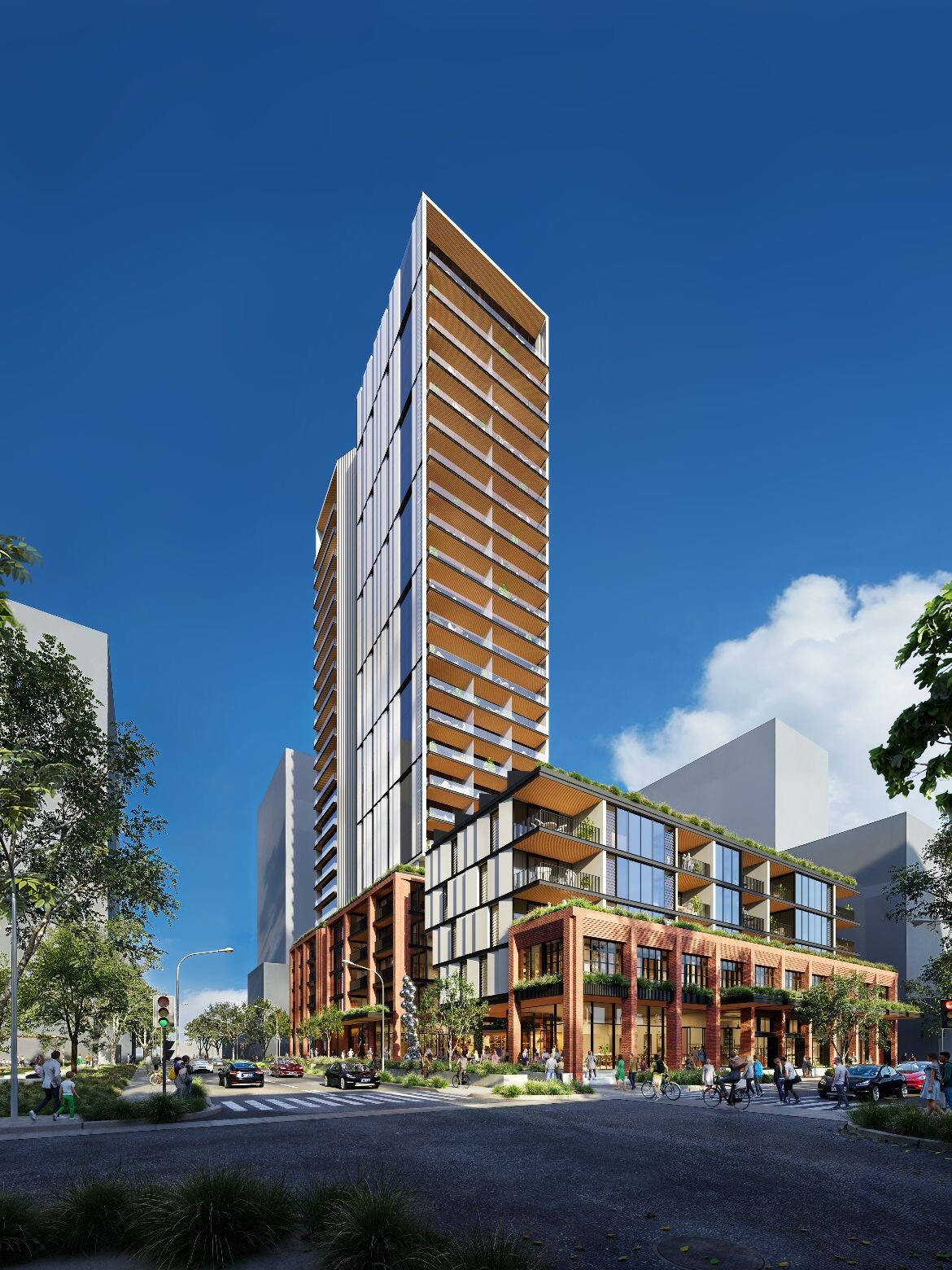
I’ve been trialling AI across projects for several years now, with varying success. The most exciting opportunity lies in how it enables teams to test ideas, iterate rapidly and explore options at a speed that wasn’t possible before. Moving from a basic massing model to a rich representation can now happen very quickly, fundamentally changing how ideas are developed and communicated.
The pace of advancement is extraordinary. The time between initial idea and clear, communicable proposition continues to shrink.
That said, AI does not replace architectural judgement. The quality of the output depends on the quality of the input. Our role becomes increasingly curatorial: setting intent, framing the right questions and applying critical judgement to what is produced. Human insight, intuition and responsibility remain essential, particularly when it comes to context, ethics and design quality.
For the foreseeable future, AI is a powerful amplifier of human creativity rather than a substitute for it.
Plus Studio
plusstudio.co