The home of architecture and design in the Asia-Pacific
Get the latest design news direct to your inbox!

Get the latest design news direct to your inbox!
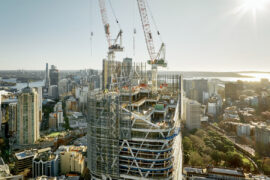
In this SpeakingOut! Interview, Peter Titmuss from BVN explores the complexities of adaptive reuse through the transformation of Sirius, unpacking how legacy, sustainability and contemporary living can coexist within one of Sydney’s most debated residential buildings.
March 31st, 2026
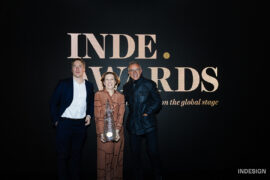
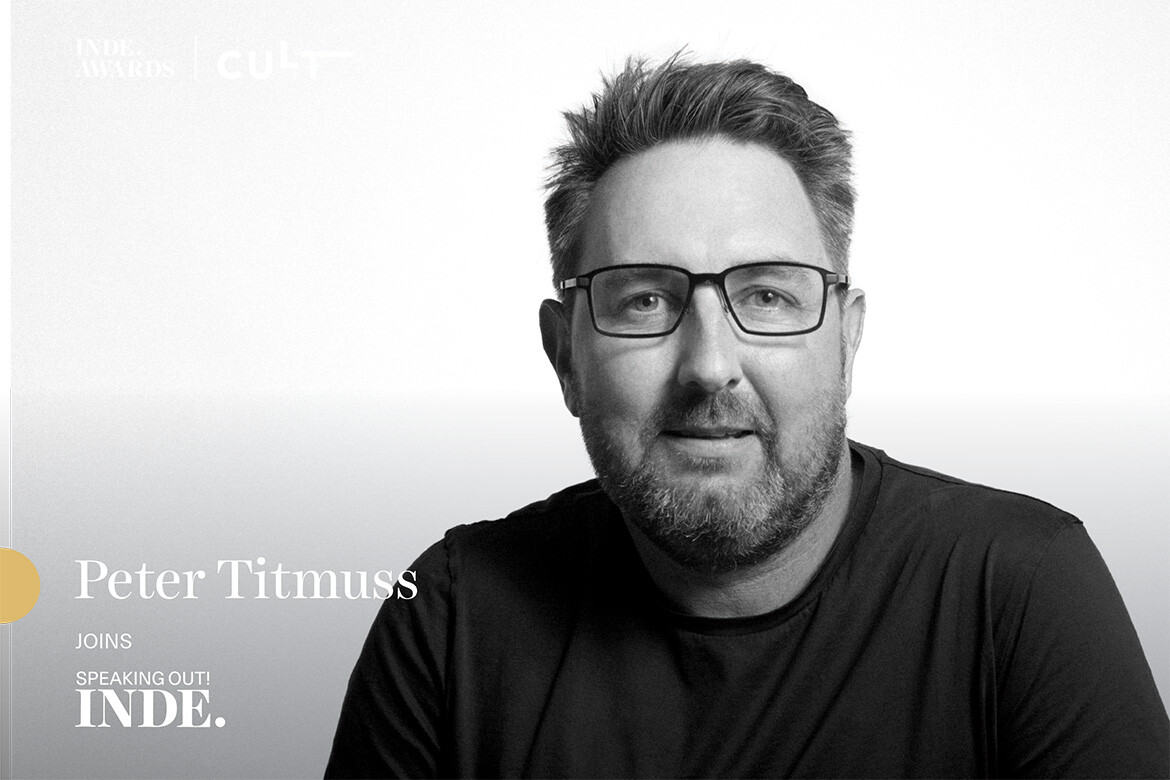
As part of the SpeakingOut! series for the 2026 INDE.Awards, Program Director Jan Henderson sits down with Peter Titmuss, Principal at BVN, to discuss the challenges and opportunities behind one of Australia’s most high-profile adaptive reuse projects.
This episode is proudly supported by CULT, category partner of The Multi-Residential Building, as the INDE.Awards celebrates its 10th anniversary – marking a decade of recognising excellence across the Indo-Pacific’s architecture and design landscape.
For Peter Titmuss, architecture has always been about more than buildings, it’s about uncovering the real problem to solve. While briefs provide a starting point, he explains that the most meaningful design outcomes emerge through exploration, collaboration and a willingness to question assumptions.
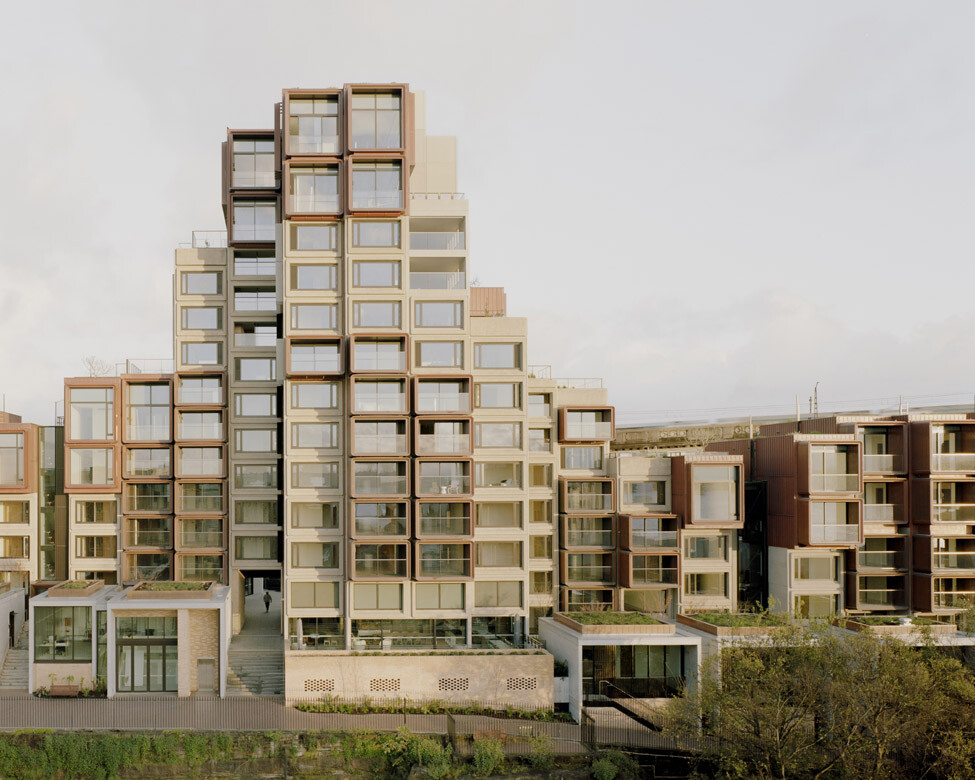
This philosophy was central to the transformation of Sirius. Originally designed in the late 1970s and completed in the early 1980s, the building carried both architectural significance and strong public sentiment. Its future was highly contested, placing immense scrutiny on every design decision.
Rather than approaching the project as a simple refurbishment, BVN treated Sirius as a layered and complex challenge. The team navigated structural limitations, outdated building standards, tight apartment configurations and the realities of working within an existing form, all while responding to the cultural weight the building holds within Sydney.
At its core, the project was driven by two key ambitions: to retain the memory and recognisability of the original building, and to elevate its contribution to the public realm.
Titmuss reflects that his path into architecture began early, though his understanding of the profession has evolved significantly over time. What continues to motivate him is the diversity of voices and expertise involved in every project.
Having worked across sectors and scales since joining BVN in 2005, he values the uniqueness of each project. For him, the most exciting phase is the beginning, when possibilities are still open, and the true challenges of a project begin to reveal themselves.
His experience on Sirius reinforced this mindset, highlighting the importance of patience, curiosity and a deep understanding of the existing built fabric before intervention can begin.
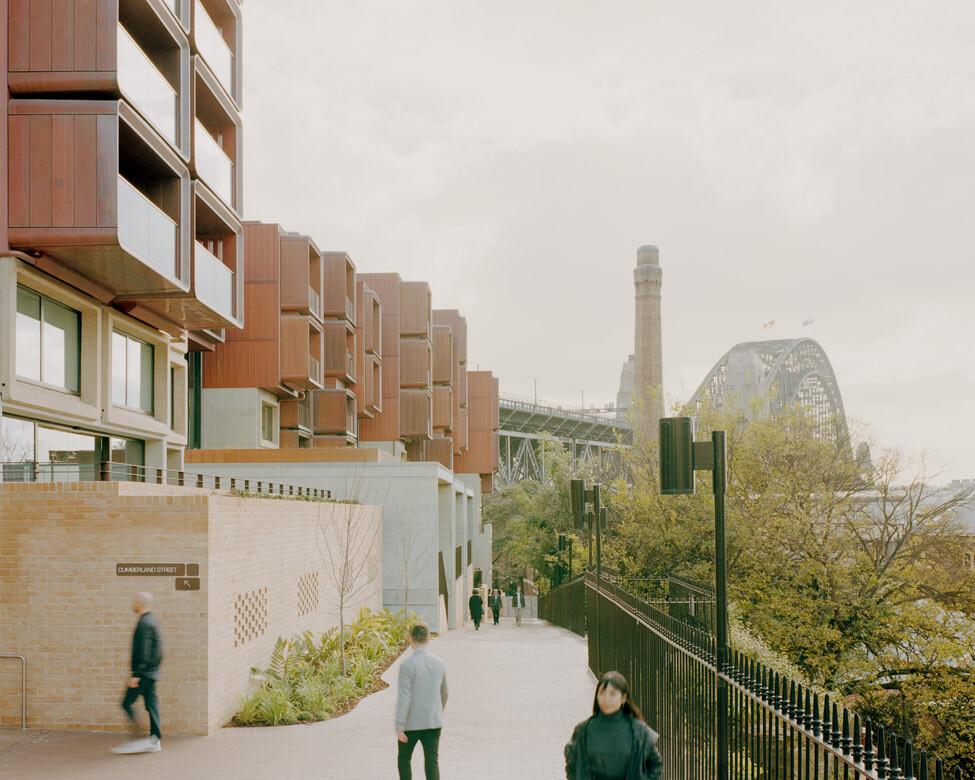
The redevelopment of Sirius stands as a defining example of adaptive reuse in Australia. Faced with significant structural, spatial and regulatory challenges, BVN sought to reimagine the building for contemporary living without erasing its identity.
One of the most notable interventions was the introduction of external balconies, an amenity absent in the original design but now considered essential. While visually seamless, this addition required precise engineering and construction, particularly given the variability of the existing concrete structure and the building’s limited capacity for additional load.
Internally, the team reconfigured apartments to improve liveability, introducing cross ventilation, enhancing natural light and upgrading thermal performance through insulation and glazing improvements. These changes transformed what were once cellular, inward-looking spaces into more open, breathable homes connected to their surroundings.
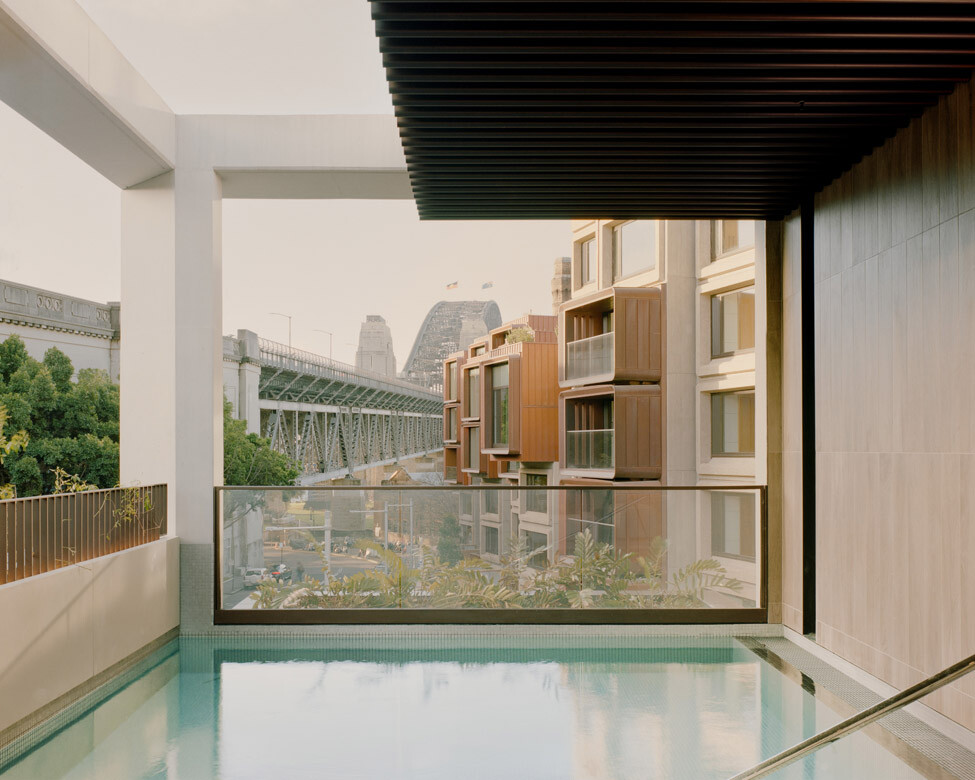
Equally important was the building’s relationship to its context. By opening up access and strengthening connections to The Rocks and the harbour, Sirius now offers both residents and the public a more engaging and inclusive experience.
Beyond its architectural resolution, Sirius represents a broader shift in how the industry approaches existing buildings.
The decision to retain and adapt, rather than demolish, resulted in significant embodied carbon savings, reinforcing the environmental value of reuse. At the same time, the project demonstrates how heritage, even when not formally listed, can be respected through thoughtful design.
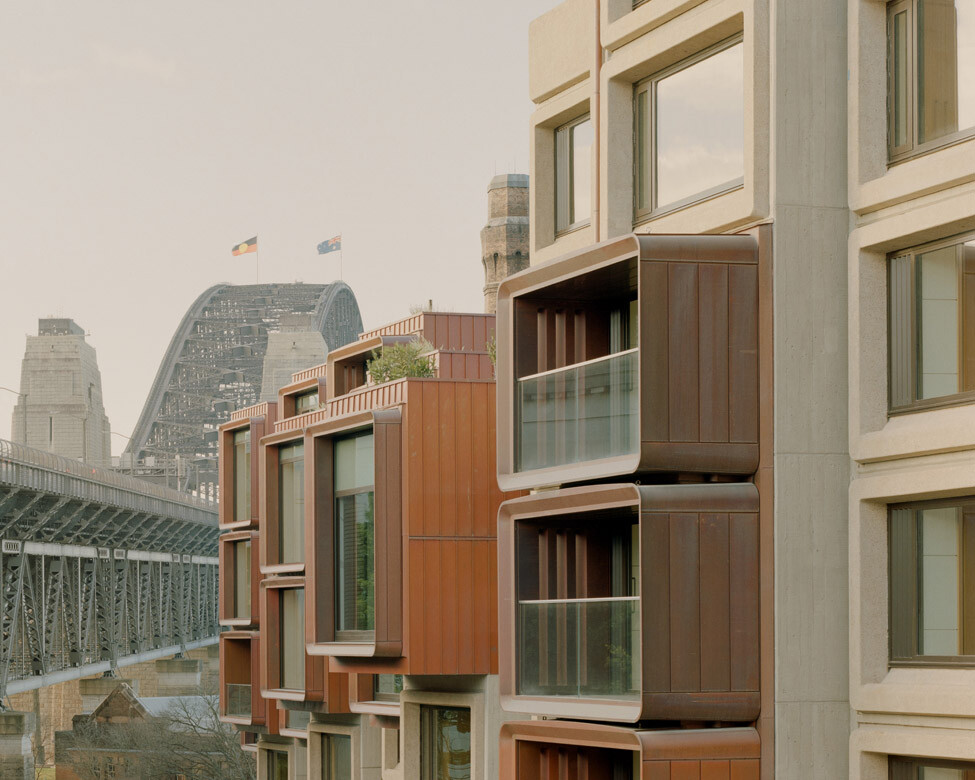
Titmuss notes that working with existing structures introduces a richness and complexity that new builds often lack. It challenges architects to think differently, collaborate more closely and embrace unpredictability – qualities that are increasingly important in a resource-conscious and sustainability-driven industry.
Sirius also highlights the social and cultural responsibility of architecture, proving that even contentious projects can evolve into meaningful contributions to the urban fabric.
With nearly eight years from inception to completion, Sirius is a testament to perseverance, collaboration and the power of design to reshape narratives.
Thank you to Peter Titmuss for sharing his insights, and to CULT for supporting The Multi-Residential Building category at the 2026 INDE.Awards.
To hear the full conversation, listen to the complete SpeakingOut! Episode here. Entries to the 2026 INDE.Awards have been extended, submit your entry today at www.indeawards.com.
INDESIGN is on instagram
Follow @indesignlive
A searchable and comprehensive guide for specifying leading products and their suppliers
Keep up to date with the latest and greatest from our industry BFF's!
The internet never sleeps! Here's the stuff you might have missed