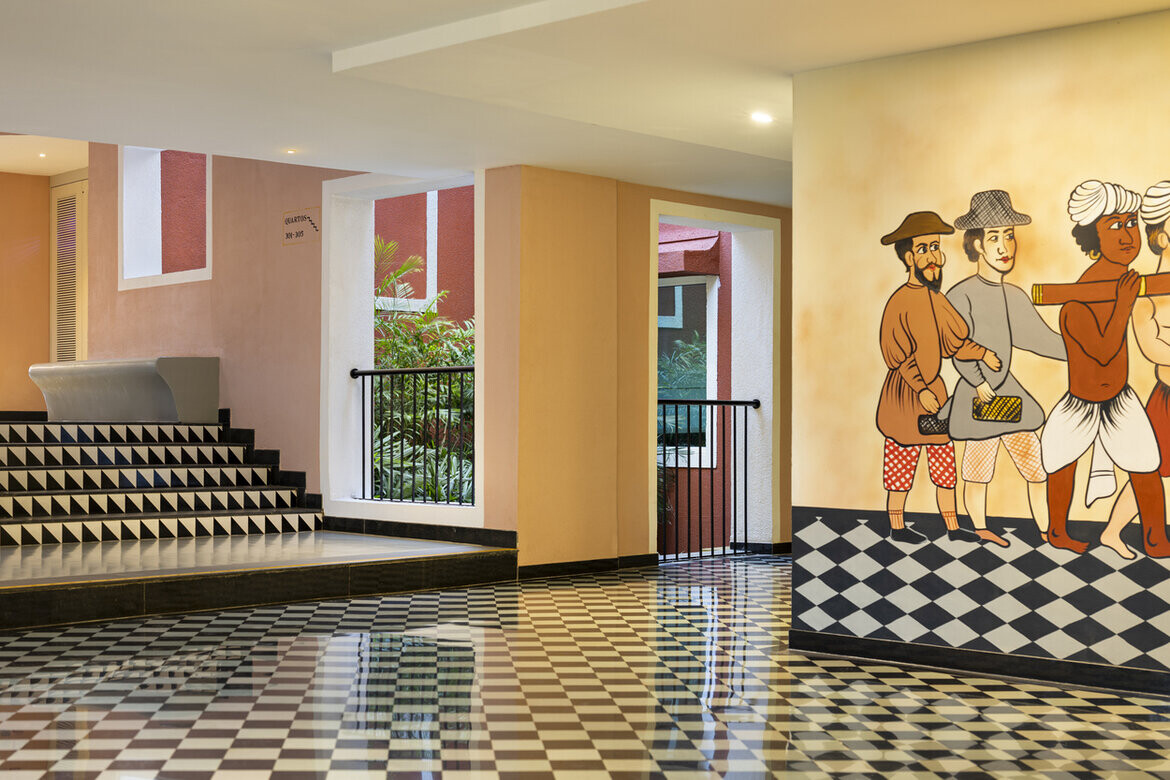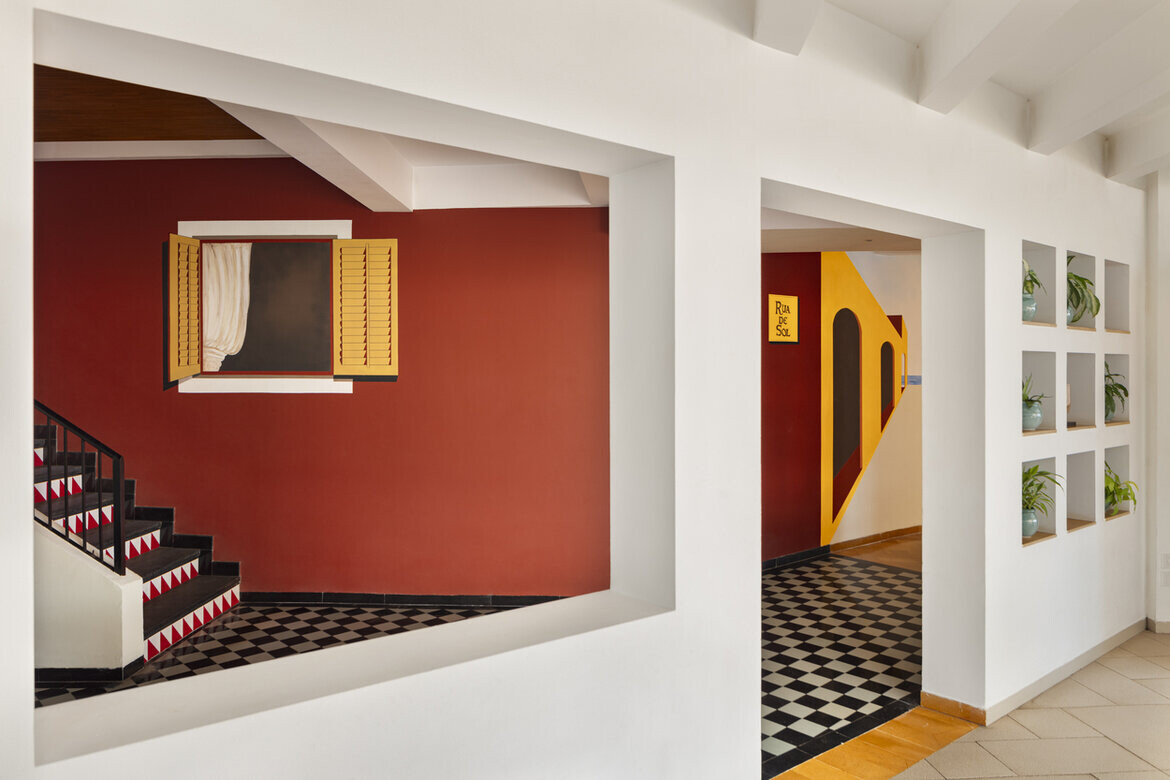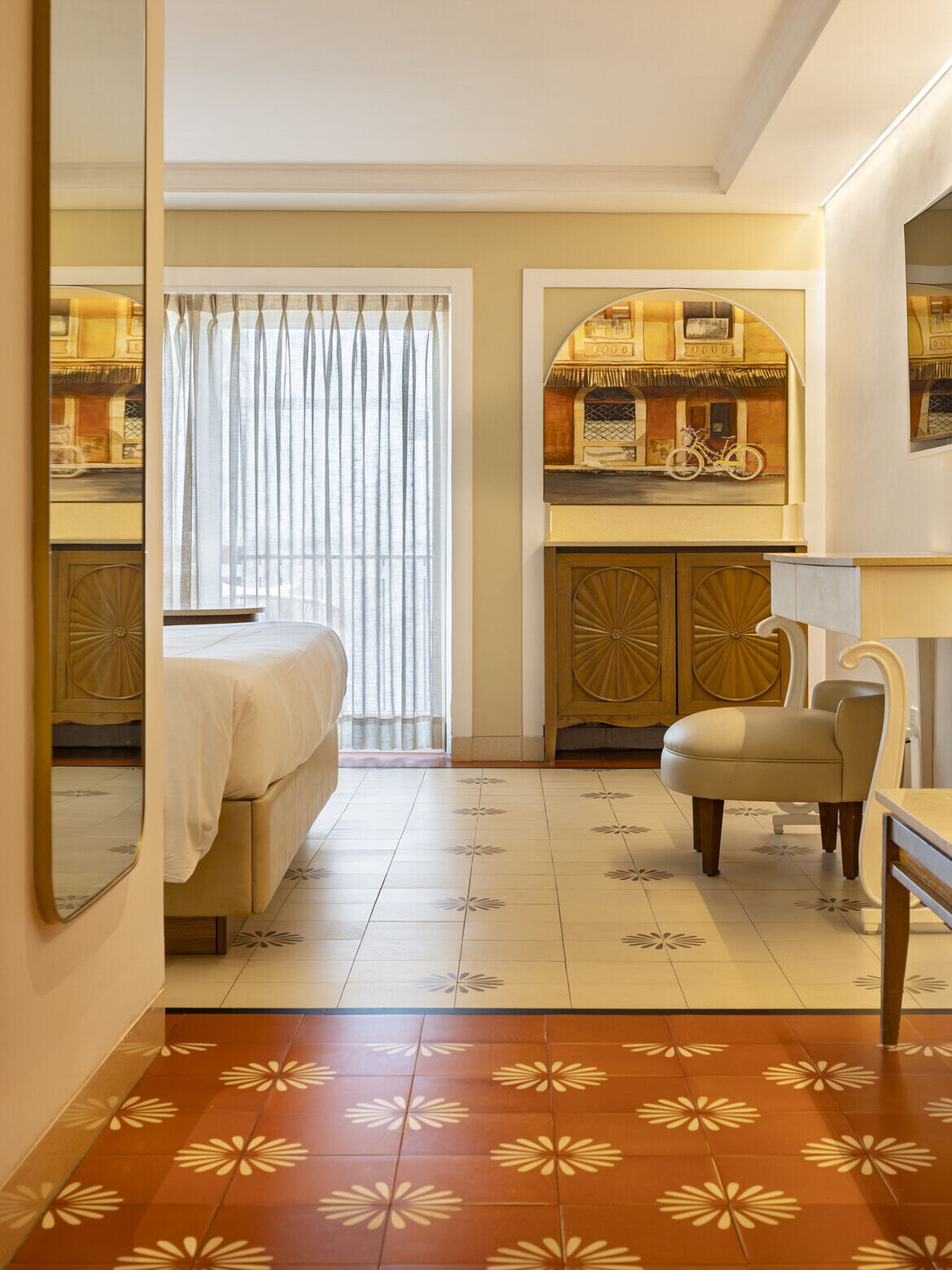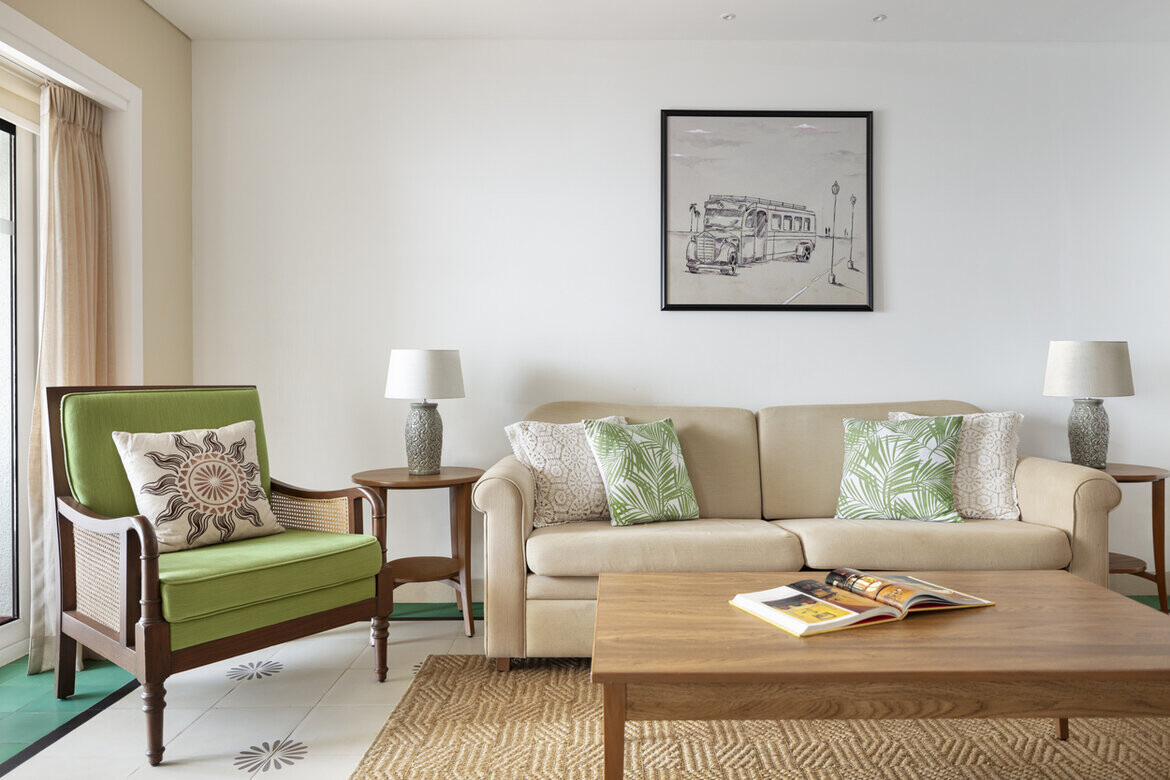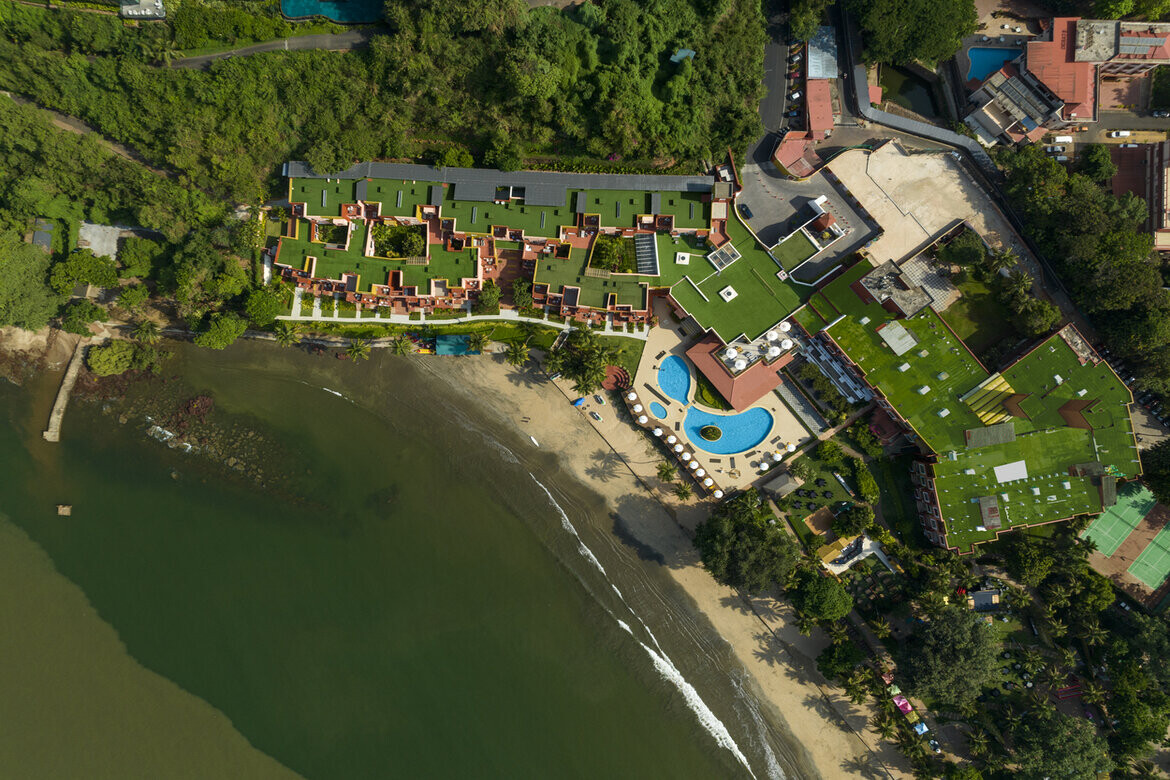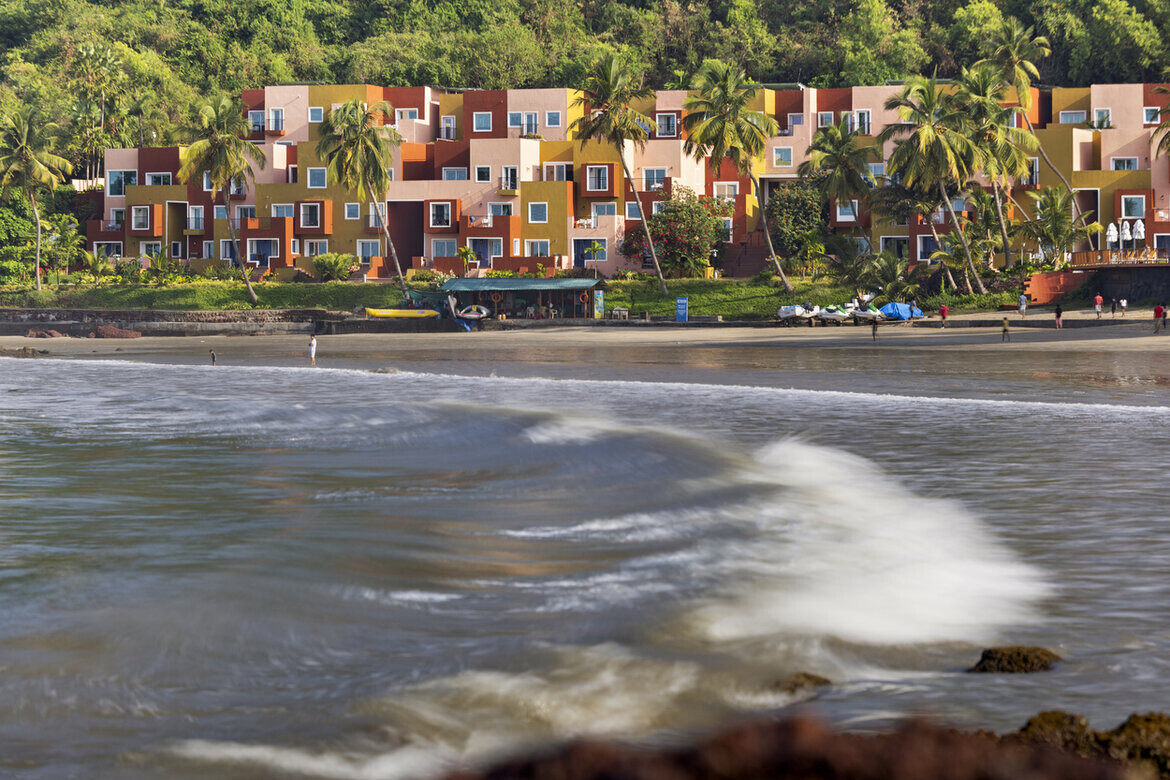
Studio IV Designs has completed a sensitive reworking of one of India’s most significant hospitality projects: Charles Correa’s Cidade de Goa, now Taj Cidade de Goa Heritage Resort. Originally designed in 1982, the resort occupies a distinctive place in Correa’s body of work, which consistently joined modern architecture to climate, culture and patterns of everyday life. The Charles Correa Foundation describes him as a pivotal figure in post-independence Indian architecture, with work spanning buildings, housing and urban design, all shaped by a strong sensitivity to place and social use.
That makes Studio IV’s task a delicate one. Rather than overwrite the original, the practice has focused on recovering the spatial spirit of Correa’s design: a breezy Indo-Portuguese hamlet by the sea, composed through interconnected rooms, intimate courtyards and narrow pathways that unfold almost like a small village. Much of that character had been dulled over time by ad hoc changes and the pressures of climate, prompting a redesign that aimed less at reinvention than at restoration and recalibration.
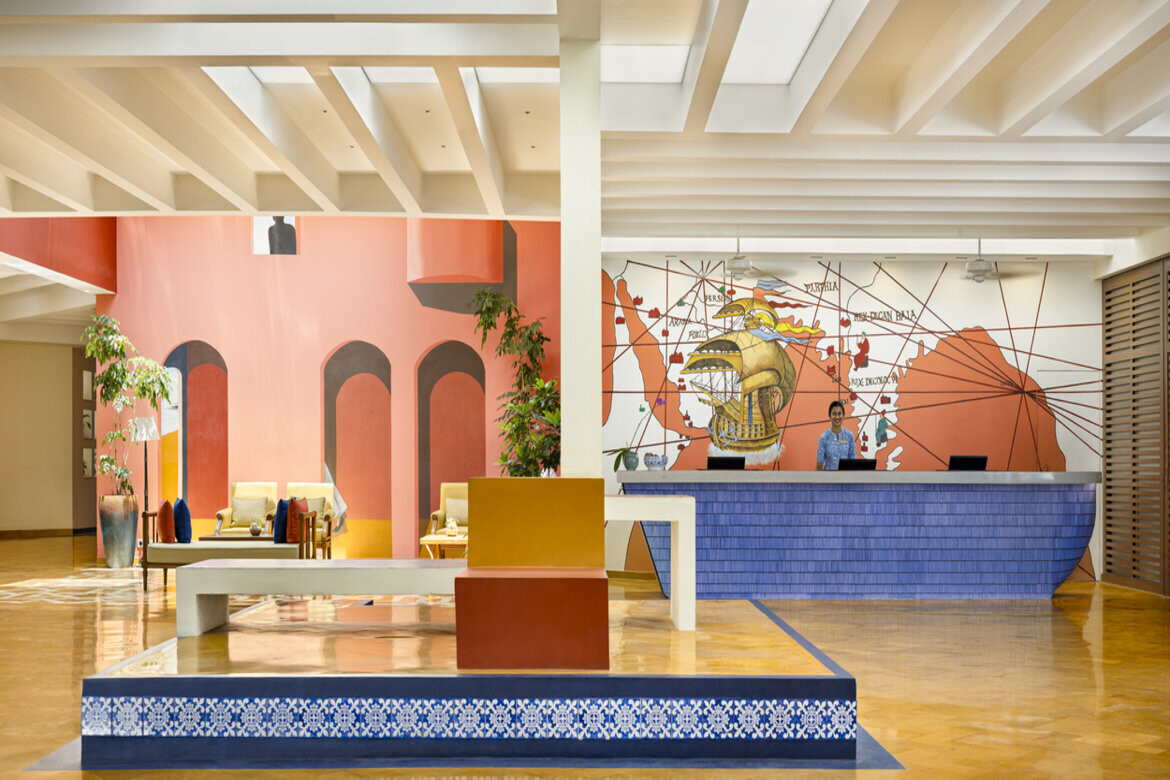
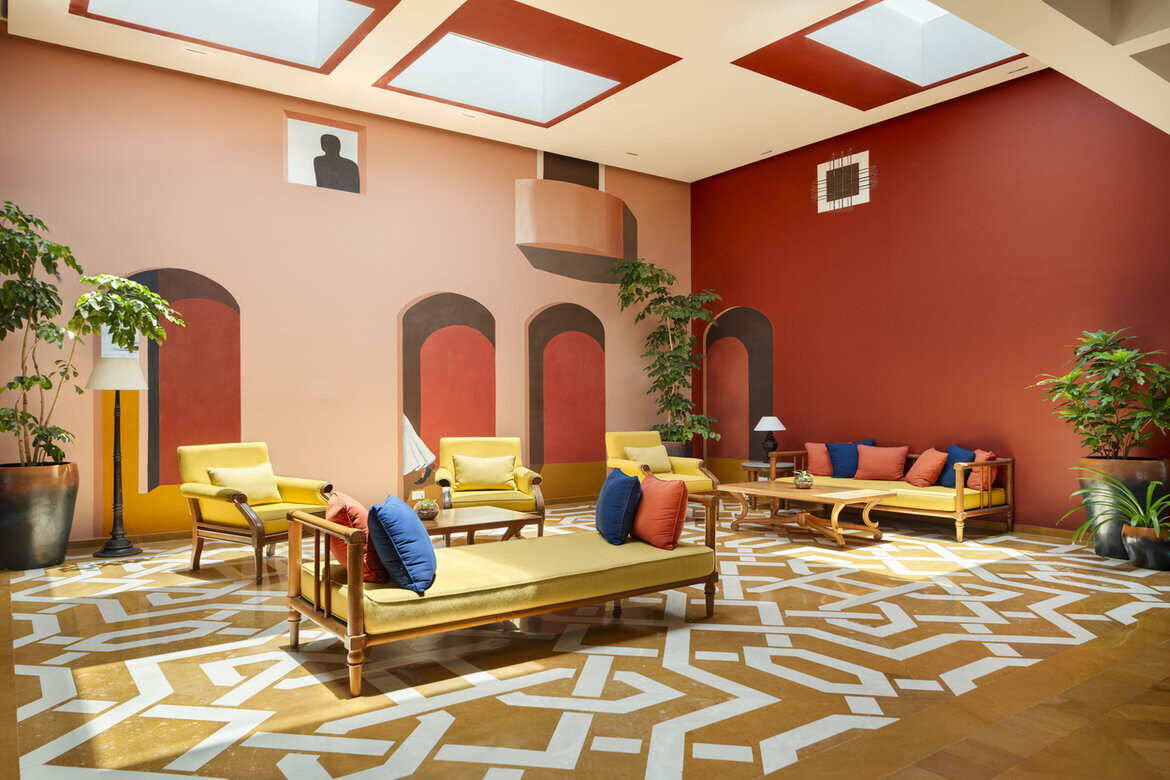
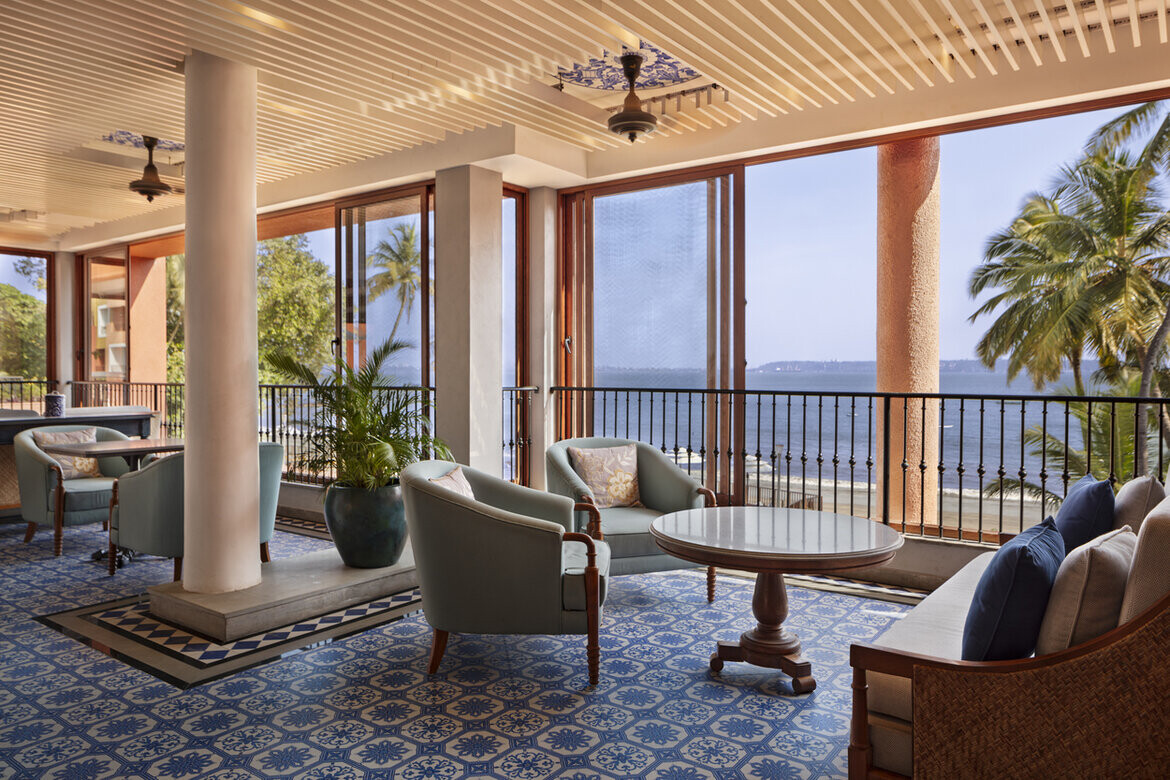
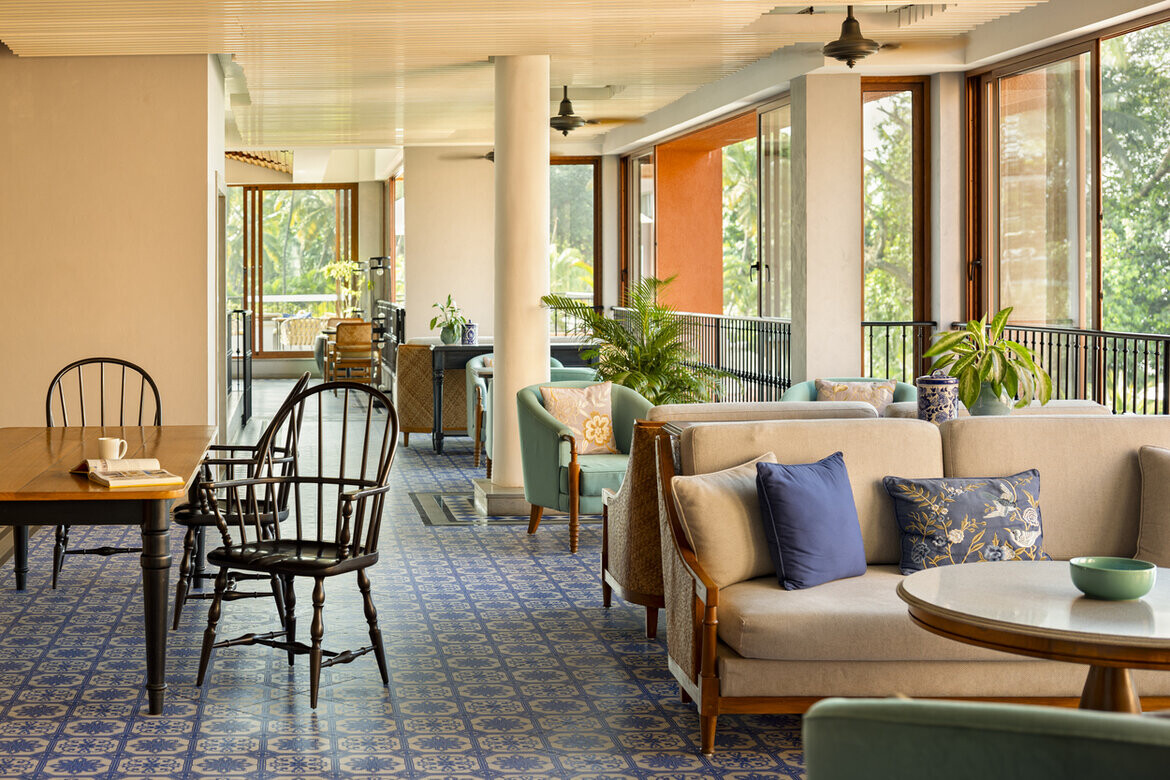
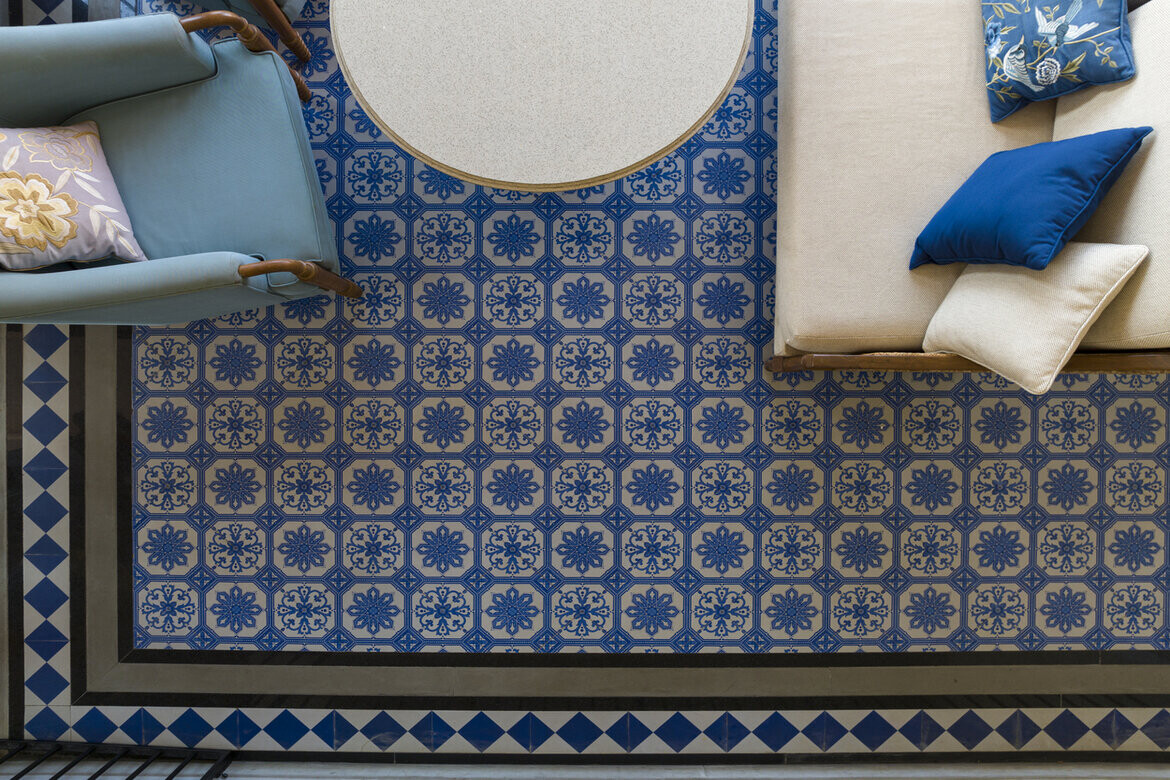
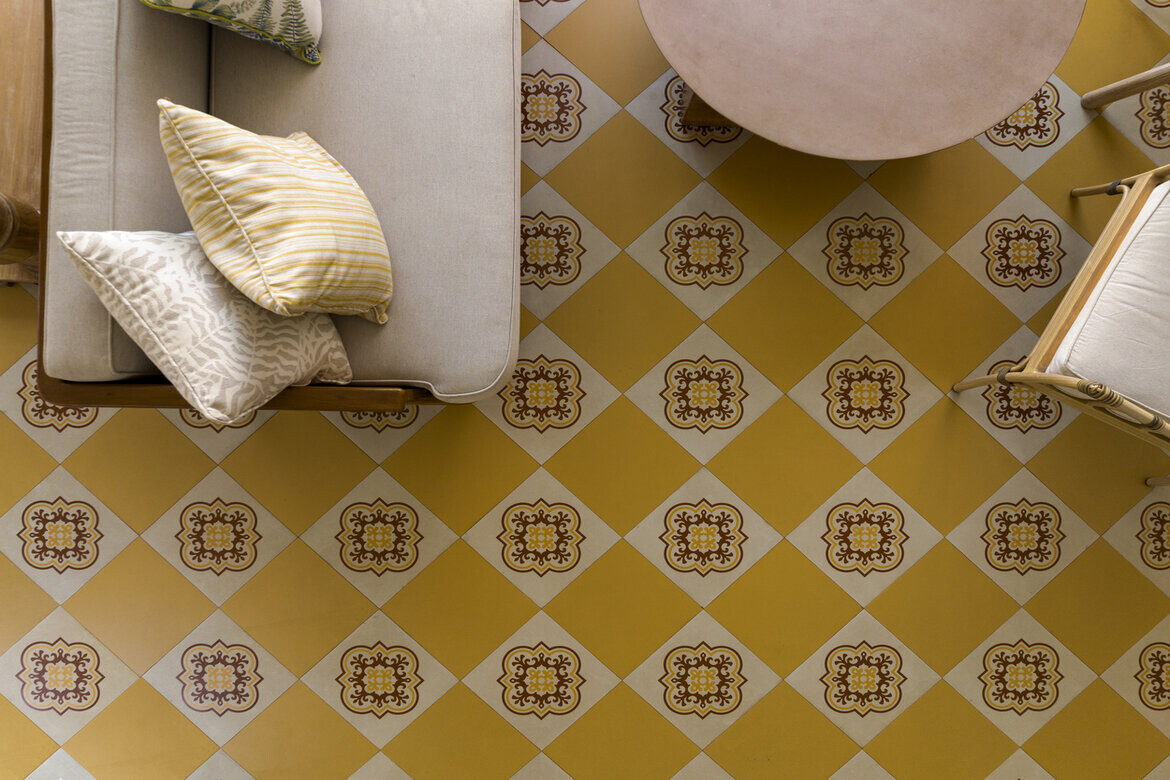
The intervention works by returning to the resort’s architectural logic while introducing a more layered interior language. Original elements including the chequered Rue de Sol flooring, Jaisalmer marble in the lobby and Correa’s otla seating have been restored and reframed with materials, colours and detailing drawn from Goa’s Indo-Portuguese heritage. Blue tile references, hand-painted ceilings and custom furniture take cues from local domestic typologies rather than generic luxury-hotel styling. Murals by Vijay Bhandari, originally commissioned by Correa, have also been restored and extended, giving the interiors a stronger sense of continuity with the building’s first life.
Related: Woods Bagot reimagines its very own Sydney studio
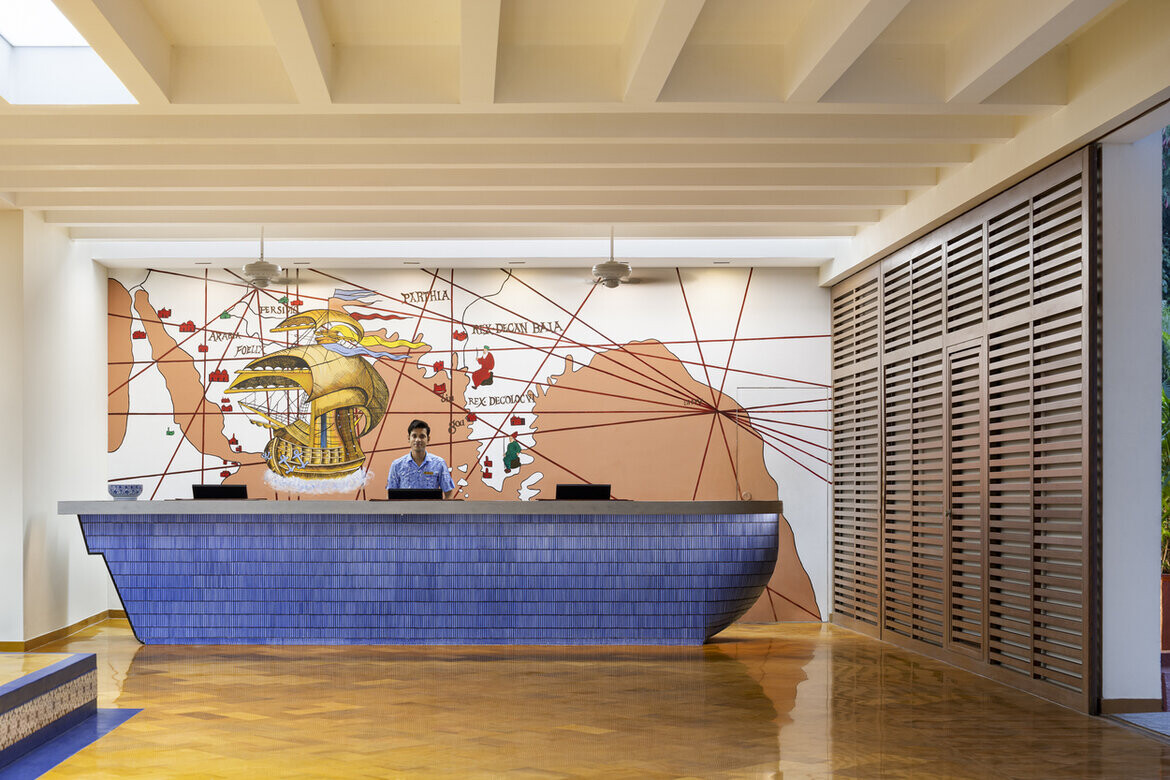
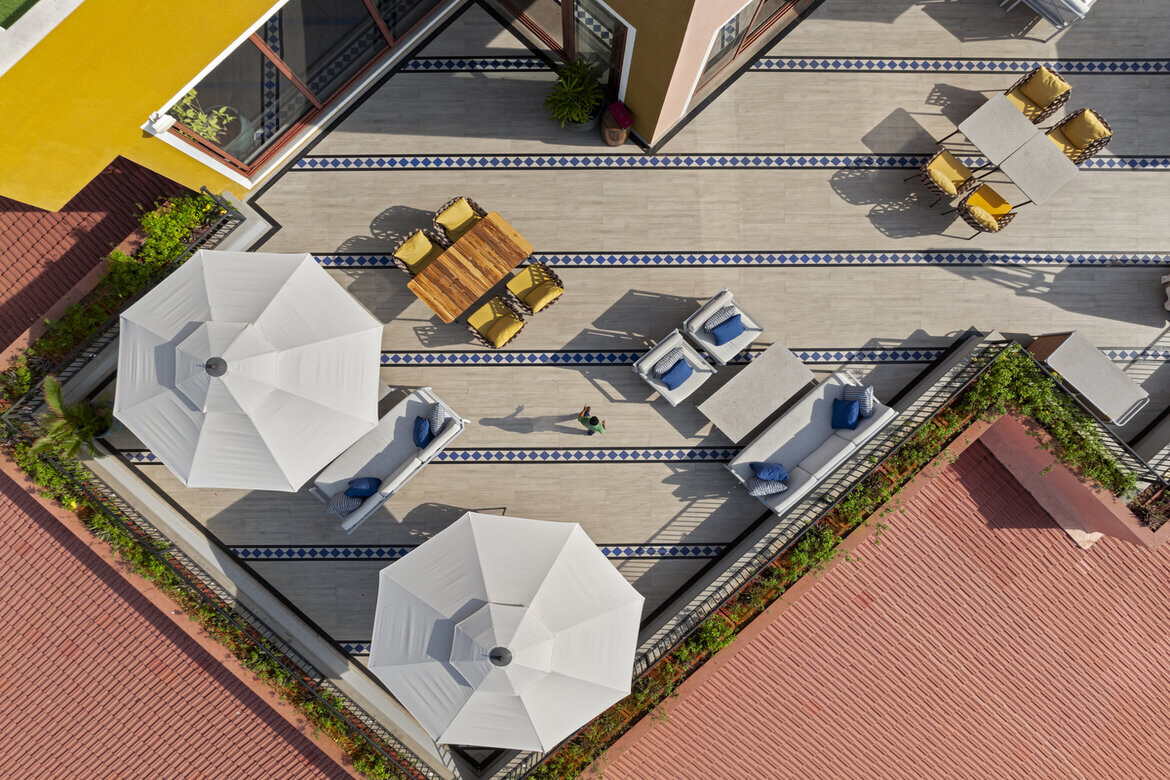
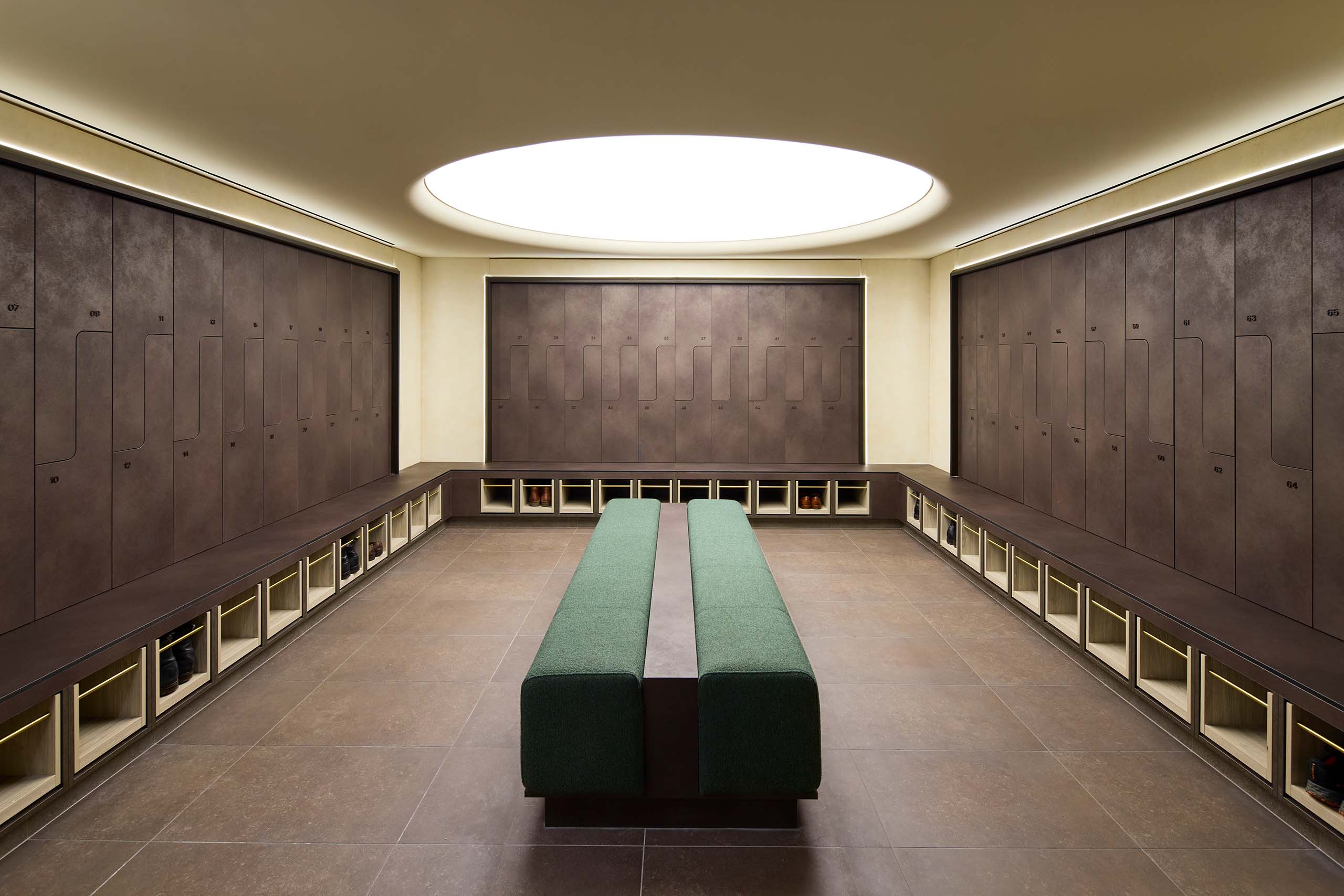
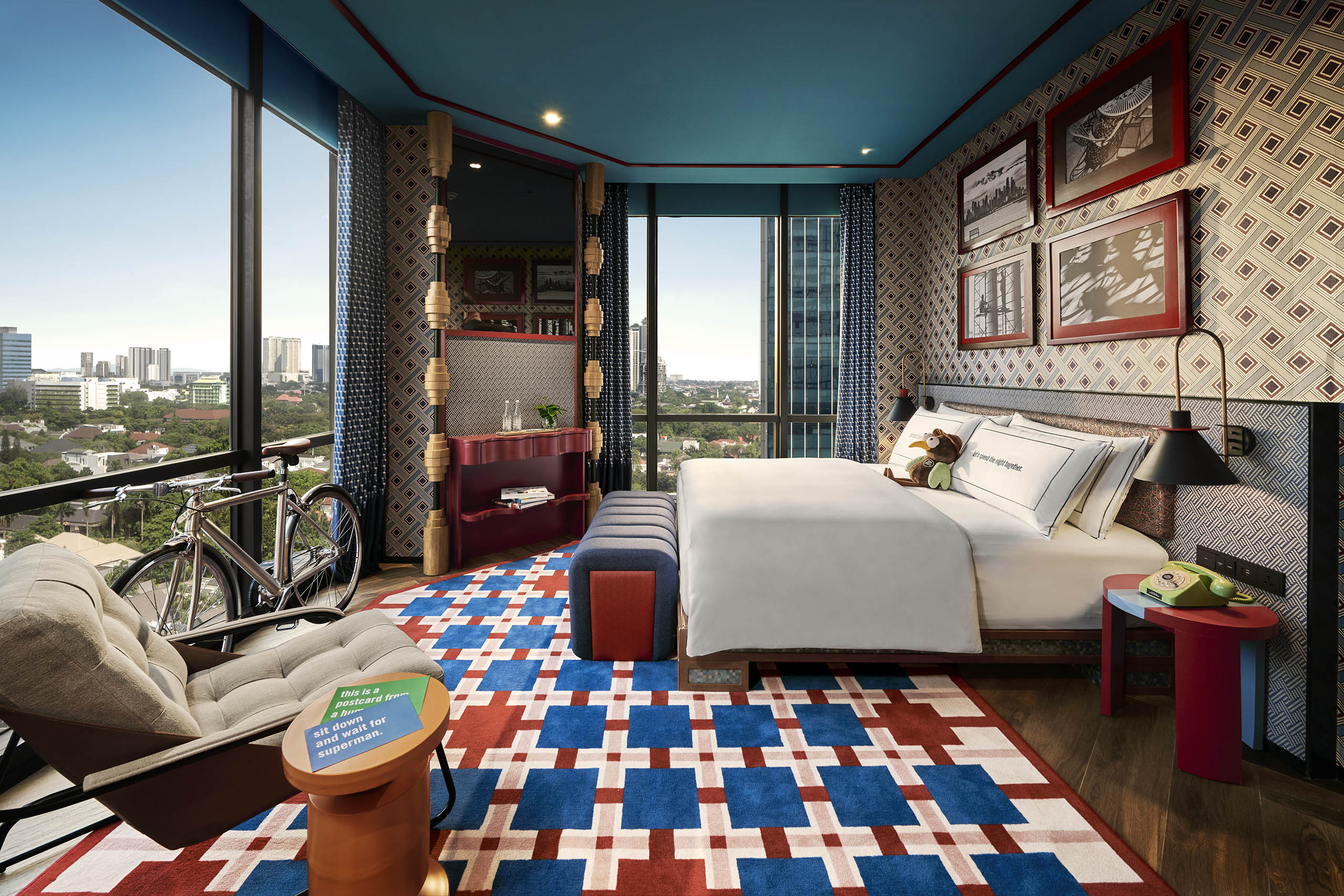
Across 91 redesigned rooms, Studio IV has introduced three distinct palettes — earth orange, green and Mediterranean blue — tied to laterite soil, local homes and the colours of Fontainhas. The studio has also worked through practical upgrades with a light touch: skylights were redesigned to recover natural illumination, alfresco areas were adapted for year-round use and outdoor-grade materials were introduced in semi-open zones to better withstand the site’s coastal conditions.
What makes the project notable is that it recognises Correa properly. He was not simply the original architect of a well-known hotel, but one of modern India’s defining architects and urban thinkers, widely recognised for work that engaged climate, public life and regional identity without falling into nostalgia. In that context, Studio IV’s redesign succeeds by understanding that heritage here is spatial as much as visual. The aim is not to freeze the resort in time, but to recover the clarity of Correa’s idea and make it work again as a place of contemporary hospitality.
Studio IV Designs
studioiv.in
Photography
Studio Noughts and Crosses