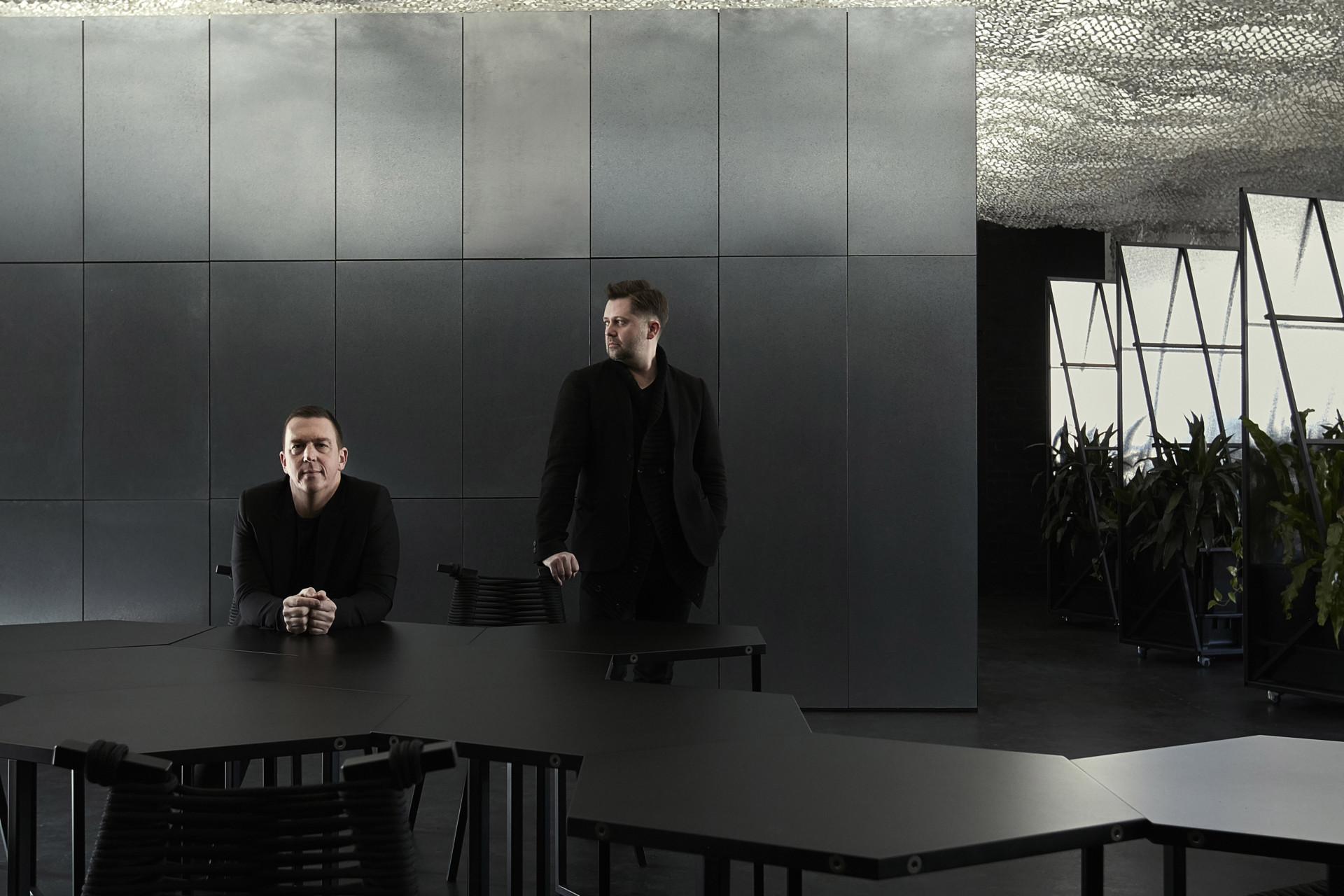
Byron George and Ryan Russell believe retail and hospitality are merging into a similar genre. “The things that are transforming retail are actually transforming hospitality too,” says George, co-founder of Russell & George, designers of Society and Sarah and Sebastian.
Purchasing automation, social media and blurring gender boundaries are all contributing to what is becoming a brave new world in retail and hospitality design. “There are no golden rules,” says George. “Every project is different and it comes down to the research phase and understanding what the client is doing.”
Core to Russell & George’s process is a research phase and abstraction process that sees them investigate beyond the boundaries of the norms, “slamming” vastly disparate operating models to re-model “how the plate gets to the table”, for example. “What we’re looking for are new narratives,” says Russell. He and George unravel the paradigm shifts shaping modern hospitality and retail design.
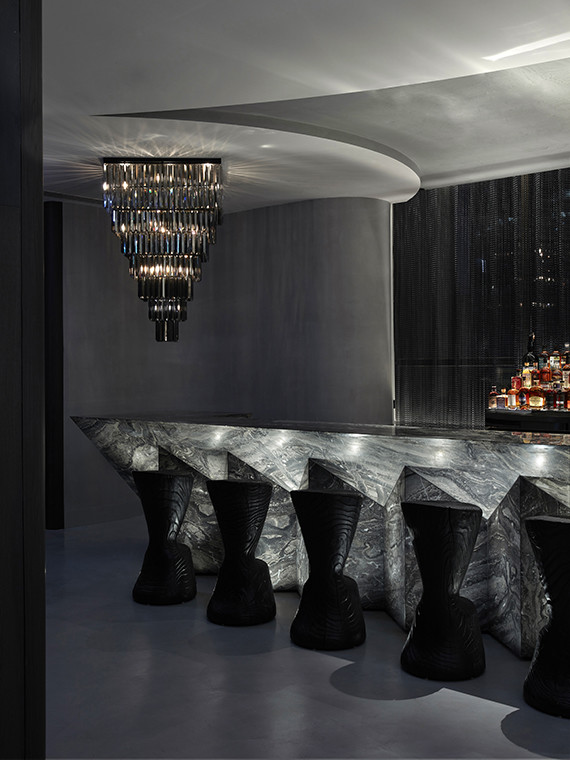
People want escapism
Ryan Russell: You can literally automate your hospitality and your retail experience. It means that hospitality venues need to be more distinct, they need to have a singular voice. If I can get something online and delivered to my home, there has to be something really good going on, on-site, for me to go in there.
When people go to restaurants and retail spaces they fundamentally want to escape. They want what they get when they look at YouTube. I think what’s happening is that we’re having to create more heightened or hyper-real scenarios in order to get people off their phones, to just enjoy the moment without documenting it. The job of a good interior, hopefully, breaks that down.

There is no core client
Ryan Russell: Core clientele is an interesting point because I don’t think core clientele exists anymore. Particularly in retail we’re now getting crossovers in gender. It’s very gender neutral. You’ve got men buying from what would traditionally be female fashion houses and vice versa…especially among a younger generation of consumers.
There’s simple cues that heighten societal awareness around those things. We, as designers, have the ability to design those cues, even before it becomes legislation.
Byron George: It goes both for retail and hospitality. It goes back to core principles, that you’re making a customer feel good; actually giving them an experience they’re not going to get online, or they’re not going to get at home. That’s fundamentally it, isn’t it?

The dumbing down of the customer
Ryan Russell: I think one of the biggest challenges we’re facing is the dumbing down of the customer – especially in large retail environments where there’s a one-size-fits-all policy. It doesn’t exist. Pushing to ‘tailor’ for a customer [creates] a very flat journey. There’s no peaks and troughs.
What used to happen would be that the data you analysed would be in core customer groups…it’s a pretty generic way of looking at it. Whereas the better brands look at customers in terms of heightened ideals around advocacy.
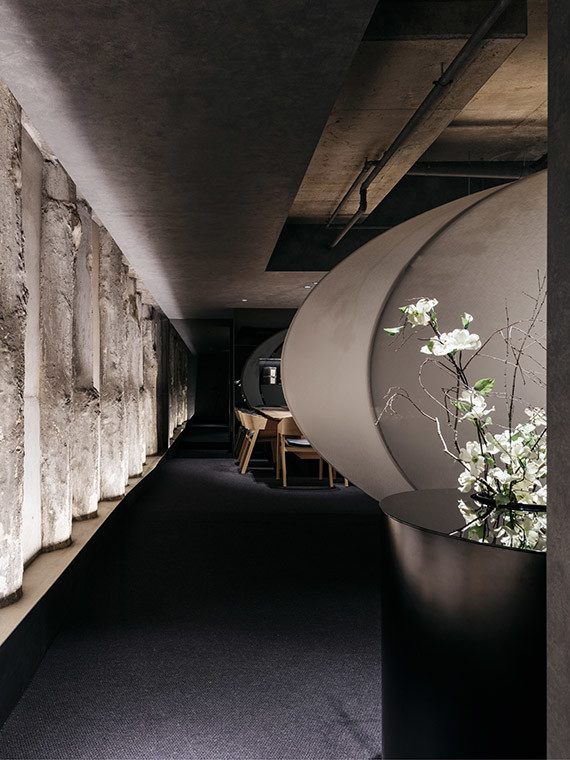
The back-end should drive the design
Byron George: Hospitality is generally only as good as the operator, and it’s only as good as the service. You can design the most beautiful room, but if the service is bad, the food is no good and people aren’t treated that well, then it doesn’t hold together. It always has to be driven by the service model.
The back-end is actually what drives hospitality – not what it looks like. What it looks like really comes afterwards. Think about places you go to quite a lot. They just make you feel comfortable and they’re appropriate to what the offering is.
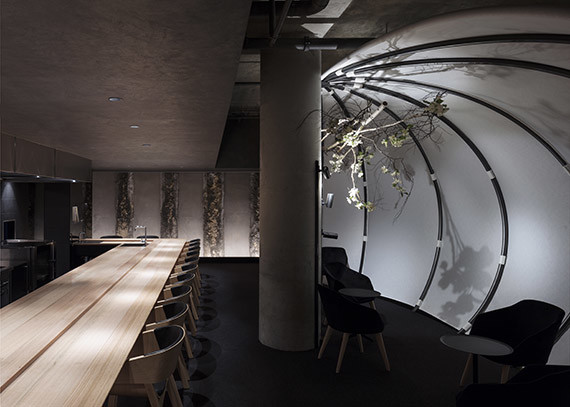
This article was published in Indesign #78, purchase the copy and subscribe here.
Russell & George
russellandgeorge.com
We think you might like this article about Society, by Russell & George