The home of architecture and design in the Asia-Pacific
Get the latest design news direct to your inbox!

Get the latest design news direct to your inbox!
A standout pavilion from this year’s Bangkok Design Week explores shade and light for people and place.

February 26th, 2026
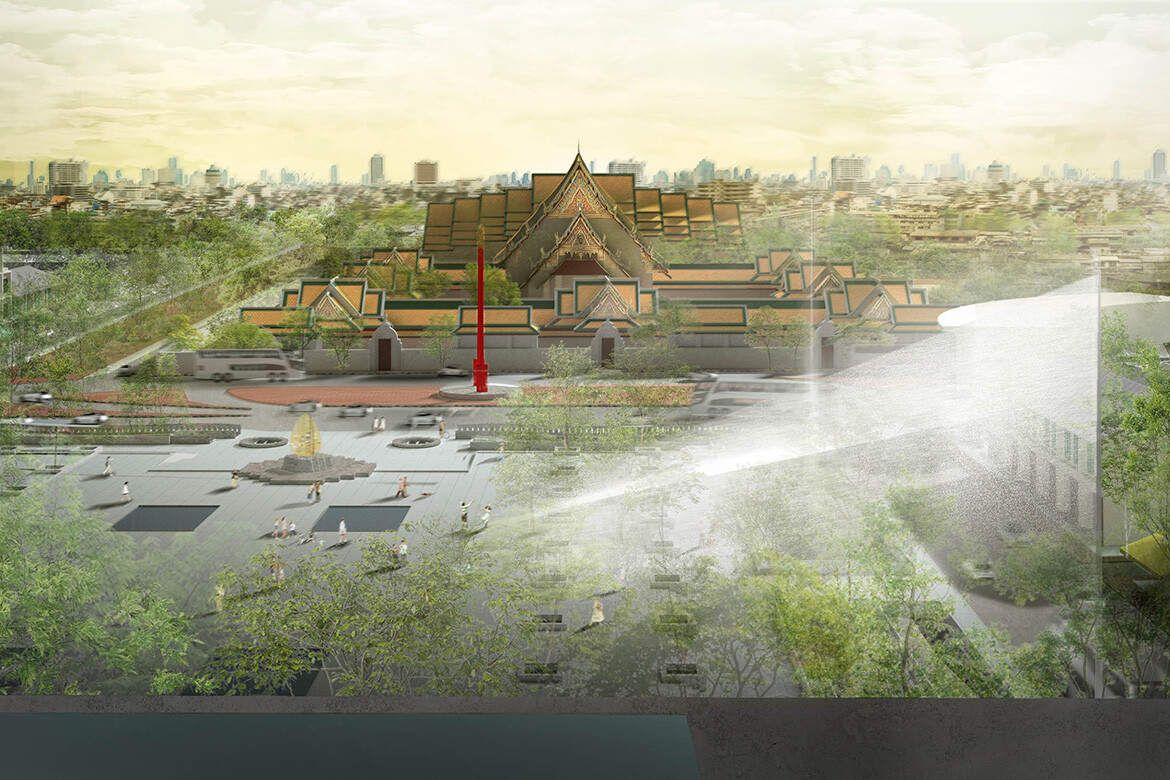
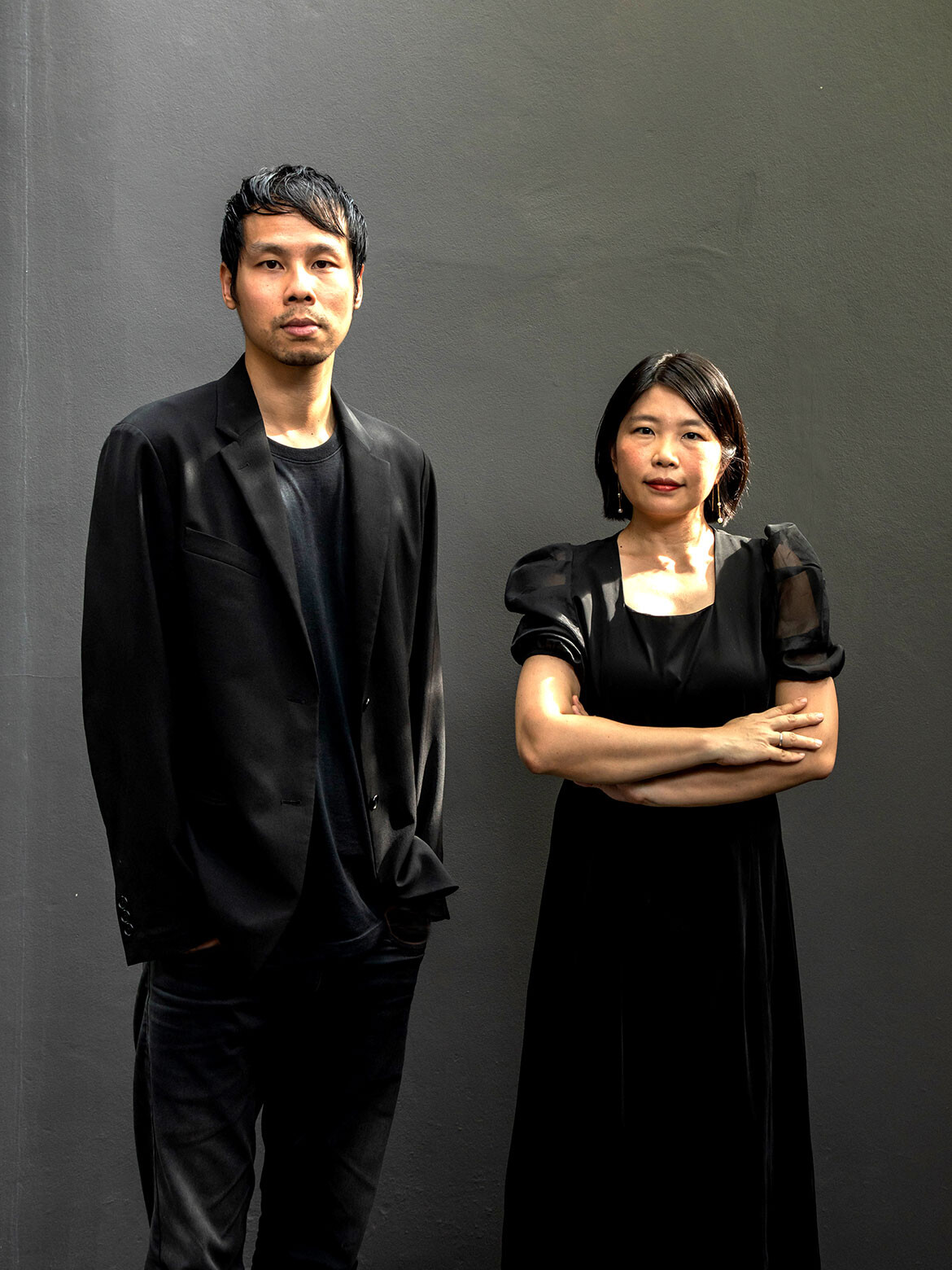
A major installation at this year’s Bangkok Design Week was designed by exemplary Thai architects Jenchieh Hung and Kulthida Songkittipakdee of HAS Design and Research. The project, titled High Line Bangkok, was an innovative zero-waste thematic pavilion that reimagined Bangkok’s urban infrastructure through an aesthetically driven, socially participatory transformation.
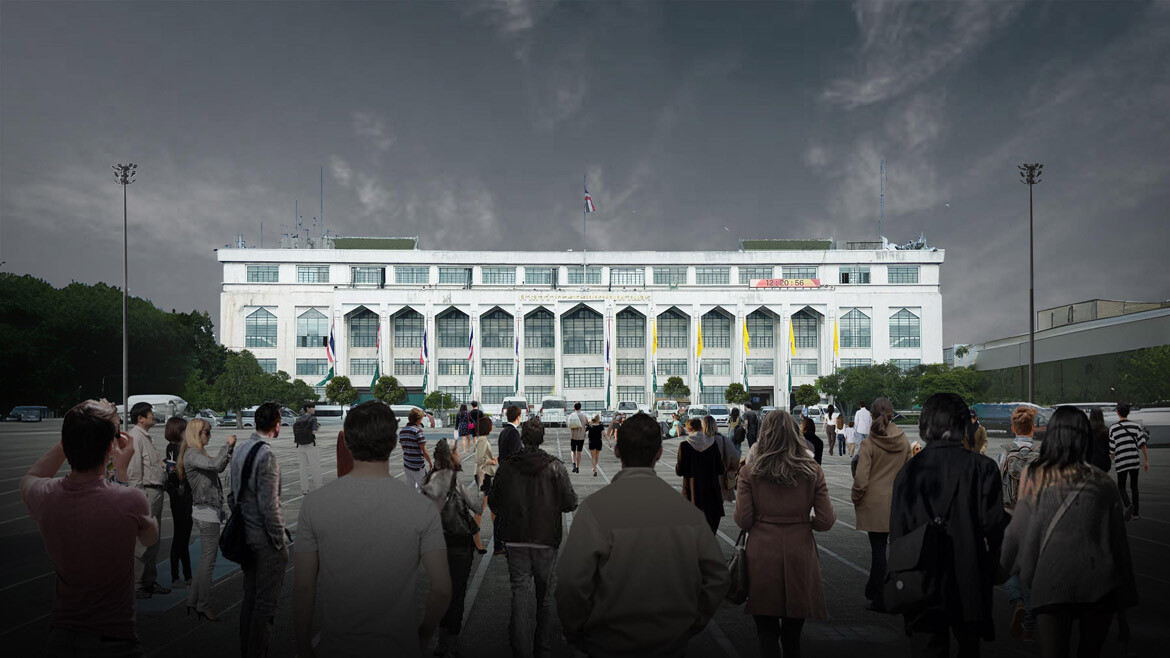
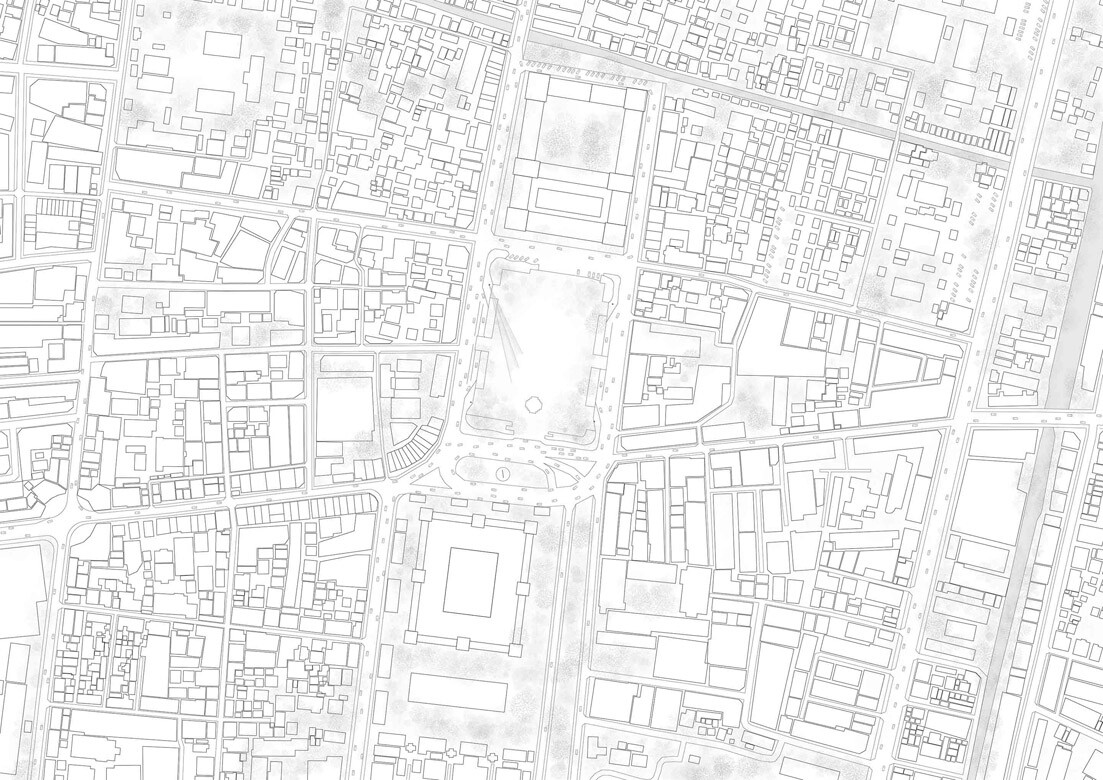
The installation, situated in the heart of Bangkok’s Phra Nakhon district, was located at Lan Khon Mueang Town Square, a prominent public space in front of the Bangkok Metropolitan Administration City Hall (BMA City Hall). Installations have previously occupied this space, many designed by renowned architects, and last year Dutch architectural practice MVRDV created a project on the site.
For Bangkok Design Week this year, Hung and Songkittipakdee were invited to contribute and conceived High Line Bangkok for the Bangkok Metropolitan Administration and the Creative Economy Agency.
Collaborating with Urban Ally, the architects’ project explored Bangkok’s growing influence as a global design hub and showcased Thailand’s ‘soft power’ through culture, art, architecture and urban innovation.
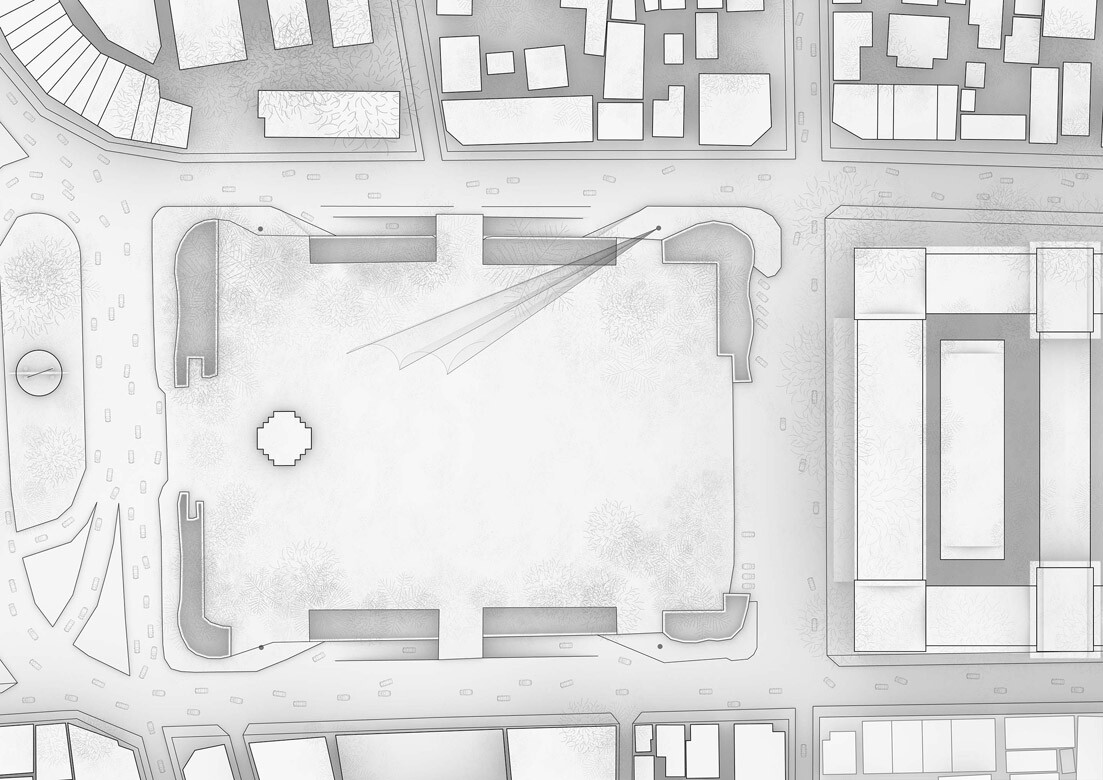
High Line Bangkok was situated on the large public plaza in front of the Bangkok City Hall. This plaza functions not only as an extension of City Hall’s civic space but also as one of Thailand’s most important public gathering grounds. It has hosted numerous large-scale cultural events and has served as a memorial venue in remembrance of Queen Sirikit.
Related: Flipping the mirror ball
As the central governmental authority of Thailand’s capital, the Bangkok Metropolitan Administration safeguards domestic security through comprehensive urban infrastructure, while striving to create a sustainable future envisioned by its citizens. Consequently, this plaza is frequently used by the Bangkok Metropolitan Administration as a platform to articulate Bangkok’s urban values and aspirations.
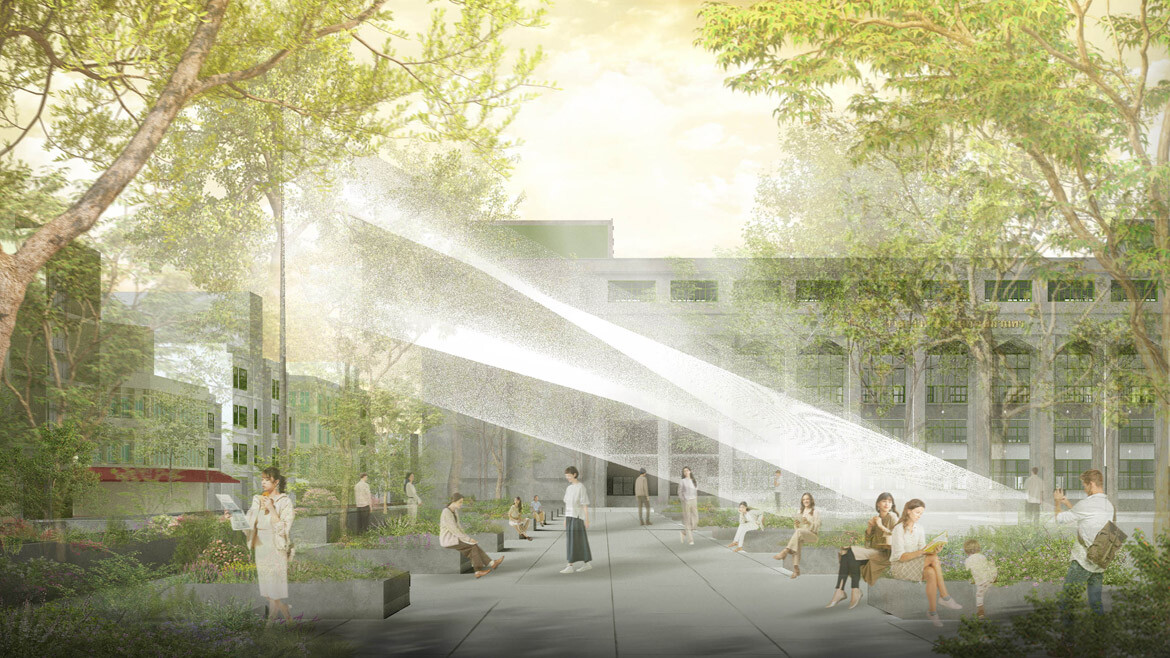
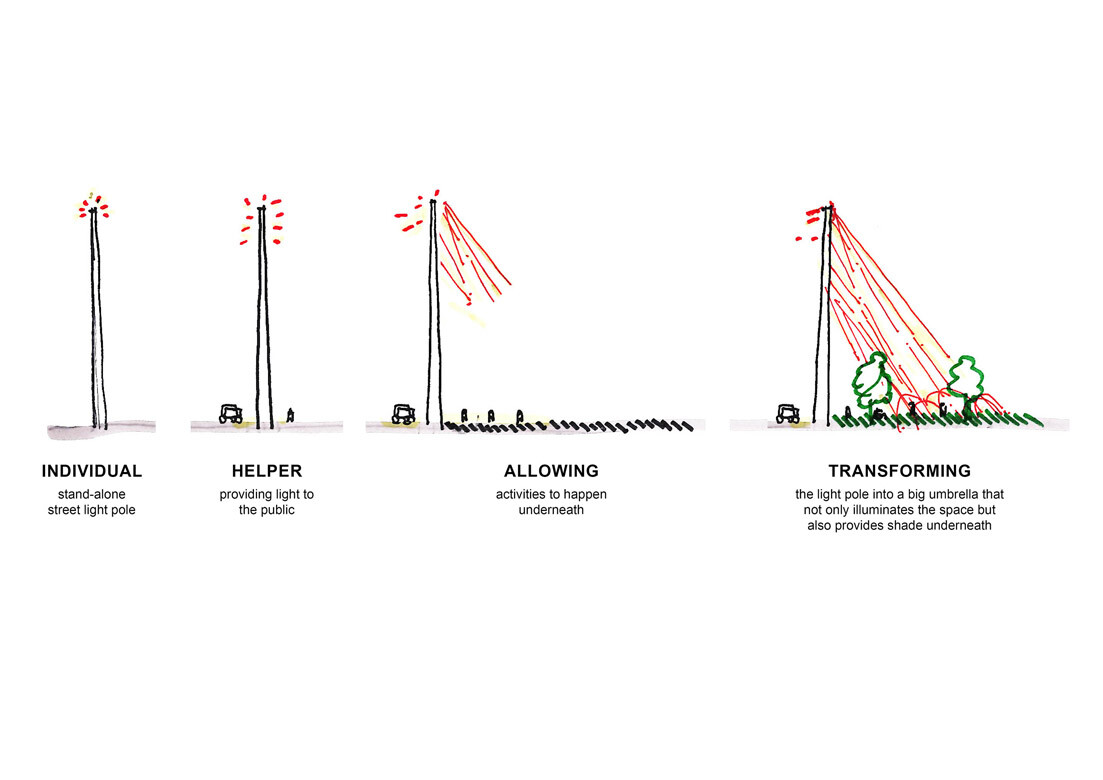
With their usual inquisitive nature, thoughtful observations and site research, Hung and Songkittipakdee identified a distinct behavioural pattern shaped by Thailand’s tropical climate. During the intense daytime heat, people would naturally congregate in shaded areas beneath large trees and streetlights throughout the plaza. At night, as temperatures cool, activities would shift toward illuminated zones around streetlights. This contrast highlighted the critical role of shade and light in extending daily life and activating public space – particularly in tropical environments.
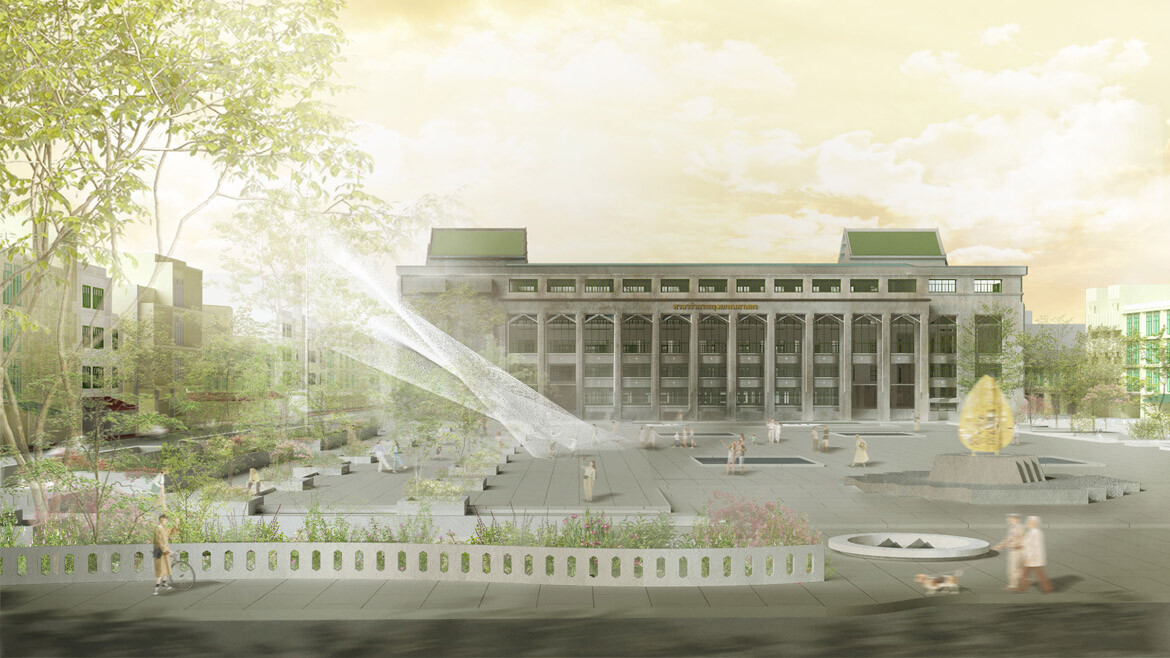
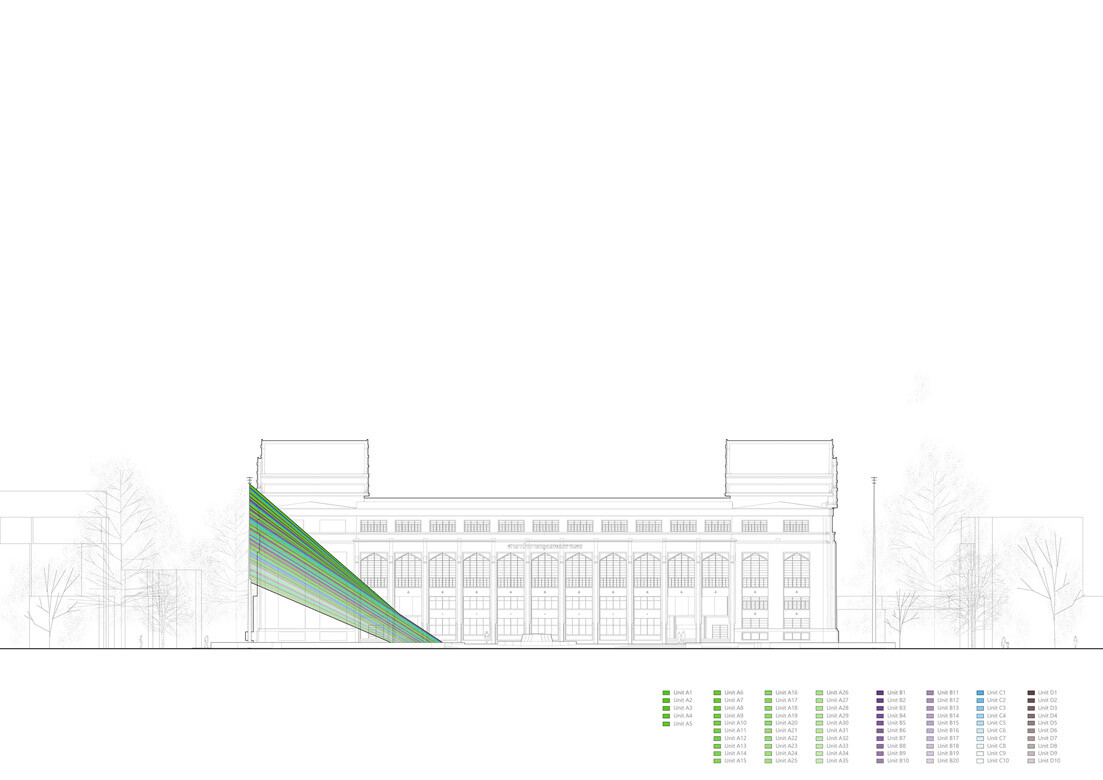
In response to this insight, the design strategically explored the relationship between light and shadow by utilising existing streetlights along the plaza as the primary structural framework of the pavilion.
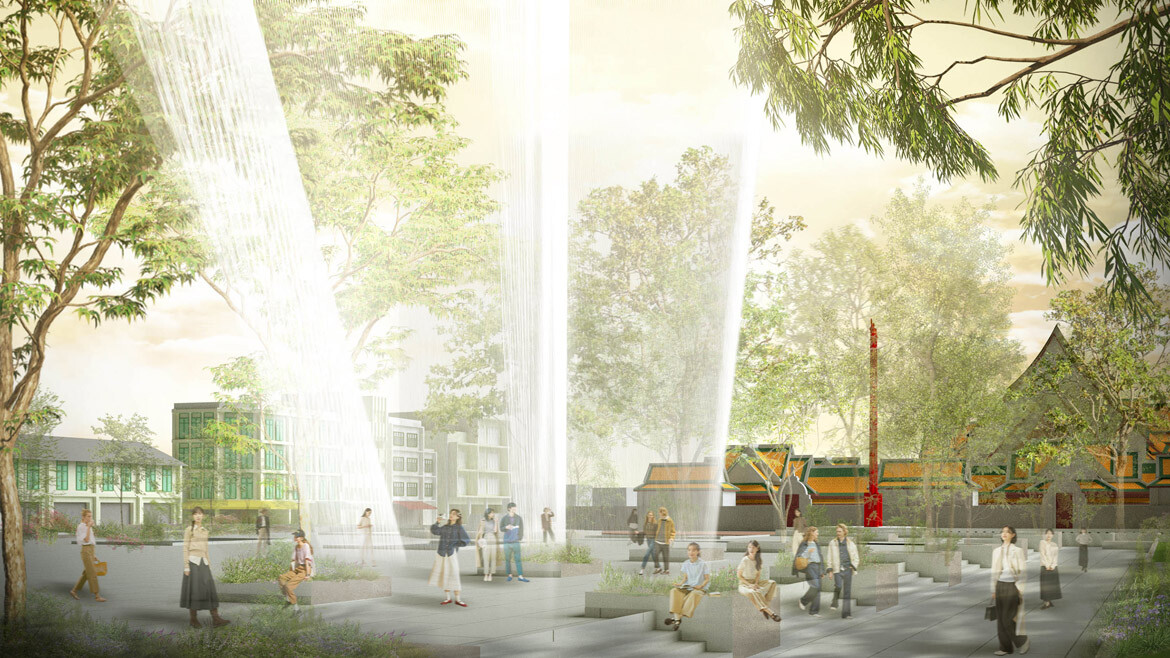
Rather than introducing new foundations or permanent construction, the project minimised material waste and aligned with the Bangkok Metropolitan Administration’s vision of a zero-waste, sustainable future. The architects’ vision of the pavilion embodied an alternative architectural approach – one that transforms existing urban infrastructure into spatial and social catalysts for urban life.
High Line Bangkok created a distinctive spatial atmosphere that transformed throughout the day. In daylight, it appeared as a rainbow-like installation that cast shade across the plaza, to form a semi-outdoor shaded space for public use. At night, the pavilion became beacon-like, extending light across the square and reinterpreting ubiquitous urban lighting as an element of collective life and civic identity.
The project proposed a prototypical design approach that not only enhanced the aesthetics of urban infrastructure but also integrated essential principles of tropical architecture, such as shading, ventilation and arcade-like spatial conditions. More importantly, it redefined the role of public architecture, allowing citizens to directly experience how thoughtful design can improve everyday urban life.
High Line Bangkok reflects the shared philosophy of Jenchieh Hung and Kulthida Songkittipakdee / HAS Design and Research, Urban Ally and Masco Enterprise Thailand. The project demonstrated the Creative Economy Agency’s and Bangkok Metropolitan Administration’s commitment to the wellbeing of both the city and its people and showcased what good design can achieve.
As usual, Jenchieh Hung and Kulthida Songkittipakdee / HAS Design and Research, have extended the boundaries of spatial design through innovative and original thinking. The architects’ transformative approach to all aspects of architecture sees them create, yet again, another project that enhances life for people underpinned with a sensitivity to culture and site. As the stars of Thailand’s architectural community, Hung and Songkittipakdee have once again made their mark and the community of Bangkok was the ultimate winner.
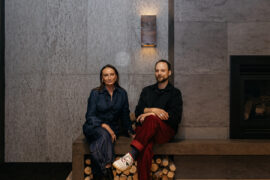
Jenchieh Hung and Kulthida Songkittipakdee / HAS Design and Research are members of the 2026 INDE.Awards jury.
HAS Design and Research
hasdesignandresearch.com
Photography
Renderings credits: Jenchieh Hung + Kulthida Songkittipakdee / HAS design and research
INDESIGN is on instagram
Follow @indesignlive
A searchable and comprehensive guide for specifying leading products and their suppliers
Keep up to date with the latest and greatest from our industry BFF's!
The internet never sleeps! Here's the stuff you might have missed