The home of architecture and design in the Asia-Pacific
Get the latest design news direct to your inbox!

Get the latest design news direct to your inbox!
Businesses are finally understanding how precious employees’ health is, and the design industry needs expert consultants to deliver projects that meet these expectations. Welnis shares its 10 key wellness elements for human-centric wellbeing in the built environment.

March 15th, 2016
“As humans we spend over 90 per cent of our time indoors,” explains Nigel Hobbs, Director of Welnis. “Science and technology are increasingly showing the importance that our interiors play in our overall health and wellbeing.”
“The only environments we can truly control are our interior environments,” Hobbs continues. “The future of human wellbeing is directly correlated to our interior spaces and how we passively infuse them with wellness. Indeed our interior environments will be the single most important factor in how we restore, recharge and revitalise.”

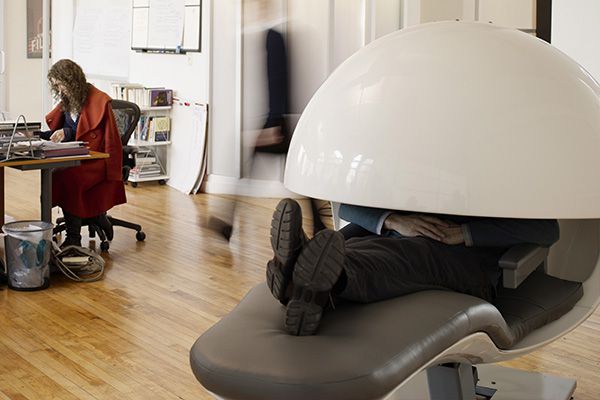
Welnis has identified 10 key wellness elements that provide human-centric wellbeing in the built environment, what they refer to as ‘the Welnis 10X’. These elements include ergonomics, acoustics, light, air quality, water purification, fatigue management, nutrition, fitness, stress reduction and environmental balance.
The Welnis mission is to ensure that these elements are at the forefront of their design, construction and fit-out of interior spaces – no matter the sector, and their team has built a body of research and design process to achieve this.
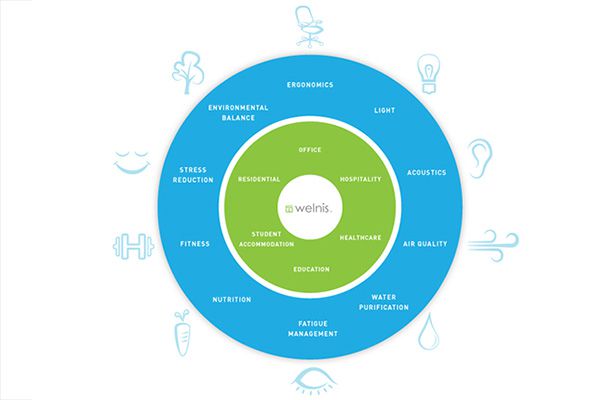
As part of that process Welnis’ provides its clients with expert design integration skills, custom-manufacturing solutions, industry knowledge and world’s leading wellness brands and services. From initial consultation, through design, planning and execution, the Welnis team ensure their wellbeing solutions respond to individual objectives, contextual factors, budget and timeline.
Hero image: Energypod, courtesy of Welnis.
Welnis
welnis.com.au
INDESIGN is on instagram
Follow @indesignlive
A searchable and comprehensive guide for specifying leading products and their suppliers
Keep up to date with the latest and greatest from our industry BFF's!
The internet never sleeps! Here's the stuff you might have missed