The home of architecture and design in the Asia-Pacific
Get the latest design news direct to your inbox!

Get the latest design news direct to your inbox!
Taking a bowerbird’s approach to design, The Park House Food Merchants by Alexander & Co in the Mona Vale Hotel offers a sense of eclecticism that feels like it has been built up organically over time.




August 22nd, 2018
From the architect:
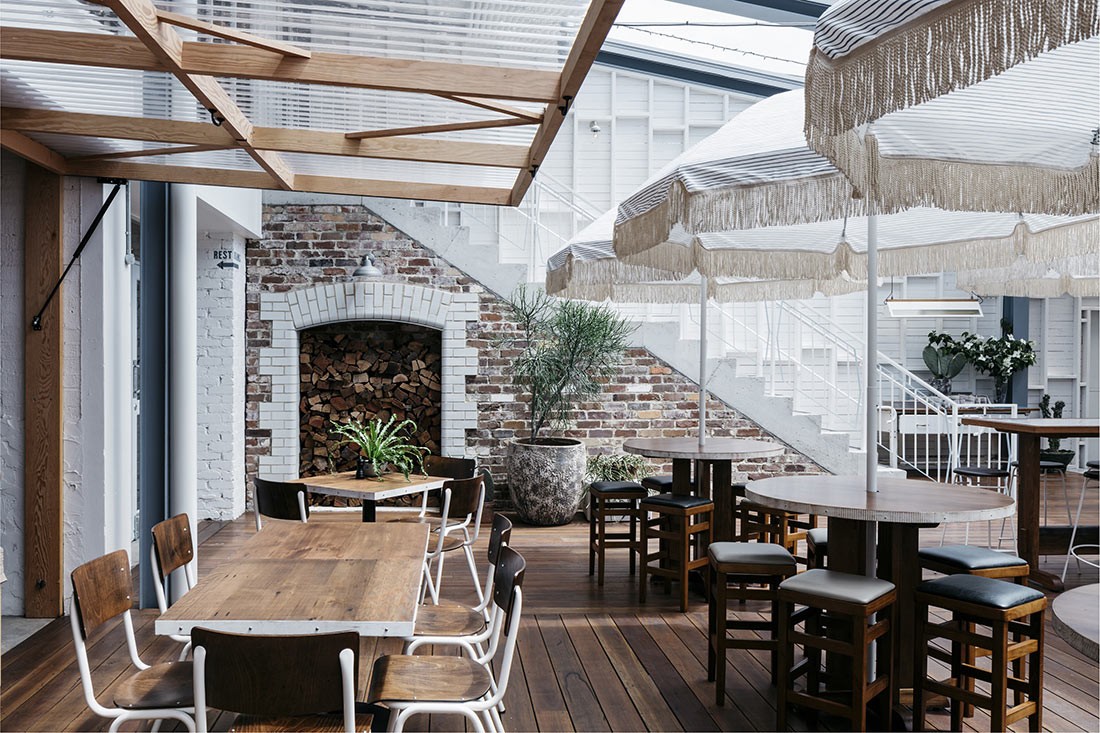
The Park House Food Merchants is a 200-seat restaurant within the newly rebuilt Mona Vale Hotel on Sydney’s Northern Beaches. The space hosts internal double height dining areas, external courtyard with retractable roofs and various private dining rooms, an open kitchen, internal cocktail bar, external main bar, large open internal and external fireplaces and externally exposed timber and steel structures.
The restaurant has been conceived as a loft-style art warehouse, a sympathetic attempt to reconcile the old motel, which was 70s coastal and retro. Somewhere between Donald Judd and Scandinavian modernism the loft is both robust and curated, well equipped to cater to the heavy traffic and coastal location. The venue is an expressive and artistic insertion into the dilapidated shell of the old hotel. Part art gallery, part loft, all motel charm.
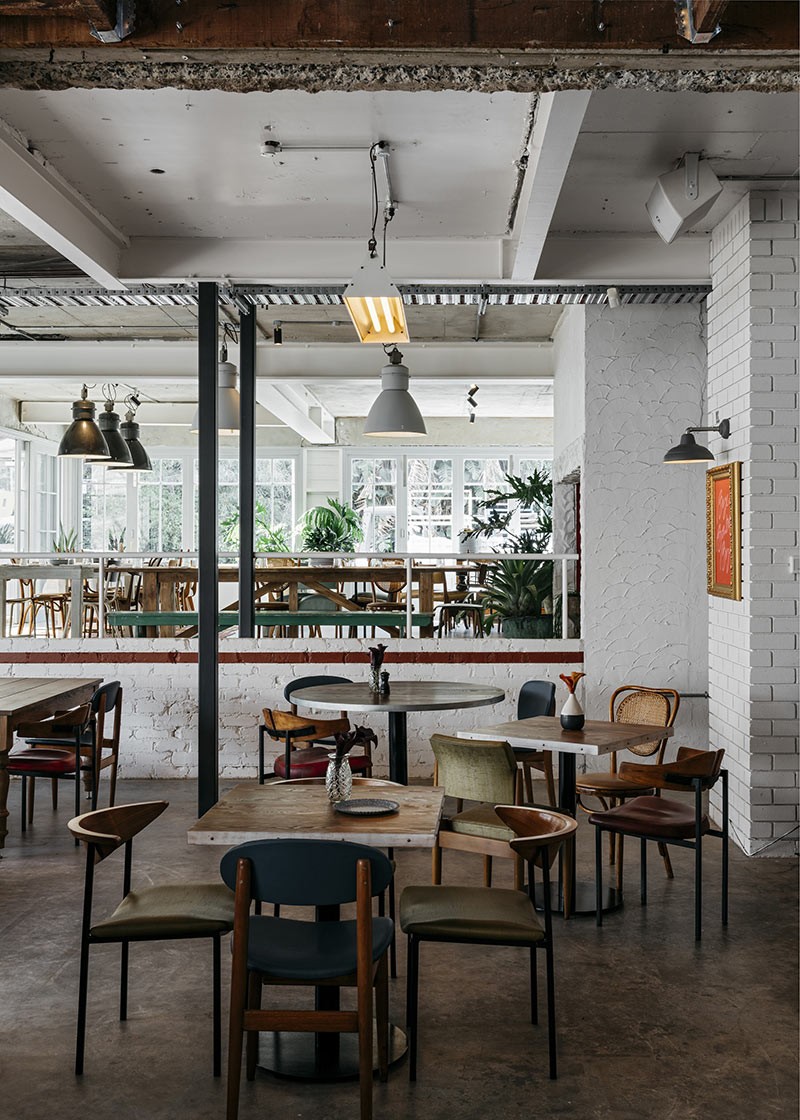
The project explored various masonry (brickwork) forms, arches, corbels and coursing, and combined them with an array of specific lighting, furnishing and artwork. Alexander & CO. augmented and exposed the existing steel and timber structure to create a double story volume both internally and externally under the retractable roof. This volume is illuminated by custom high bay pendants and includes custom oversized paintings to the loft void.
The internal restaurant is built around an open show kitchen with recycled brick arches. Polished concrete floors throughout are replaced in feature moments with fan-shaped Carrara mosaic tiles, custom-coloured patterns and stone chequer plate tile coursing. An internal dining height bar with retro granite plays a centrepiece while Art Deco detailing to an internal brick fireplace creates niches and nooks for lounge room dining.
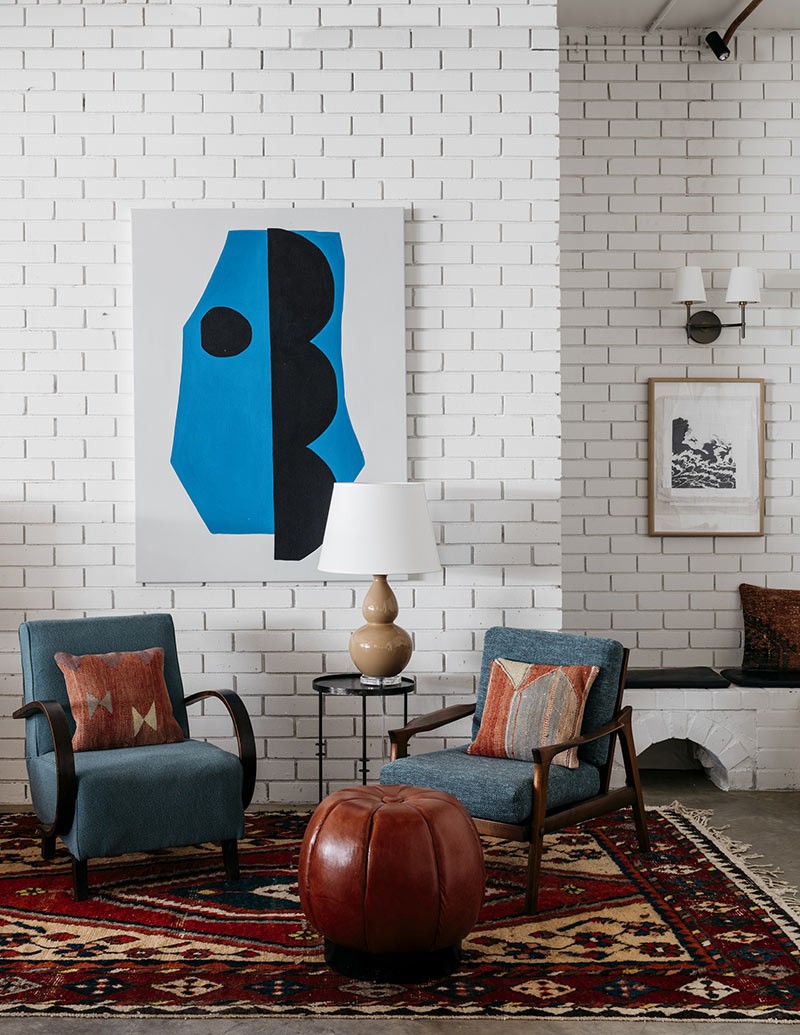
Externally, stacked logs are displayed and a double-sided fireplace and hearth anchor the lounge areas and high bar, all under the suspended fairly lights which illuminate a double height courtyard and retractable roof.
The final venue has a slightly nostalgic, tactile patina. Filled with both custom Oregon and hardwood furniture, leather banquettes and reclaimed and repurposed light fittings and furniture, the venue has a distinctly “found” quality, unexpected and inviting but artistically engaging and true to its inspiration.
Within the project the aim was to explore all things low-fi. Nothing would be a lining, everything would be a substrate. There are no split battens, no MDF, nothing beyond base build materials and nothing that would eventually be churned and end up in a bin. The work of the venue is in its planning, volume management and then FFE. Very rarely does an opportunity come up where the fit-out component is all but removed in lieu of artwork and furniture. It is an example of undertaking work where waste, churn and material are all reduced or removed.
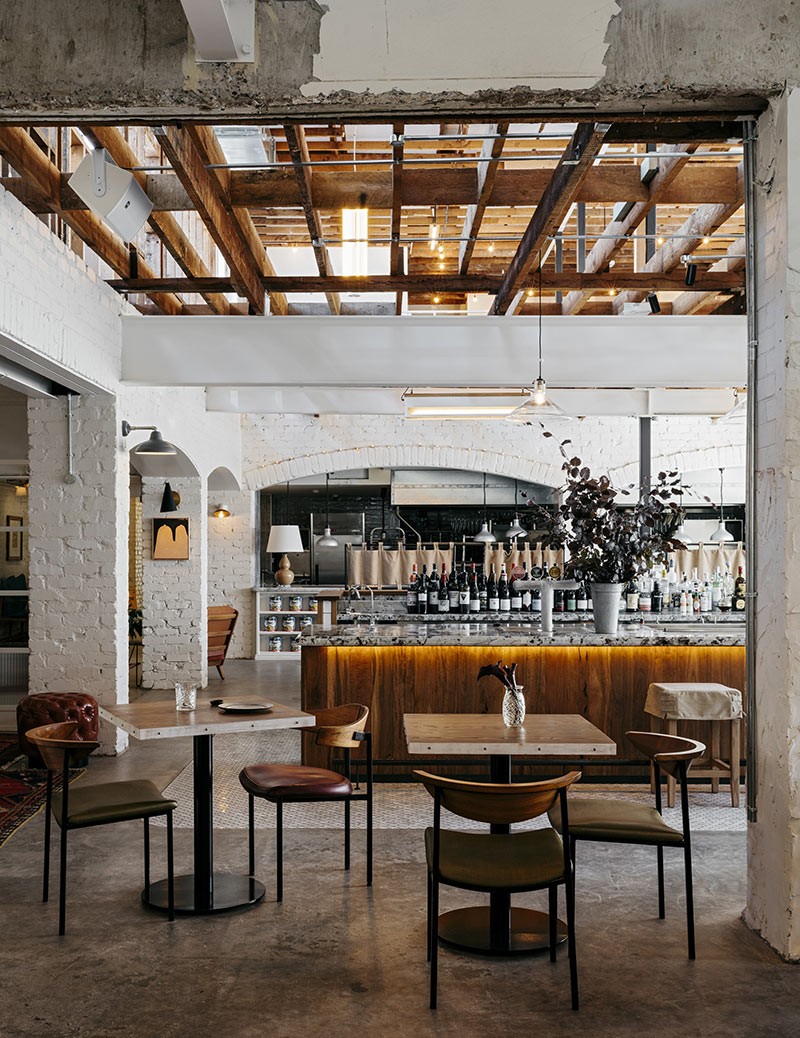
This was an adaptive reuse project of a heavily dilapidated motel structure. Across several thousand square metres of land, this venue represents one of six stages of work carried out or completed at the venue as part of a gateway project to the greater Mona Vale precinct. The complex context of the multiple stages of work intended to reintroduce the community back to the catchment, to provide a social context which could sympathetically cater to the wider Mona Vale population.
Take a dive into our hospitality design archives.
INDESIGN is on instagram
Follow @indesignlive
A searchable and comprehensive guide for specifying leading products and their suppliers
Keep up to date with the latest and greatest from our industry BFF's!
The internet never sleeps! Here's the stuff you might have missed