The home of architecture and design in the Asia-Pacific
Get the latest design news direct to your inbox!

Get the latest design news direct to your inbox!
Founded in 2002, Danish brand HAY has built a global cult following – we speak with co-founder Rolf Hay about the impetus behind starting a democratic design company.


March 29th, 2019
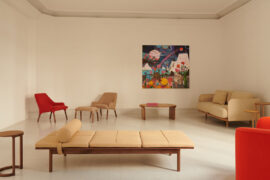
Since its founding in 2002, HAY has well and truly built a reputation for its design-first approach, bringing accessible furniture and product to the masses. It’s a design brand that has a unique position of being loved by both design aficionados and consumers alike. We talk with co-founder Rolf Hay about where the idea to start the company came from and why it has been such a game changer.
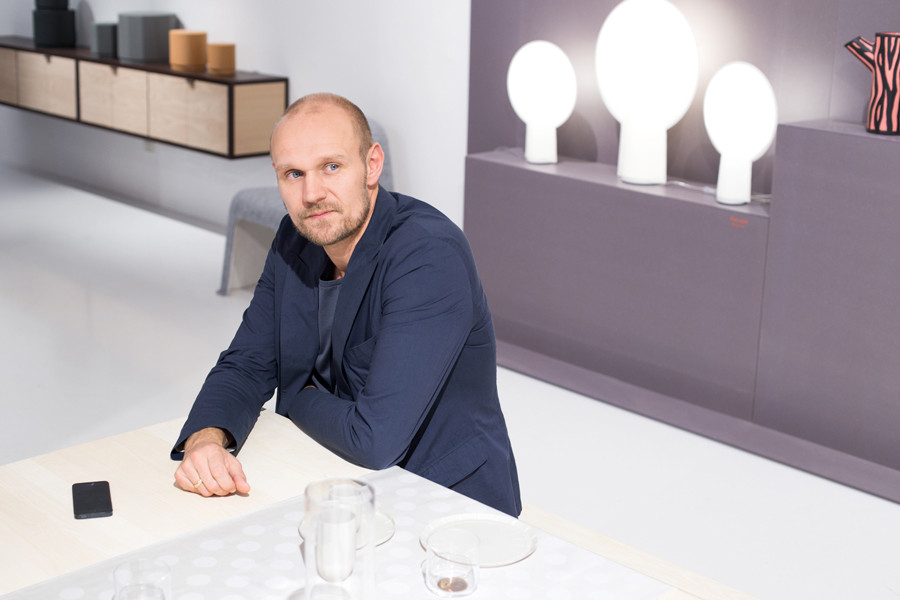
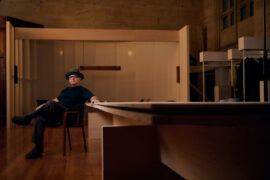
Rolf Hay, photo by Matteo Pastorio.
Rolf Hay: I grew up in the industry. In my family we also have a tradition of entrepreneurs; from a young age I knew I wanted to have my own company. When I was 24 I started to work with a designer in Germany – but I was in Copenhagen working for a company who represented Cappellini – and working with him inspired me to stay in the industry. What I could see was that the people who could understand the concept of Cappellini couldn’t afford it, and the people who could afford it couldn’t understand it.
At that time, Italian design was made by Italian designers, Scandinavian design was made by Scandinavian designers, and Cappellini was working very differently. Giulio Cappellini, the owner and art director, was the first to discover the benefit of looking outside those national borders. For example, he was the first to discover the Bourellec brothers from Paris, Barber & Osgerby from the U.K., Jasper Morrison and so on. So in the 90s, he was one of the first art directors who was really crossing borders – which today sounds stupid – but he was the trailblazer in bringing together young creative people from all over the world. And that was extremely inspiring to me.
Then my wife and I saw the opportunity in creating a design company that gave people a high-design product for accessible prices. HAY, from the very beginning, was about creating a design democracy with the best designers in the world.
We created a new market in the market. Design at that time was extremely expensive and prohibitive. And that has since changed, and I’d like to think HAY had a hand in creating that change. For us, it was natural to take it there.
The people in my marketing team are trying to push me to speak more about the fact that HAY is a Danish design company. But for me, it was never created to be that. It was not what we wanted it to be. To me, it doesn’t matter where you’re from. From the beginning, we have collaborated with designers from all over the world with very different backgrounds. But we are a Scandinavian furniture brand – we are based in Denmark and we live in Denmark, so it’s natural to be that, but we collaborate with people globally from that base.
This was driven by our fascination and admiration of Giulio Cappellini, who for example could do products with very famous designers like Marc Newson as well as emerging new youngsters (at the time) like the Bourellecs – who launched their first piece with Cappellini. No one knew who they were before then. Giulio was, and still is, the darling of Italian design, but that wasn’t what defined him or what was important to him, it was what he did that was important.
So for us, today, we have a focus as a Scandinavian design brand collaborating with the best designers in the world. And I’m very proud of that. But it’s also a priority for us that we work with creative people who value quality.
–
HAY is in Australia as part of Cult. Read more about HAY here. And join our mailing list for more design inspiration.
INDESIGN is on instagram
Follow @indesignlive
A searchable and comprehensive guide for specifying leading products and their suppliers
Keep up to date with the latest and greatest from our industry BFF's!
The internet never sleeps! Here's the stuff you might have missed