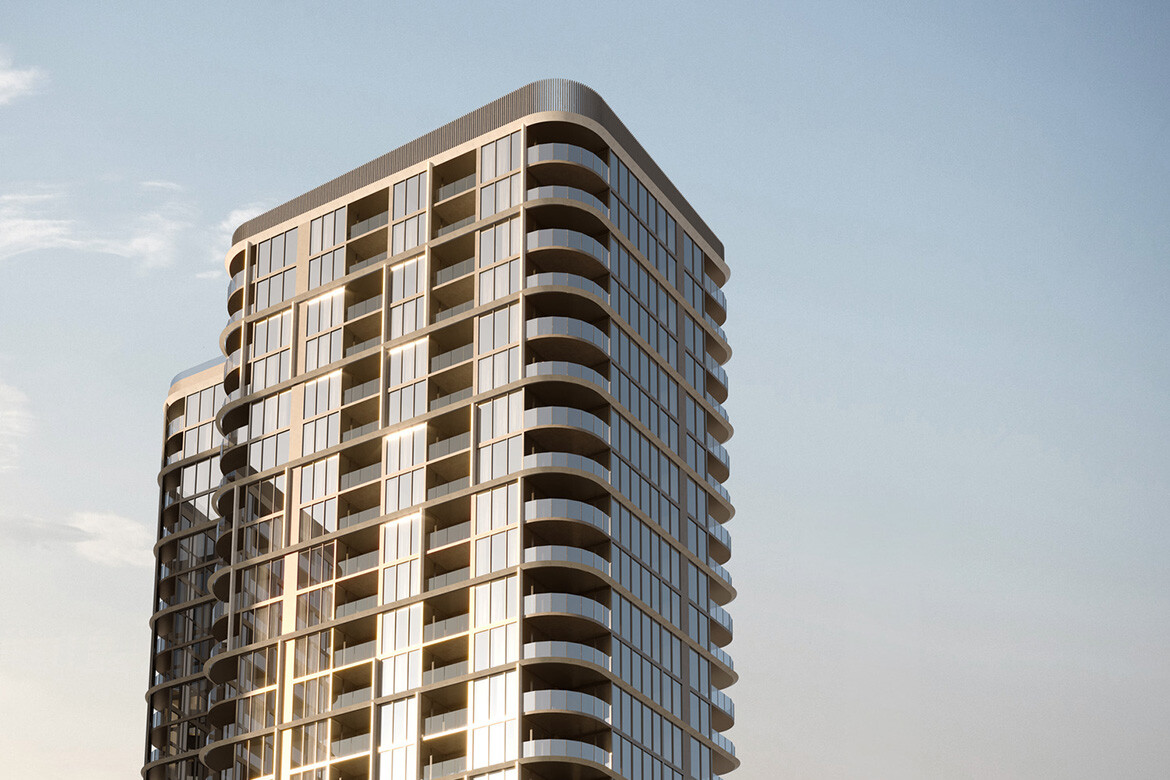
Genesis Beijing promises to cause quite a stir. Located in Chaoyang District, this mixed-use complex is sustainably driven, community focused and it hopes to bring together the work of some mighty fine international design minds. Tadao Ando is responsible for the art museum, which will open in 2018. Enzo Enea has taken on the landscaping of the expansive, sculpted gardens, and Kohn Pedersen Fox is behind the architecture for the office towers and the on-site hotel, Bulgari Hotel Beijing. Antonio Citterio and his business partner Patricia Viel, meanwhile, are spearheading the interiors for the office towers, and for the hotel, which is Bulgari Hotels & Resorts’ first project in China.
Bulgari Hotel Beijing opened in September, weaving together the art and nature that are an integral part of the Genesis Beijing proposition. Colours are warm, earthy neutrals mixed with burnt orange and ochre, and materials such as teak and elm, bronze, marble and granite feature throughout the public and private spaces. Paintings by Chinese artist Yan Pei-Ming, photography by Irene Kung and antique maps by Franciscan friar and cartographer Vincenzo Coronelli are part of Bulgari Hotel Beijing’s art offering. Other artworks include sketches of Bulgari’s luxurious jewellery designs, plus photographs of celebrities wearing Bulgari pieces, which were drawn from the Roman house’s archives.
The brand’s Italian heritage comes through loud and clear in the hotel’s design, too: Antonio Citterio Patricia Viel and Partners hand-picked or custom-created every piece of furniture, as they have done with each of the ‘urban resorts’ in the group’s stable. Naturally, many of the pieces they have chosen are by contemporary Italian furniture makers. B&B Italia, Maxalto, Flexform and Flos all feature prominently in the 119 rooms and suites, as well as in the hotel’s public spaces.
Then there are the Barovier & Toso chandeliers that hang over the tables in the hotel’s restaurant, Il Ristorante Niko Romito. These custom-made Murano glass lights also give the ballroom staircase its jewel-like character (a little nod, of course, to Bulgari’s expertise in haute joaillerie).
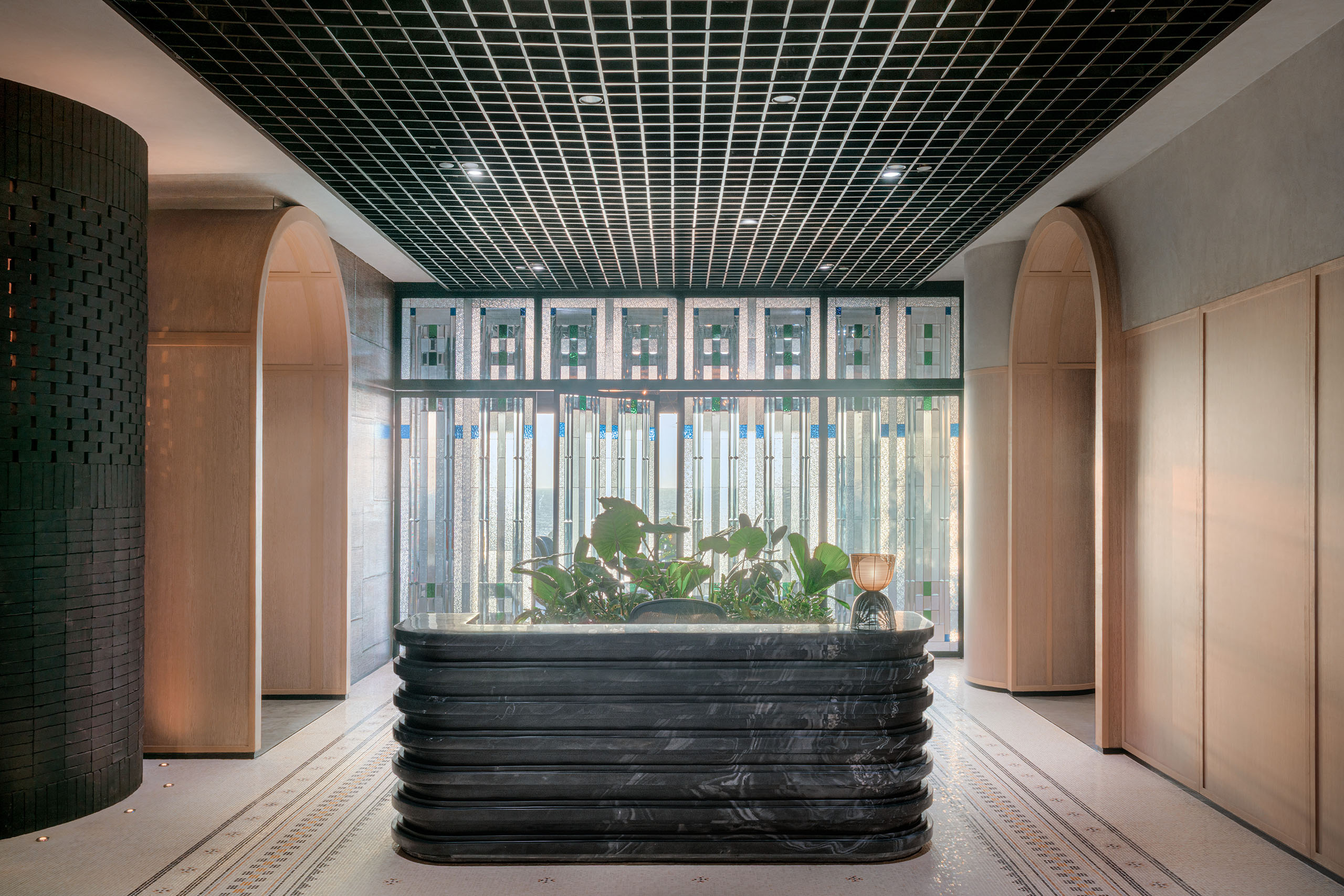
Another standout design feature is the hotel’s hand-hammered and polished bar. A local artisan made this giant, oval-shaped bar from bronze and stainless steel, and it’s a good example of the hotel group’s dedication to using luxury materials and to working with craftsmen to cut, carve, shape and polish it all to jewel-like perfection. It’s an approach that applies across the board, from the elm-wood entrance alcoves in each room to the onyx in the bathroom of the 380-square-metre Bulgari Suite and the Vicenza stone around the spa’s 25-metre indoor swimming pool, which is a modern take on the ancient Roman bath.
Sustainability is a core part of the Genesis Beijing concept, and it’s not forgotten at Bulgari Hotel Beijing. Like some other luxury brands we know of, Bulgari Hotels & Resorts says very little about its environmental commitment, but it’s happening, and it’s significant. The properties use geothermal energy as one source of power and heat, for example, and they also harvest rainwater.
Bulgari Hotel Beijing is the fourth hotel in the brand’s Hospitality Collection, and it is located at 8 Xinyuan South Road, Chaoyang District, Beijing, China. bulgarihotels.com