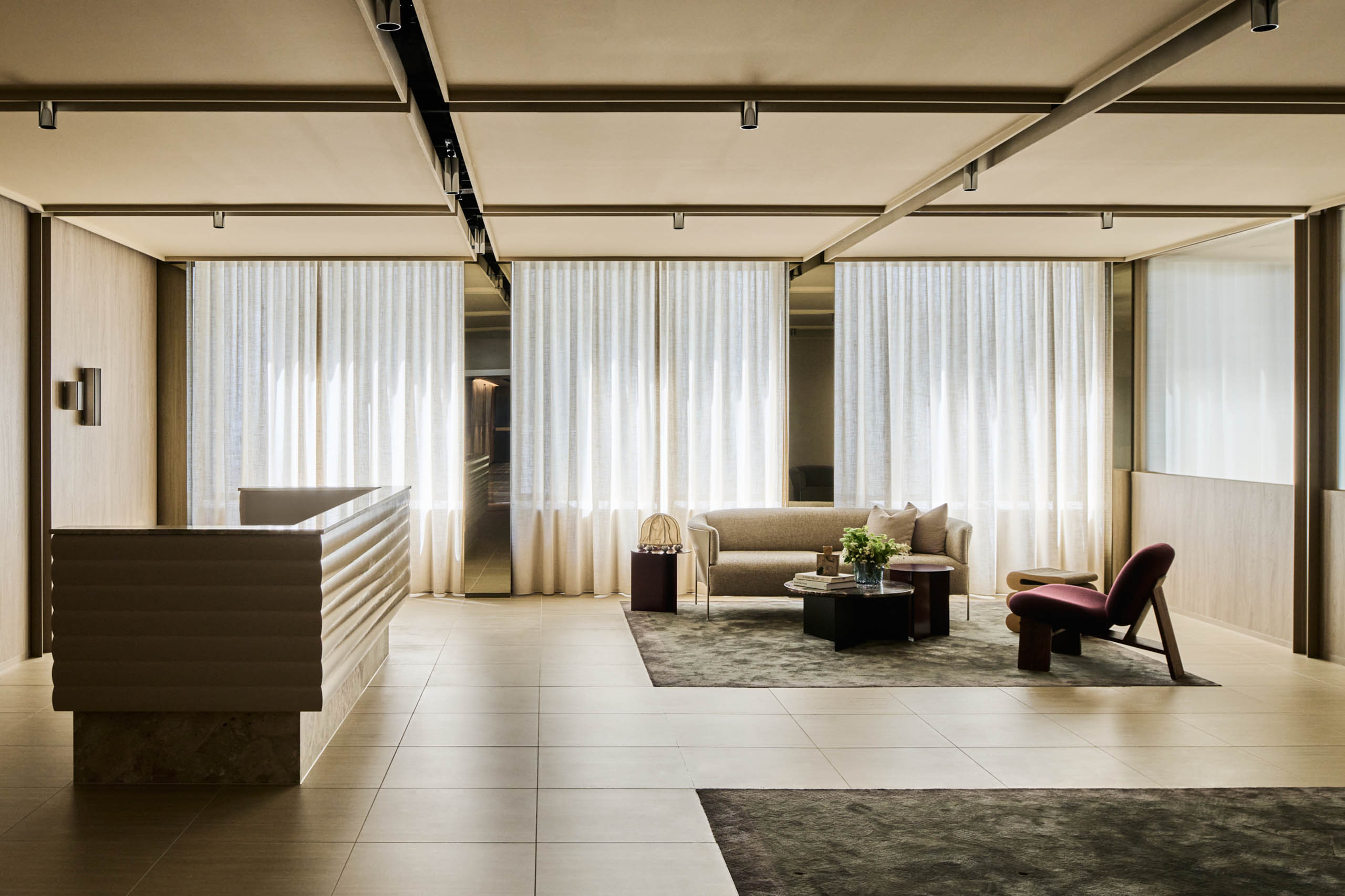
For millennia, judicial architecture was often intimidation written into stone. From Nile temples weighing sins against feathers to heavy Greco-Roman courthouses, legal design relied on a certain monumentality to project authority. Yet, through their design of Gordon Legal’s Melbourne headquarters, Studio Tate demonstrates that a warmer, more humanistic shift from oppressive legal orthodoxy is what’s required — not another cold tribute stoking legal anxiety.
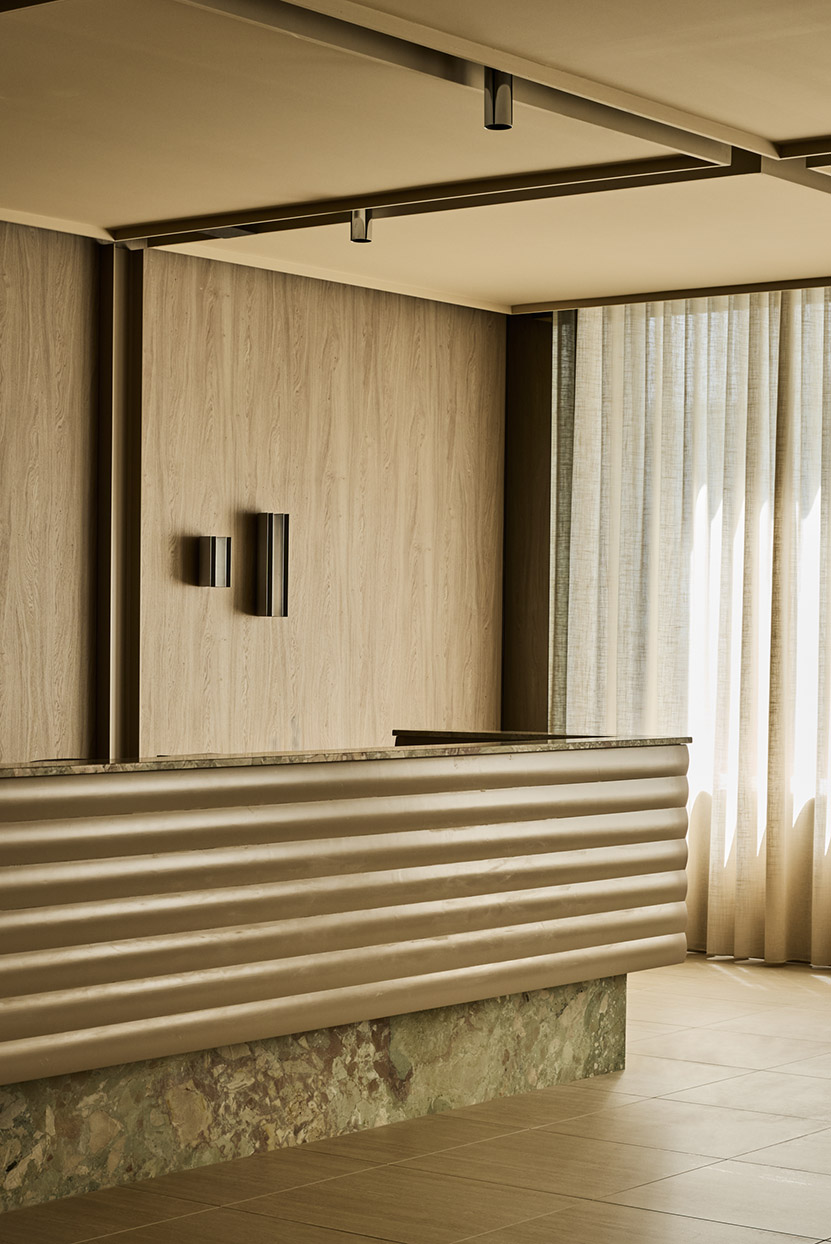
“Lady Justice gave us a meaningful starting point because there was such a natural alignment with Gordon Legal and its values of fairness, equality, balance and justice,” explains Studio Tate Associate Director, Anita Zampichelli. “Rather than directly translating her symbols, the references became much more subtle… moments of metal through lighting and shadow lines, mirrored elements, and a contrast between precise gestures and the tactile softness.”
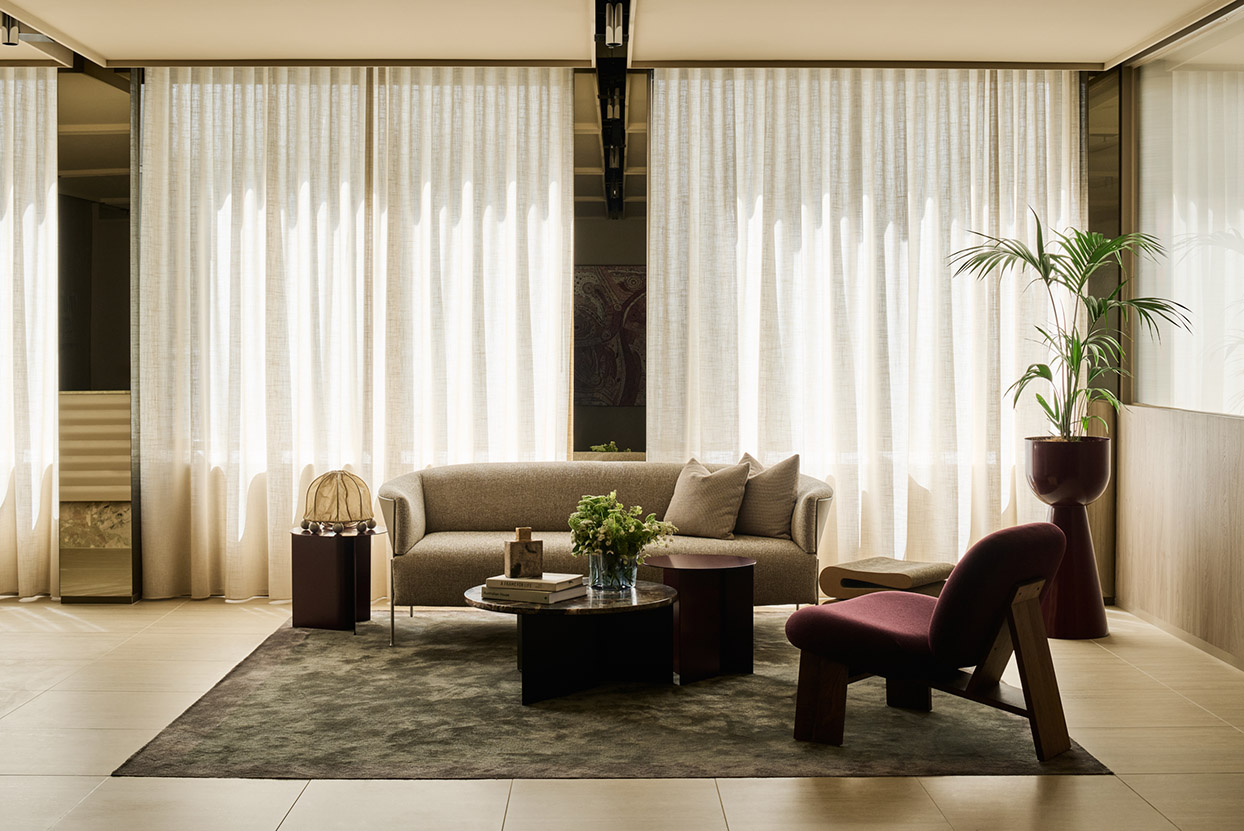
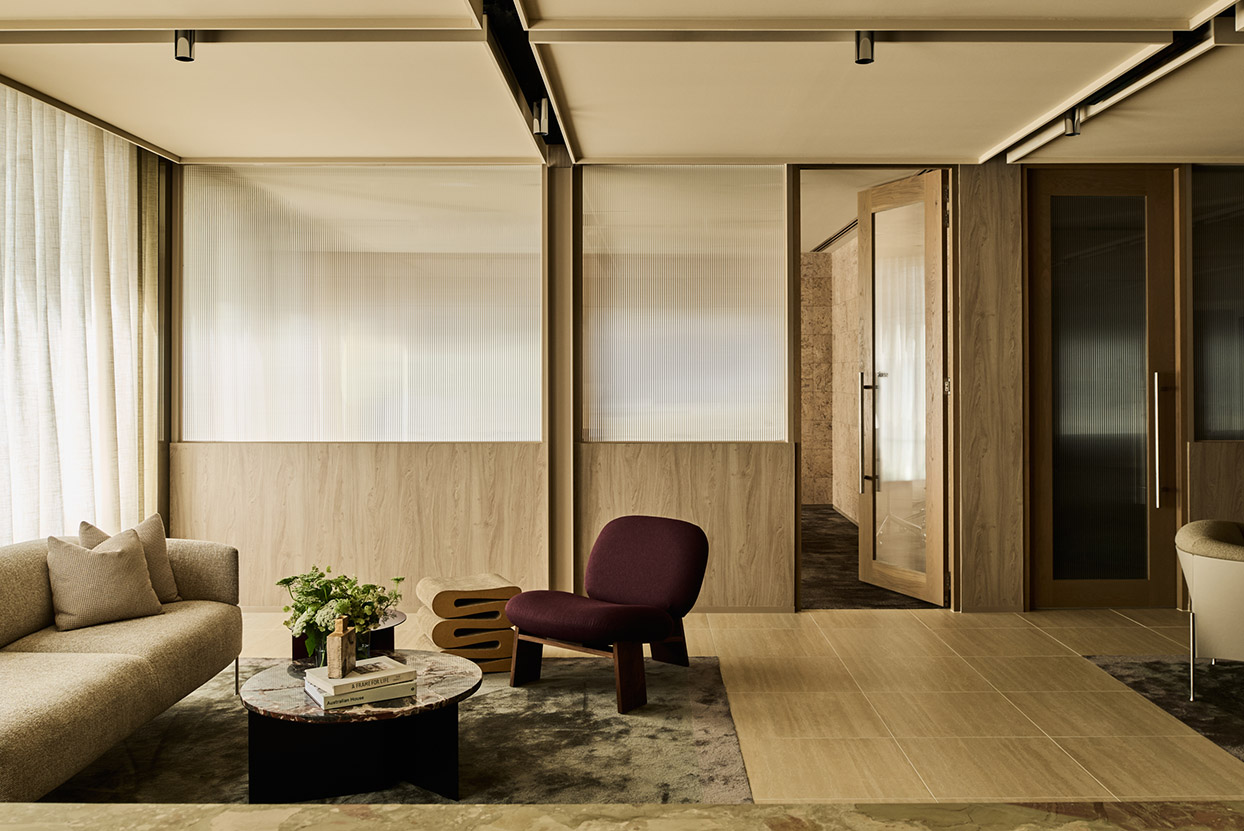
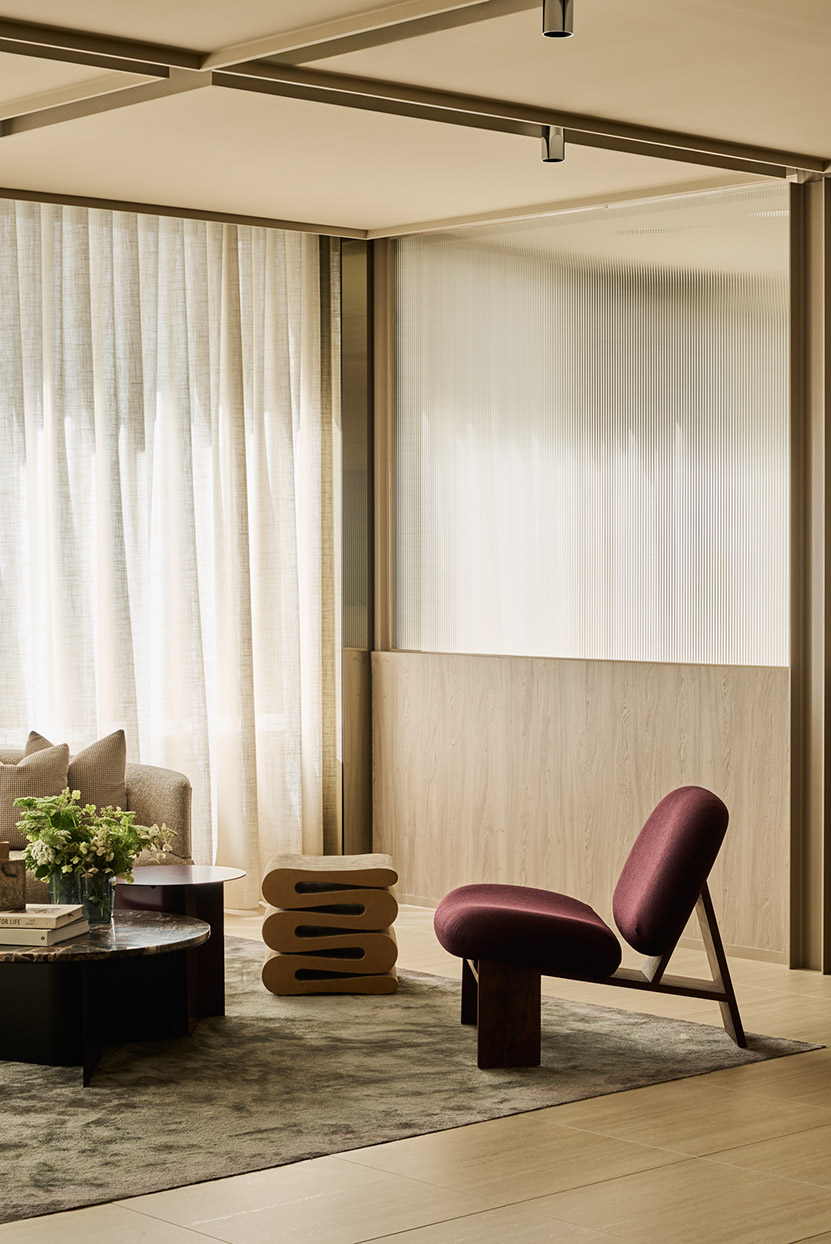
Those abstracted linkages can be seen all over: razor-sharp architectural precision softened by rich drapery and warm timber.
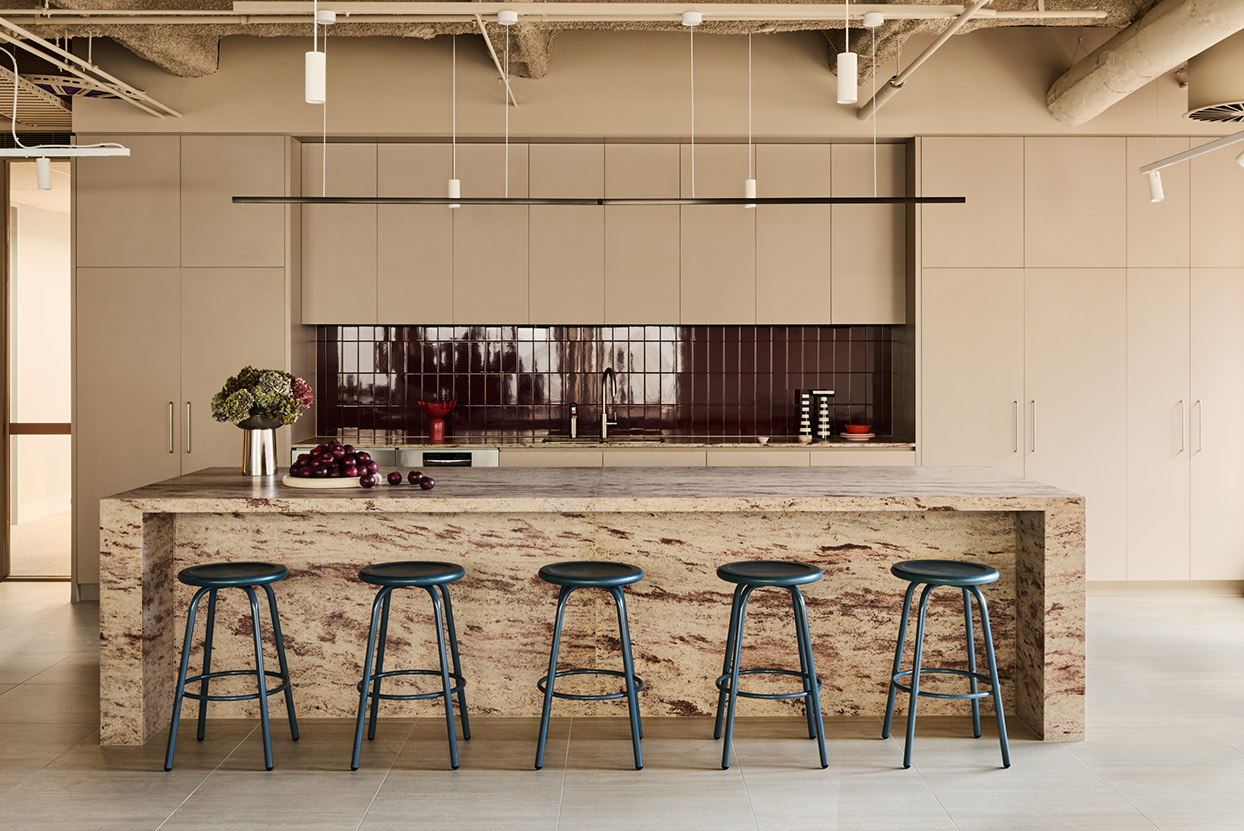
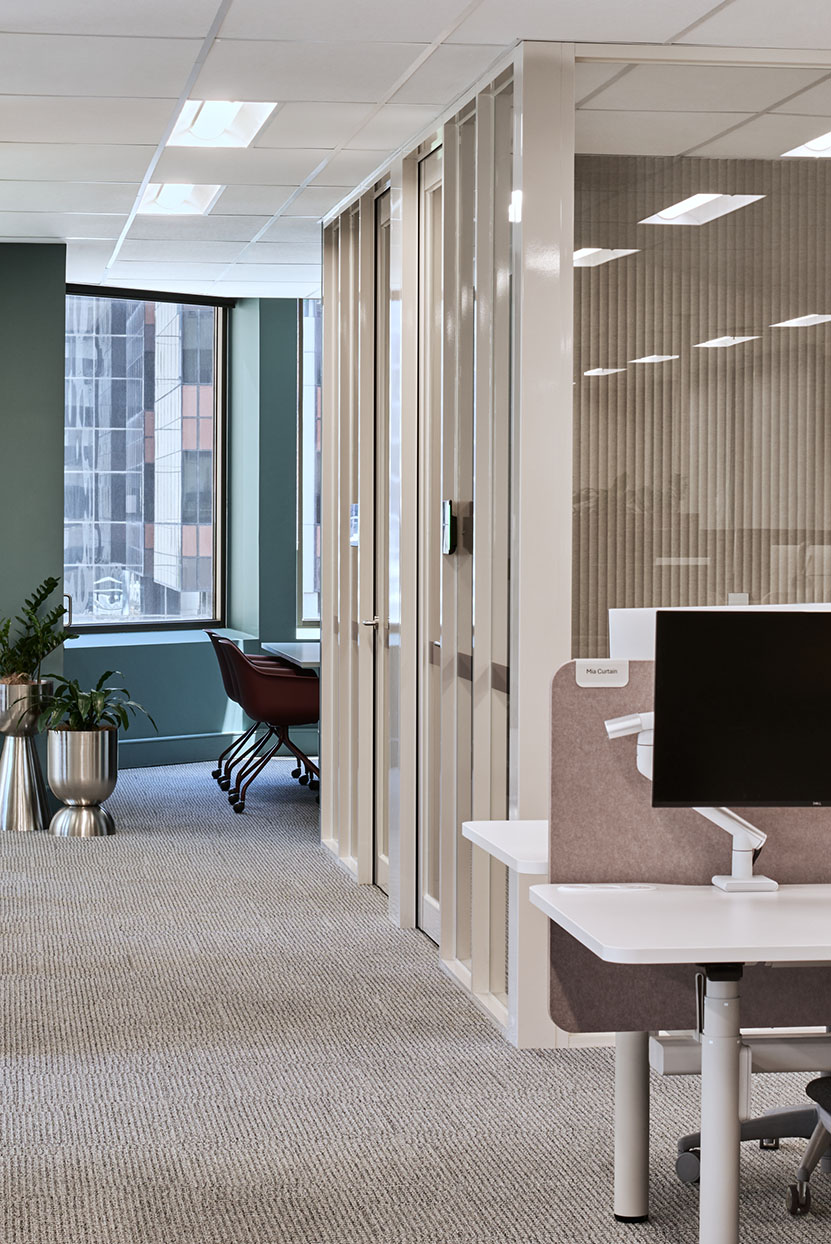
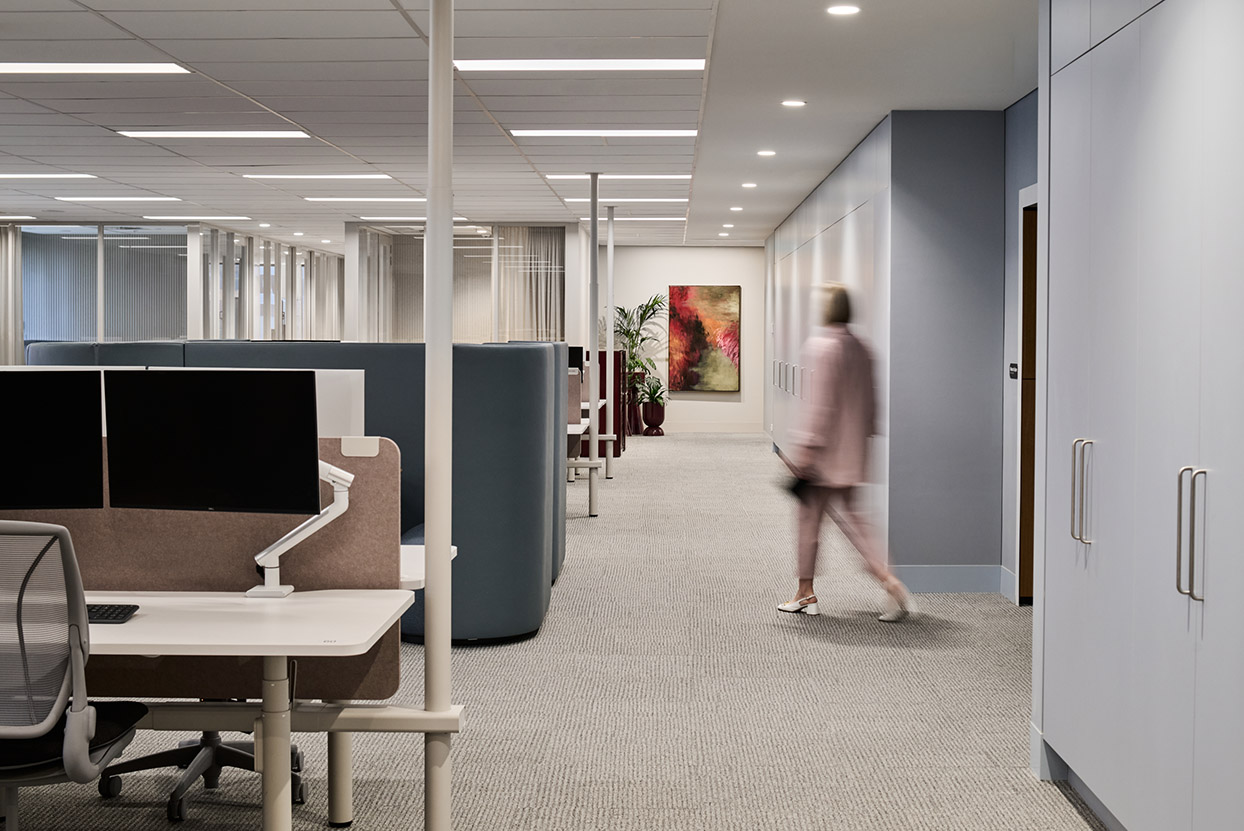
This ‘balancing of the scales’ extends to the floor plan, which aims to dismantle the law firm hierarchy of the past when sweeping views of Melbourne’s civic landmarks would have been strictly reserved for senior partners in massive corner offices. Empowered through a workplace strategy process with Claire Vallis, Studio Tate arranged practice hubs along three building sides, opening the prime northern edge for shared breakout and collaboration zones. The result is a layout that balances both connection and privacy.
Now, every employee — from junior paralegals to top litigators — gather along the perimeter to enjoy vistas of the neighbouring nineteenth-century Supreme Court’s copper dome. “We felt strongly that the view towards the Supreme Court should not be reserved for a handful of people in perimeter offices,” says Anita.

“It became part of the shared experience,” she adds, underlining the democratic ethos of the design. Gordon Legal represents everyday people who are often navigating some of the most stressful chapters of their lives. A cold, mahogany-clad bunker is the last thing a client needs.
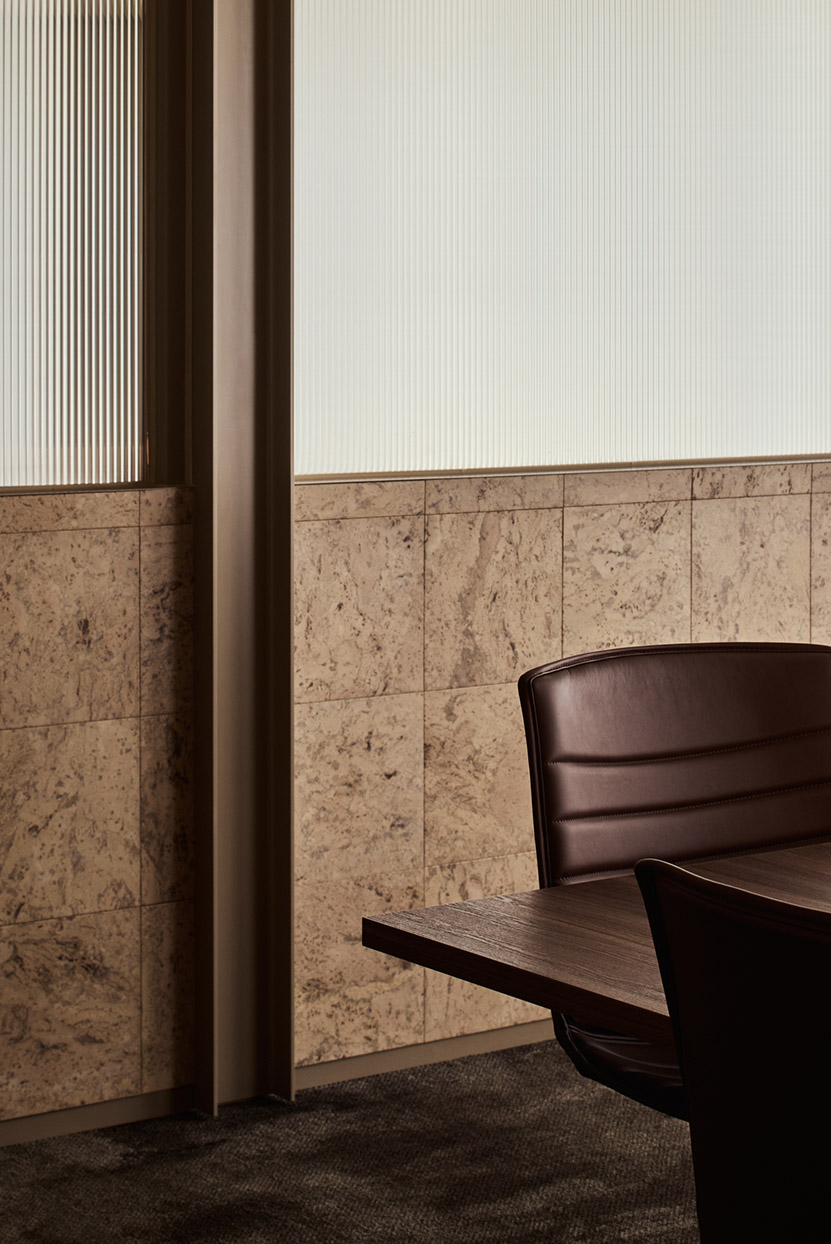
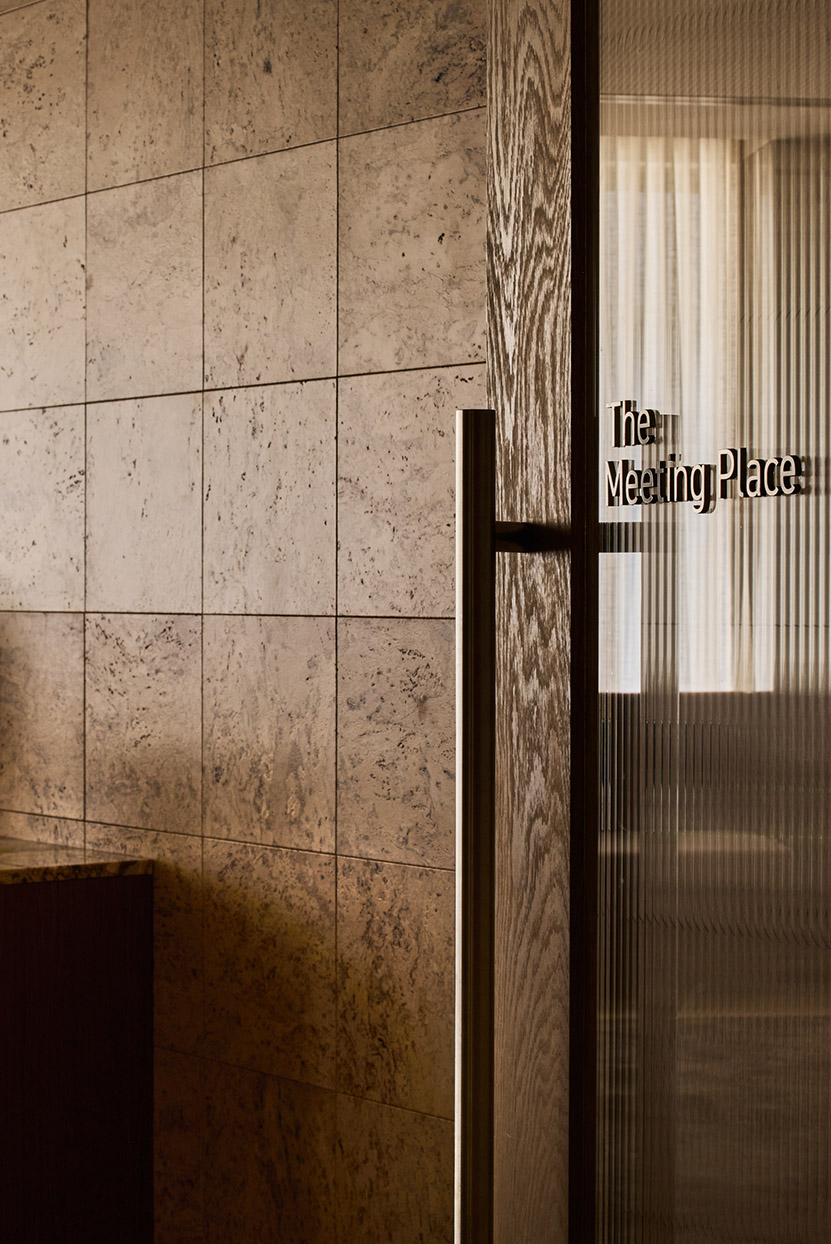
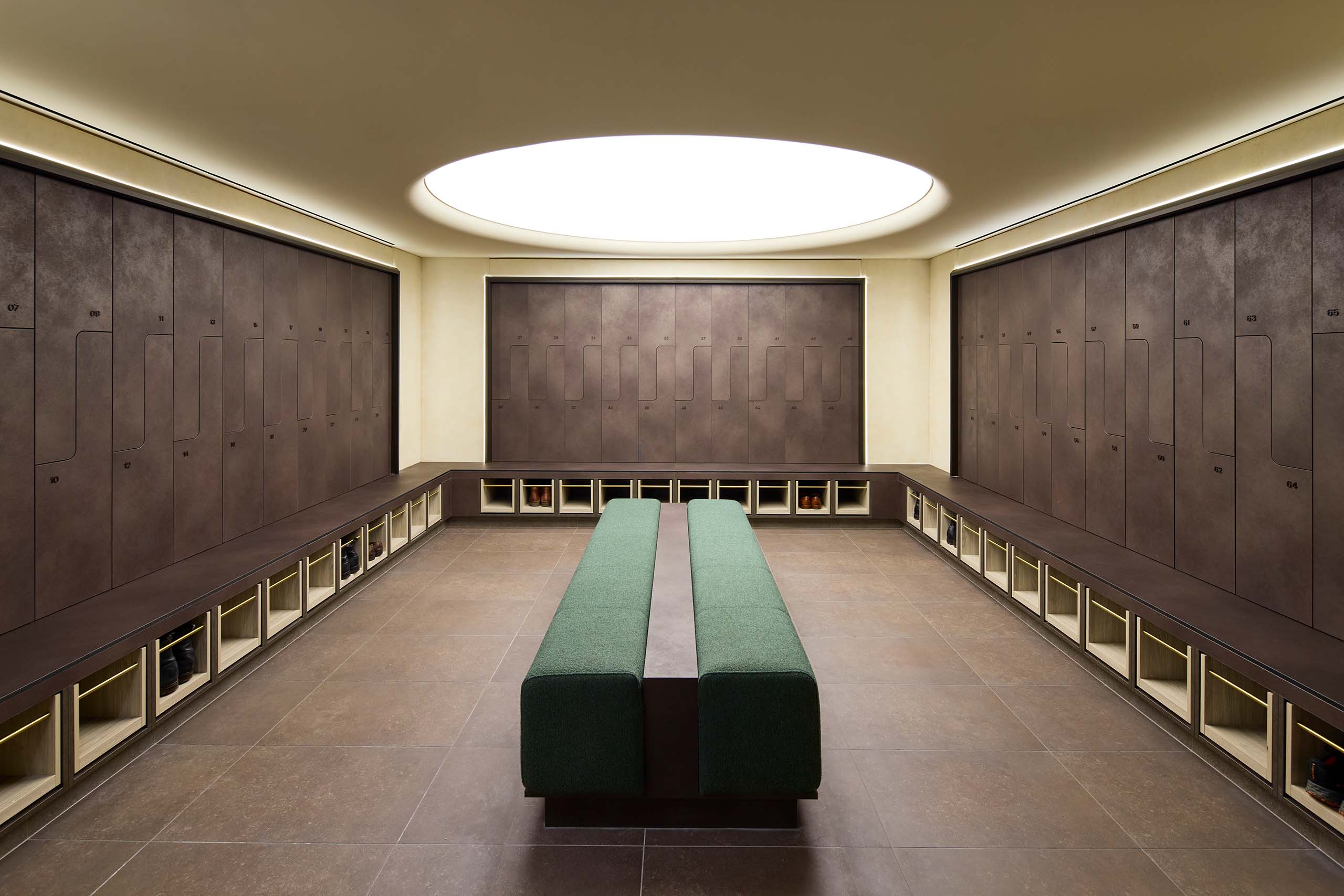
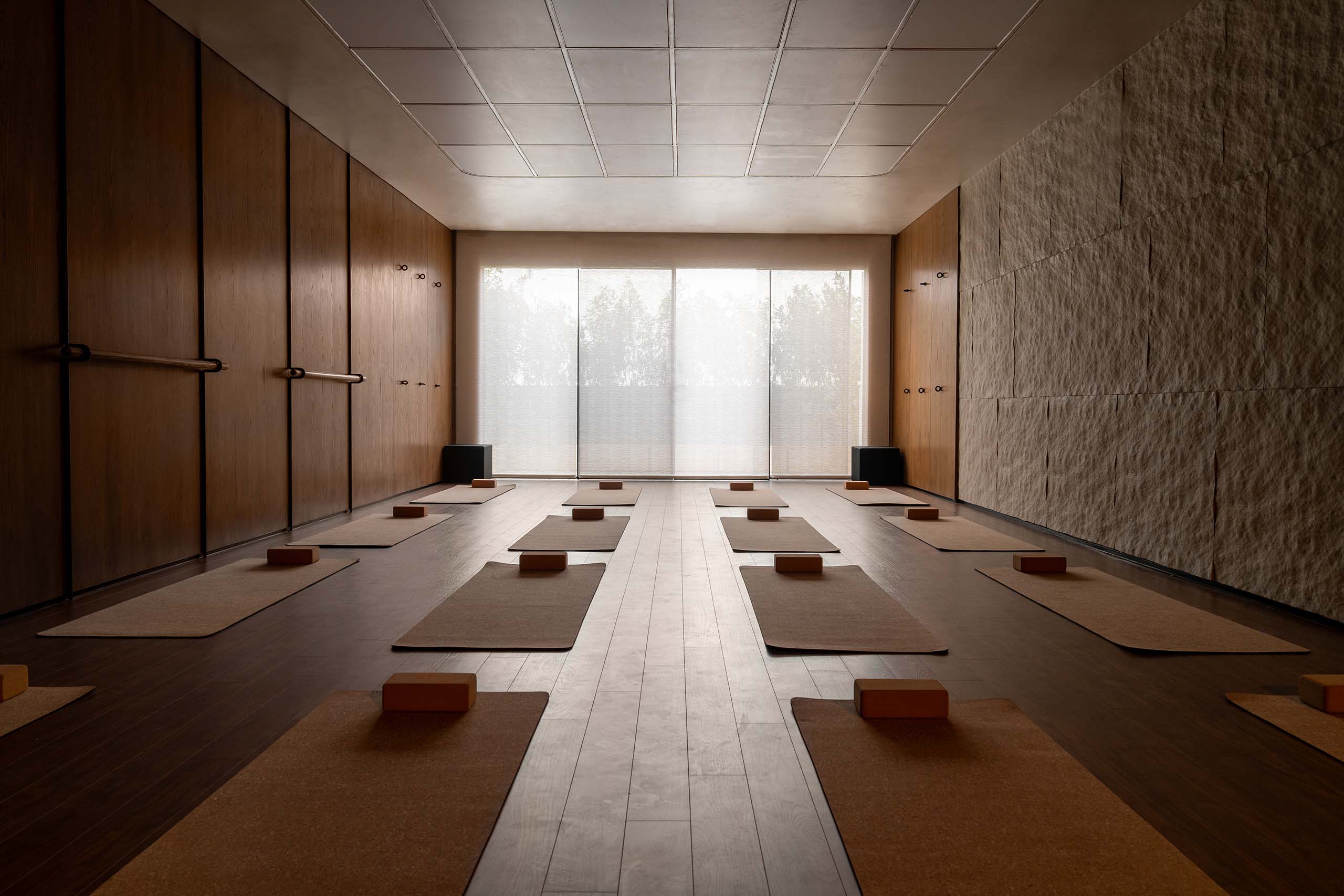
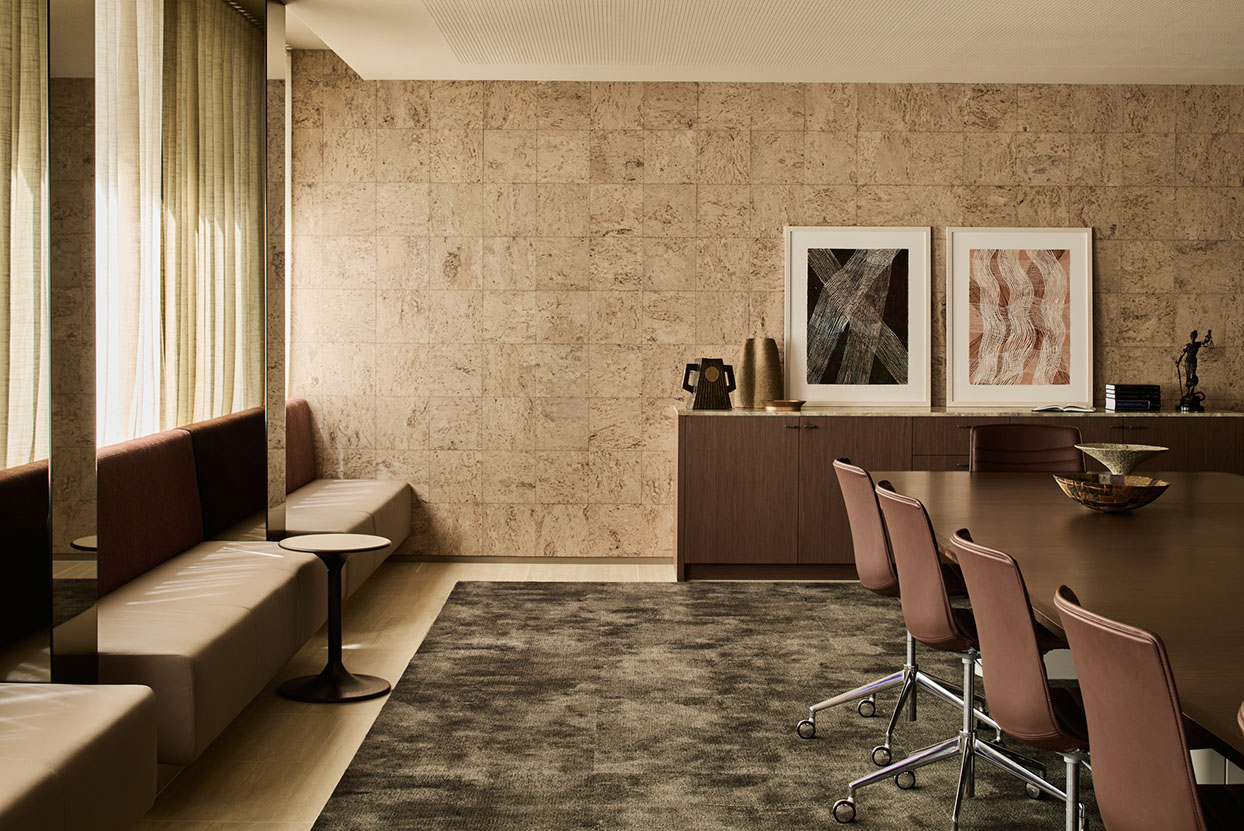
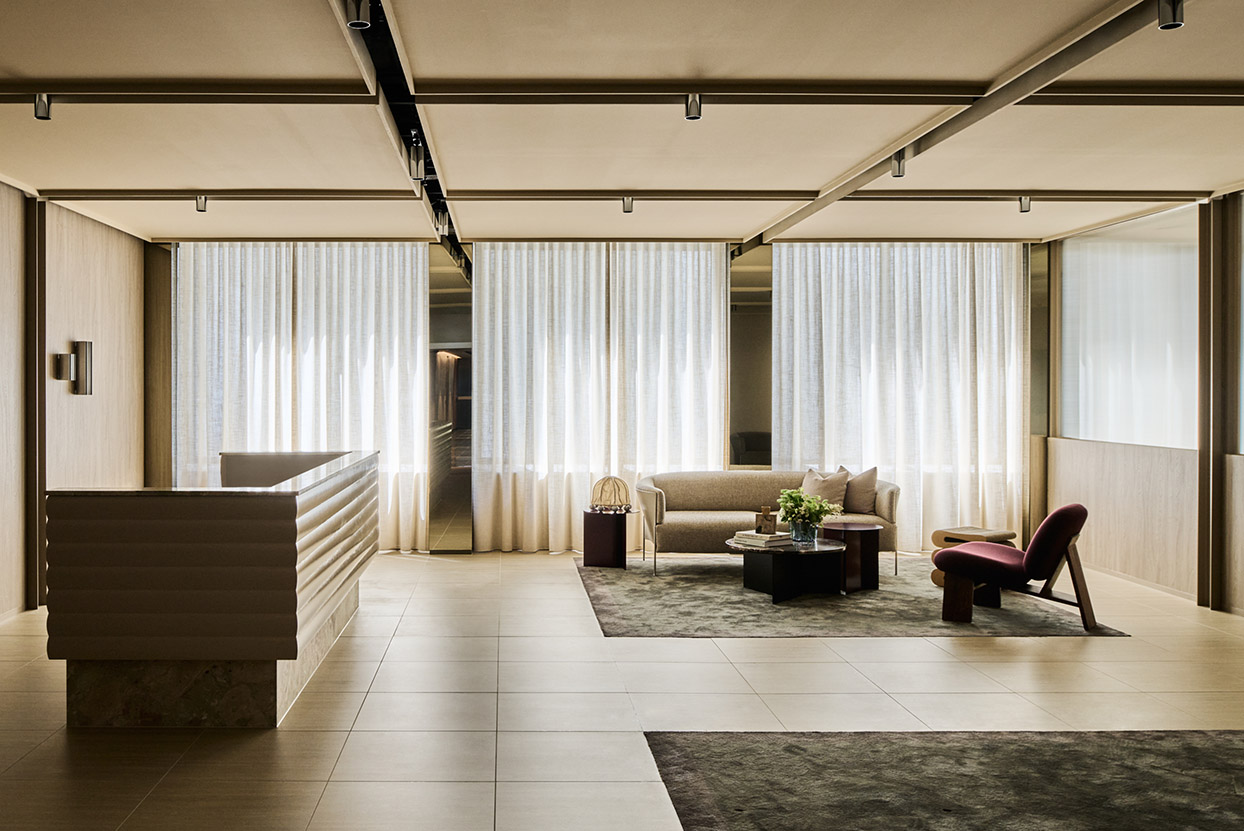
In the reception area, warm cork wall tiling, veined marble and soft travertine set a reassuring, grounded tone. This flows into a formal boardroom enlivened by rich burgundy-backed banquettes and moodily, textured carpets — looking more like a boutique hotel than a place to sign affidavits. Drawing on hospitality and wellness principles, Studio Tate integrated quiet reading pods, focus rooms and cocooning retreats with dimmable lighting, giving staff full control over how they work and recharge.
Championing comfort and craftsmanship, Studio Tate curated key office pieces from District and softer front-of-house furnishings from Stylecraft, bringing an understated elegance. Large planters by Lightly introduce lush greenery and sculptural form, further softening the rigid edges typically expected of corporate law.
Related: Hassell’s own Melbourne studio is deliberately ‘anti-home’
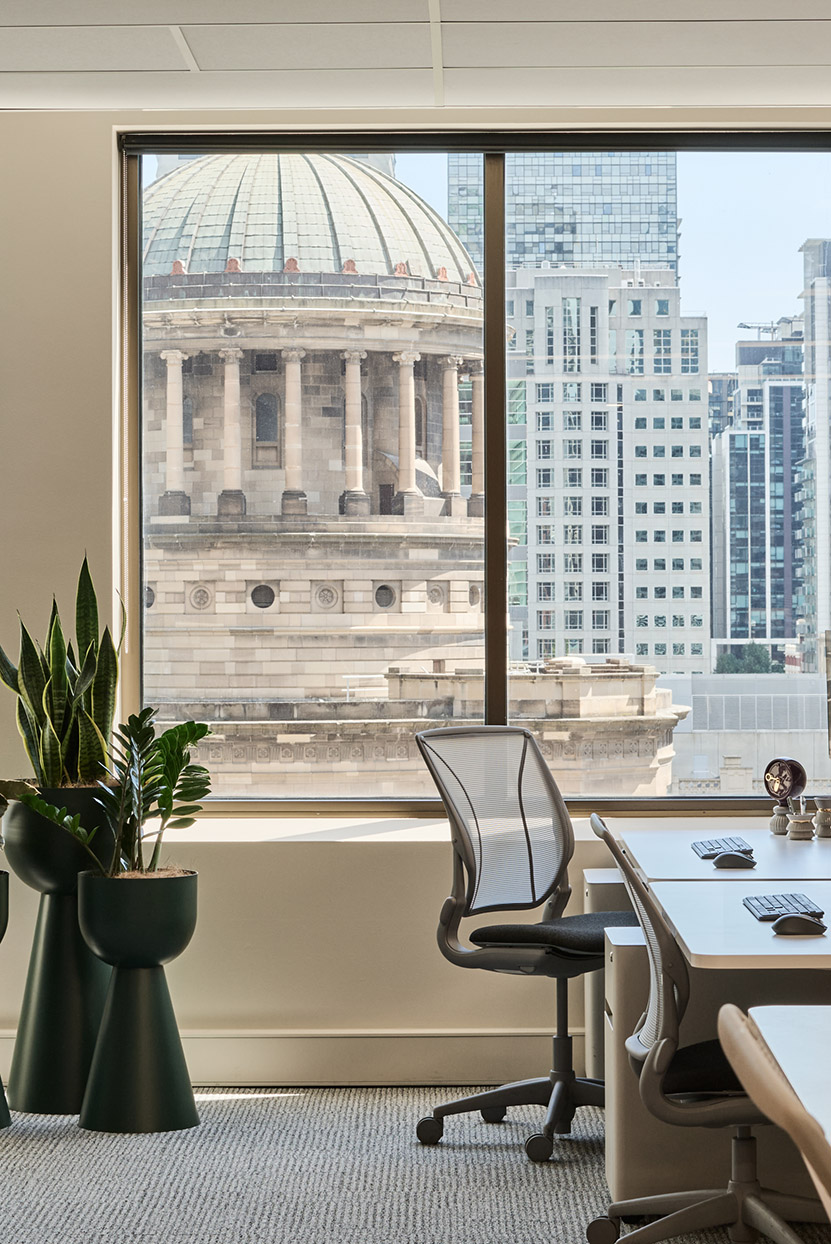
The project places Gordon Legal at the forefront of a global movement deinstitutionalising legal architecture. On a civic scale, landmark projects like Wardle’s Bendigo Law Courts and 3XN’s Frederiksberg Courthouse reject intimidating facades for light-filled, community-engaged spaces. In the private sector, leading practices are embracing hospitality and residential cues. Alongside global peers like Fabric Architecture (Seton Family Lawyers) and LSM (WilmerHale), Studio Tate proves soft materiality, acoustic comfort and non-hierarchical layouts are critical tools for client and staff wellbeing.
Often elusive, Studio Tate brought this project in on time and under budget. Anita credits much of the project’s success to their relationship with Gordon Legal: “There was a real openness to explore what their future workplace could be, rather than defaulting to traditional expectations.”
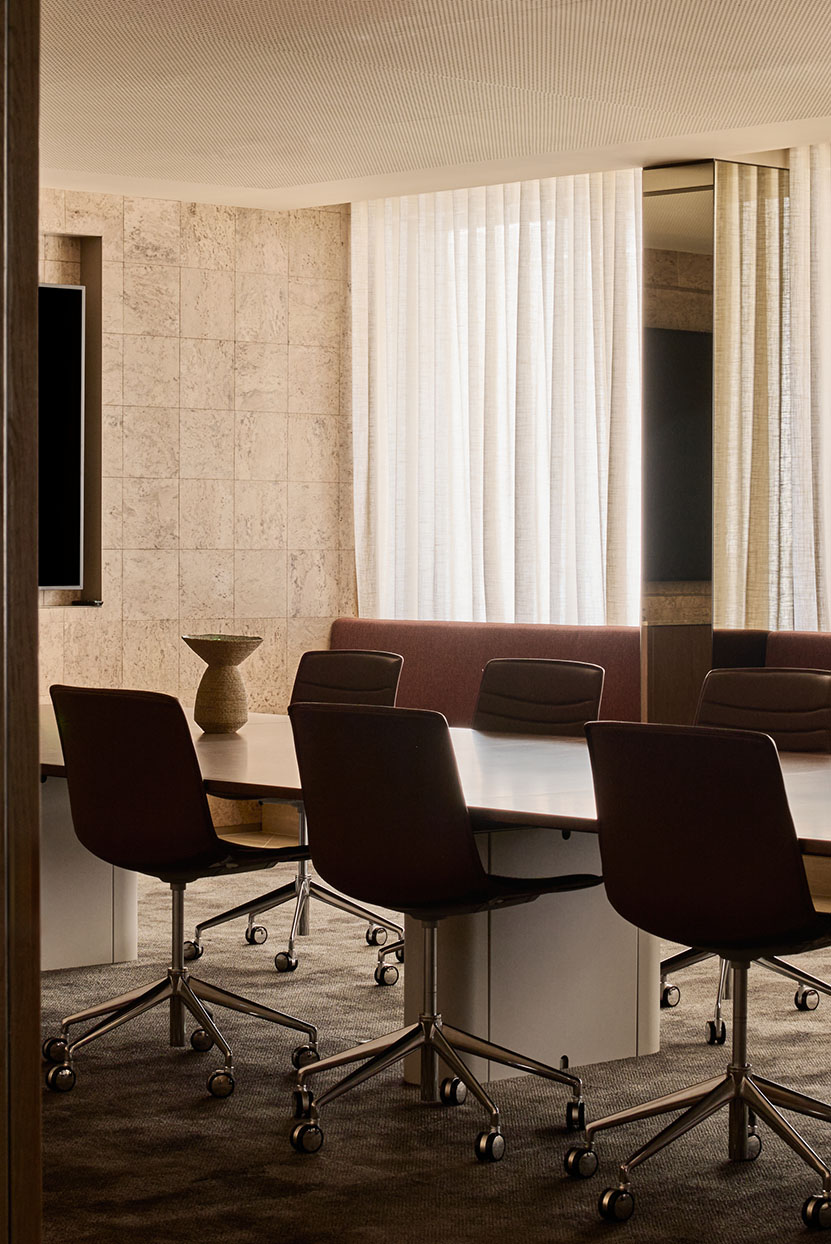
By stripping away corporate posturing to celebrate material richness, democratise views and create restorative quiet, Studio Tate’s team has dismantled the outdated notion that legal spaces must be insufferably solemn. Instead, they have delivered a workplace with genuine heart and a powerful final verdict: true justice isn’t forcefully projected, but cultivated in spaces designed to honour the human beings inside them.
Studio Tate
studiotate.com.au
Photography
Tom Blachford