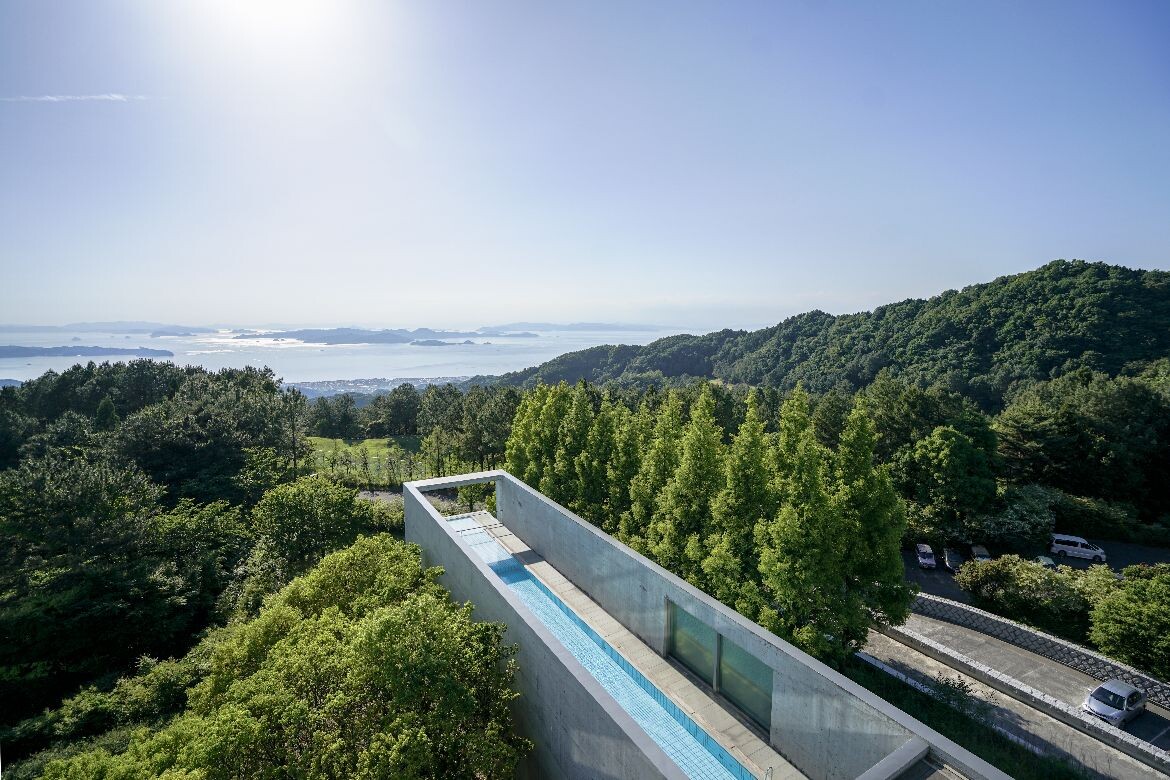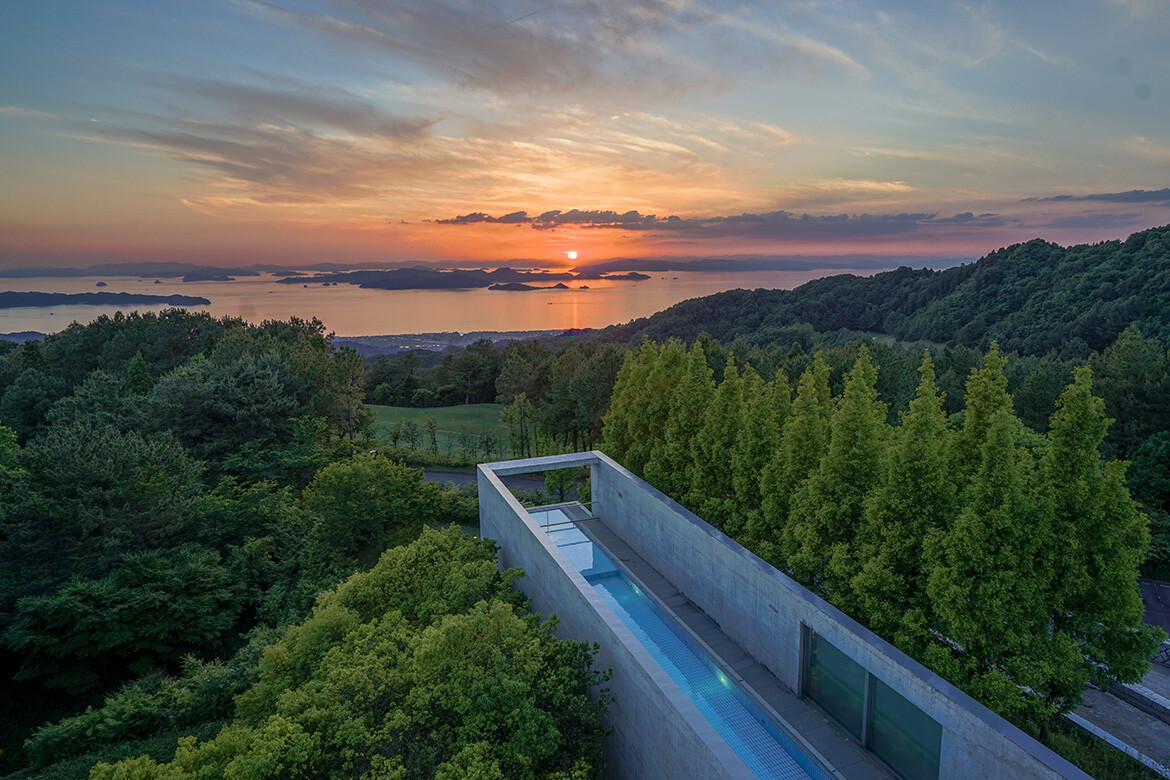
On the forested northern edge of Shikoku, Setouchi Retreat Aonagi reveals itself slowly. The approach is deliberate, winding through dense greenery before giving way to a composition of pale concrete planes and carefully framed views. Designed by Tadao Ando, the retreat is less a destination than a withdrawal, one that redefines luxury through restraint, light and silence.
Originally conceived as a private guesthouse during Japan’s bubble era, the building bears all the hallmarks of Ando’s architecture: sculptural concrete, controlled apertures and a precise choreography of shadow. Here, however, the material softness of the surrounding forest tempers the severity often associated with his work. The architecture does not compete with the landscape but recedes into it, allowing the site to set the tone.
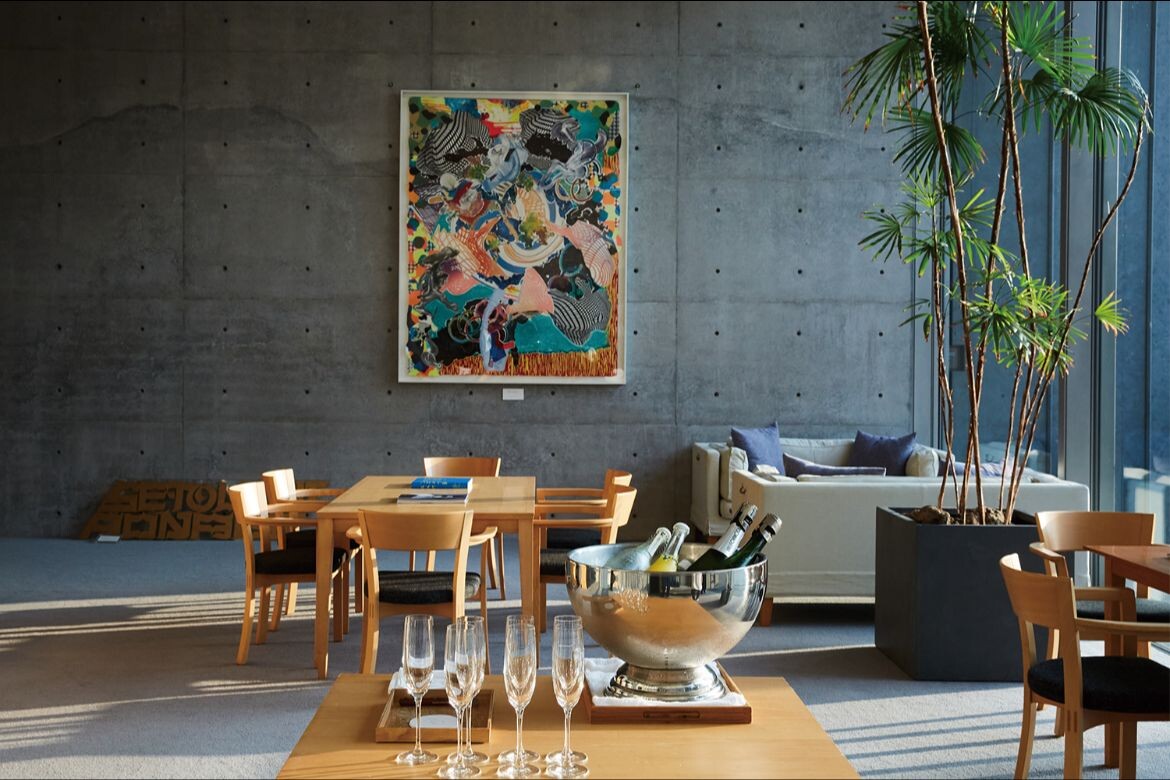
Now operated as a seven-suite retreat, Aonagi embraces a deliberately intimate scale. Each suite occupies an entire floor, offering expansive interiors that prioritise calm over excess. Furnishings are sparse and thoughtfully placed, with art used sparingly to punctuate the space rather than dominate it. Floor-to-ceiling glazing opens to forest or sea views, reinforcing the sense that the rooms are extensions of their surroundings rather than enclosed escapes.
A defining feature of the suites is the private onsen, positioned to blur the boundary between inside and out. Immersed in mineral-rich water, with filtered daylight and foliage in view, the experience is quietly immersive. It is here that the retreat’s philosophy becomes most apparent: luxury as time, space and attentiveness rather than spectacle.
Related: The new Sydney Fish Market opens as a landmark destination
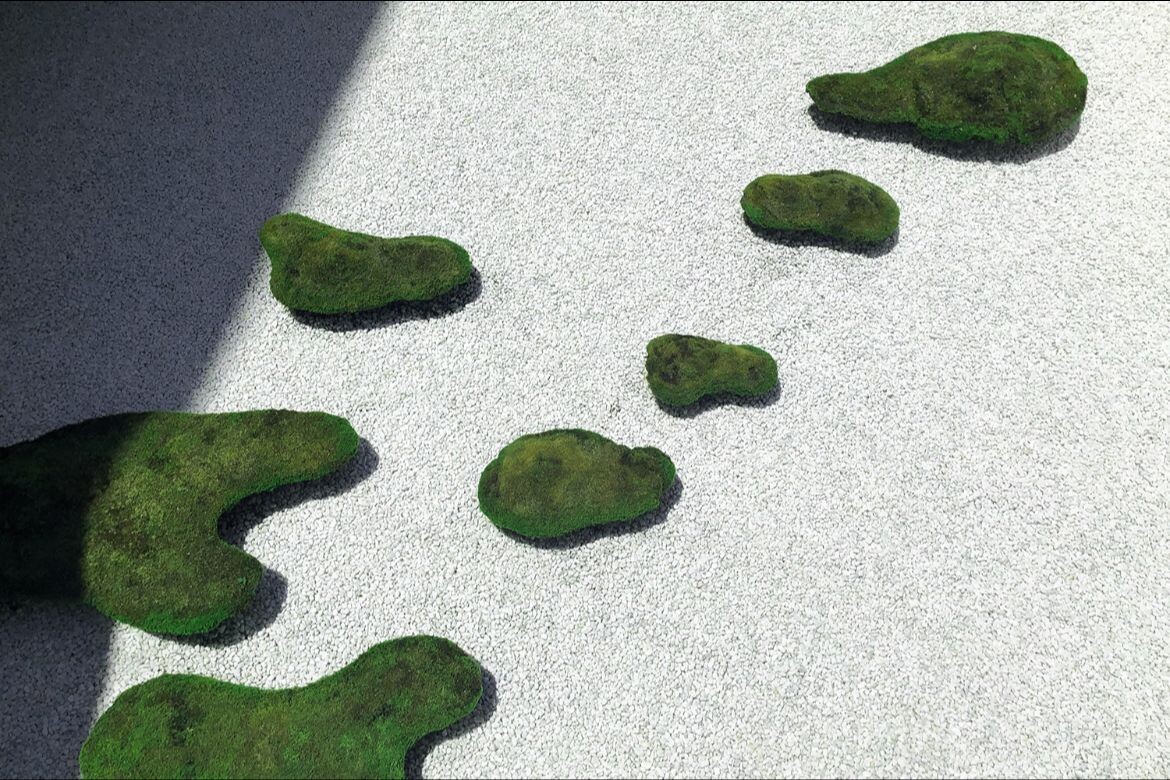
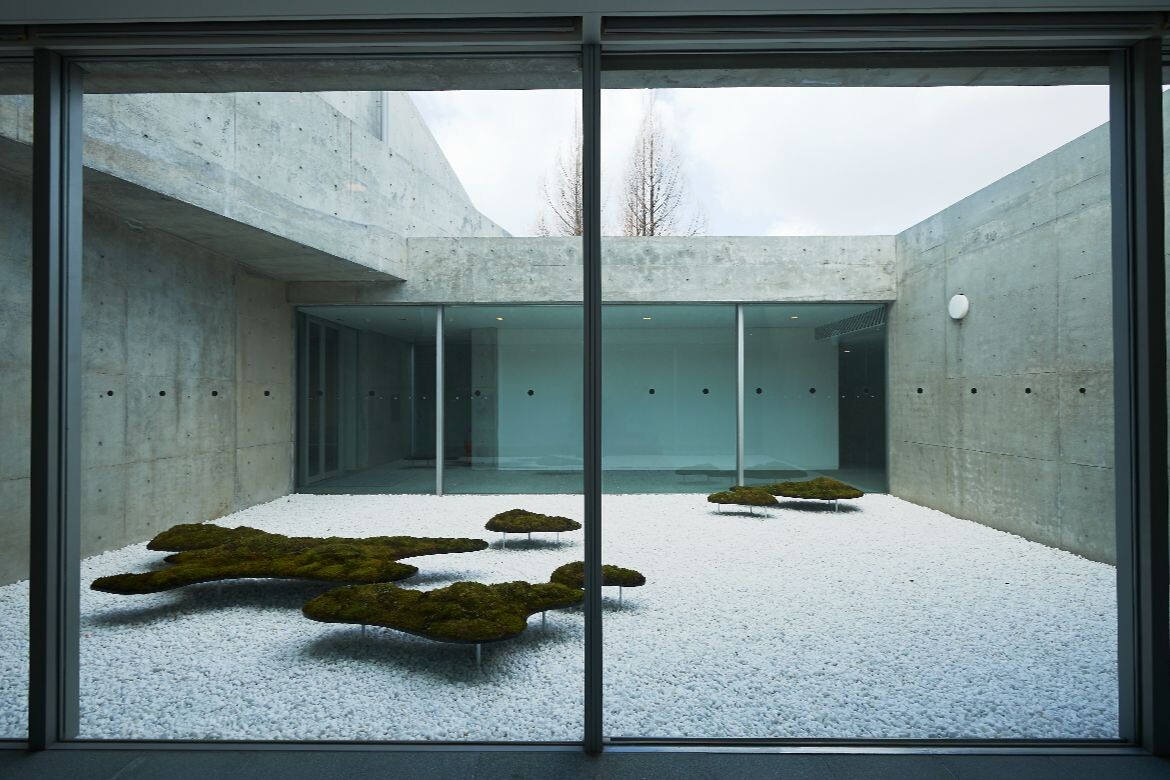
Throughout the building, circulation spaces act as moments of pause. Corridors open onto moss gardens and internal courtyards, offering visual relief and subtle transitions between programs. Even movement feels slowed, encouraged by the measured sequencing of spaces and the absence of visual noise.
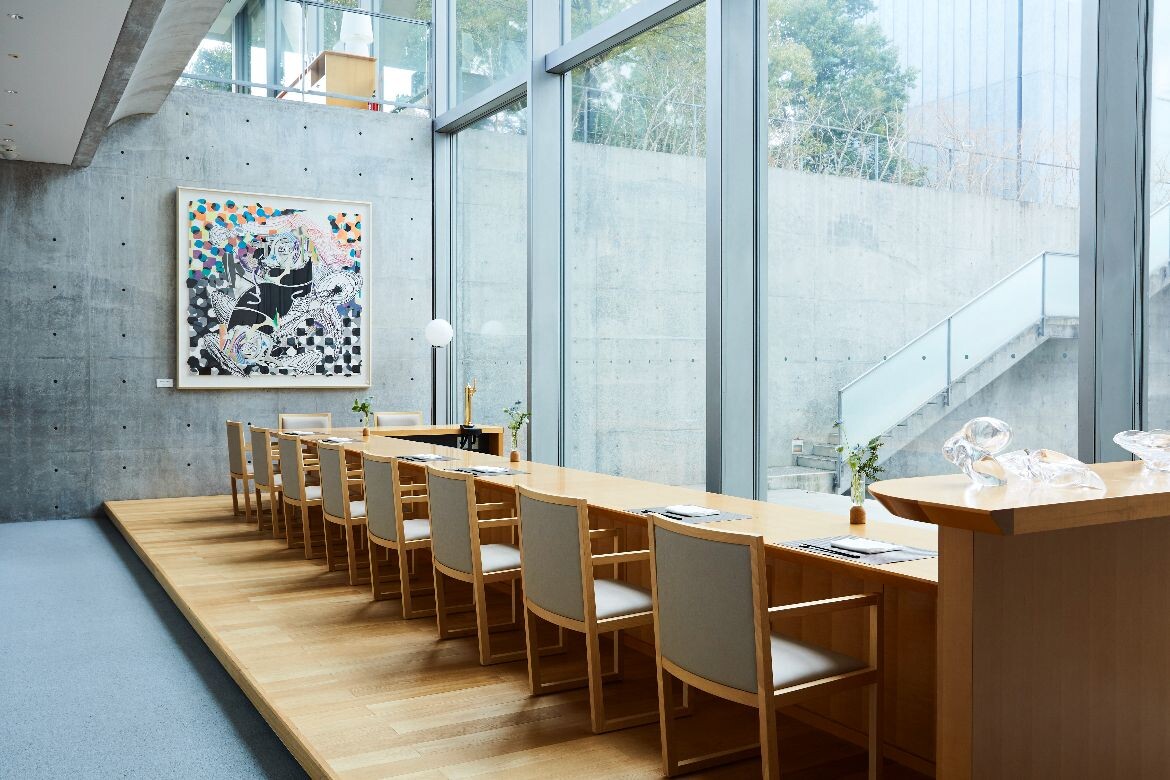
Dining at Aonagi follows the same ethos. Kaiseki-style meals are composed using seasonal produce sourced largely from the Seto Inland Sea and surrounding region. The emphasis is on balance and restraint, with dishes presented simply and without unnecessary flourish. The result is an experience that feels grounded and reflective of place, rather than performative.
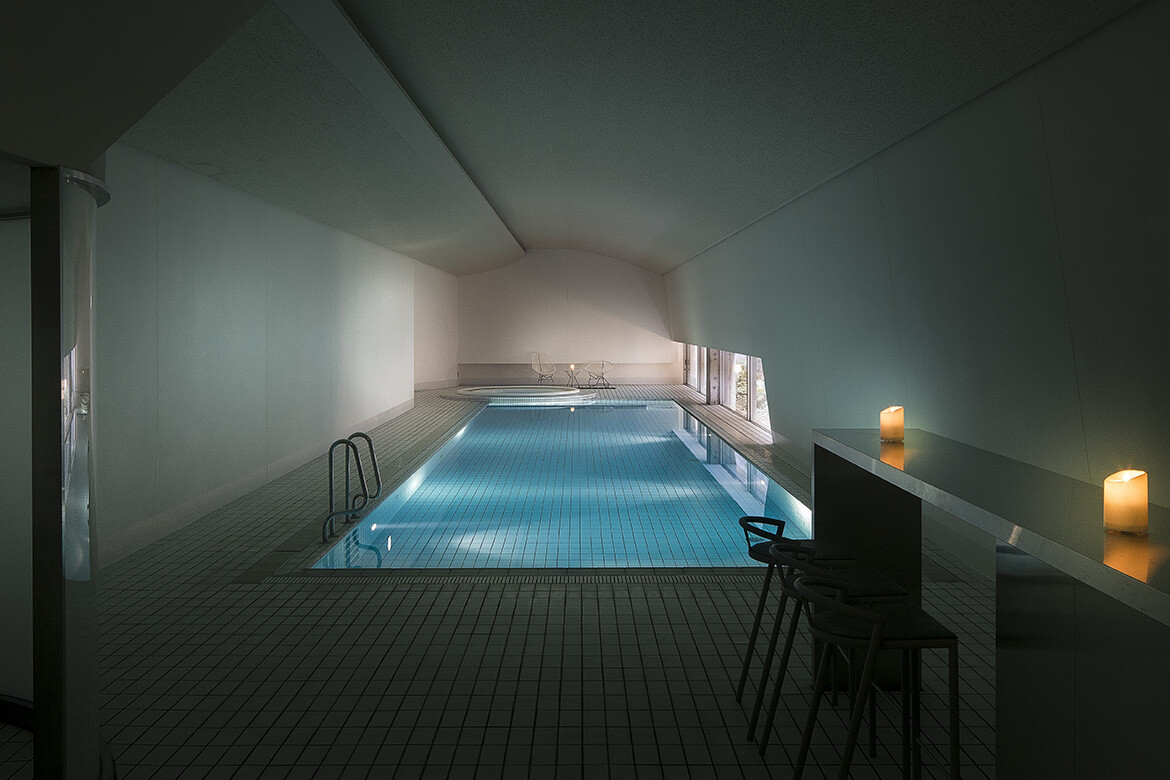
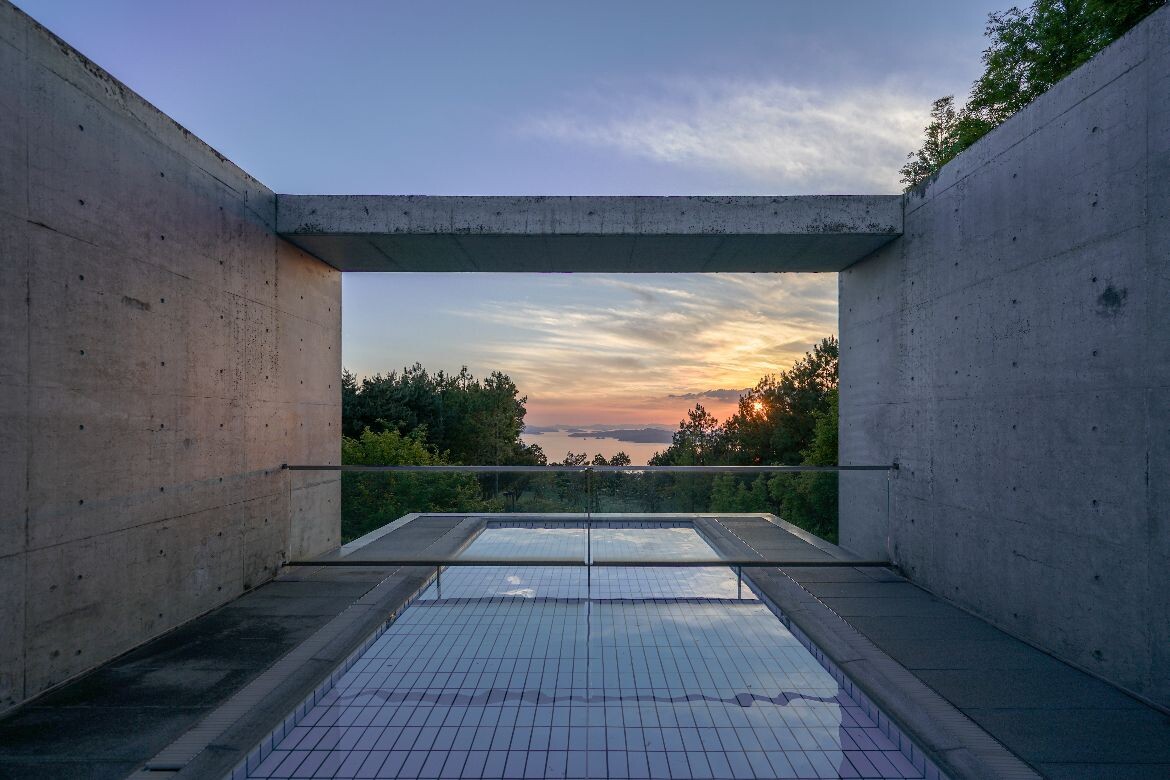
Wellness facilities are similarly understated. An indoor pool carved into the lower level offers a sheltered, contemplative environment, while a rooftop pool engages directly with the surrounding landscape. Both are designed for solitude as much as relaxation, reinforcing the retreat’s emphasis on personal space and quiet immersion.
Beyond the retreat, the broader Setouchi region offers access to fishing villages, coastal landscapes and nearby art islands such as Naoshima. Yet Aonagi resists the urge to act as a hub of activity. Instead, it positions itself as a counterpoint to movement and stimulation, a place where the architecture encourages stillness rather than itinerary.
In an era where luxury hospitality often equates to visibility and abundance, Setouchi Retreat Aonagi offers an alternative model. Through Ando’s architecture and a tightly edited program, it demonstrates how design can create depth not by adding more, but by carefully taking away.
Architecture
Tadao Ando
Photographer
Ivy Carruth