LISTEN HERE!
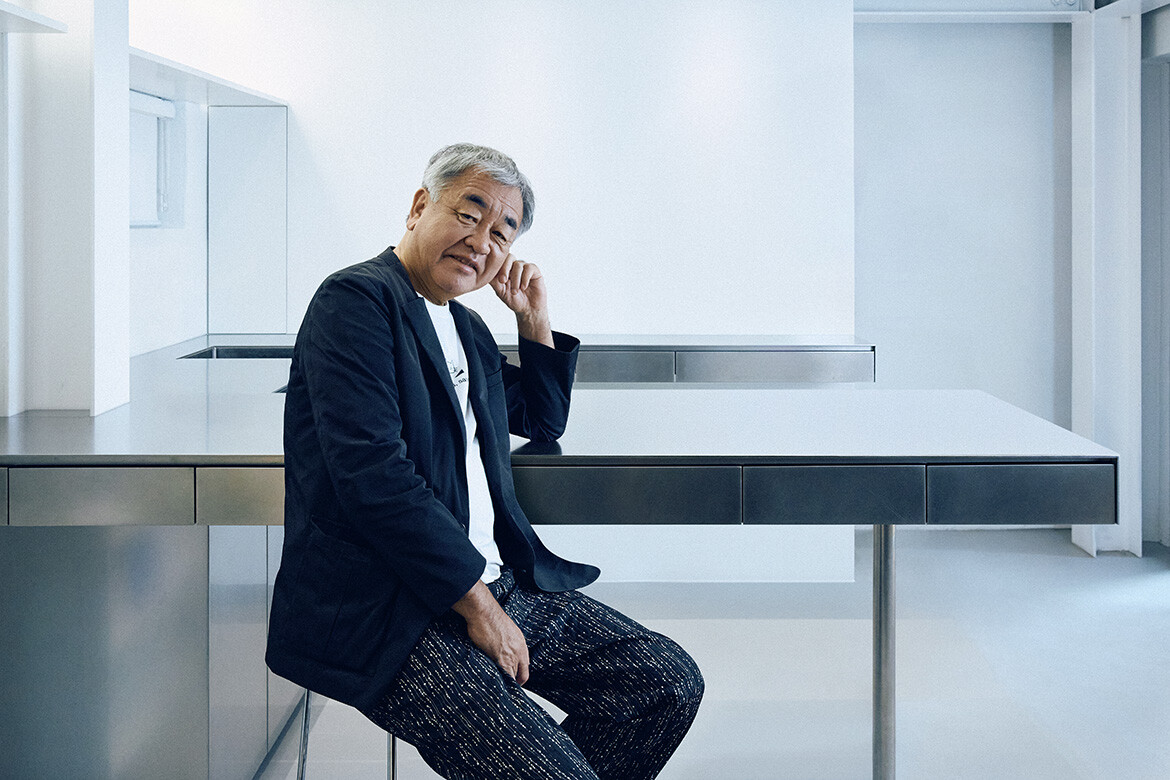
Kengo Kuma is one of the most acclaimed architects of our time. Based in Tokyo, he joins me for a podcast interview to talk about a wide range of topics and influences – from the Metabolist movement of mid-century Japan to a pivotal research trip to the Algerian Sahara as a graduate.
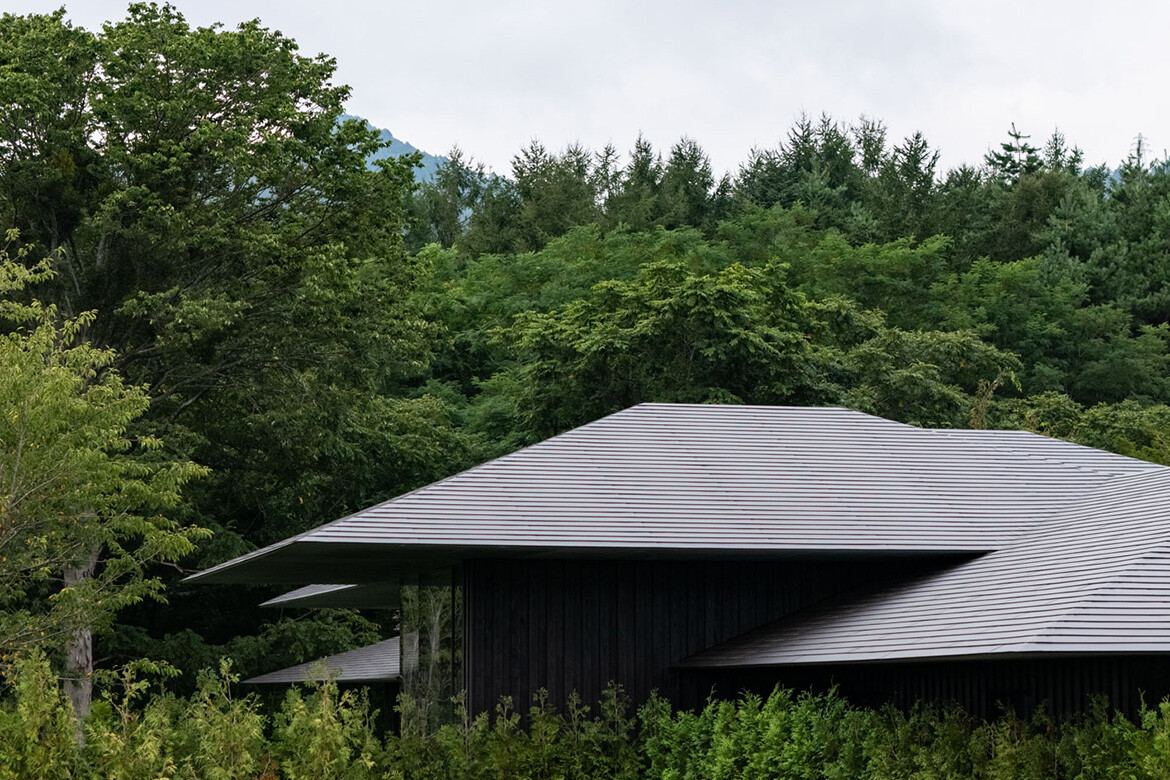
The interview was also an opportunity to gain some further insight into a recent project that has been shortlisted for Habitus House of the Year 2025 with Winnings. Mount Fuji residence is a private home that centres views of the famous mountain, and it coheres some of the wider philosophical convictions of Kuma’s practice. He tells me about the traditional materials as well as the twin influences of mountain and village for this project.
“The project is basically sitting on the slope and is influenced [by] the beauty of it,” says Kuma in the podcast. “But behind there is a mountain. It is a very similar condition with the house [where I grew up]. The building is very important for me because touching the ground [lightly] is most important for life I think.”
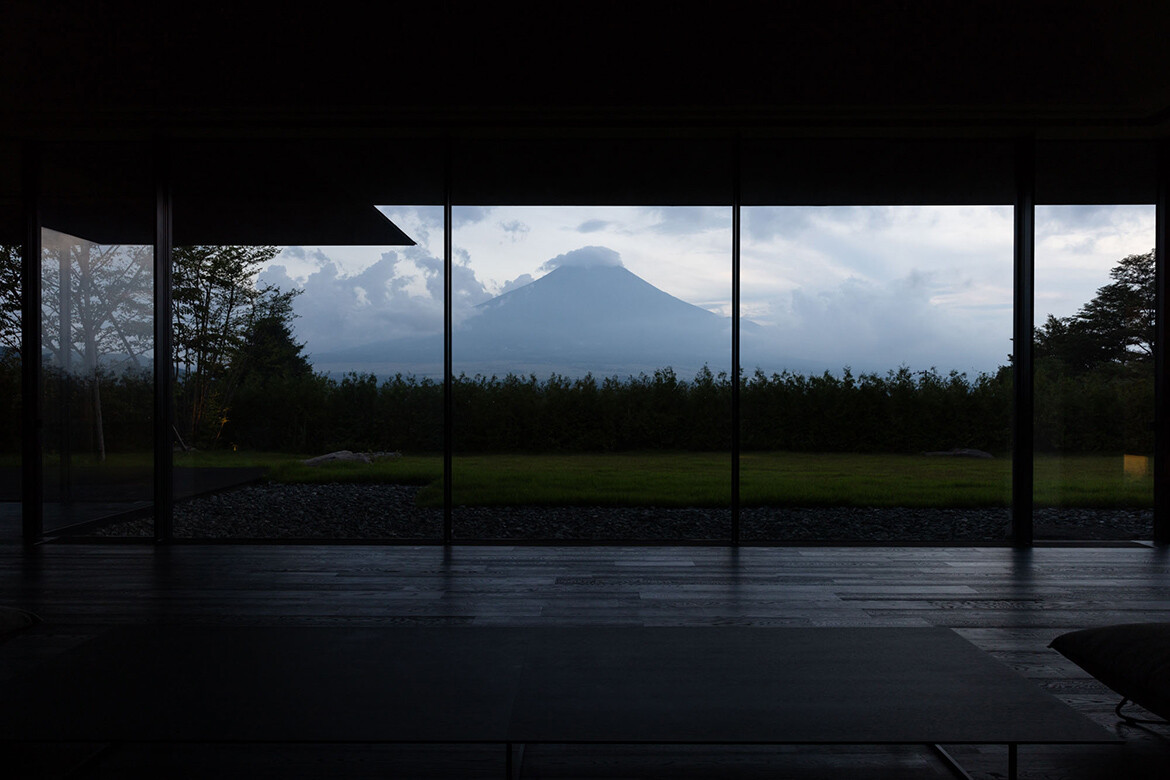
Kuma describes the rice paper as “the protagonist of my house and the softness of rice paper, the texture of rice paper, as sometimes translucent paper is the basis of my experience. I want to translate that kind of style into the contemporary way, but still the essence of the house is a traditional one storey. [It is] a humble house… the silhouette is very low and almost touching to the ground, and the horizontality of the eaves is most important for the silhouette and the design.”

The interview turns to wider questions of history, influence and the future. Kuma describes breaking with the Metabolist movement due to the over-reliance on industrial materials, yet drawing on that rich period of Japanese architecture to interrogate the intersections of tradition and modernity. “I am not nostalgic at all,” he states, acknowledging that Mount Fuji Residence is an example of translating tradition into the contemporary.
As for the future, Kuma concludes: “Humbleness is will be most important value in the future [of] architecture.” Listen to the full interview here.
Kengo Kuma & Associates
KKAA
Photography (Mount Fuji Residence)
Fumihiro Matsuo, Mitsumasa Fujitsuka, Noguchi Takeshi, Yuya Sekiguchi