There is an innate intimacy about the practice of Cheshire Architects. Founded by father Pip Cheshire, then subsequently partnered with his son Nat, they have nurtured many a New Zealand architect over the last couple of decades.
To get an insight into the practice, we spoke to principal and creative director, Emily Priest, and principal, George Gregory. In conversation, they shared how the practice cradled a genuine passion for architecture but, more importantly, how they contributed to it.
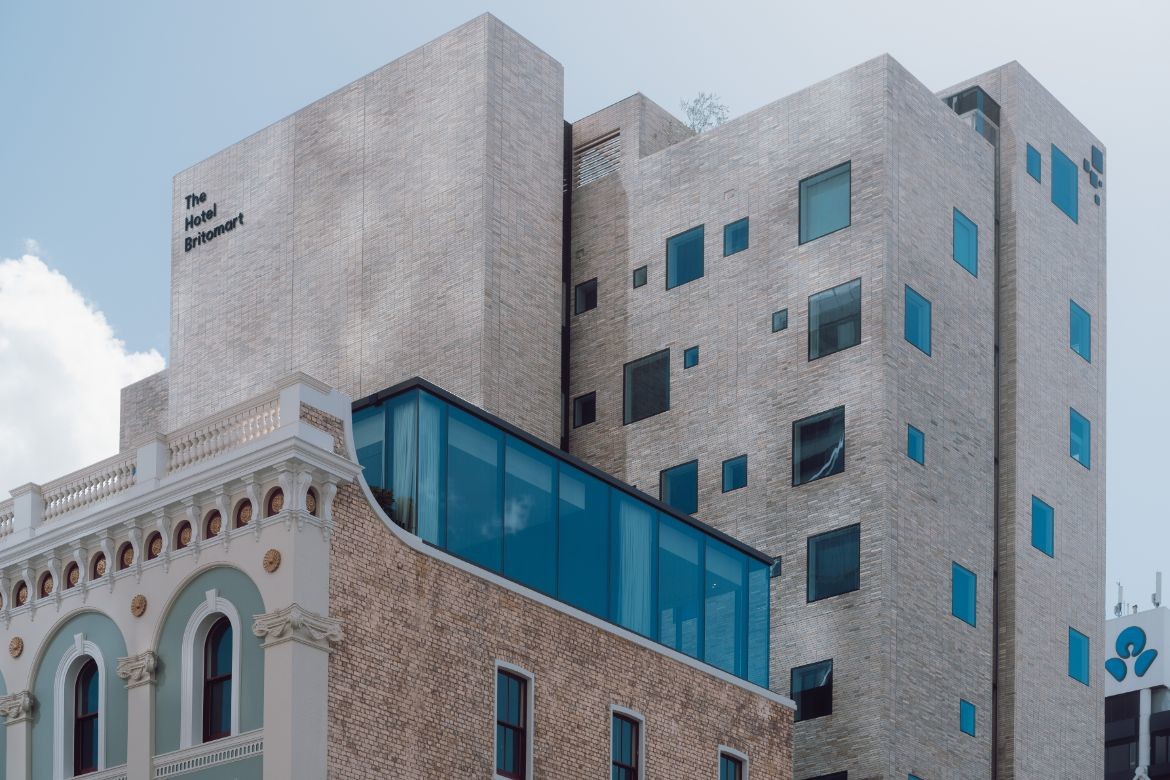
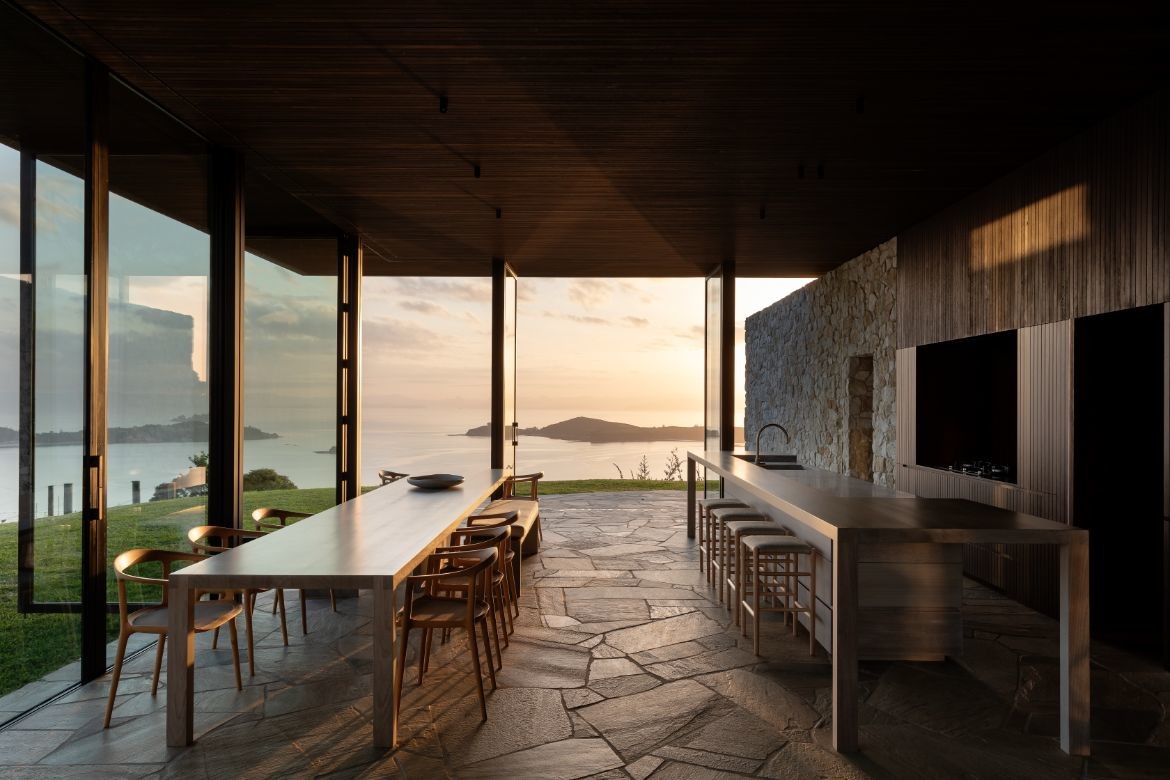
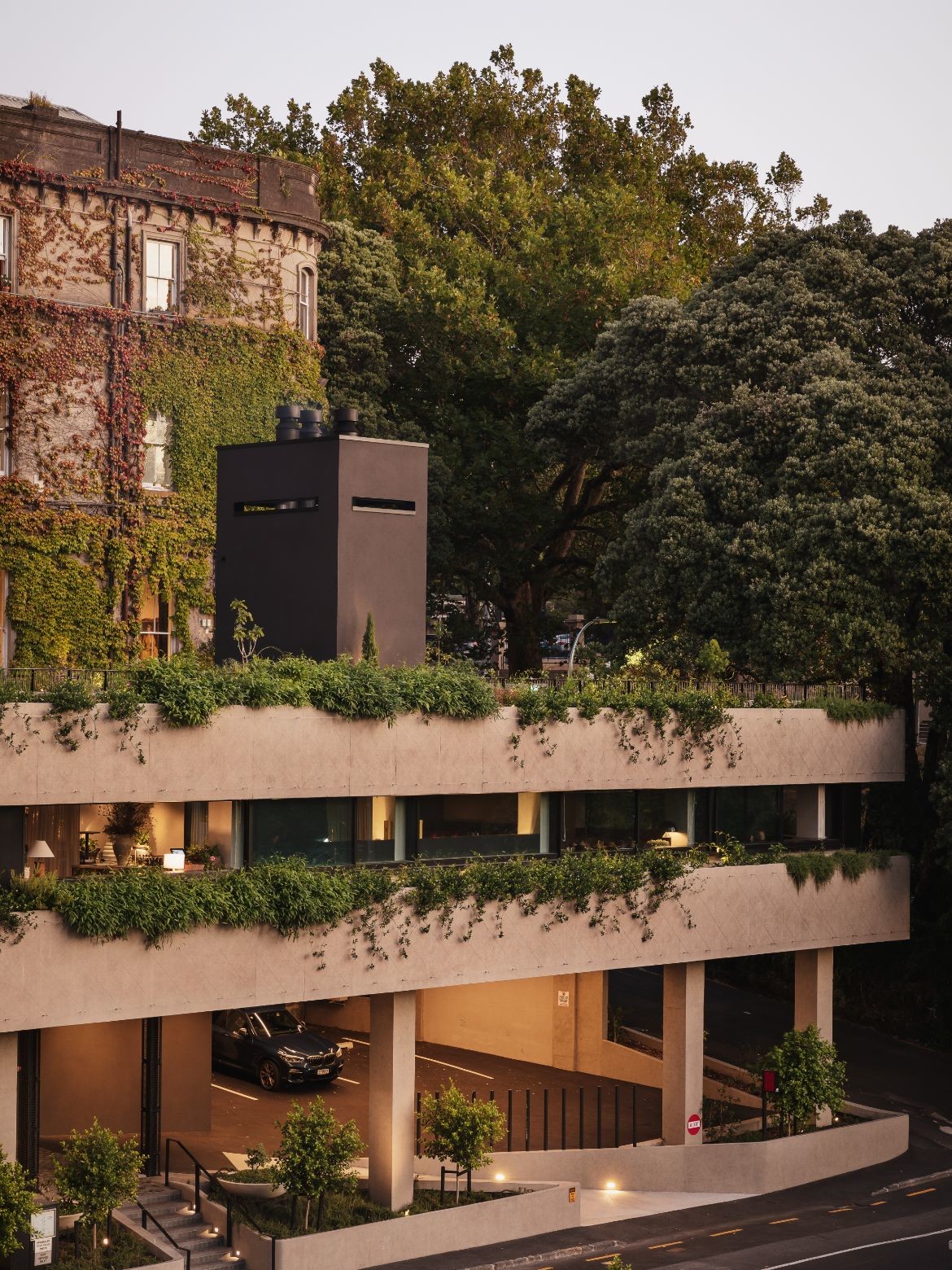
Having both started as novices with Cheshire and growing within the practice for over a decade, they emphasised that trust fuels their team. The proof is in their varied pool of special, stunning projects, including the Northern Club, Waiheke House and Faradays.
“We’re interested not just in architecture. It’s not just about a space and its walls and floors,” says George Gregory. “It’s deeper than this. It’s about having all spatial tools in play; the landscape, light and shadow, texture, sound and its absence and even the bedside lamps too.”

“We are interested in a total architecture and how people experience our spaces. How do they move through the space, and how do these things make them feel? That’s what we ask. Our studio favours people above all. And it’s made up of people with different interests. So, we try to foster teams around their own curiosities, depending on the project type.”
The Auckland practice works in various teams, each working towards their specific strengths in every new project. “We believe strongly that every voice in the team has merit, from a graduate or a senior. Any kind of idea can be a good idea,” says Priest.
Related: Aotearoa architect Whare Timu
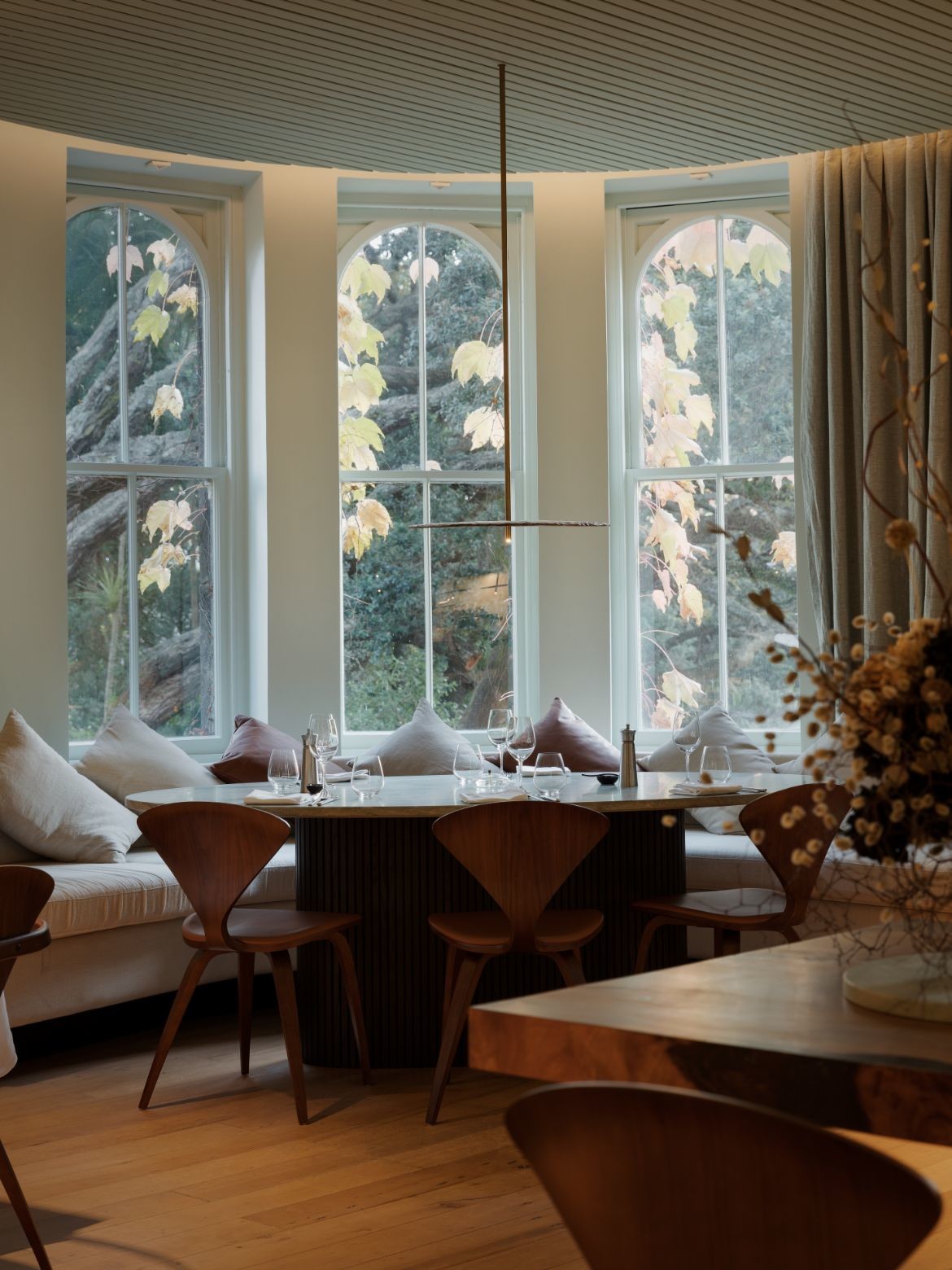
It translates to the project list for Cheshire Architects, one filled with masterworks from hospitality and commercial spaces to retail and residential. The only similarity between them is the strength of the team’s relationships with clients and the clients’ willingness to show a little bravery.
“The practice evolves by its sense of collaboration and the forming of strong working relationships, from the consultants and contractors to our fabricators and local artisans. And with these people, when we have clients willing to be brave, and take a leap of faith with us, it offers us the chance to create a potent environment and become highly explorative together,” Priest says.
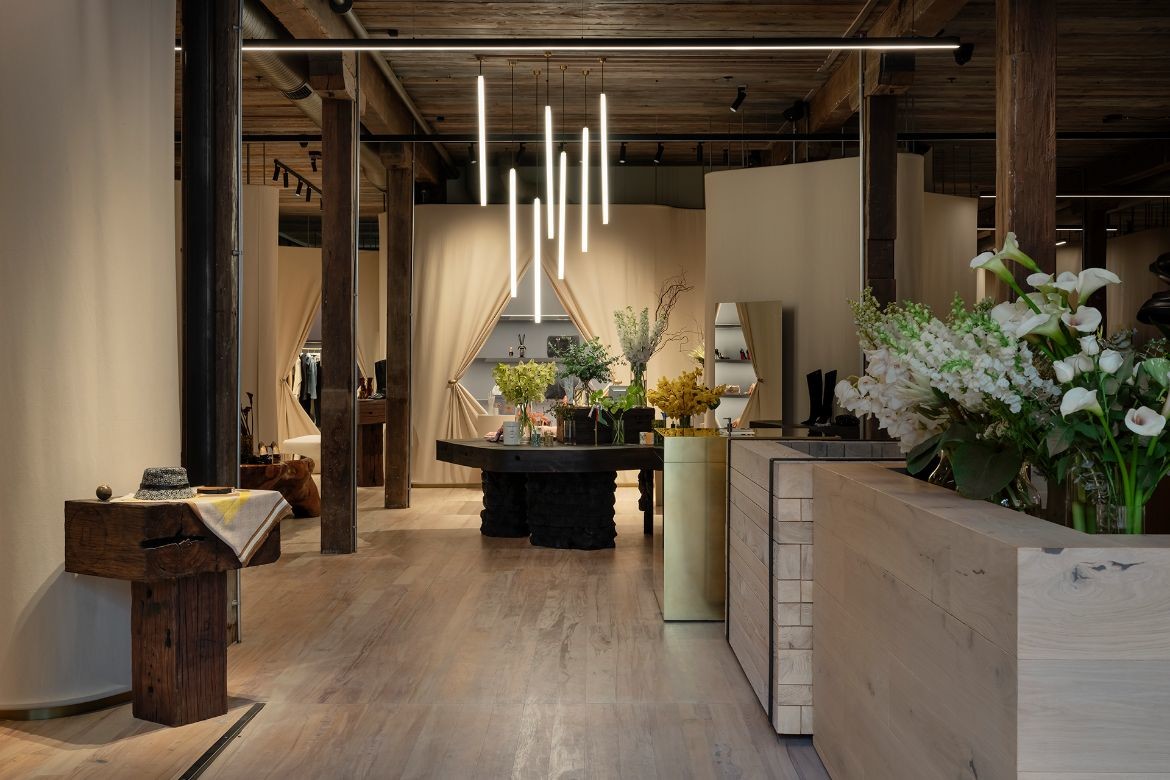
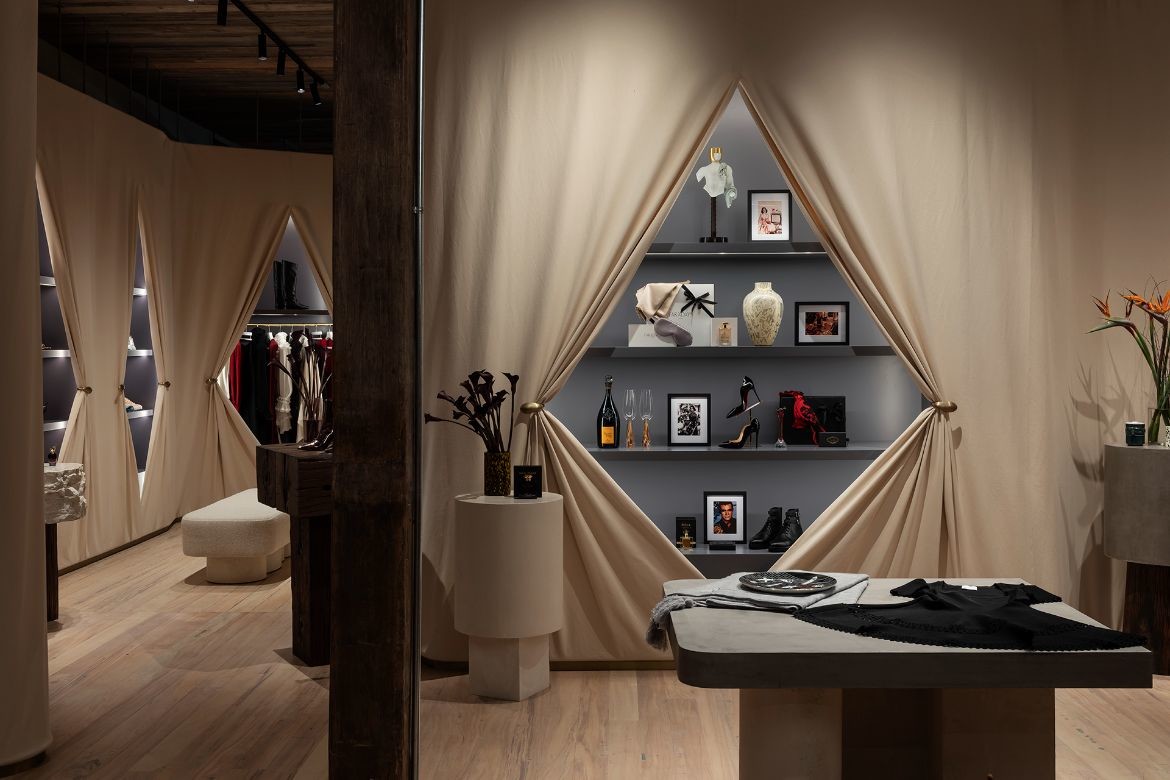
A strong example is the Faradays project, shortlisted in the INDE.Awards Retail Space category. Commissioned by a returning client with a dream of bringing a fashion house to New Zealand’s shores, Faradays is a stunning remodelled textile warehouse now dripping with Cheshire’s signature flair: tradition and invention. It makes a lot from a little, and the dozens of ‘pockets’ of space for specific brands guide the customer through a retail journey, all enwrapped like presents with bespoke, sculptural fabric.
“The fabric slices apart to reveal these beautiful displays,” says Gregory. “So you had these focused moments to display these spaces. But there wasn’t too much external stuff around because I think that’s the hard thing to juggle in retail terms. You’ve got a lot of products to display, but you need to make each and every single piece feel special.”
The outcome is a revolutionary retail store worthy of recognition. It all stems from the philosophy of Cheshire Architects who, if George and Emily are anything to go by, are brave, proficient and innovative. A love of architecture fostered by its goals and the team’s collaborative nature places Cheshire on the map in New Zealand and the greater Asia Pacific.
Cheshire Architects
cheshirearchitects.com
Photography
Sam Hartnett


We think you might also like this earlier profile of Cheshire Architects.