The home of architecture and design in the Asia-Pacific
Get the latest design news direct to your inbox!

Get the latest design news direct to your inbox!
If design exists to serve our individual need to experience, inhabit and respond to our chosen space, then Planex has certainly found its calling.
September 18th, 2015
The Melbourne-based manufacturer, who specialises in steel storage solutions for the evolving workplace, creatively explored this philosophy as part of the launch of their NSW showroom in Erskineville August 27th.
The event framed the launch of Planex’s new xLocker2 system, an individualised steel personal storage solution for flexible, agile, activity based working environments, or end-of-journey facilities for commuters and mobile workers. Planex coupled this new release with a series of presentations from four Australian designers; Christopher boots, Alexander Lotersztain, Tomek Archer and Planex CEO Jean-Pierre Jardel who each spoke of their philosophy around designing for the individual, while also responding to the constantly shifting conditions of contemporary work and living environments.
Planex CEO, Jean-Pierre Jardel, took the opportunity to share Planex’s own philosophy towards design. “Our purpose is to empower people to work more effectively in the evolving workplace. We’re also committed to designed-in longevity with the ability to reuse, reconfigure and recycle as needs change,” says Jardel.
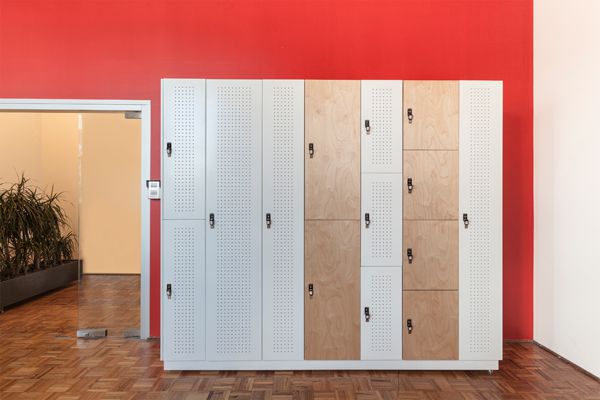
“The whole idea of Planex is to preserve ‘out-built obsolescence’: it’s our design philosophy and has now become a test for us with each new product we develop. We need to see how the product can be reused, recycled or repurposed and that it has the means to evolve and change with the culture of an organisation.”
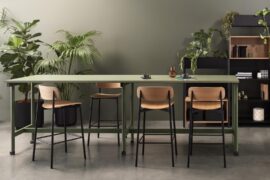
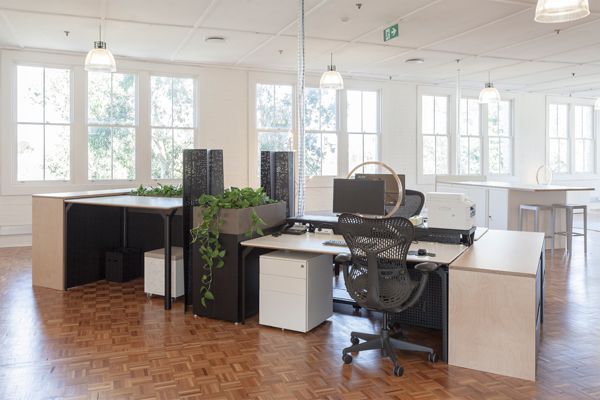
This philosophy is built into the company’s NSW showroom, which is designed around displaying the capabilities of Planex product to clients. Built for the evolving workplace, spaces are inspired by ABW & Agile work culture considerations, allowing for quiet areas, casual meeting areas, collaborative spaces and flexible sit/stand desking. A variety of display contexts demonstrate to designers how product can be specified in real working environments.
Alex Lotersztain, whose Prisma seating features in Planex’s NSW showroom, re-lived his journey of producing the X-System shelving system with Planex – an “amazing learning curve” for the then-emerging designer 10 years ago. Lotersztain acknowledged that there are many elements to producing a successful design – beyond concept and products. “It’s something university doesn’t prepare you for,” he says. “You need to understand design values, marketing and how a product needs to be presented to your customers. 10 years later I want to thank Planex for [involving me in that complete process] – it was an invaluable experience.”
With a solid platform of events and showroom spaces that embody the company’s culture, Planex is making the kind of meaningful connections with the industry that translate into concrete results.
Words By Alice Blackwood
Planex
planex.com.au


INDESIGN is on instagram
Follow @indesignlive
A searchable and comprehensive guide for specifying leading products and their suppliers
Keep up to date with the latest and greatest from our industry BFF's!
The internet never sleeps! Here's the stuff you might have missed