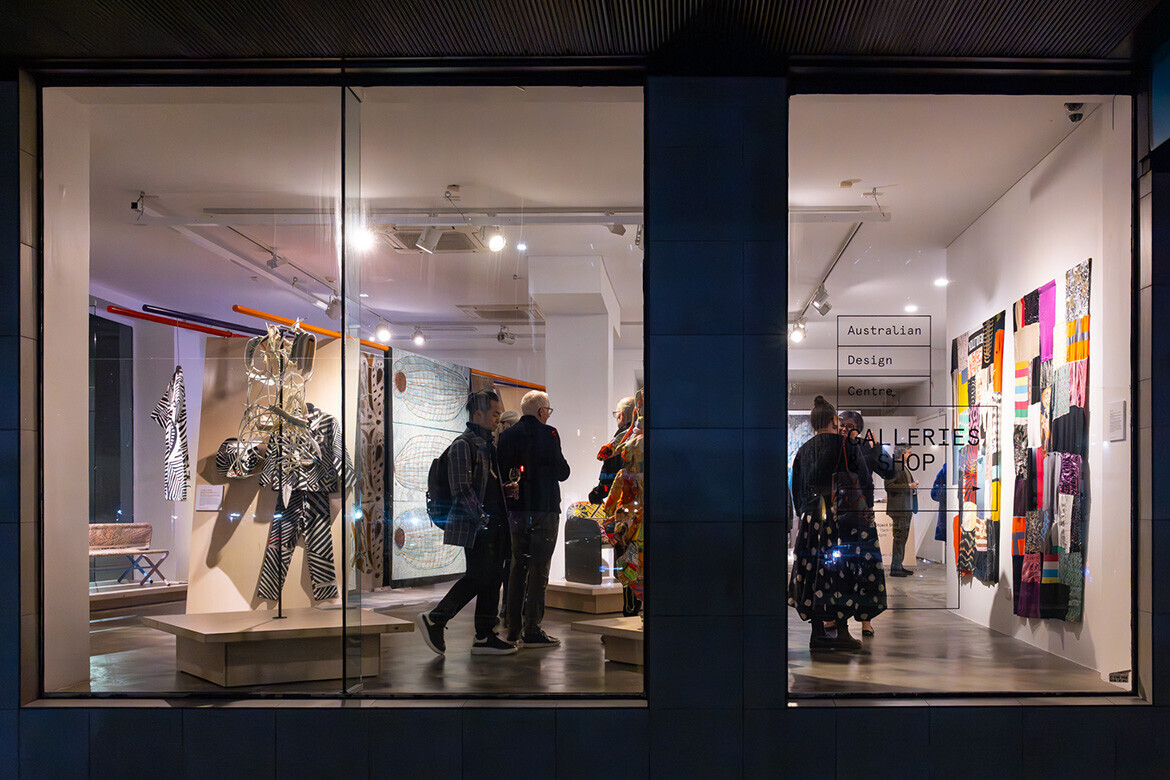
Following a string of recent funding cuts, the ADC has announced its closure in 2026. The organisation has been dedicated to representing and promoting Australia’s design, craft and maker community since 1964. The ADC’s operational funding from federal and state government was cut from $500,000 per year over four years, which it had received for the past ten years, to $150,000 over two years – leaving a $350,000 pa shortfall.
The ADC has operated as a highly successful small independent organisation for the past 61 years. In its current location on William Street in inner-city Sydney, it is supported by the City of Sydney council assisting with the gallery, Object Shop and office space, along with strong philanthropy for an arts body of this size. But without core government operational funding to pay staff and other essential overheads, the ADC Board asserts that operations can no longer continue.

From 30th June next year, NSW will be the only state/territory in Australia without a dedicated design and craft organisation. The body notes that this highly skilled and innovative creative community is often underrepresented in the visual arts world and deserves to be supported and celebrated.
“This decision is devastating for all those who have been involved with this much-loved organisation over its more than 60 years,” says ADC CEO and Artistic Director, Lisa Cahill says. “My small team and I have worked extremely hard to present craft and design practice for audiences across Australia and overseas with government funding that has been inadequate for the past decade.
“The lack of transparency around grant decisions means we do not know why ADC, despite being recommended for funding by peer assessors, now no longer receives four-year funding from state and federal arts funding agencies. Clearly craft and design are not a priority.
“The 1000 artists we work with each year across our programs, and the audiences around Australia who love to engage with their work, will not have an organisation dedicated to curating and presenting this diversity of practice in NSW.”
Related: The Kengo Kuma interview
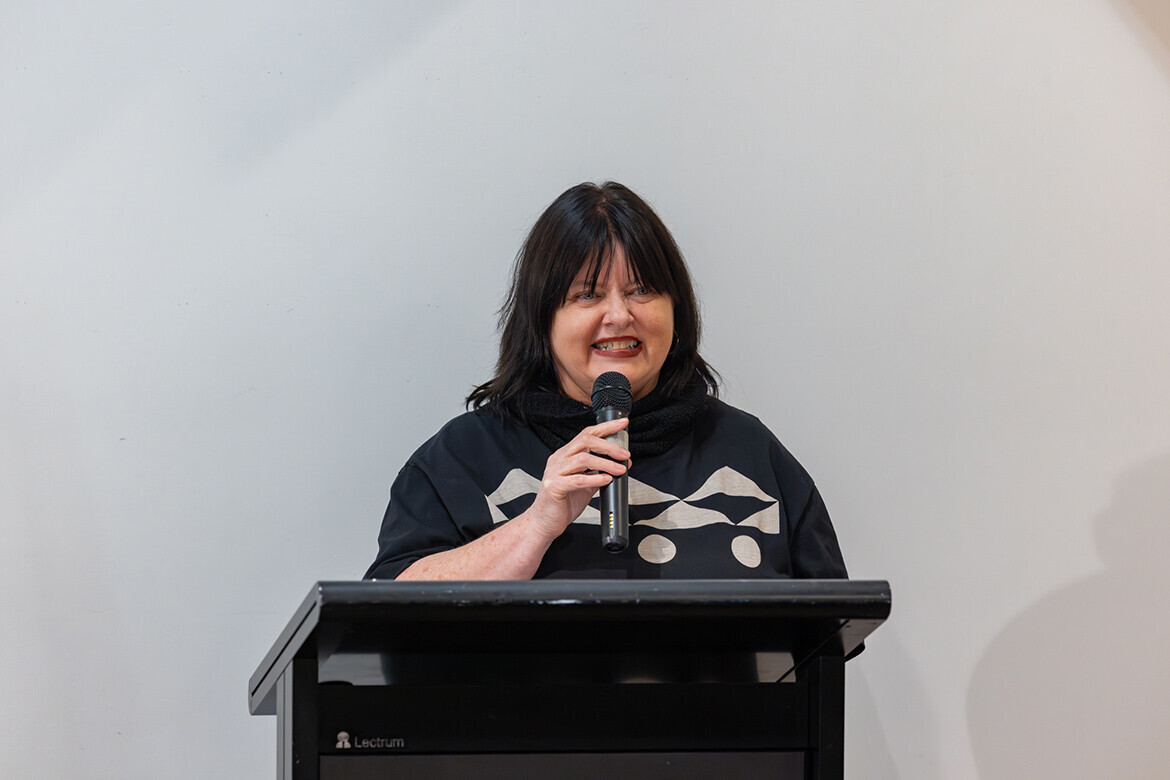
Elizabeth Espinosa, Chair ADC Board, adds: “The Australian Design Centre’s committed volunteer Board has considered all other options and is deeply saddened to have been forced to make this decision. It has supported the work of thousands of artists over its 61-year history as an independent not for profit organisation. The reality is that, without core operational support to pay staff and cover administrative costs, we have no other choice but to cease operations by 30th June.”
Unless the shortfall of $350,000 pa can somehow be found, the plan is that the last exhibition will close in February next year, Object Shop in March, and the organisation will cease to operate by 30th June 2026. The three shows touring Australia will continue as scheduled including Helen Britton: The Story So Far.