The home of architecture and design in the Asia-Pacific
Get the latest design news direct to your inbox!

Get the latest design news direct to your inbox!
With its Academy report, WORKTECH sets out some predictions and reflections on the workplace in 2026.
February 3rd, 2026
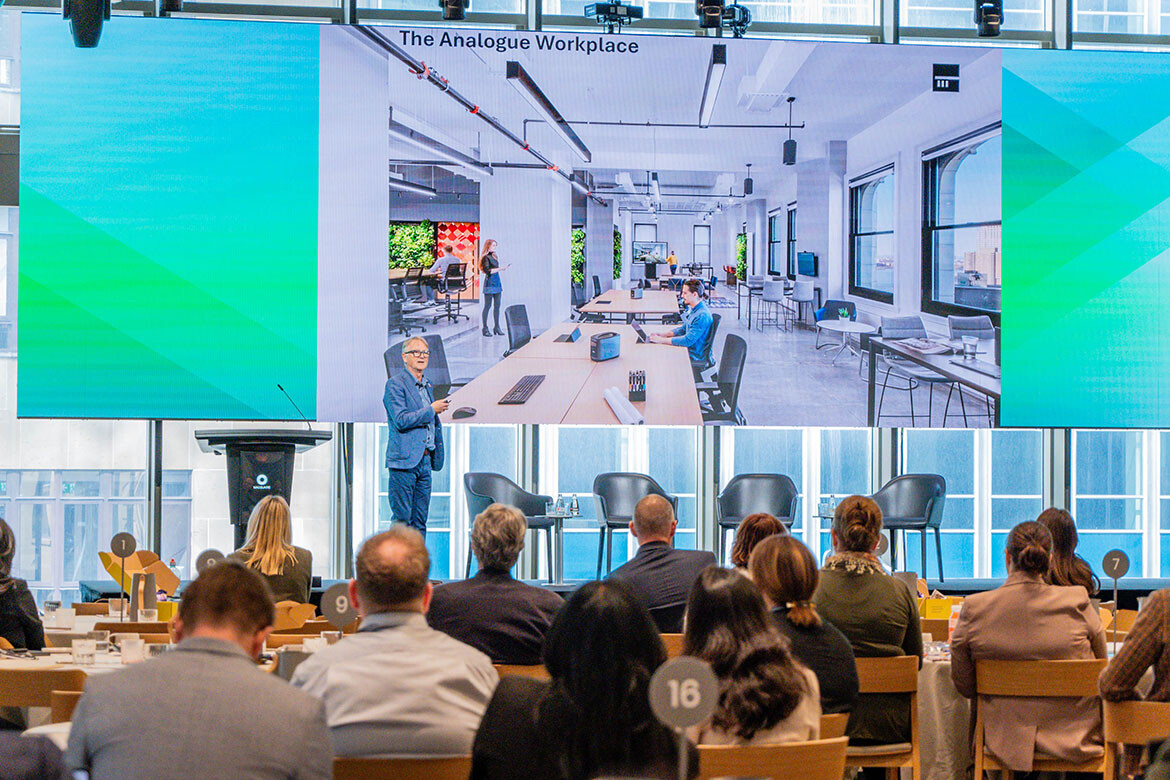
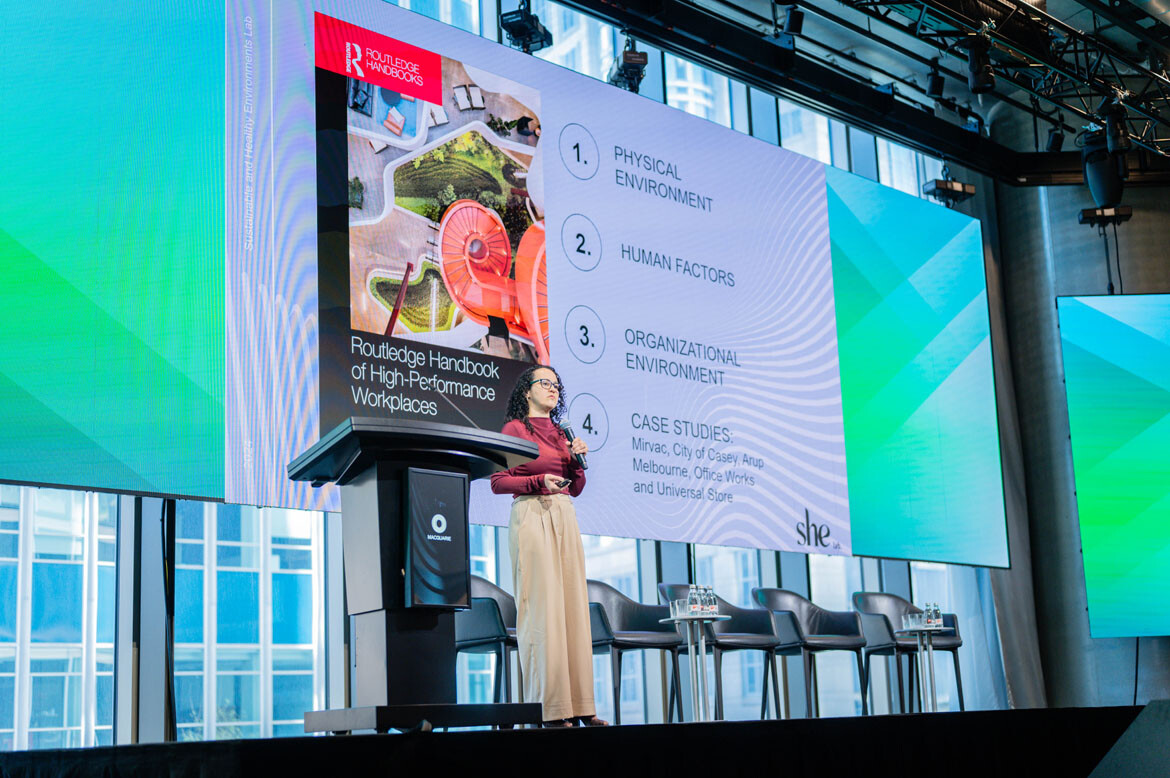
WORKTECH Academy, the online knowledge platform and membership network exploring the future of work and the workplace, has issued a major trends report identifying the forces reshaping work, workplace and workforce strategy in the year ahead. Drawing on insights from its global network, the report outlines 20 critical trends organised into four overarching megatrends: Human Performance Reset, Workplaces Without Walls, Sustainable Growth and Back to Basics.
Together, they position 2026 as a year of recalibration, where organisations prioritise human capability, adaptability and long-term resilience over speed, spectacle or short-term gains. You can download the report here.
A human performance reset
Offices are shifting from productivity theatres to performance enhancers. As AI automates execution, human value moves decisively towards judgement, creativity and sense-making. Organisations are redesigning workplaces around bio performance, ergonomic integrity and soft skills as core capabilities.
Workplaces without walls become the new normal
The workplace is evolving into a fluid ecosystem where physical, digital and cultural experiences blend. Modular ‘flat-pack’ offices, outdoor working, AI-powered experience engines and bring-your-own-agent models reflect the shift from fixed assets to adaptive systems.
Related: Davenport Campbell on remote work
AI moves from tool to infrastructure
AI no longer appears as a standalone megatrend but as a foundational layer across work. From AI studios and multi-agent platforms to experience orchestration, AI is becoming embedded, visible and collaborative rather than abstract and imposed.
Back to basics: Belonging, stability and service matter more than perks
As lavish amenities retreat, the report finds that belonging, service quality and job security are the real drivers of return to office. Experience-as-a-service models replace amenity overload, while stable hybrid policies outperform volatile mandates.
The future will be incremental, not spectacular
Rejecting sci-fi visions of overnight transformation, the report closes with ‘The Future Mundane’: a call for more nuanced, responsible and human-centred approaches to predicting, and designing, the future of work.
“The 20 trends in WORKTECH Academy’s World of Work report in 2026 collectively comprise an early warning system for the future of work. They indicate the changes that are at hand in work environments, technology or HR. From managing a crisis of ‘workslop’ created by AI to the rise of a sky-blue collar workforce merging hands-on with cloud-based work, insights from around the global Academy network generate a picture of transition in the report that cannot be ignored,” says Jeremy Myerson, Chairman, WORKTECH Academy.
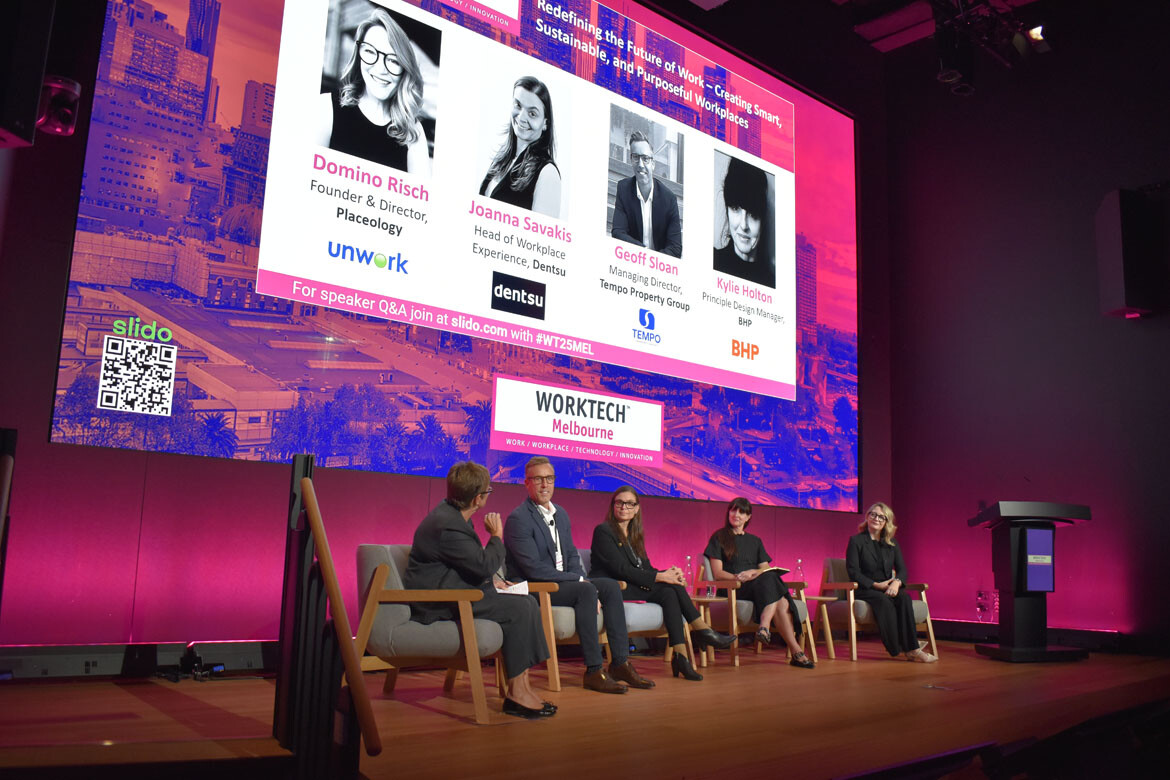
In 2026, WORKTECH Events is bringing its global conference series to more than 25 locations, from Sydney, New York and Berlin to London, Singapore and Santiago de Chile. Download the WORKTECH Events 2026 calendar here.
WORKTECH
worktechevents.com
INDESIGN is on instagram
Follow @indesignlive
A searchable and comprehensive guide for specifying leading products and their suppliers
Keep up to date with the latest and greatest from our industry BFF's!
The internet never sleeps! Here's the stuff you might have missed