The home of architecture and design in the Asia-Pacific
Get the latest design news direct to your inbox!

Get the latest design news direct to your inbox!
This new book tells resident stories about how good design creates liveable, high-density homes with socially led developer Neometro.
June 25th, 2025
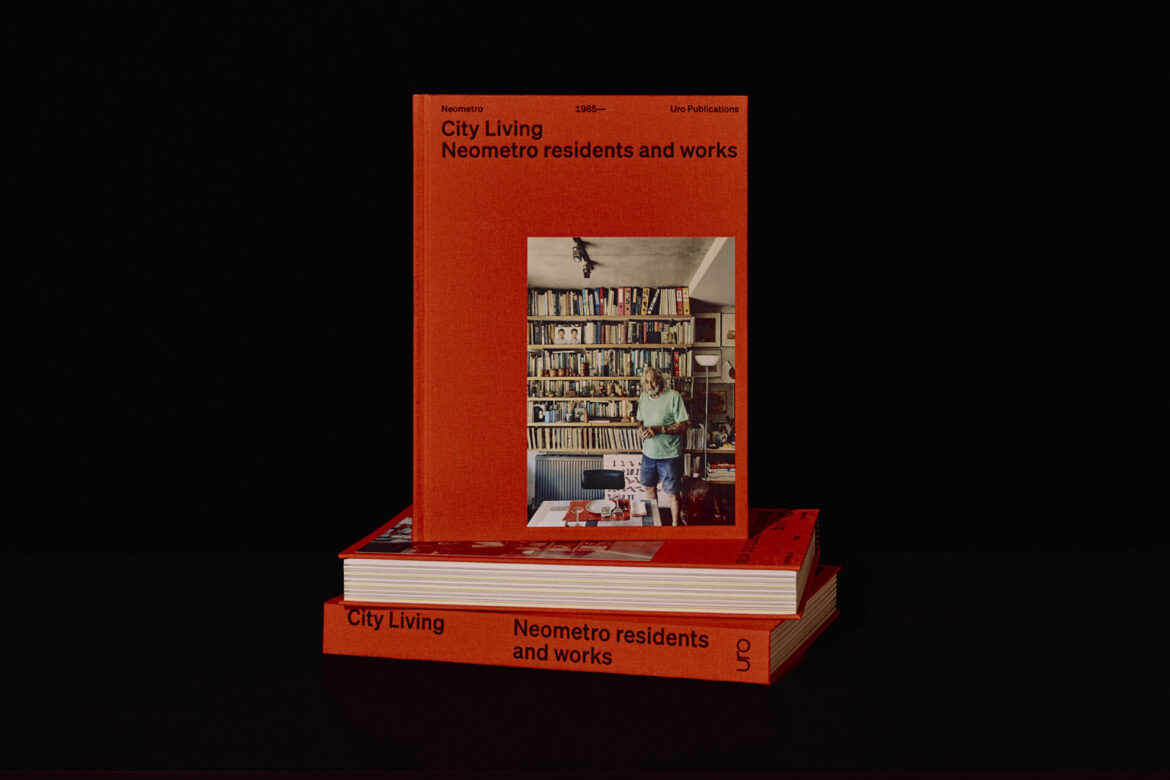
Melbourne’s longest standing design-focused and socially led development group Neometro has been instrumental in shaping the way people live for the past 40 years. The group’s new book, City Living: Neometro Residents and Works, explores what it means to live well in higher-density urban environments and how design impacts our health and wellbeing.
The book, released by URO Publications features a selection of Neometro projects from the past 40 years. The group’s more recent work includes apartments coming to 49 Walsh Street in South Yarra, 450 Gore Street in Fitzroy and 97 Alma Road in St Kilda East. An especially notable focus of the book is the insights given by long-term Neometro residents on their experiences living in their homes.

Adrienne, an architect and Neometro resident, has lived at her townhouse for 10 years and talks of her home as a sanctuary: “What I love about this place is that it’s a perfect retreat for people with busy lives. I completely reject the idea of the McMansion and wasted space. If we all thought more carefully, we’d realise this is enough.”
Author James Cameron pens a piece for the book, writing: “Homes are only successful if the people living there feel that they are. More than marketing brochures, more than walls and ceilings, Neometro buildings are about the wellbeing of those that choose to make them home. Living well isn’t about a big room in an even bigger home, but feeling connected, content, being part of a community.”
Related: Flemington Estate and questions of demolition with OFFICE


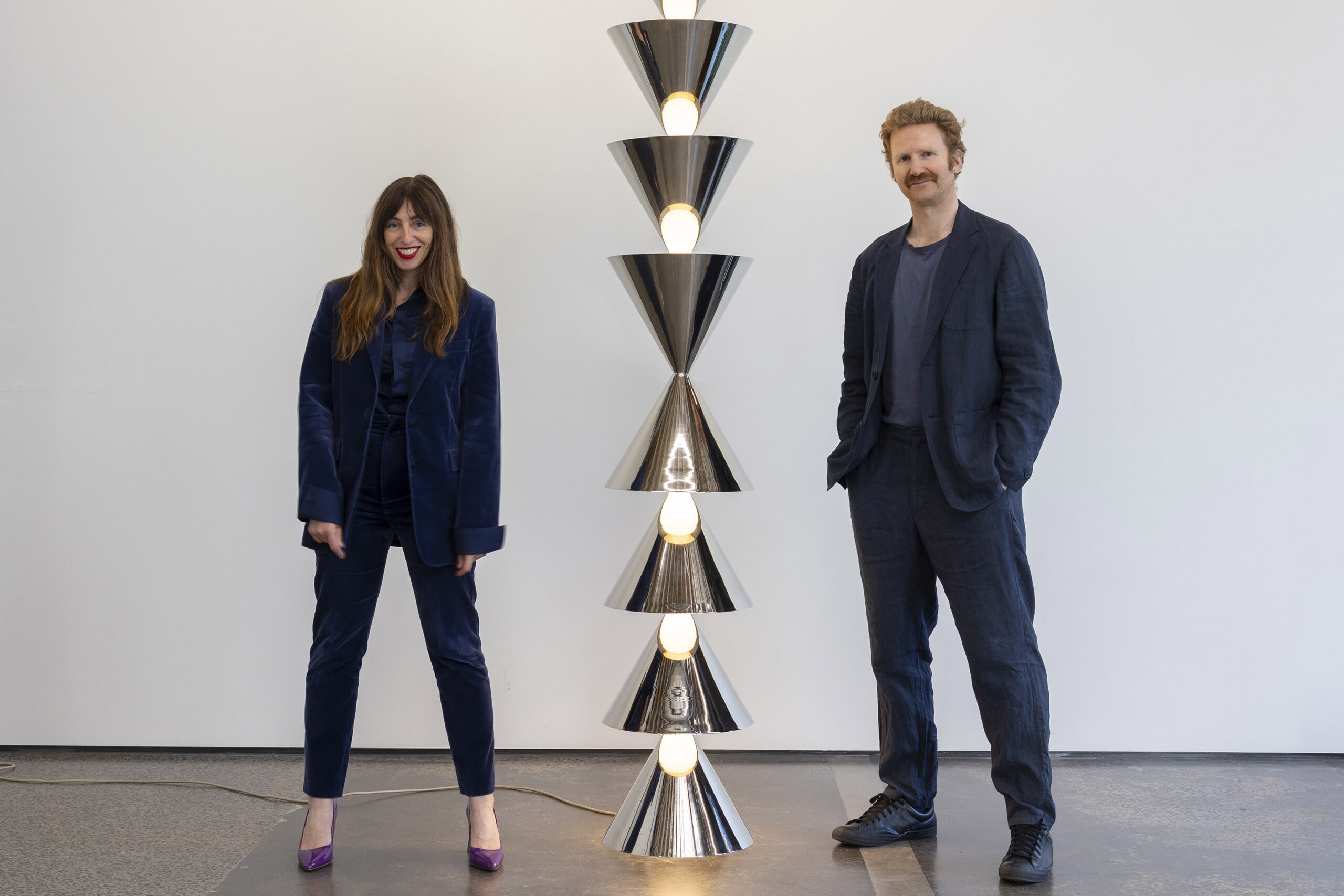
“We all deserve to live in a space that has amenity and a feeling of home—and it must be a beautiful place to live,” says Neometro Director, Lochlan Sinclair. “In the 40 years of Neometro’s existence, our practice has become smarter in terms of being more efficient for people living in smaller spaces, but fundamentally people’s needs are the same as they were 100 years ago. What we try to do is make compact living more desirable according to these needs.”
Neometro
neometro.com.au


Listen to this podcast episode featuring Greens MP for housing, Max Chandler-Mather
INDESIGN is on instagram
Follow @indesignlive
A searchable and comprehensive guide for specifying leading products and their suppliers
Keep up to date with the latest and greatest from our industry BFF's!
The internet never sleeps! Here's the stuff you might have missed