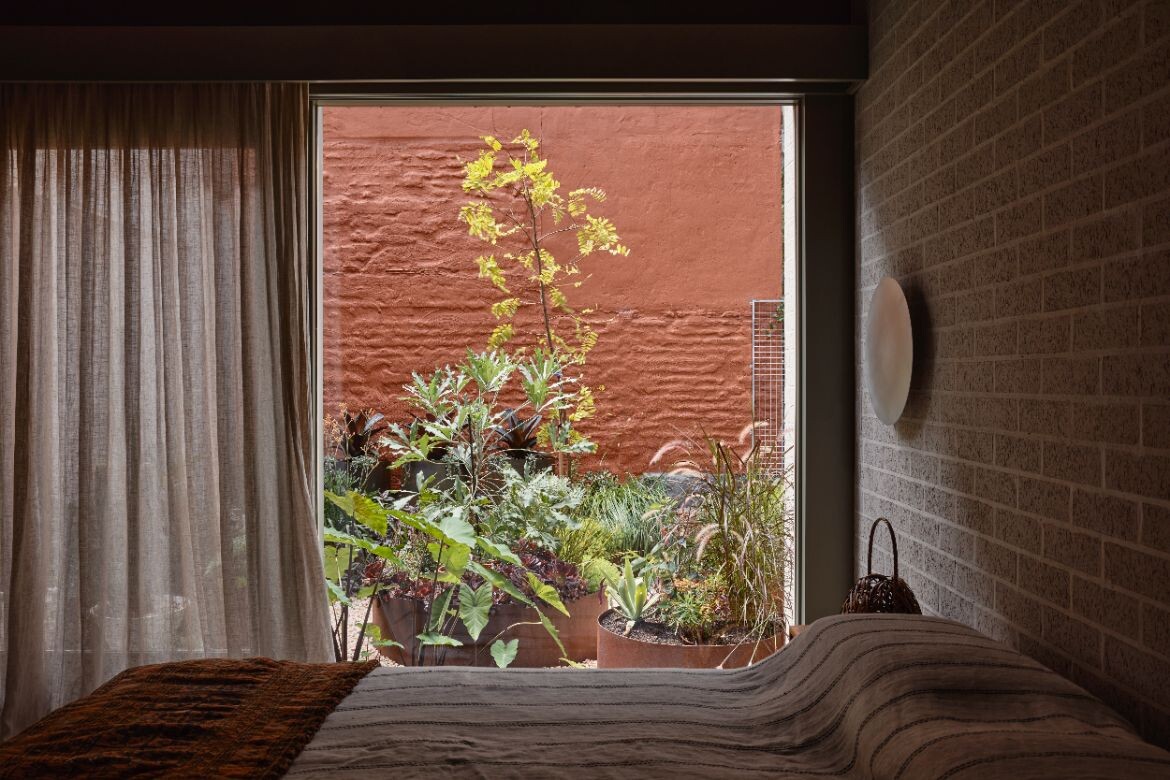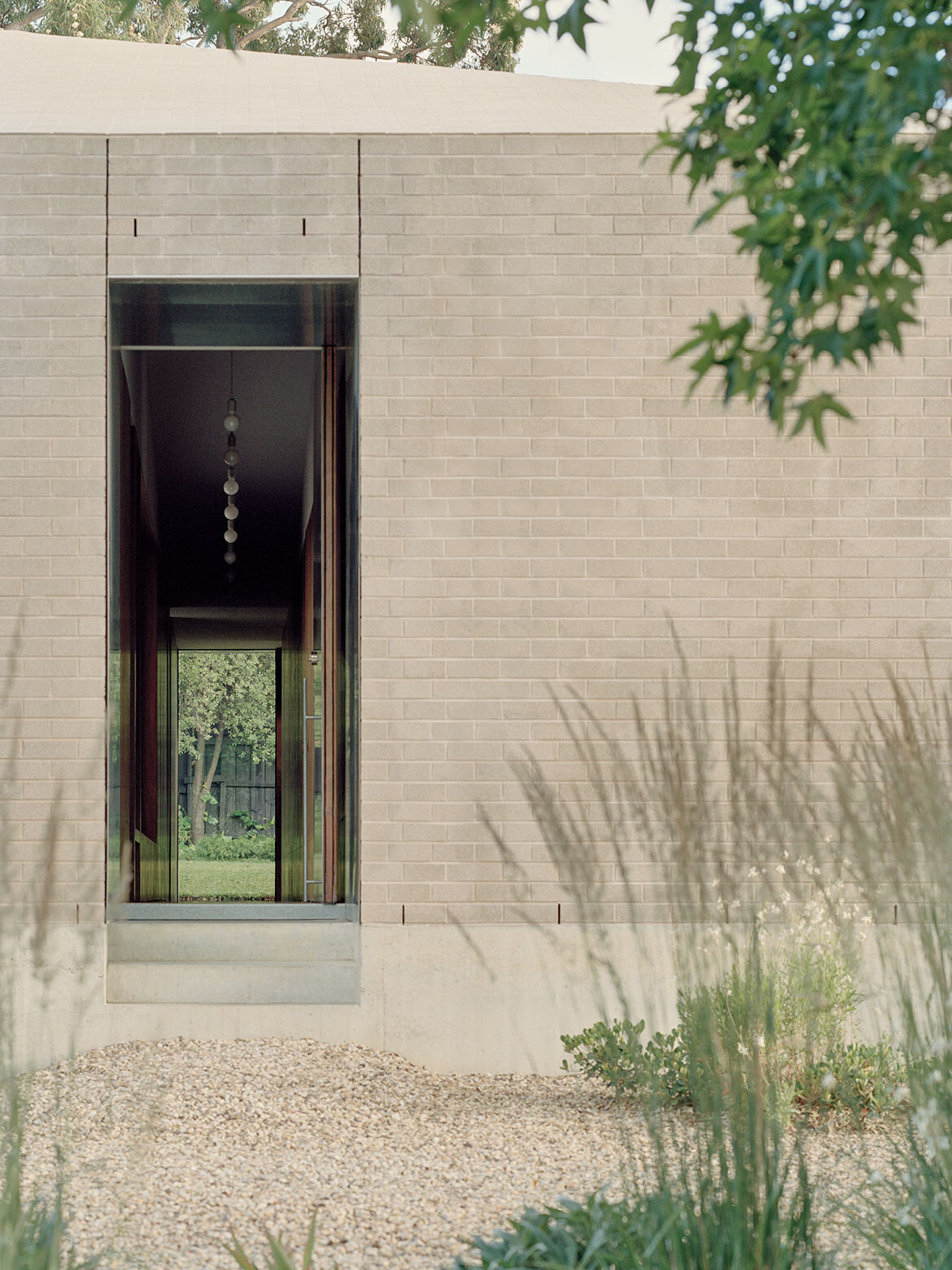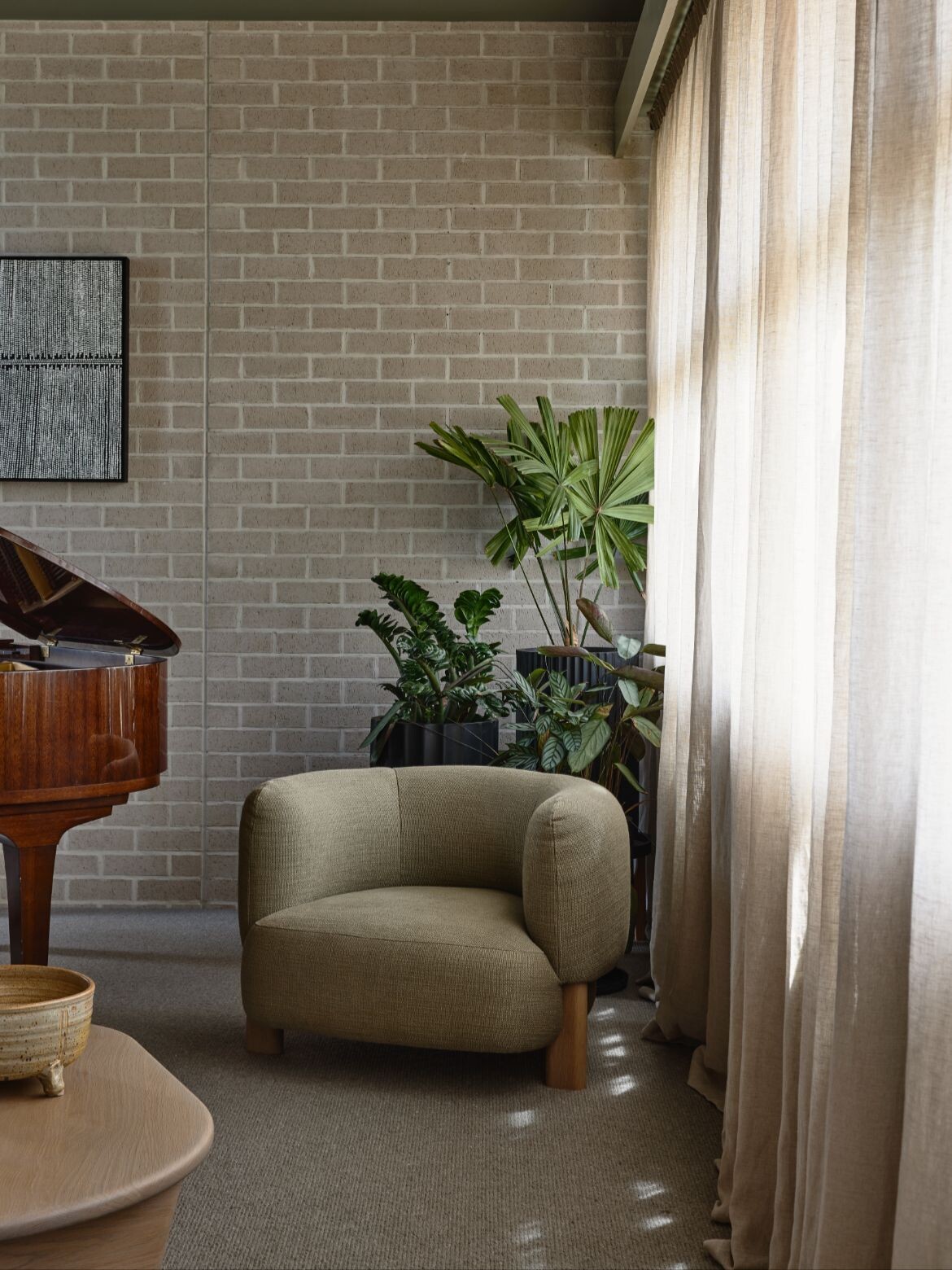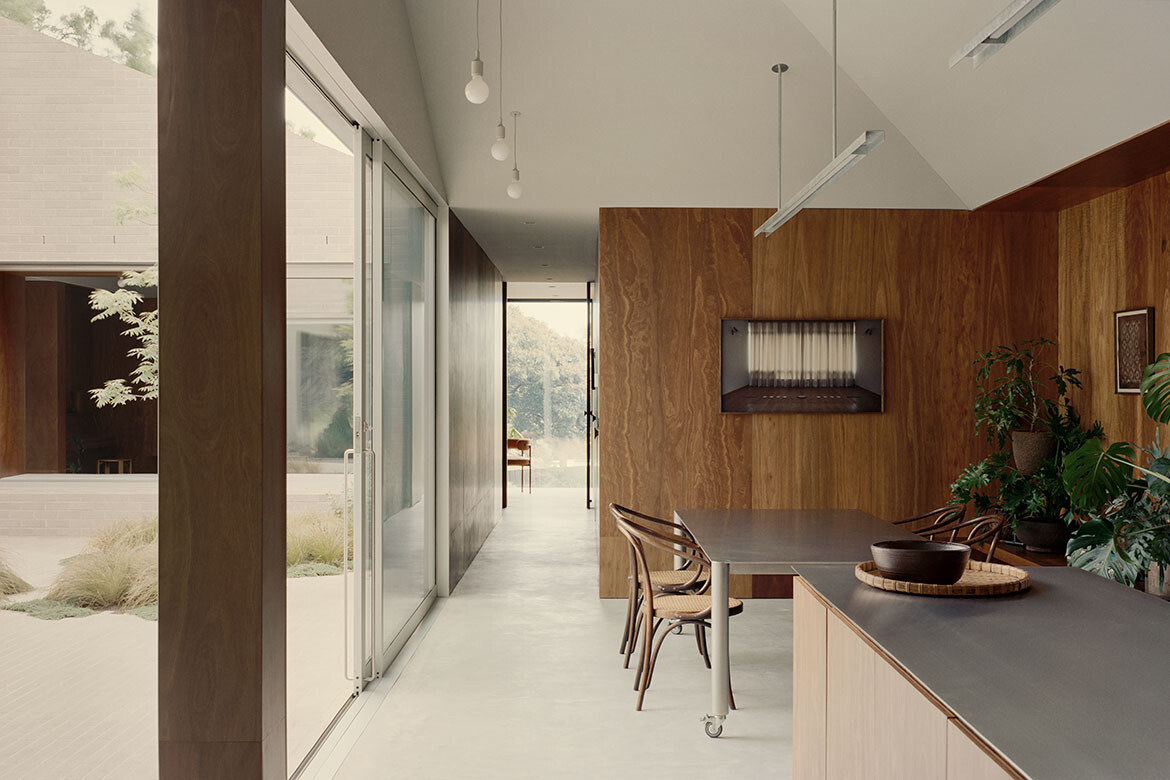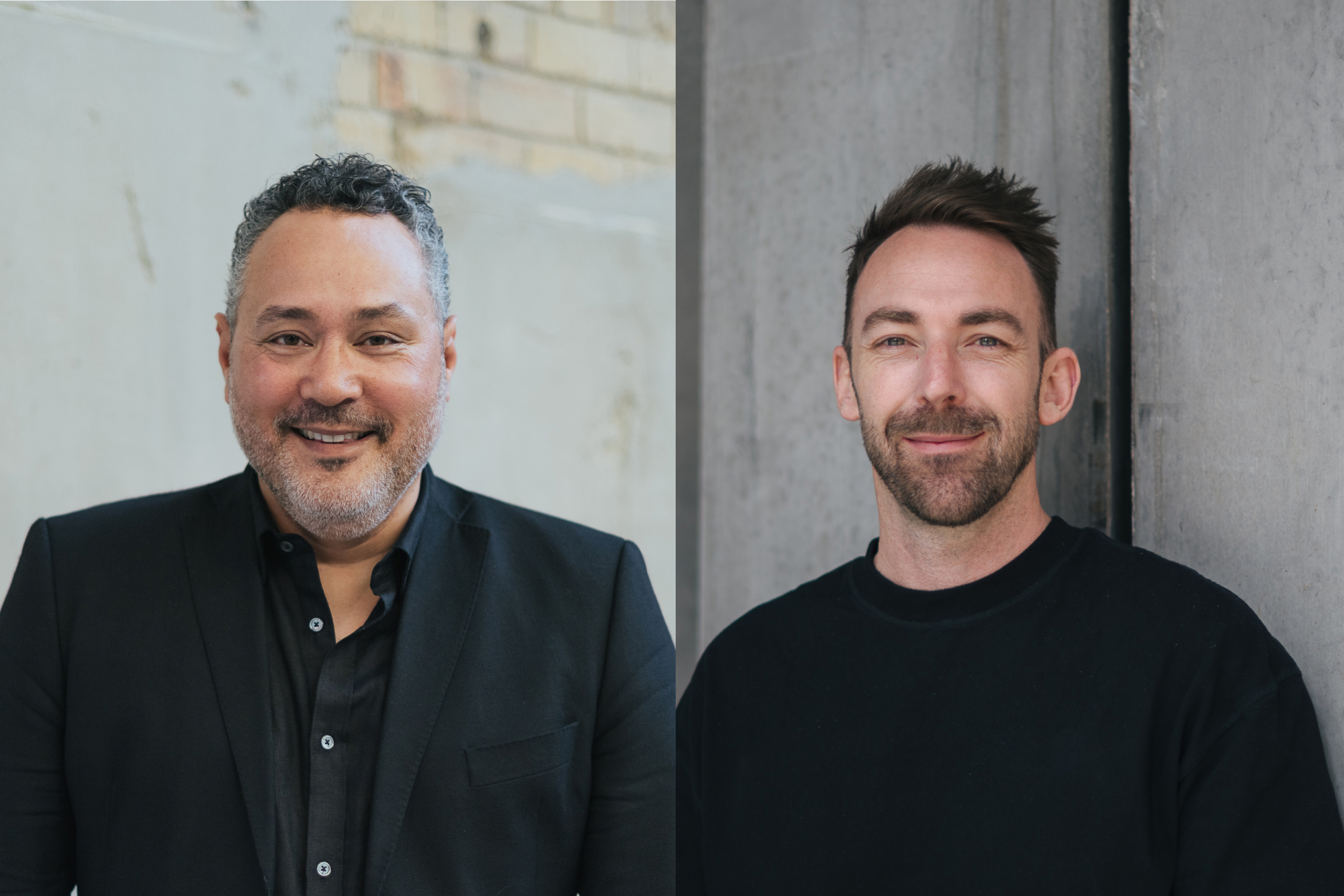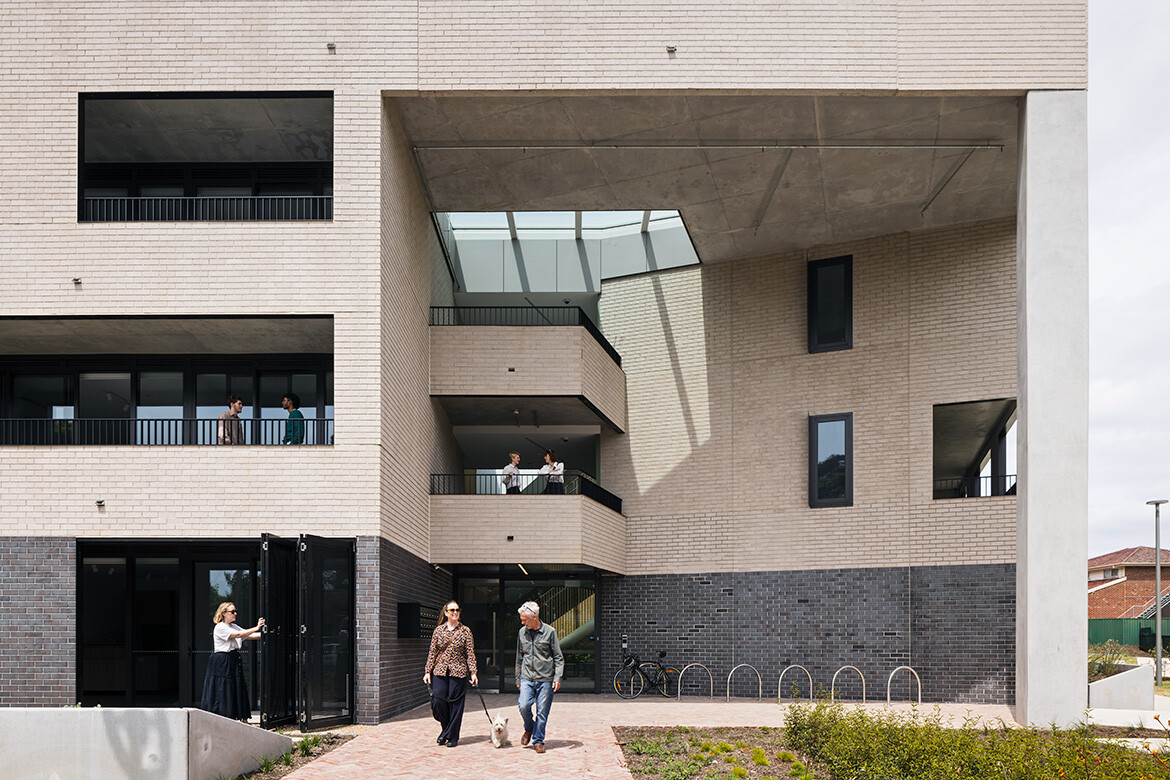
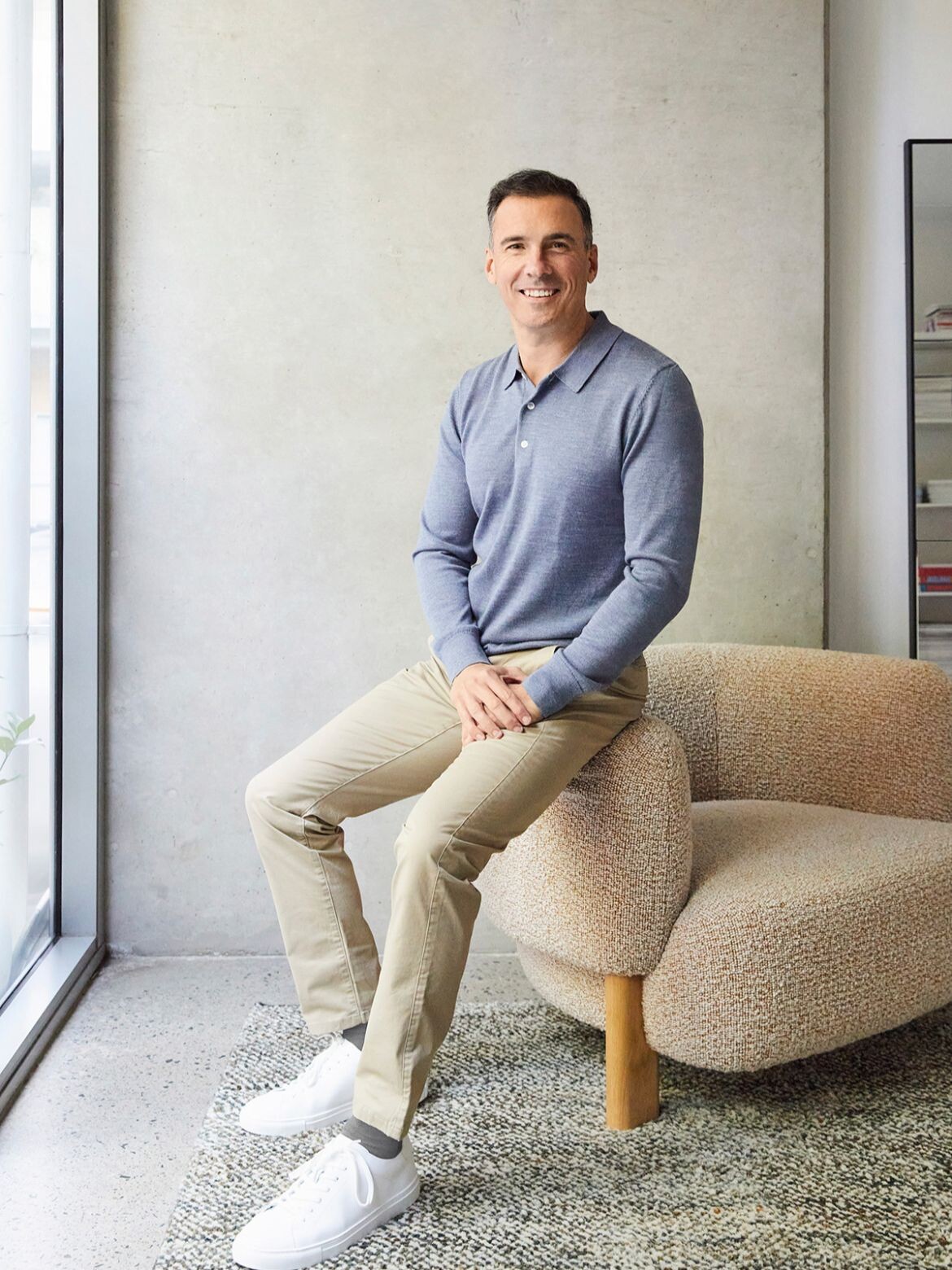
Having worked at Brickworks for 30 years, Brett Ward knows a thing or two about the company, the design industry and of course the humble brick itself. Three decades is a long time, but then again the brick – in various forms – has been around for millennia. During a recent podcast interview for STORIESINDESIGN, Ward delved into both this long history as well as the contemporary story of sustainability at Brickworks.
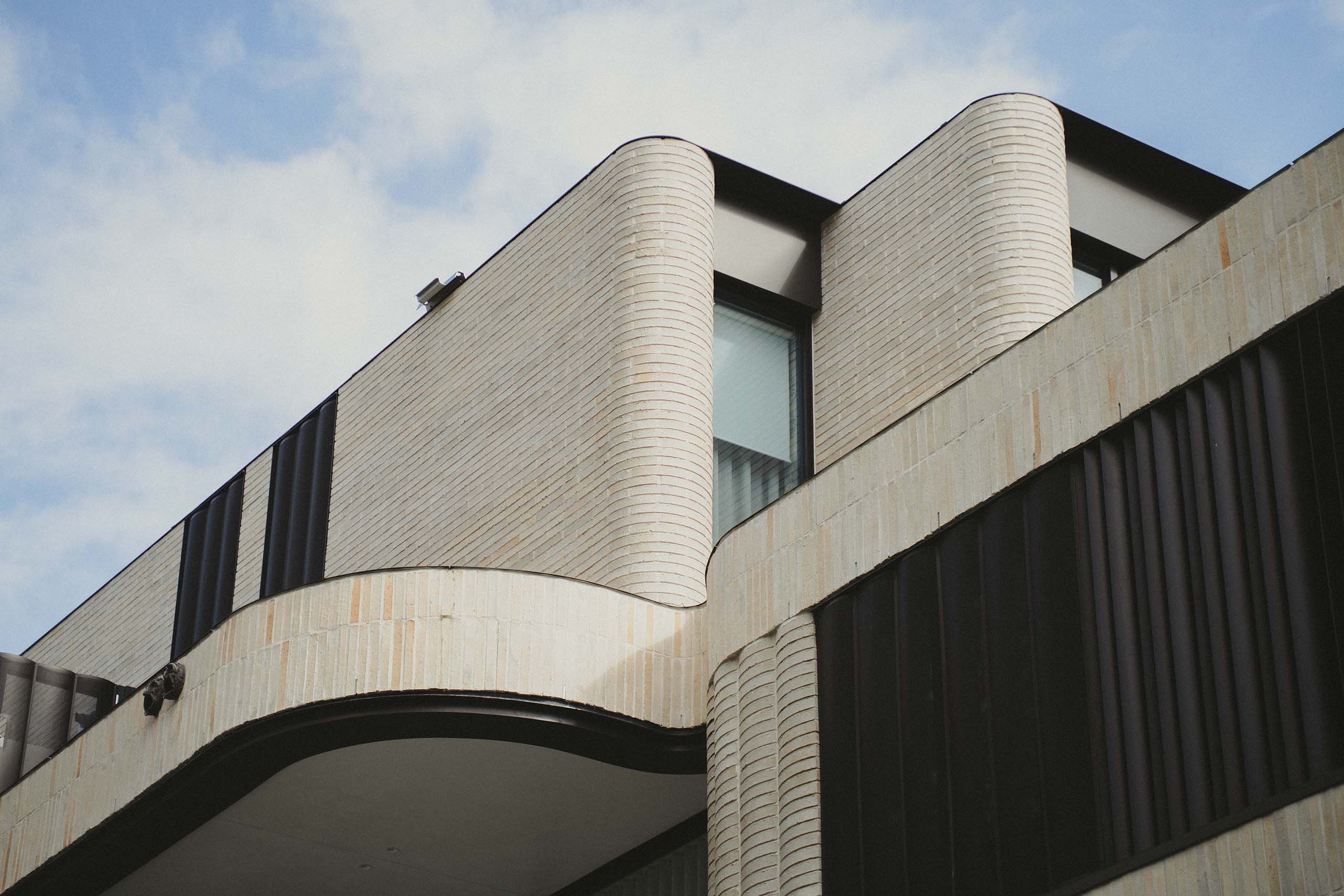
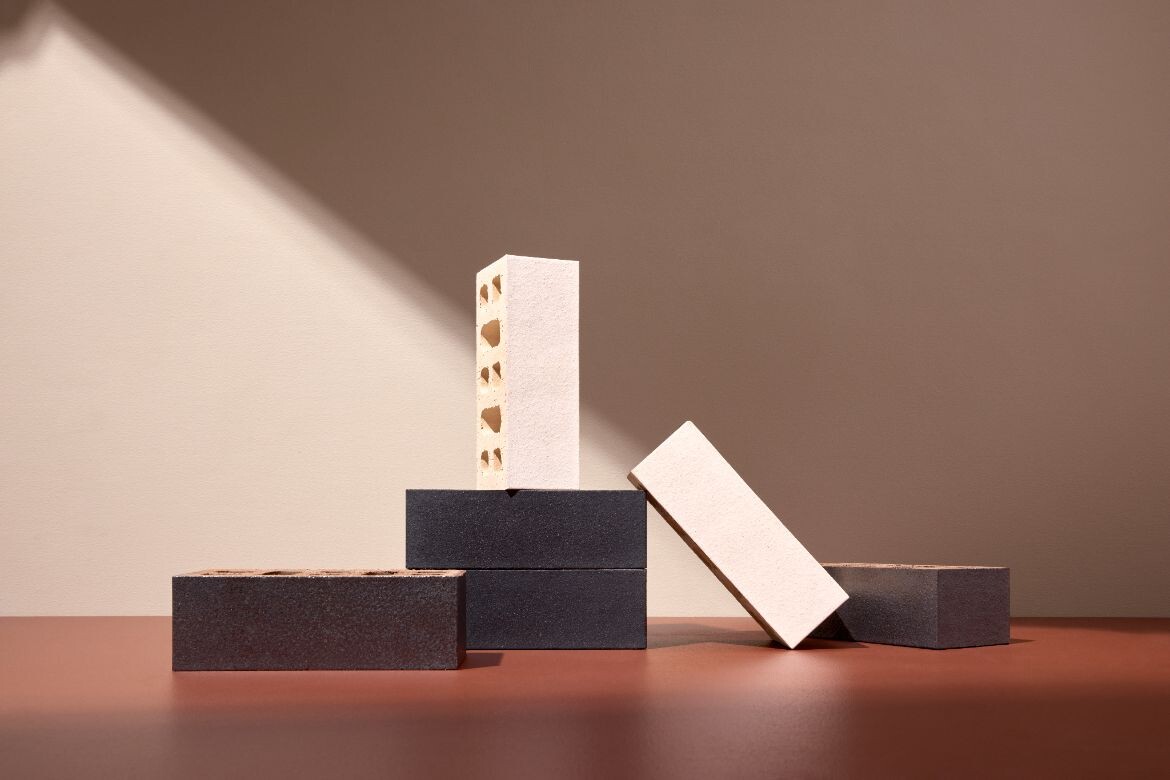
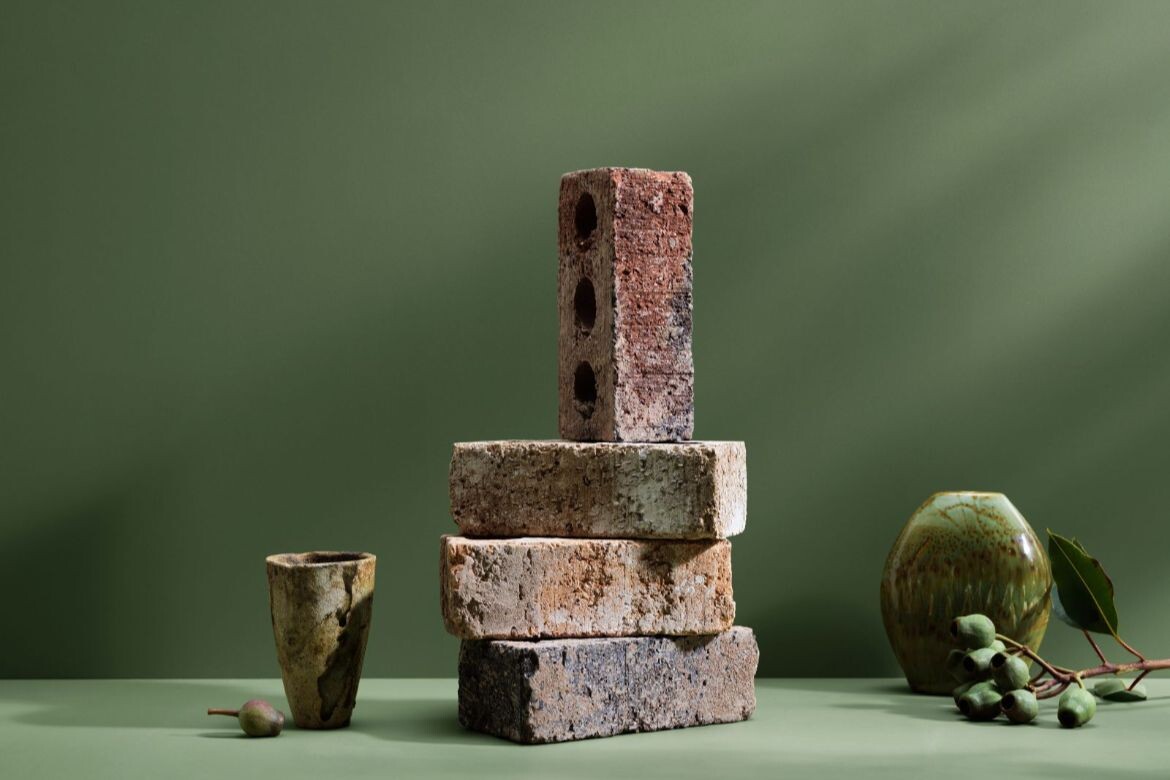
“There’s a variety of ways bricks can be made,” explains Ward. “We have several factories across Australia producing the different types of bricks we offer. For example, our Dry Pressed Bricks made at Bowral have been crafted for decades in much the same way – using the same essential ingredients of clay, shale, water and fire.
“We’ve obviously modernised our plants over time, introducing robotics to improve effiency and our operations at scale, but the core process remains true to tradition.”
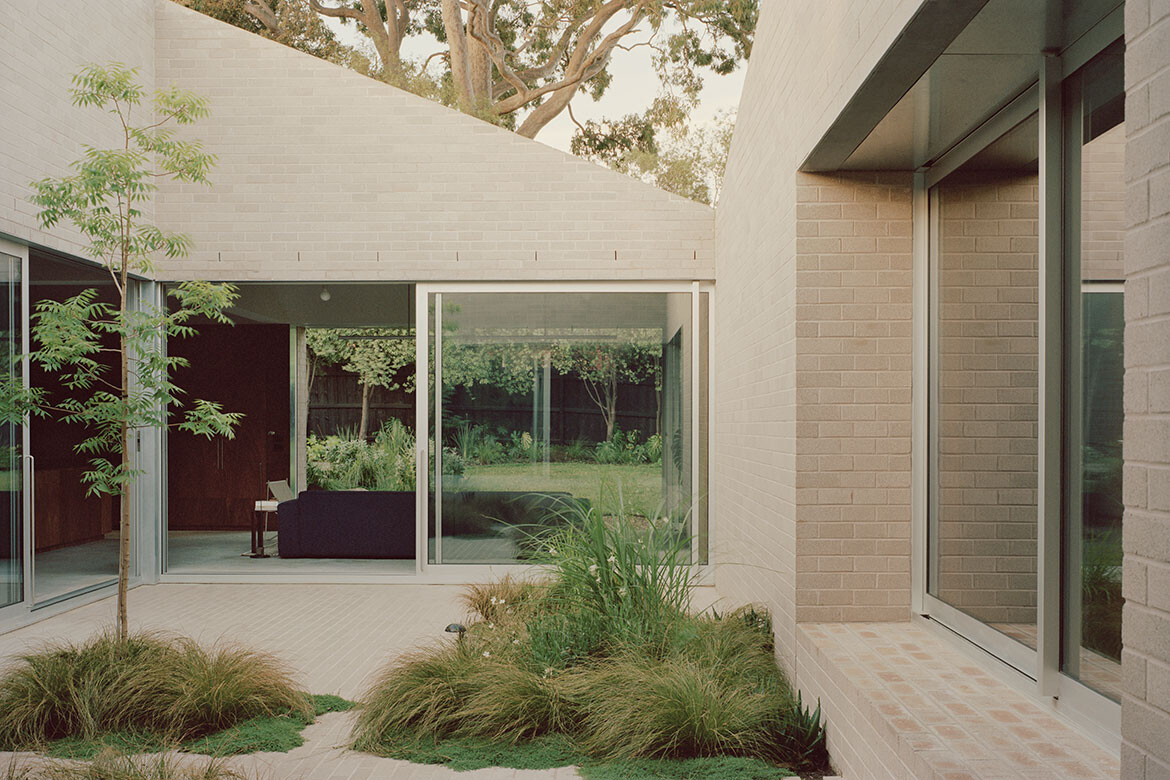
If manufacturing has a mixture of old and modern, then considerations of waste, recycling, reuse and circular economy have become areas of growing focus and importance. “Bricks would be one of the only building materials that you can recycle and reuse. We’re able to reuse and remix what we call brick waste into our manufacturing process if the bricks were suitable enough from another site,” says Ward.
The sustainability of brick is underpinned by exceptional durability and versatility. Ward points to the continuing evolution of brick amidst these near-timeless foundations, noting that they are “now being used in not only walling but also flooring. Their versatility and low maintenance qualities are what make bricks a leading material choice amoungst Australia’s leading designers and specifiers.”
Brickworks’ success is perhaps best encapsulated in mediating between the old and the new – between the ancient durability of brick and its continued modern innovation, both in terms of manufacture and use.
Use of the material, for example, is being measured in terms of contemporary sustainability metrics. Drawing attention to thermal mass benefits, Ward explains further: “There are a few other factors to take into consideration around passive design climate conditions, but as a general conversation, a brick veneer home could save up to nine per cent of your energy, whereas brick veneer with about ten square metres of internal brickwork can save up to 33 per cent of your energy usage.
Related: Kengo Kuma joins the podcast
“You can’t look at it in isolation, but, in combination, bricks provide great opportunity to reduce energy loads in a house.”
On average, Brickworks says that 21 per cent of the Australian raw materials used to make the products each year is recovered from waste streams or construction site excavations. Alongside these reuse and circularity credentials, the company also places an emphasis on locally manufactured products. Facilities are located not just in Australia but across different states – Queensland, New South Wales, Western Australia, Victoria, Tasmania and South Australia, all allowing for a reduction in carbon miles and support for regional industry.
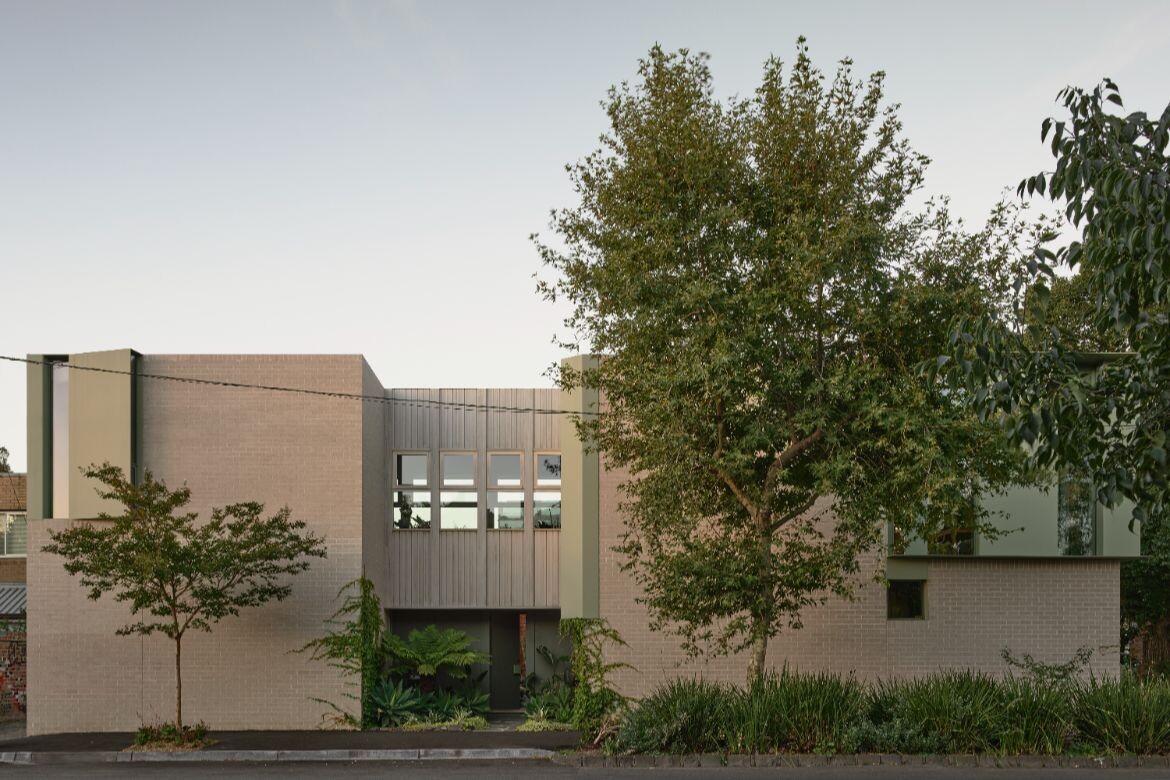
“We were the first brick manufacturer to produce a certified carbon neutral brick,” notes Ward. “We’ve actually avoided carbon emissions through that operation by utilising a biofuel in the manufacturing process. We use a small amount of gas, obviously within the kiln, but the majority of the material that we use to fire the kiln is a waste sawdust product from the local forestry region [in Tasmania].
“If you were to compare embodied carbon emissions, they are at 18 per cent lower embodied carbon than industry benchmarks on average, with select products achieving up to 56 per cent less. The reason we can talk about that today is because we’ve worked really hard to review all the data on our carbon emissions and create Environmental Product Declarations [EPDs], which are becoming more and more expected within the marketplace. They’re all third party-verified, and it allows us to then give our clients important information to make decisions about what materials they use.”
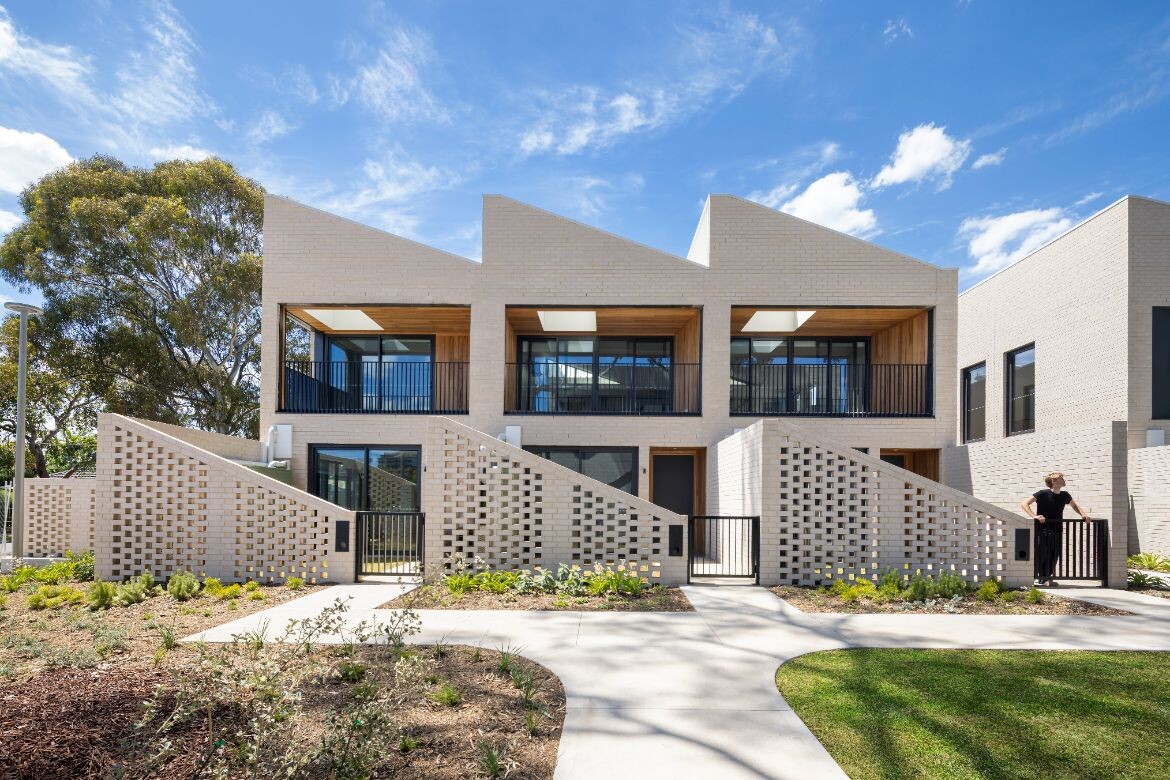
From locally manufactured materials and innovative reuse approaches to the age-old durability, versatility and thermal qualities of the brick, Brickworks’ multifaceted approach is focused on sustainability – alongside, of course, healthy, resilient, well-designed homes.
Brickworks
brickworks.com.au