Biophilic Design – the practice of taking cues from the natural world and allowing them to not just guide the design process but to help foster relationships between it, the built environment and people[i] – is a relatively new, yet increasingly influential notion.
Distinct from, yet closely related to sustainability, it has become a source of hope for those in the architectural profession seeking solutions to the ever-growing (and ever-more urgent) list of environmental problems facing the construction sector and the broader global community.
As an over-arching philosophy, rather than a style or trend[ii], Biophilic Design involves many considerations and many variables, including material choice.
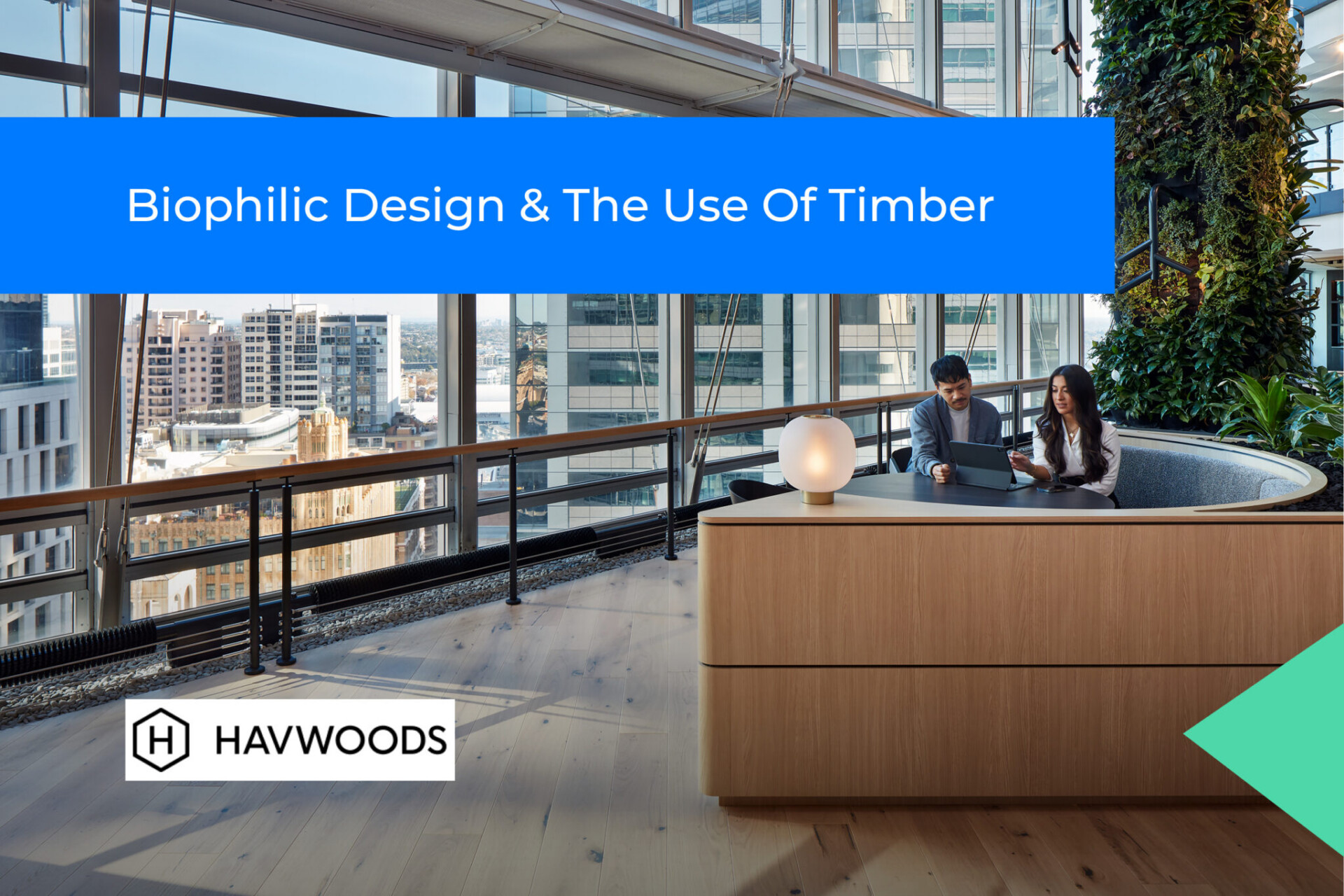
Titled “Biophilic Design & the Use of Timber”, this session of CPD Live focusses on one such material, namely timber. Our speakers explore the role of this timeless, natural material in biophilic design. They highlight its aesthetic, psychological, and environmental benefits in this context; and outline the various approaches to successfully incorporating it into projects of this type.
Learning Outcomes
At the end of this presentation, you should be able to:
- Define the term ‘Biophilic Design’
- Outline the role that timber, as a natural material, can play in this context
- Outline the various strategies that architects interested in Biophilic Design can take
- Identify successful example of Biophilic Design involving the use of timber