The home of architecture and design in the Asia-Pacific
Get the latest design news direct to your inbox!

Get the latest design news direct to your inbox!
Milliken’s ‘Reconciliation Through Design’ initiative is amplifying the voices of Aboriginal and Torres Strait Islander artists, showcasing how cultural collaboration can reshape the design narrative in commercial interiors.

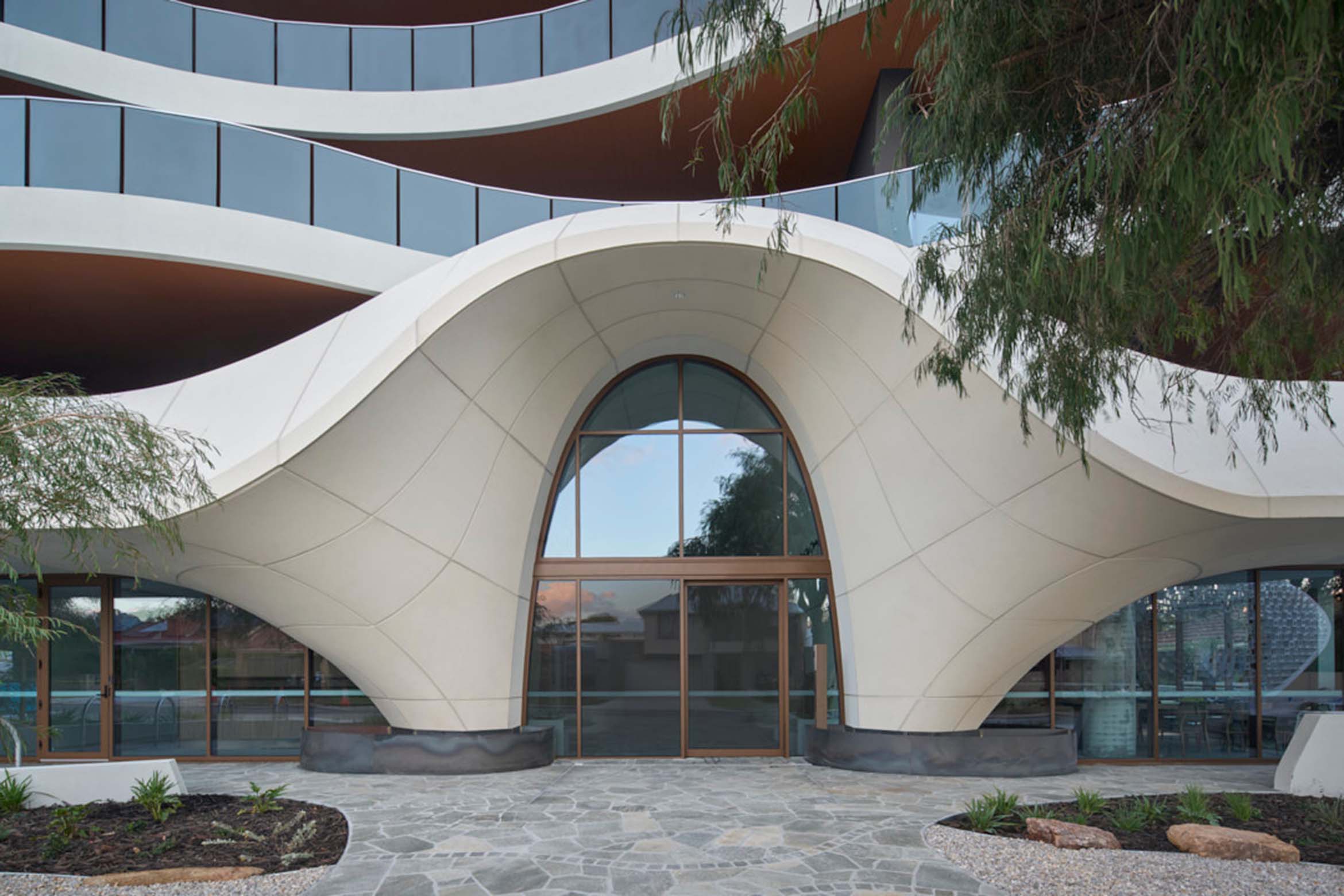
Specified by Cachet group, photography by Matthew Lynch
December 19th, 2025
Reconciliation can take many forms – but when approached through design, it offers a powerful way to share stories and build understanding. Milliken understands the powerful role that design can play in creating lasting cultural connections, and its pioneering ‘Reconciliation Through Design‘ initiative has become an evolving framework for collaboration with Aboriginal and Torres Strait Islander artists. Through the platform, First Nations artists develop flooring collections that offer a new way for their stories to be seen, and understood.
“Reconciliation Through Design is about creating a space for Aboriginal and Torres Strait Islander artists to collaborate with the commercial interiors industry,” explains James Mfula, Milliken’s Creative Director and Collaboration Lead. “It gives corporate Australia an opportunity to support these artists through meaningful partnerships that directly benefit them and their communities.”
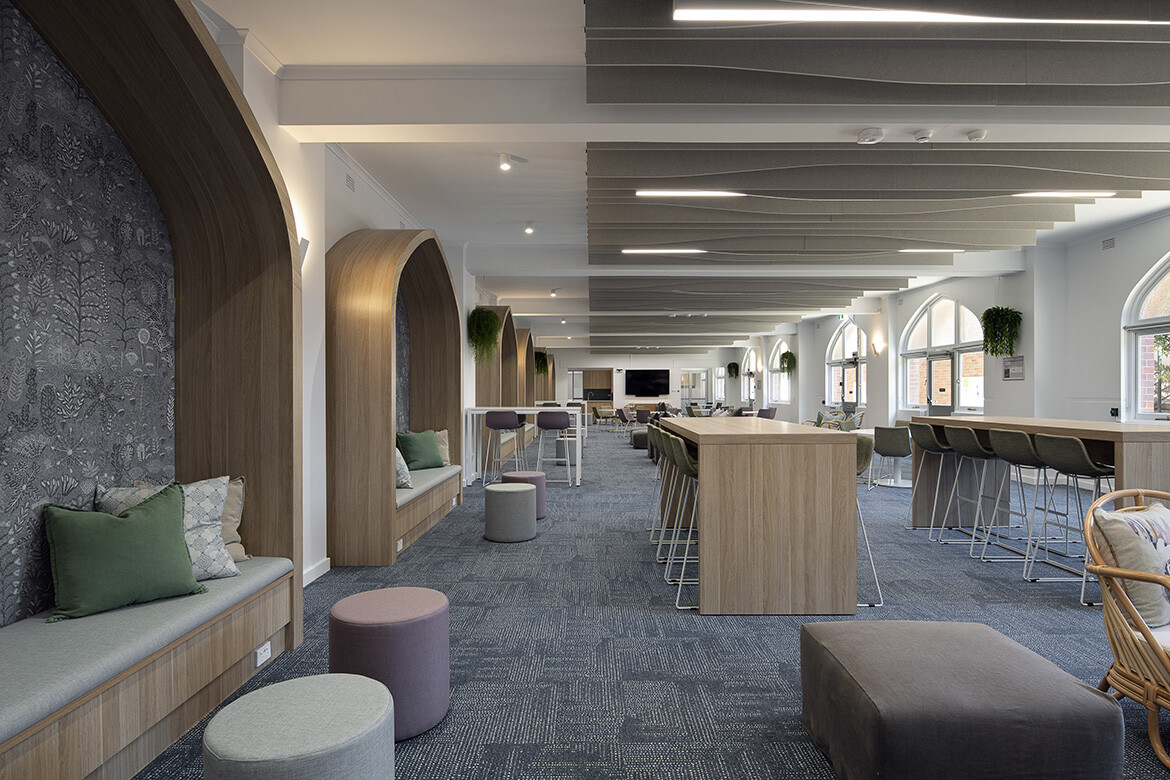
The initiative emerged from a long-held idea. Two decades ago, Mfula met award-winning First Nations artist, designer and film producer, Alison Page, at a gallery opening, and the pair began imagining what First Nations design could look like in a commercial setting. “At the time, the market wasn’t ready,” he recalls. “Fast forward to 2016, and the timing finally felt right.” That conversation led to a partnerships with Gumbaynggirr artist Brentyn Lugnan, which resulted in the Water Yuludarla collection, followed by a collaboration with textile designer Helena Geiger on the Sandhills collections; and the initiative has brought First Nations design into offices, schools, and civic spaces across the country.
For Milliken, each collaboration begins with respect and shared learning, and before an artwork is translated into a carpet collection, the Milliken team spend time with each artist to understand the cultural context. “The artists are giving us their stories and sharing their culture,” says Mfula. “Our responsibility is to listen, to learn, and to make sure their stories are told with integrity and authenticity. It takes time to build trust and find synergy between their practice and what we do. The artist has to have confidence that we’ll look after their interests.”
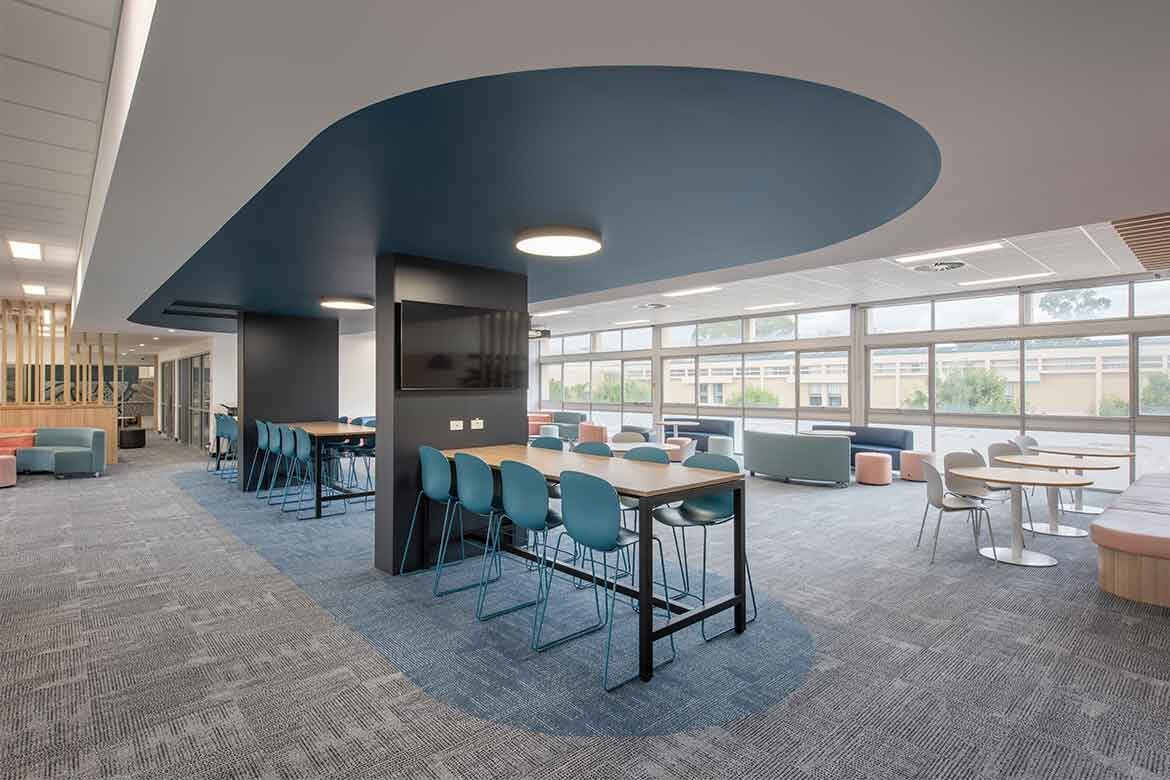
For the artist, the collaborations are a way to share their own experiences. Geiger’s Sandhills collection, for example, traces the intricate patterns of the Australian landscape through the textile technique of batik, and is inspired by her own journeys through Country. “I have a deep connection to the land and bring home memories to recreate it with intricate detail in my artwork,” she explains. “We sifted through palettes of natural hues – inspired by red dirt and coloured sands, ochres, shells, scribbly bark, paperbark, and eucalypt leaves – to create a visual experience of walking on Country.”
For designers, these kinds of collaborations offer opportunities for First Nations people to showcase their talents and develop new revenue streams that provide for communities and families. It also is a chance to share their cultural traditions. When Geiger visited the Milliken manufacturing facility in Sydney, an Elder from the local Land Council performed a Welcome to Country and Smoking Ceremony. “The knowledge we shared that day helped create a clearer vision of what we were developing with this range she recalls. “It was a beautiful moment.”
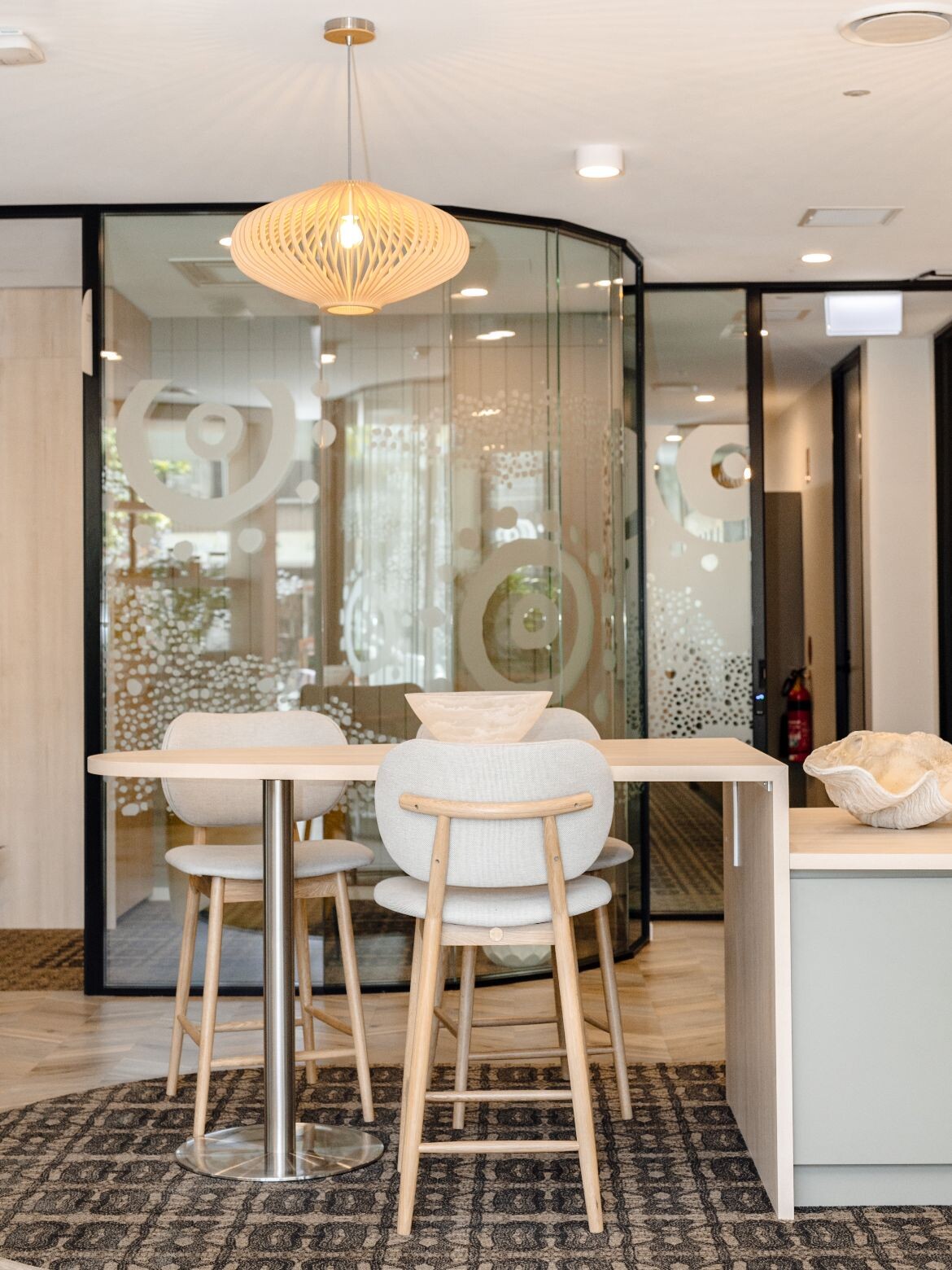
For Lugnan, whose Water Yuludarla collection was developed in partnership with the Saltwater Freshwater Arts Alliance and the National Aboriginal Design Agency, the experience was similarly transformative. “It was exhilarating to see how others connected with the spiritual significance of my work while bringing it into a contemporary design context,” he says. “There’s something wonderful about juxtaposing the most ancient designs and story on the planet with the most modern technologies.”
At its heart, the ‘Reconciliation Through Design’ initiative means the impact of Milliken extends far beyond the floor. Bringing these stories to commercial settings adds another layer of meaning to the project, offering a connection to place and First Nations people. “Design can be a powerful educator,” says Mfula. “When someone walks into a space and sees a First Nations pattern, it prompts curiosity – people ask, ‘What does this mean? What’s the story?’- and that’s how understanding begins.”
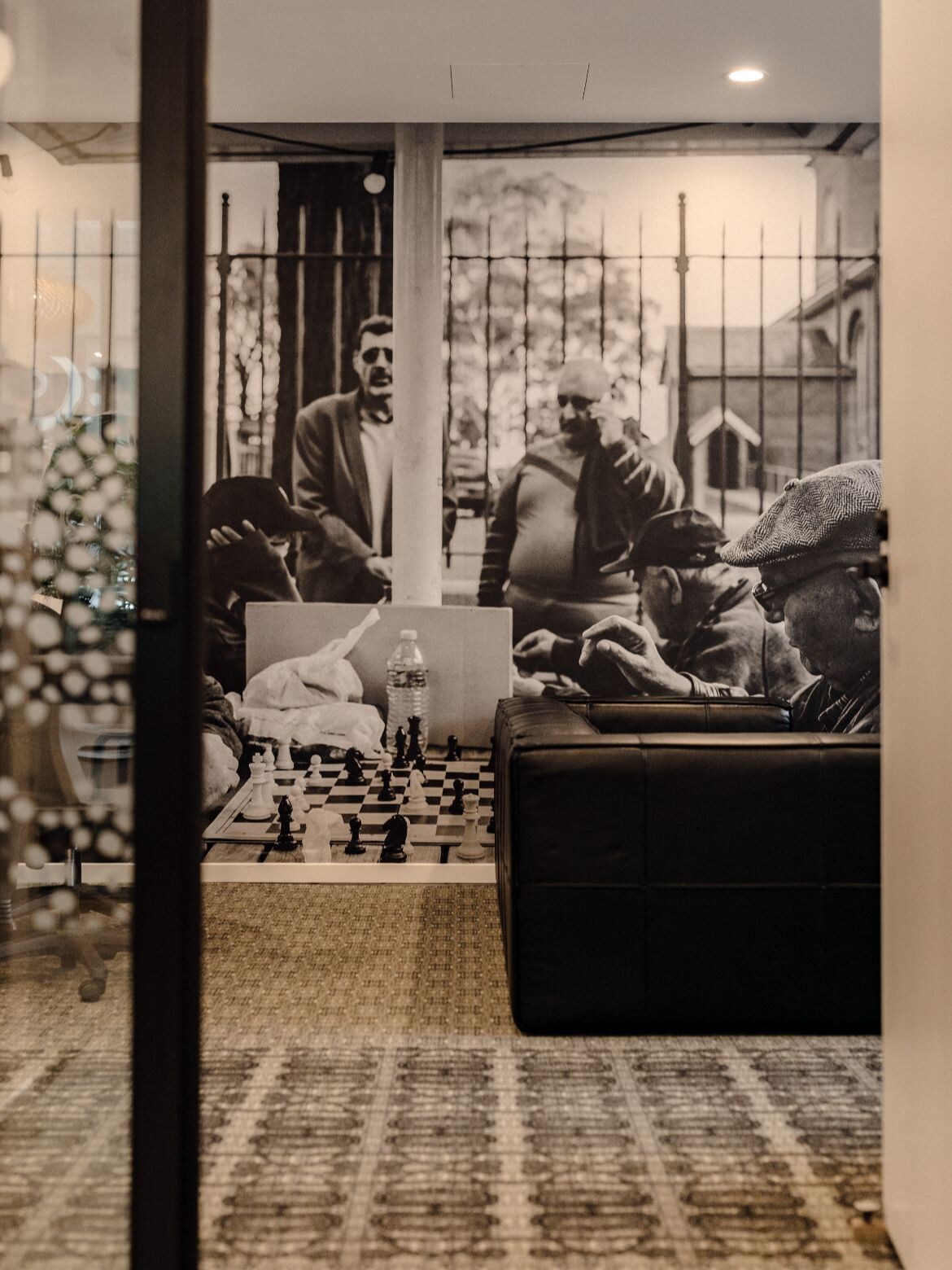
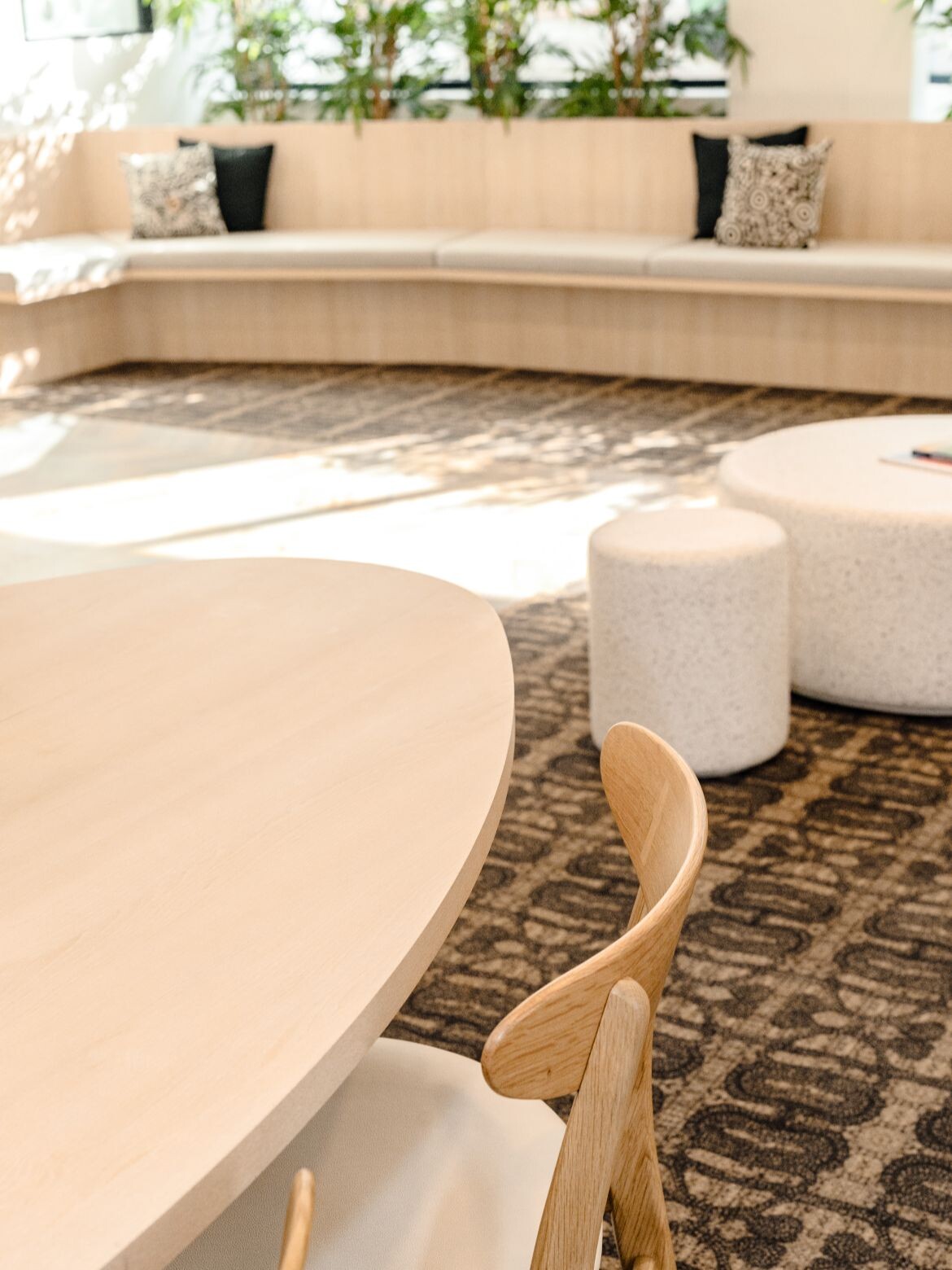
Looking ahead, Milliken plans to expand the initiative with Corroboree, a new collection launching in early 2026 that brings together artists from each Australian state and territory. The concept is also expanding globally. Milliken Canada, for example, has launched its own ‘Reconciliation Through Design’ platform, and has most recently collaborated with Anishinaabe interior designer, Destiny Seymour, on the Nibi collection.
Ultimately, the initiative is a reminder that the spaces we inhabit can carry meaning far deeper than their function. “Including Indigenous design in modern spaces is a great pathway to reconciliation,” says Geiger. “It allows non-Indigenous Australians – and the wider world – to connect with our culture in a real and respectful way.”
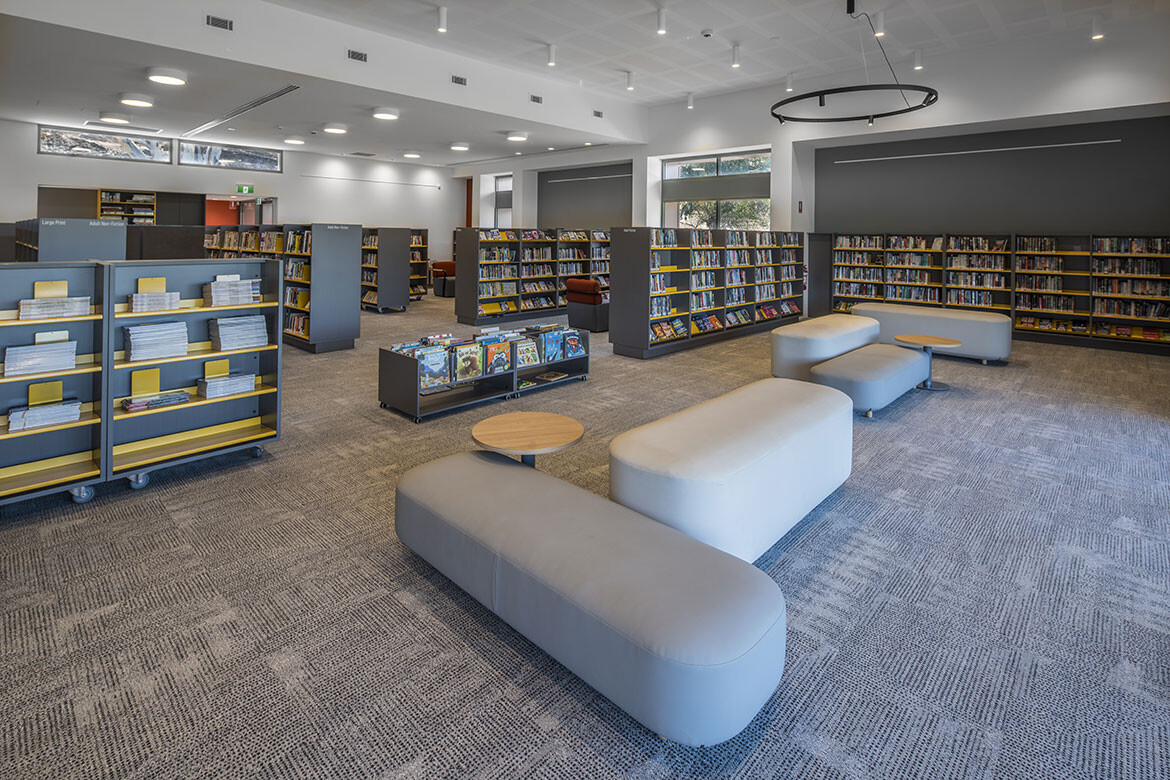
Lugnan’s ambition for the collaboration is similar. “When people encounter my designs in these commercial spaces, I just want them to take a moment and think about what’s being represented,” he says. “There’s an ancient connection behind these works. If people can feel even the slightest sense of that, then we’ve achieved something far more than I could have ever hoped for.”
Milliken
Reconciliation Through Design
INDESIGN is on instagram
Follow @indesignlive
A searchable and comprehensive guide for specifying leading products and their suppliers
Keep up to date with the latest and greatest from our industry BFF's!
The internet never sleeps! Here's the stuff you might have missed