The home of architecture and design in the Asia-Pacific
Get the latest design news direct to your inbox!

Get the latest design news direct to your inbox!
In design for contemporary commercial buildings, the nexus of design energy revolves around human wellbeing and planetary stewardship, two concepts that are woven into the approach of Tappeti, creators of fine hand-crafted rugs and carpets.
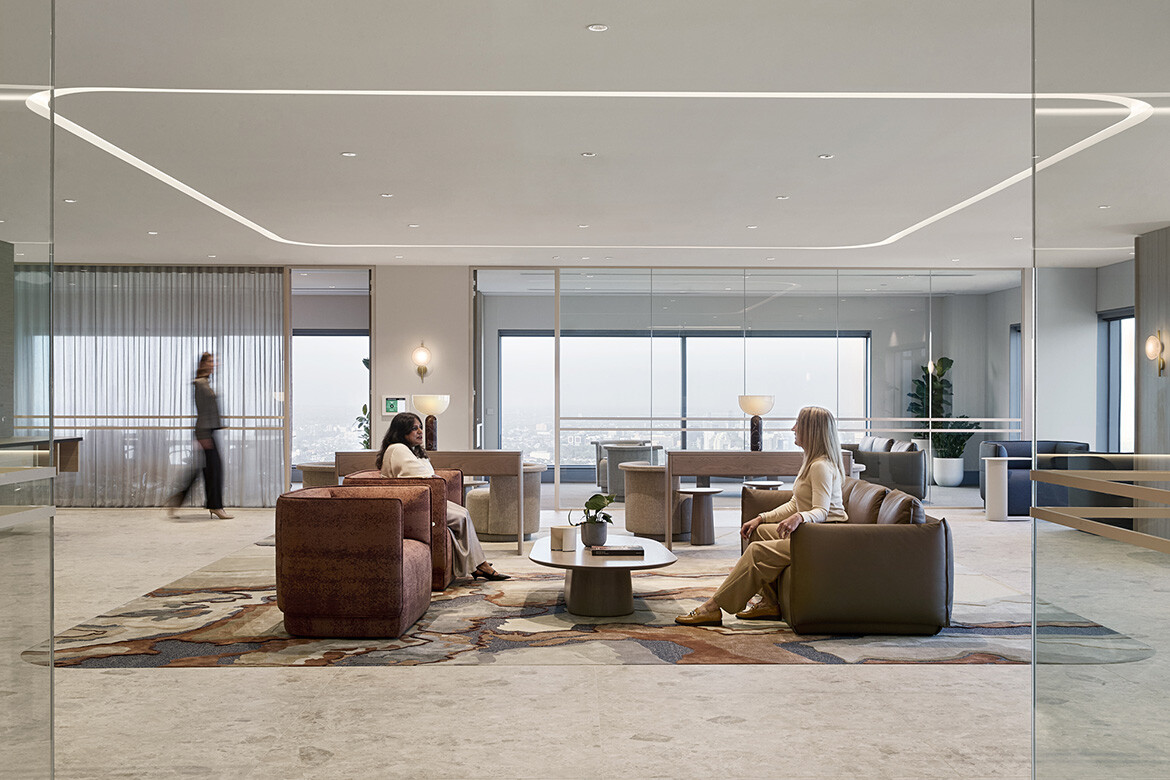
Axiom Workplaces | 101 Collins St - Shannon McGrath
February 16th, 2026
Ambience is shaped by the sensory quality of space, as we respond to subliminal messages from geometry, colour and texture. In design for contemporary commercial buildings, the nexus of design energy revolves around human wellbeing and planetary stewardship, two concepts that are woven into the approach of Tappeti, creators of fine hand-crafted rugs and carpets.
Tappeti designs in partnership with specifiers, collaborating to achieve exceptional bespoke designs for rugs that complement and enhance interior spaces. The attention to detail and commitment to exceptional quality, durability and craftsmanship is exemplified in two recent projects.
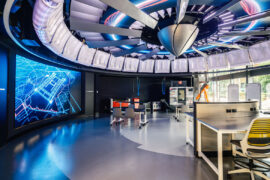
The Qualitas fitout at 101 Collins Street in Melbourne designed and delivered by Axiom Workplaces incorporates an intuitive style of zoning for the open-plan office area. A spectacular Tappeti hand-crafted Gradient Carnelian rug in a custom colour defines a warm, congenial conversation and collaboration area.
“I’ve worked with Tappeti in the past on custom rugs; the level of customisation has always made the project unique and tailored to the client,” said Jessica Jones, Associate Designer at Axiom Workplaces.
Together, Axiom designers and Tappeti colour-matched the poms to the palette of the space, adapting an existing Tappeti rug design to create a bespoke rug. The final design enhances overall aesthetic harmony, with adjustments to the level of detailing and colouration to create plays on negative space around furniture and intensification of patterns in clear zones.
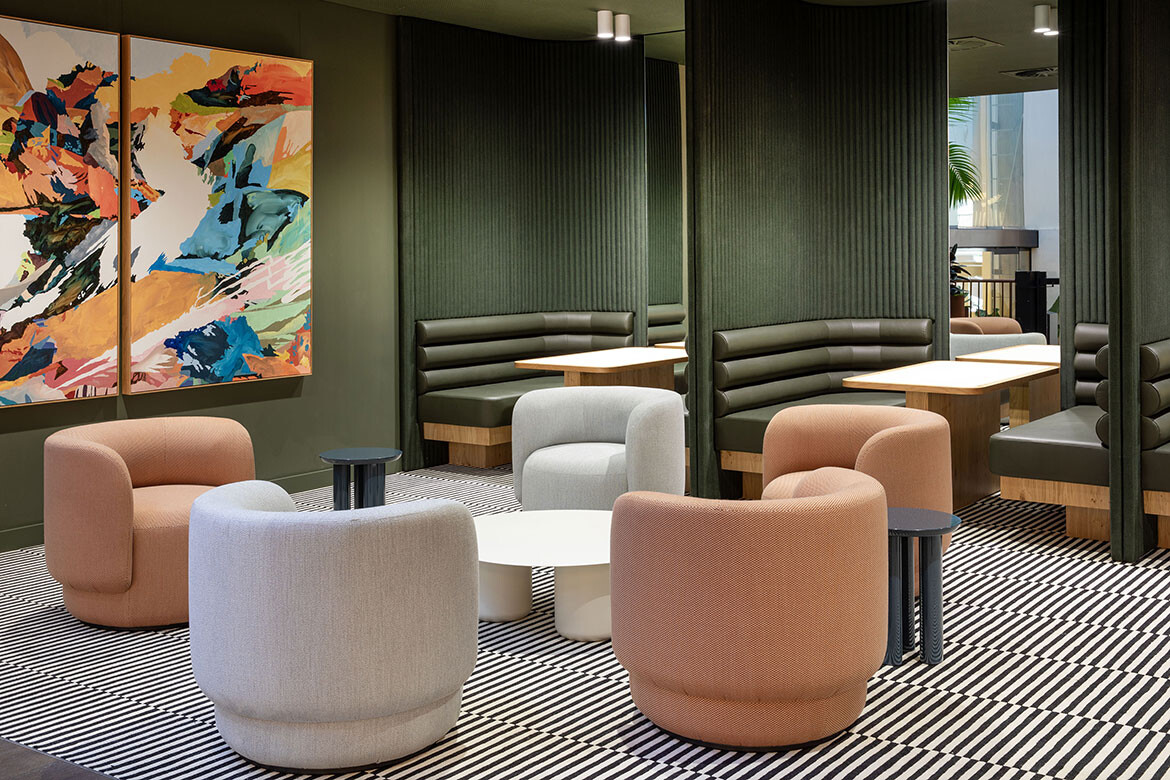
“Knowing Tappeti’s craftsmanship gives us, as designers, excellent peace of mind when the client invests in a feature piece as large as the rug we created for the Qualitas fit out,” said Jones.
For the COX Architecture project at 270 Pitt Street, functionality, form and sustainability were all fundamental to the brief for two custom-made Tappeti rugs.
“At COX, collaboration and craft are central to our design process, and Tappeti’s approach resonated strongly with these values,” Architect Kumuthini Ravindra said.
The revitalisation project is defined by adaptability, sustainability and a renewed sense of identity for a former Defence building, transforming it into a contemporary workplace centred on engagement and wellbeing.
“We wanted every detail to contribute to that vision. 270 Pitt Street is about revealing potential, both in the building and in how people experience it. That required a design process that was iterative and responsive, and Tappeti delivered that,” adds Ravindra.
Tappeti created two statement rugs – a circular Ora Palermo rug in Warm Grey that anchors and brings an earthy calm to a colourful lobby zone, and a dynamic Custom Stripe pattern rug that defines a conversation area in the wellness area mezzanine.
Through a series of design workshops hosted by Tappeti, there was an iterative process of collaboration on every aspect including yarn types, colour, textures, dimensions and detailing, supporting the COX team’s creative vision.
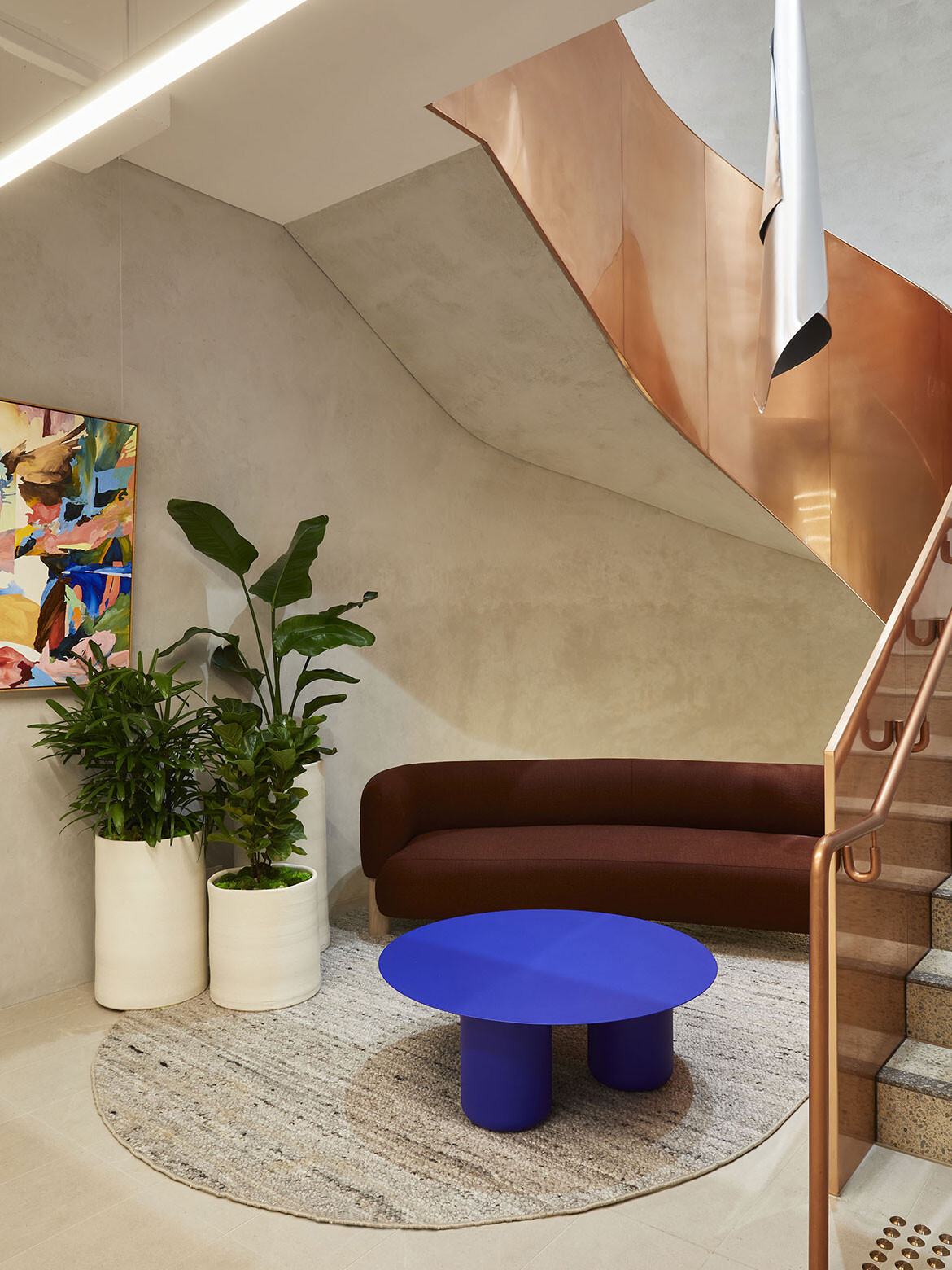
There was flexibility for the final bespoke rugs to align with the materiality and tonal qualities of the new lobby and wellness spaces due to an extensive palette of colour poms that showcase the myriad of pot-dyed yarn colours available to Tappeti’s artisan makers.
In addition, experience from previous projects had given COX confidence the Tappeti rugs would be of exceptional quality and longevity, which aligns with the sustainability principles of the design which aimed to deliver more in the result while consuming less in materials.
Tappeti goes to great lengths to ensure the final custom, hand-crafted rug is aligned with the client expectations and their space. For the 270 Pitt Street rugs, an initial prototype was produced which allowed alterations, and Tappeti and COX were able to enhance the colourways and patterns.
The client also queried the resilience of the light colours in the rugs. Tappeti organised spill tests, without additional cost to the client, and modified the weave composition to improve durability while maintaining the design intent.
The agility of Tappeti’s team in responding rapidly and proactively to client needs also helped ensure COX and the construction team led by Built could still meet all the project milestones quickly and to an exceptional standard.
For any project team, designer or specifier, Tappeti’s seamless process of collaboration ensures ambitious, unique designs find impeccable expression in bespoke, hand-crafted, BCA-compliant and sustainable rugs. To begin your custom design journey or learn more about Tappeti, visit www.tappeti.com.au and explore Tappeti’s Custom Design Service.
INDESIGN is on instagram
Follow @indesignlive
A searchable and comprehensive guide for specifying leading products and their suppliers
Keep up to date with the latest and greatest from our industry BFF's!
The internet never sleeps! Here's the stuff you might have missed