The home of architecture and design in the Asia-Pacific
Get the latest design news direct to your inbox!

Get the latest design news direct to your inbox!
As Snøhetta marks ten years of permanent presence in Australia, co-founder Kjetil Trædal Thorsen reflects on Country, civic generosity, regenerative design and why architecture must keep imagining “memories of the future.”
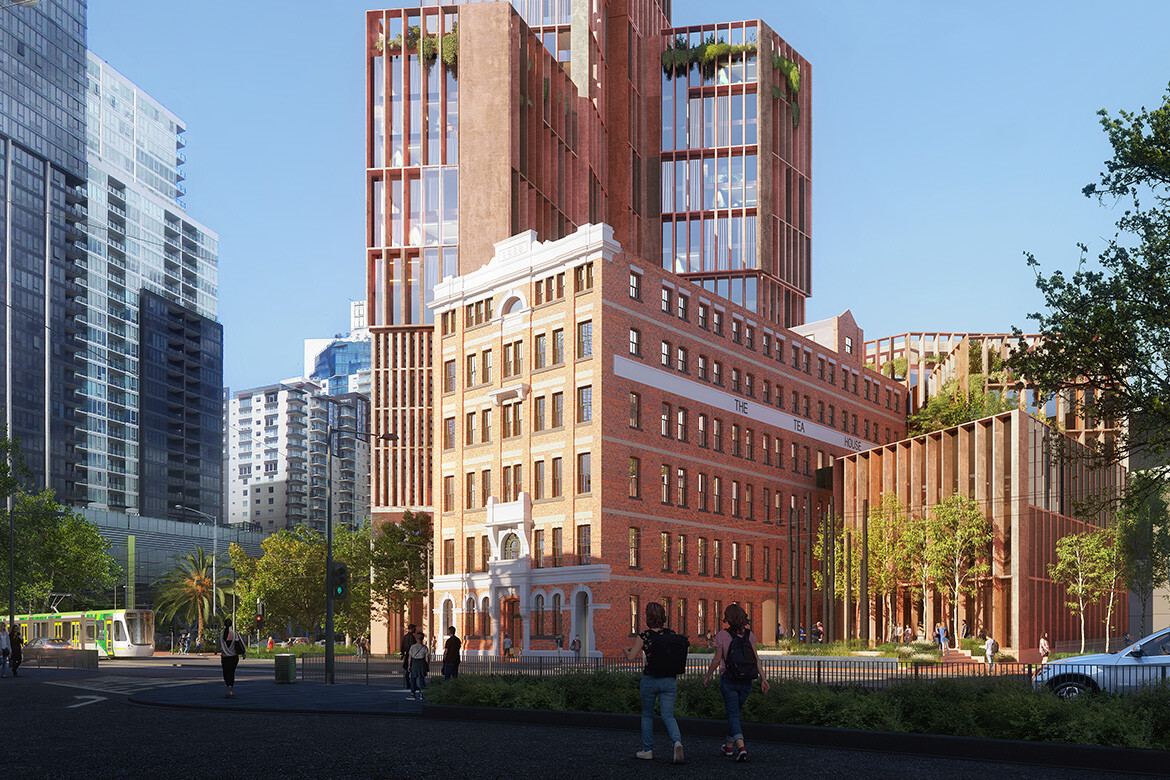
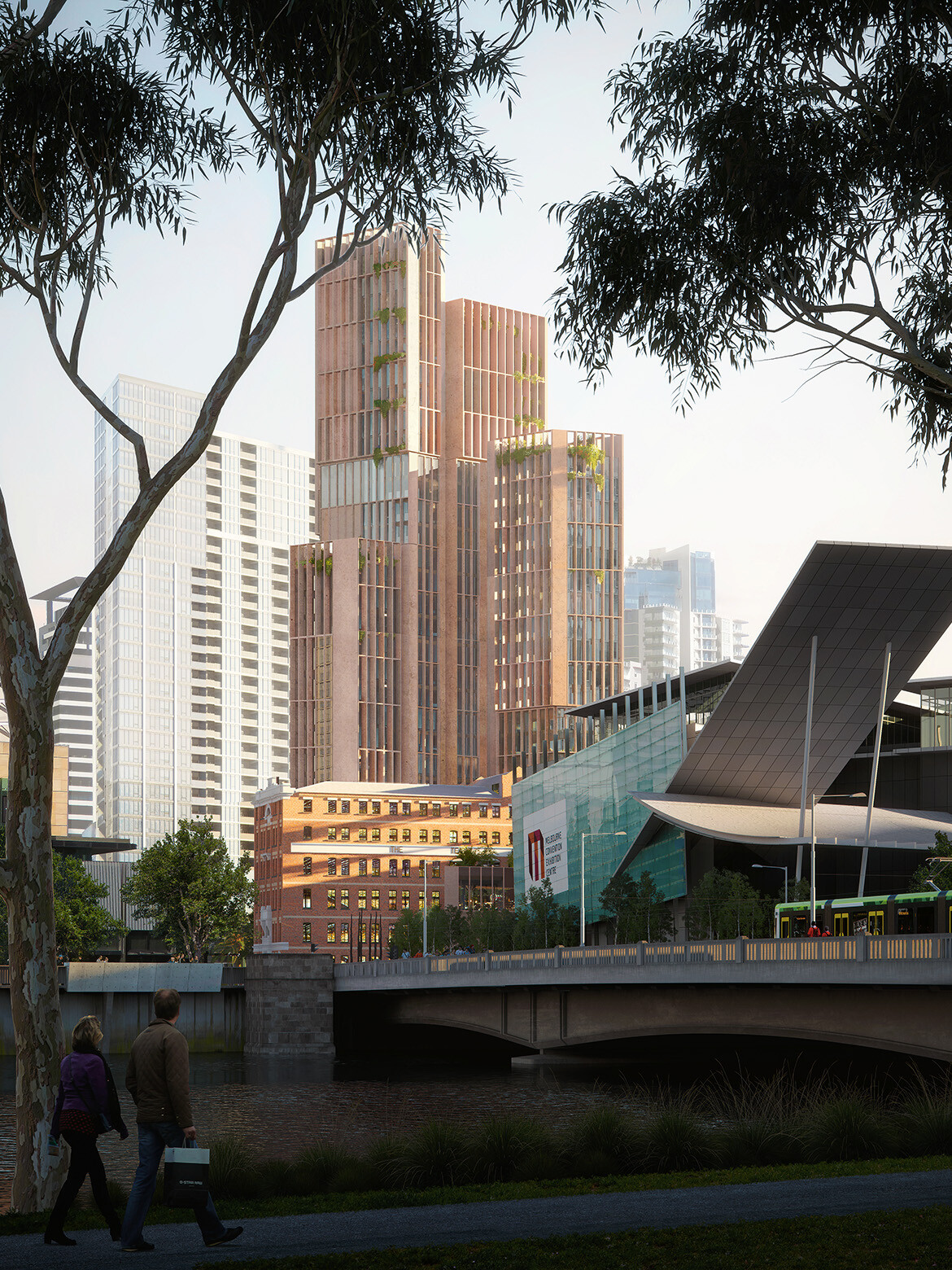
The Teahouse in Melbourne.
May 13th, 2026
When Kjetil Trædal Thorsen speaks about architecture, he rarely begins with buildings. The co-founder of Snøhetta is more interested in relationships: between people and place, city and landscape, culture and responsibility, the known present and the future we have not yet learned how to picture.
In conversation, his answers move across public space, climate, social equity, Indigenous knowledge, disciplinary boundaries and the strange optimism required to design anything at all. That breadth feels apt for Snøhetta, a practice that has long resisted architecture as a singular object-making exercise. Founded in Norway, the studio is known globally for cultural projects including the Norwegian National Opera and Ballet, the Shanghai Grand Opera House and the St. Louis Symphony Orchestra. In Australia, where Snøhetta’s Australasian studio is based in Melbourne, the practice is now marking a decade of permanent presence in the region.
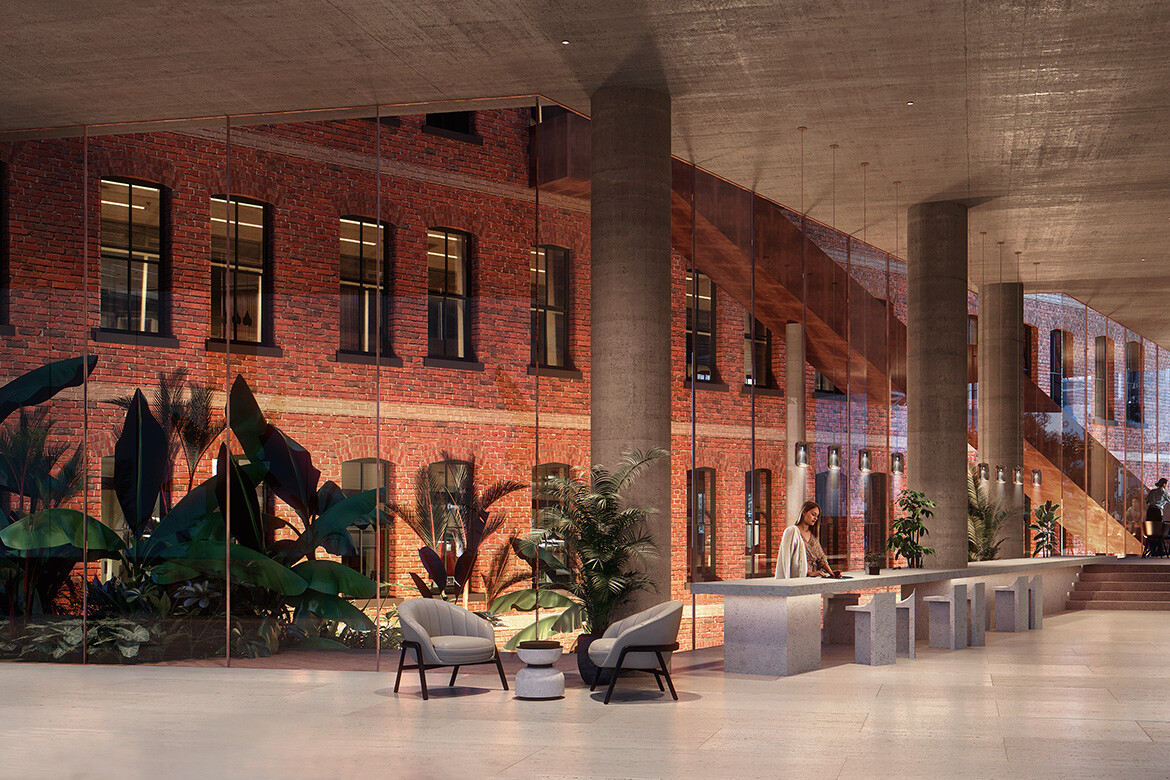
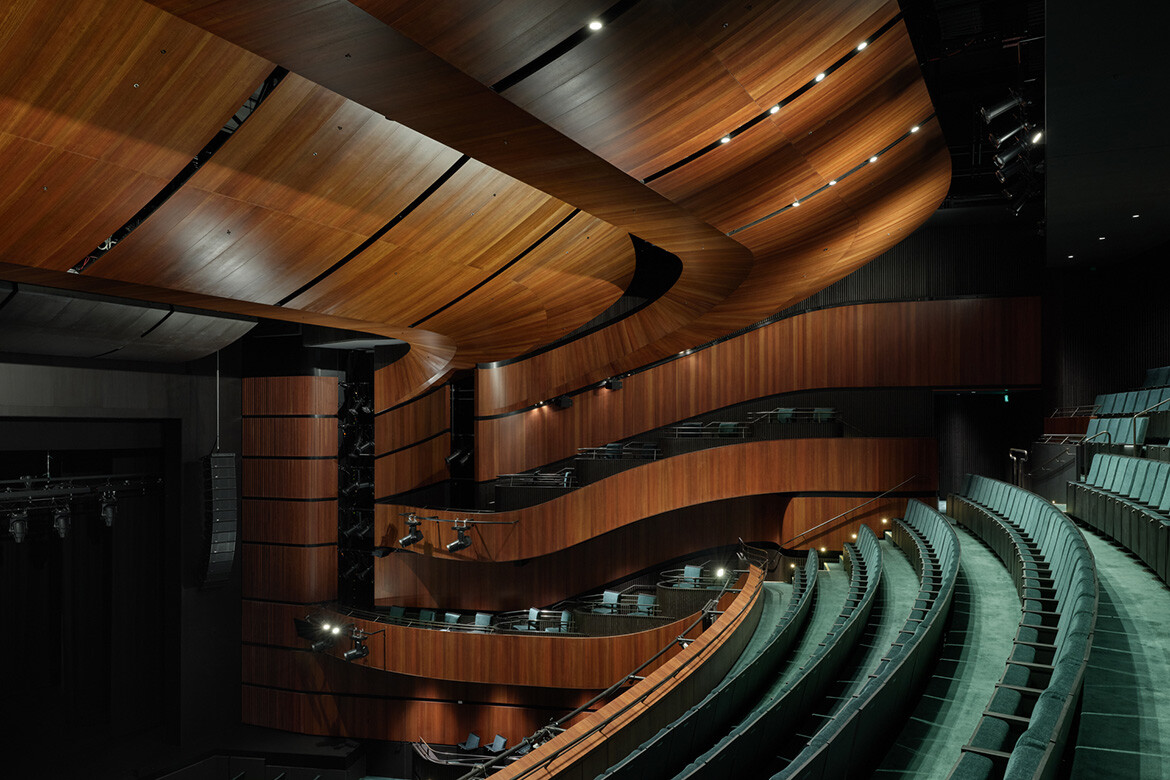
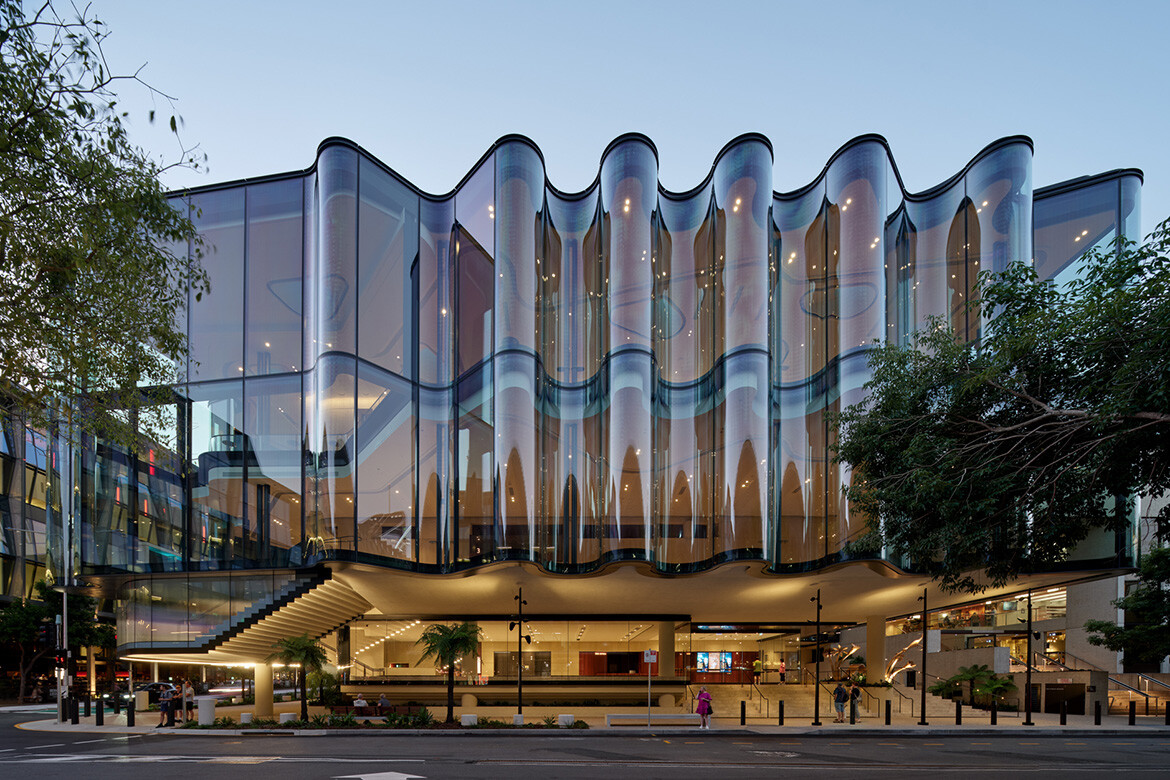
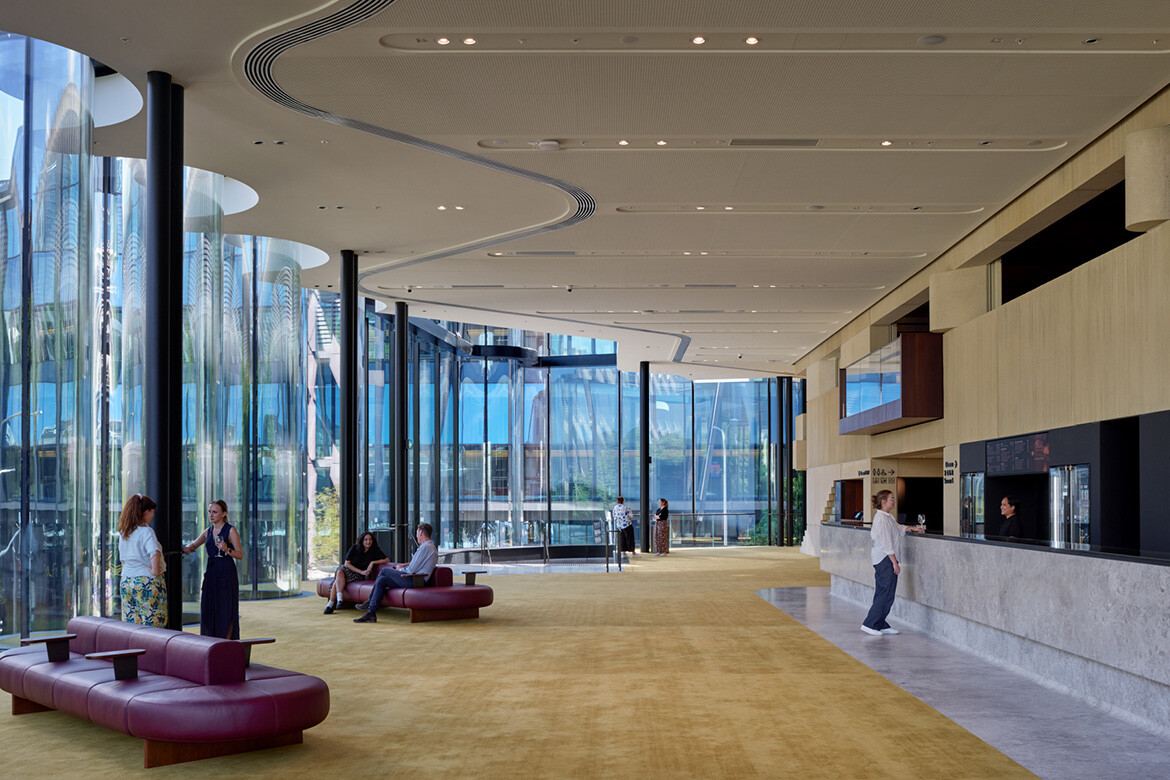
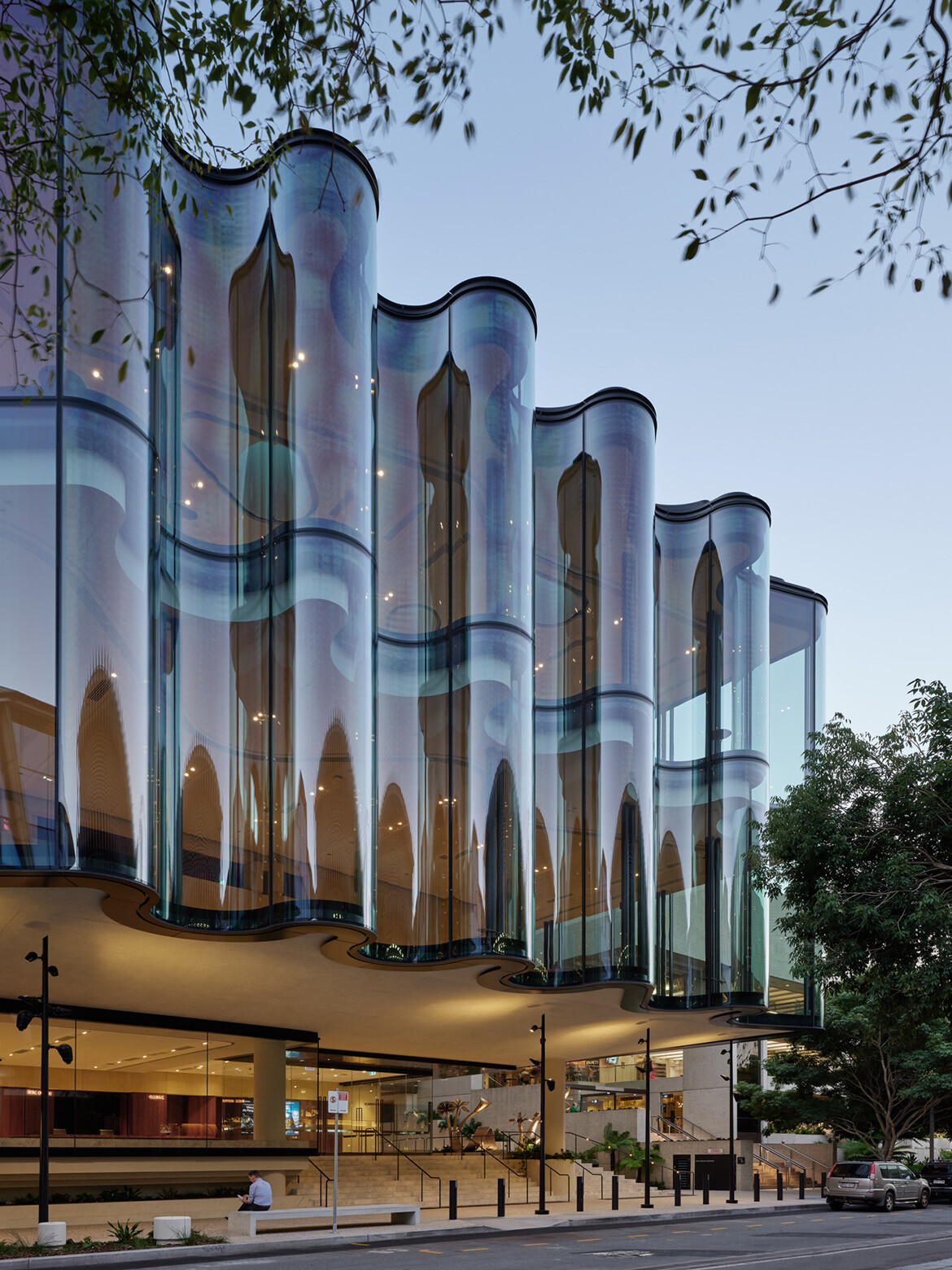
Its local work includes the recently completed Glasshouse Theatre at QPAC in Brisbane, the soon-to-reopen State Theatre at Arts Centre Melbourne, the Teahouse in Melbourne and Harbourside in Sydney. Together, these projects ask a wider question of architecture: not only what a building can be, but what kind of public life it can support.
For Thorsen, Australia’s most significant shift over the past decade is ethical. He observes a growing change in the way the country understands land, responsibility and the environment, particularly through the lens of Caring for Country. Australia, he suggests, is increasingly moving away from the idea of architecture as a singular object and towards an understanding of projects as part of larger environmental, cultural and social systems. In the Australian context, this also means engaging with Indigenous understandings of land, including the idea that ownership does not equal belonging. “Even if you might own a piece of land, it doesn’t belong to you,” he reflects. That small shift in thinking, he says, changes the responsibilities that shape design.
Related: Shared material intelligence at Melbourne Design Week
Over the last four or five years, he has also noticed environmental and social questions moving from the edge of architectural debate to its centre. Sustainability is no longer a parallel conversation to aesthetics, but part of the central task of architecture itself.
That expanded sense of responsibility informs the way Thorsen thinks about architecture as cultural infrastructure. For him, culture is not limited to galleries, theatres or opera houses. “Everything within architecture is kind of cultural,” he says. Even commercial projects carry a cultural charge because they shape behaviour, values and collective experience. What matters is recognising culture as a deeper part of future planning, sitting alongside the more conventional forces of development and infrastructure. Literature, film, performance, art and architecture all have a role to play in keeping societies sensitive, critical and alert to what they are becoming.
Cultural infrastructure is not only about housing culture, but about producing the conditions for a more conscious civic life. Thorsen describes culture as a kind of “big negotiator,” something capable of bringing different parts of society into shared contexts and breaking down the city’s tendency toward separation: one function here, another there; one income group here, another somewhere else. The ambition is not simply to make cultural buildings more beautiful. It is to make cities less siloed.
Snøhetta’s best-known projects often work by softening the boundary between building and city. The Norwegian National Opera and Ballet in Oslo is perhaps the clearest example: an opera house that is also a public plaza, its roof rising from the harbour edge and inviting people to walk across the building whether or not they ever buy a ticket.
For Thorsen, this is not an aesthetic gesture alone. It is a way of reducing thresholds. Architecture, he says, can be understood as “an art of preposition” — a practice concerned with whether the body is on, under, beside, inside or around something, and how those positions shape belonging. If people can sit on a building, walk over it, touch it, lie on it or move gradually through it, the barrier between public life and cultural life begins to soften.
At the Oslo Opera House, the public roof is deliberately free of commercial pressure. It is not a place designed to sell coffee, merchandise or sunglasses. Thorsen calls it a “cappuccino free zone” — a civic space that does not demand consumption as the price of entry. In cities where public space is often entangled with retail, security and private development, that detail feels quietly radical. It suggests a different sequence of participation: first you walk on the roof, then perhaps you enter the lobby, then one day you attend a performance. Curiosity becomes a form of access.
There is a phrase Thorsen returns to when discussing the future: architecture involves “generating memories of the future.” It is a deceptively simple idea. Architects, planners and designers are asked to imagine experiences before they exist, to anticipate how people might behave, feel, gather, hesitate or belong in places that have not yet been built.
This is also what makes the work uncertain. A building can propose a future, but it cannot fully control it. For Thorsen, good architecture does not eliminate that uncertainty; it works with it. It creates conditions where different futures might become possible.
This is especially true when the conversation turns to regenerative design. Thorsen is wary of neat definitions. “It’s hard work,” he says. A genuinely regenerative approach must consider many things at once: the reuse and refurbishment of existing buildings, material supply chains, embodied carbon, energy production, climate, biodiversity, public value and the specific conditions of place. The goal is not only to minimise harm, but to contribute something back — to make a place better than it was before, while remaining honest about the fact that architecture always intervenes. It always changes something. The question is whether its contribution to public life, environmental health and social diversity is strong enough to justify that intervention.
Snøhetta’s transdisciplinary model is central to how he thinks this complexity can be addressed. The studio has long brought architects, landscape architects, interior architects, graphic designers, artists, researchers and other specialists into the same design process. But Thorsen describes the aim as something more subtle than collaboration between job titles. Snøhetta uses the term “transpositioning,” he explains, to describe a moment where people leave their profession at the door and arrive at the table first as people. “We’re supposed to be looking for the musician in the engineer,” he says.
It is a memorable line because it cuts through a great deal of professional language. The point is not that expertise disappears. Rather, expertise becomes more generous when it is not trapped inside its own defensive boundaries. An engineer may bring technical knowledge, but also rhythm, imagination, intuition and cultural sensitivity. An architect may bring spatial thinking, but must also listen beyond architecture.
As cities become more environmentally and socially complex, Thorsen remains convinced that architecture can still act as a catalyst for change, but not because architects alone hold the answer. Planning, architecture and design do not provide “the only one possible way forward,” he says. They form part of a larger totality of knowledge and action. Still, the industry already knows how to do many of the things required: design buildings that produce more clean renewable energy than they consume, reduce mechanical systems through natural ventilation, improve biodiversity, preserve indigenous plant species and respond more intelligently to future climate conditions.
Snøhetta
snohetta.com
INDESIGN is on instagram
Follow @indesignlive
A searchable and comprehensive guide for specifying leading products and their suppliers
Keep up to date with the latest and greatest from our industry BFF's!
The internet never sleeps! Here's the stuff you might have missed