The home of architecture and design in the Asia-Pacific
Get the latest design news direct to your inbox!

Get the latest design news direct to your inbox!
Arup is celebrating not only the 50th anniversary of the Sydney Opera House, but also ten years of MADE by the Opera House, the Multidisciplinary Australian Danish Exchange program for which it was one of eight founding partners.


October 16th, 2023
The MADE program is all about interdisciplinary design, collaboration and legacy. It was set up over a decade ago with a view towards celebrating the deeply collaborative nature of design at its best, with Jørn Utzon’s Opera House standing out as a prime example.
Each year, MADE has invited exchange students from across a range of built environment disciplines, including architecture and engineering, in order to come together and work on a design brief.
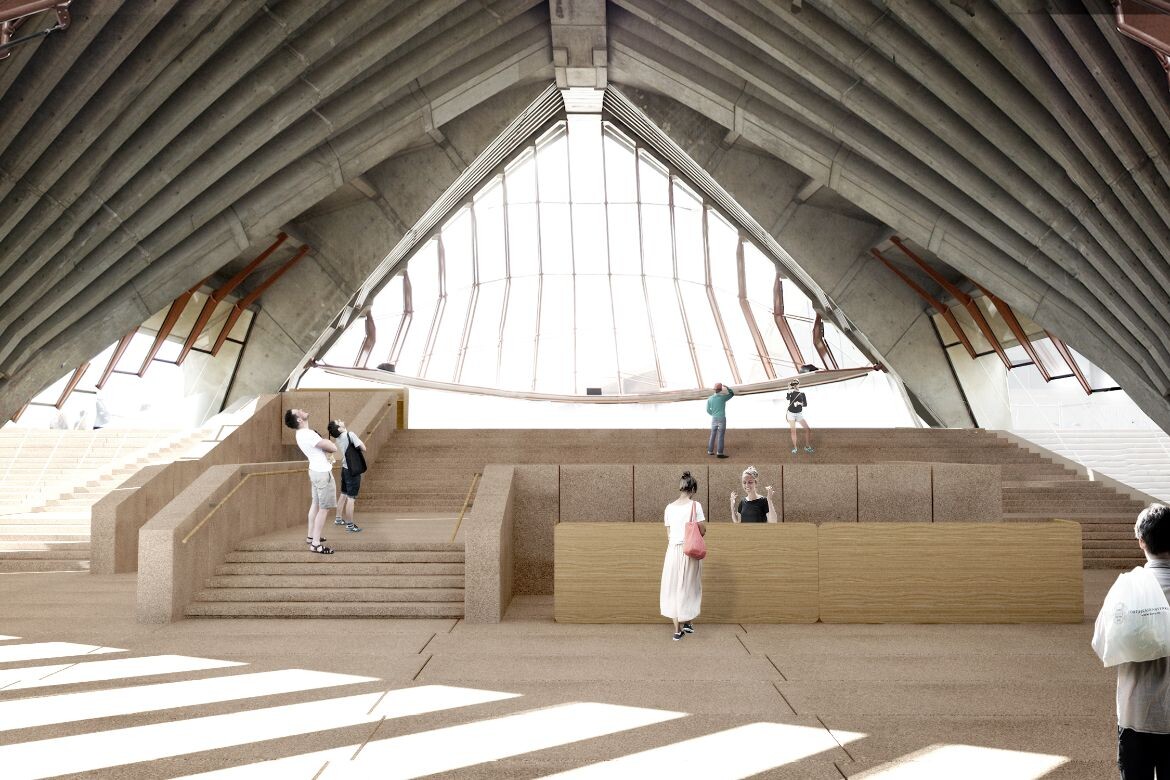
“MADE is about inspiring the next generation on the role that multidisciplinary collaboration plays in creating innovative design solutions – we live in a complex, changing world with lots of problems and we have to be able to think differently to tackle them,” says Caroline Grandjean-Thomsen, senior arts and culture consultant at Arup.
Grandjean-Thomsen’s own personal story stands as a somewhat uncanny expression of some of MADE’s core principles – part Danish, based in Sydney and with a background in architecture but working for an engineering firm, her trajectory speaks to the kinds of international and multidisciplinary overlaps that MADE celebrates. She speaks about how, for Arup, the Opera House is not a building frozen in history but something from which we can continue to learn.

“Arup started working on the Opera House 66 years ago, but the building’s lifespan is 250 years. For future generations to truly understand why the Opera House is what it is, and how to keep its design principles intact, we need to pass on that knowledge,” explains Grandjean-Thomsen.
“I think that the MADE program is a really inspirational example of being able to pass on that knowledge through lived, practical experience.”
Related: Hayball’s social value initiative
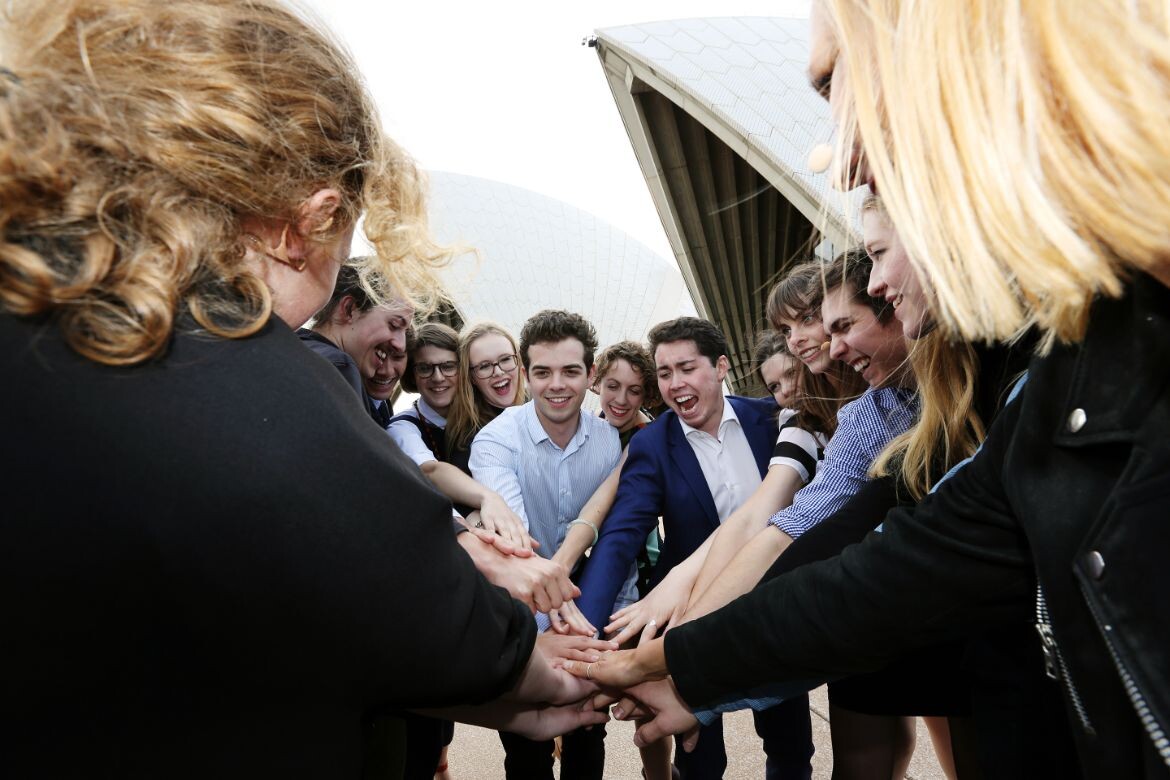
At the core of the program has been an emphasis on design challenges based on real-life problems. It’s involved practical work within multidisciplinary groups – and all of course with international travel between Denmark and Australia. With connections to professional mentors and bodies such as Arup, the intergenerational connections and knowledge sharing have been key to the program’s successes.
Indeed, even MADE’s name suggests something about interdisciplinary metamorphosis: it can stand for Multidisciplinary Australian-Danish Exchange, or Multidisciplinary Architects, Designers and Engineers. “The two key themes for the program are in celebrating the international and interdisciplinary links that were first forged by Danish architect, Jørn Utzon,” says Grandjean-Thomsen.
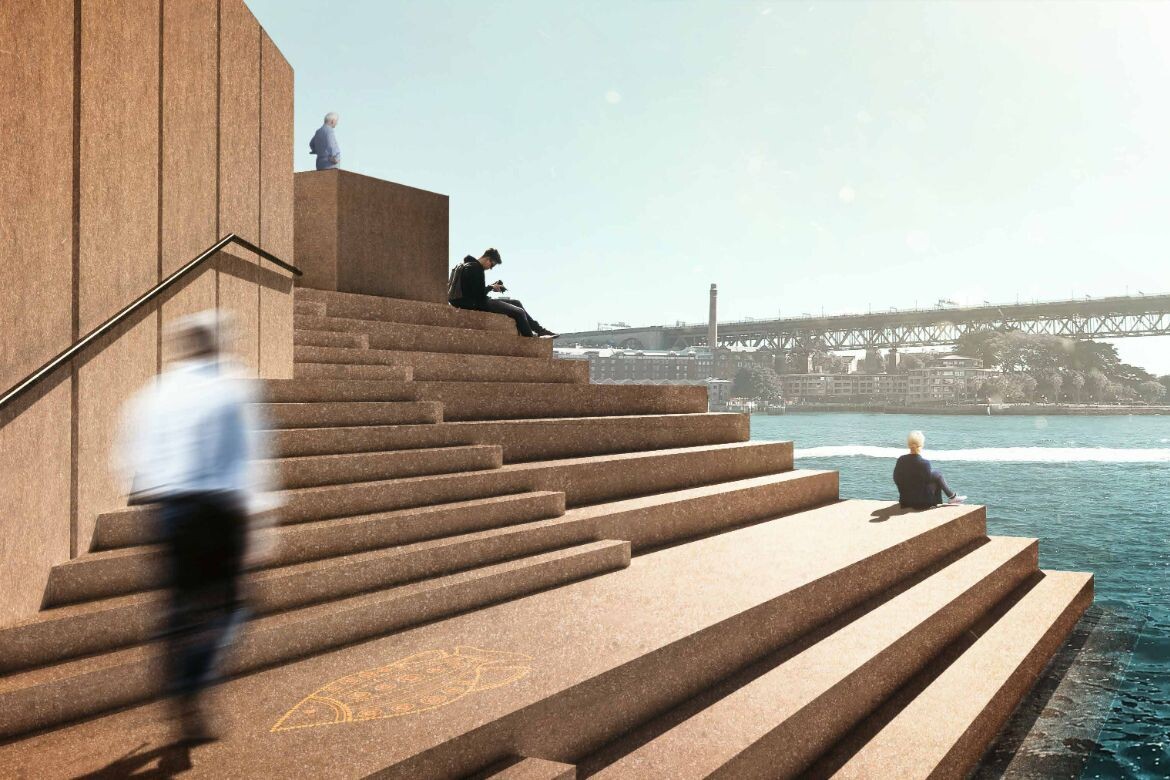
The relevance of the program is perhaps heightened when we consider the nature of design education or the wider industry today, with its high levels of specialisation leading to a lack of collaboration or understanding between different knowledge bases at times. “MADE has been in part a leadership and professional experience program, but also an actual practical integration of different disciplines,” adds Grandjean-Thomsen.
The program has been characterised by a rich mixture of intersecting ingredients – in parts university scholarship, internship, professional networking opportunity, design studio and overseas trip. All this is taken and added to a context that is multigenerational by design, with students having worked alongside practising professionals.
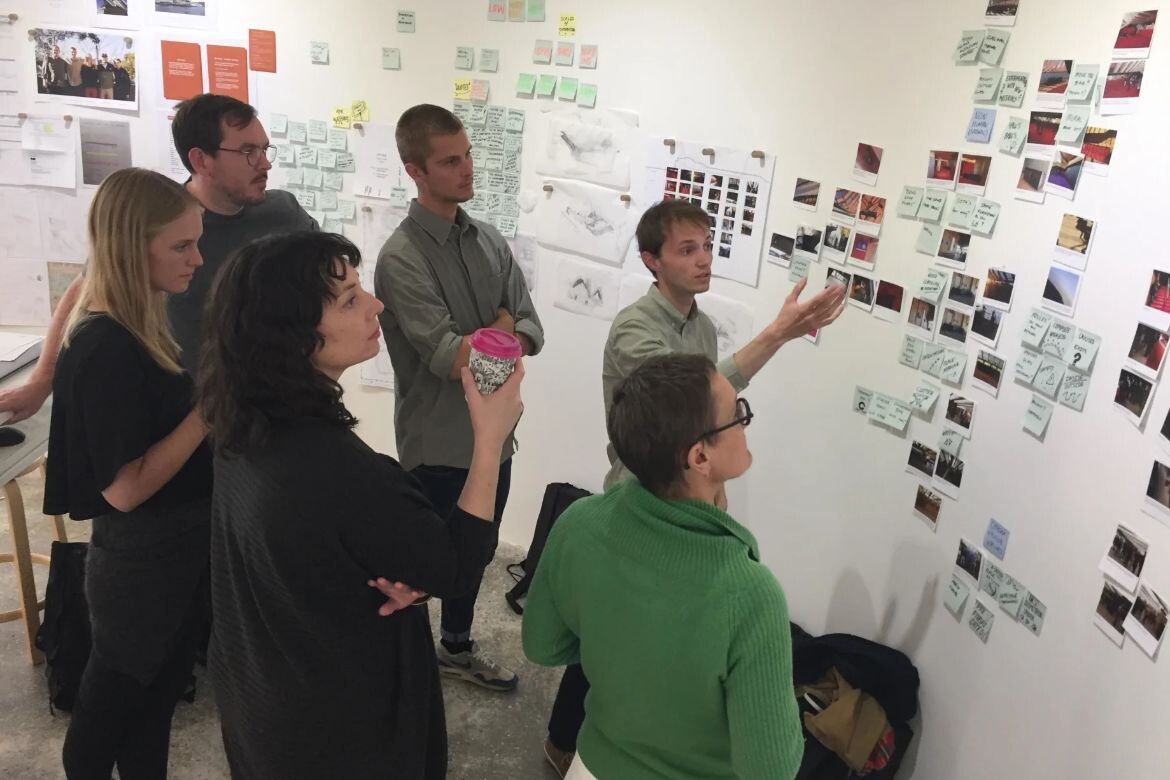
With ten years on the board and almost 100 alumni, the legacy of MADE of course also turns towards the future. Grandjean-Thomsen speaks about how the Opera House “planted a seed” in the form of the program, with results flowering now. These results include alumni who have gone on to make successes with their own practices, for example, while Arup generally aims to keep in touch with those who have passed through the program and has employed 8 alumni who are working around the world.
As celebrations continue for the 50th year of the Opera House, thoughts have been turning to ideas for legacy programs, so it will certainly remain a space to watch. For now, it’s a fitting time to reflect on the legacy and reputation of MADE, and what the wider design industry can learn from its lessons of collaboration.
The founding partners of MADE were Arup, Bikuben Foundation, Dreyer Foundation, Henrik F. Obel Foundation, NSW Architects Registration Board, Royal Danish Academy – Architecture, Design and Conservation, Steensen Varming, Sydney Opera House.
Arup
arup.com
MADE by the Opera House
sydneyoperahouse.com

We think you might also like this story on Lacaton & Vassal’s visit to Sydney.
INDESIGN is on instagram
Follow @indesignlive
A searchable and comprehensive guide for specifying leading products and their suppliers
Keep up to date with the latest and greatest from our industry BFF's!
The internet never sleeps! Here's the stuff you might have missed