The home of architecture and design in the Asia-Pacific
Get the latest design news direct to your inbox!

Get the latest design news direct to your inbox!
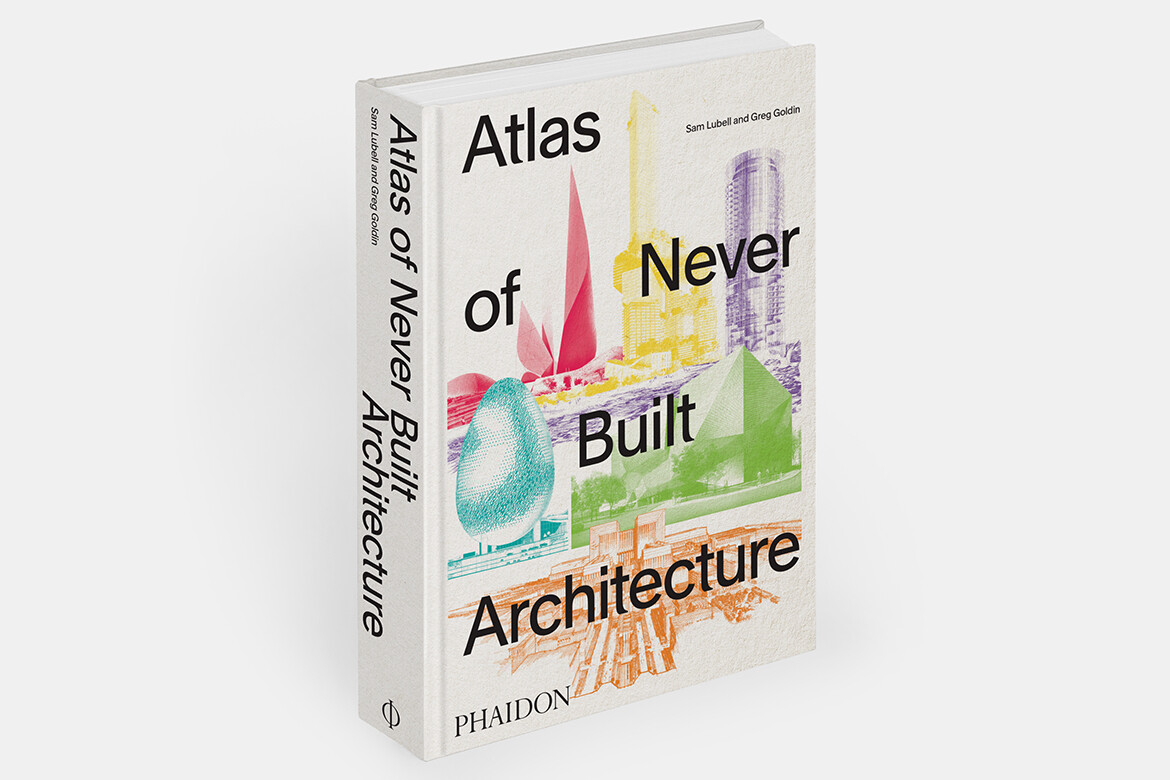
Phaidon’s ‘Atlas of Never Built Architecture’ is a thought-provoking romp through the counter-factual architectural imaginary on a global scale.

June 26th, 2026
“That a building could become anything tangible — be it remarkable or despicable, banal or glorious, revolutionary or preposterous — despite not being built is a testament to the fact that buildings are much more than simply concrete, stone, timber and glass.”
Sam Lubell and Greg Goldin’s introduction to ‘Atlas of Never Built Architecture’ sets the book’s tone with this kind of insight. Phaidon’s tome, richly illustrated with drawings as well as photographs of models and renders, is well over 300 pages and will surely delight any architecture enthusiast who enjoys losing themselves in the speculative, what-might-have-been end of design.
“In exploring the never-built,” continue the authors, “we are engaging in a treasure hunt for the rest of the story: those elusive, often invisible chimeras. A sometimes gruelling search for an alternative reality.”
Related: Níall McLaughlin, featured in the book, on the podcast
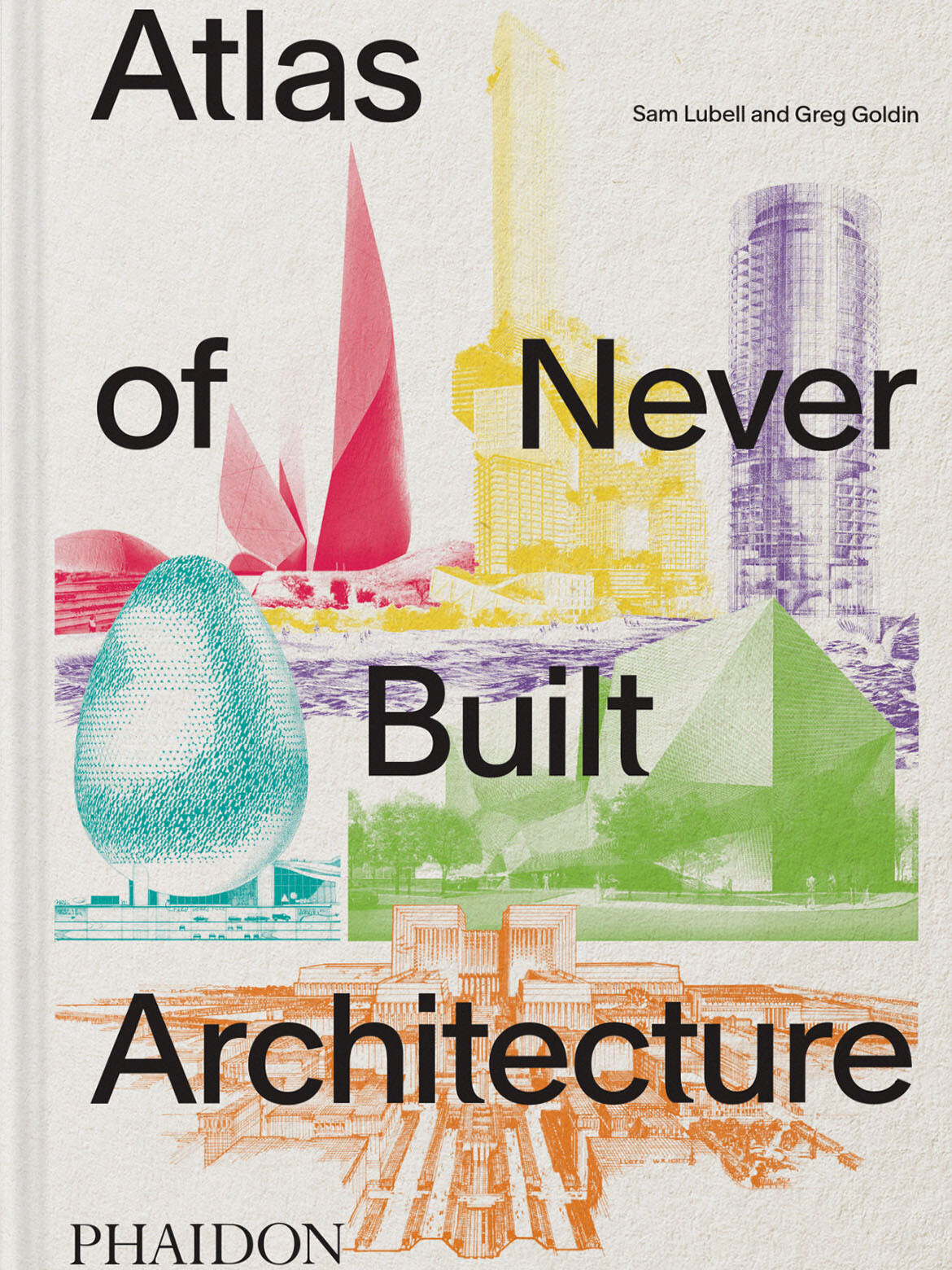
Spanning a global range, the book chronicles unbuilt projects from the beginning of the twentieth century through to today. A ‘shortlist’ of over 5,000 has been cut to 350, with the writers emphasising that the prowess of these unbuilt architectures is to be found in their continuing life as ideas — perhaps as precedents for a later, built project elsewhere.
It’s impossible to pull out highlights from such a wide selection, though readers in our Asia-Pacific region will be keen to see towers in Sydney and Melbourne, as well as a particularly intriguing Metabolist project designed for the latter by Romberg & Boyd in 1968.
At its heart, this kind of counter-factual exercise promises to emphasise a single, crucial point: “Every decision could have resulted in something else,” as the authors write in the introduction. “… [W]hen something does get built, the unbuilt is often forgotten or, worse, written out of the official record.”
“[We] were reminded that our reality is far less fixed than we think.” A critically important point to remember not only in architecture but society and politics more generally.
Phaidon
phaidon.com
INDESIGN is on instagram
Follow @indesignlive
A searchable and comprehensive guide for specifying leading products and their suppliers
Keep up to date with the latest and greatest from our industry BFF's!
The internet never sleeps! Here's the stuff you might have missed