The home of architecture and design in the Asia-Pacific
Get the latest design news direct to your inbox!

Get the latest design news direct to your inbox!
Lapalma’s story began in the 1980s, and while it has embraced modernity, SEELA is proof the company’s love of classic design shapes is here to stay.

Like so many of the world’s most iconic design pieces, greatness lives at the intersection of purposeful design and individual style. Aesthetic appeal can, and should, be celebrated, but it’s the design touches that go beyond first impressions that elevate a simple furniture piece to icon status.
Think more than just attention to form. It’s the considered and sometimes unpredictable choice of materials, the shift towards thoughtful, sustainable design, or the use of contrasting textures for maximum effect.
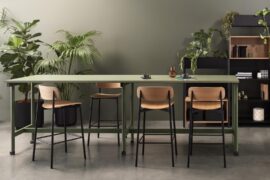
Boasting a refined look paired with a classic shape, few contemporary pieces strike the balance of practicality and distinctiveness through design quite like the SEELA chair by Lapalma.
The brief: A versatile product made at a competitive price for the contract market.
The answer: SEELA, a family of customisable, stackable chairs perfect for adding timeless flair and flexible style to any office, reception, or home and living space.
Designed by Scandinavian wooden furniture virtuoso Antti Kotilainen, SEELA echoes Lapalma’s rich design ethos; turning modest, organic materials into a feat of artisan skill and technology.

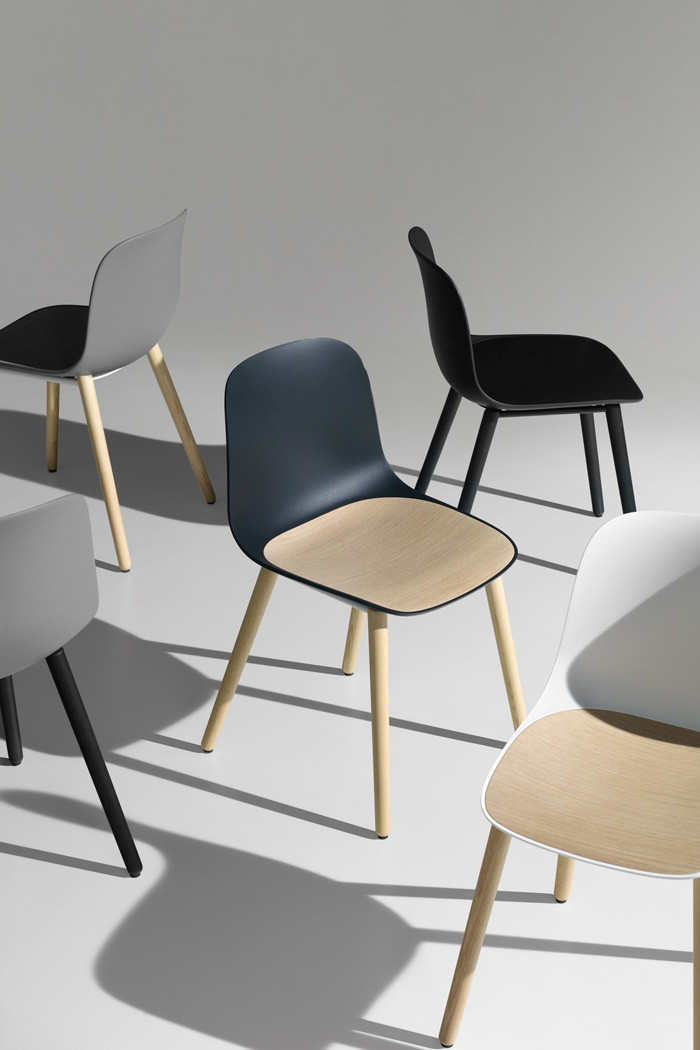
Following its debut at international office design fair Orgatec in 2018, SEELA was praised for its unusual material mix. The unlikely pairing of wood, central to Lapalma’s design story, and a feather-light polypropylene shell enhances its adaptability, with wooden and fabric inserts seamlessly following the contours of the chair, juxtaposing crystalline finishes with warmth and texture.
It’s no surprise SEELA took home the 2018 Good Design Award. Its high versatility and changeable elements add to its flexibility in a multitude of spaces, expanding its lifespan, as well as helping the environment by encouraging resourcefulness and less waste.
SEELA is available with various bases, including wooden or metal legs, with or without armrests, and with the option of a sled base. The unique seat-insert, which can be easily swapped, is also available in polypropylene, with various colours that can be mixed and matched for both indoor and outdoor use, while its fabric variant can be fully upholstered too.

Typical of both Kotilainen and Lapalma’s previous works, SEELA is where function meets earned contemporary qualifications and significance. Behind Kotilainen’s work is a deep understanding of the manufacturing process as well as the aesthetics of the final product.
The end result is a design that is as straightforward as it is significant, and most importantly, is customisable to suit a multitude of design tastes and interior styles.
Lapalma is available in the Asia Pacific through Zenith.
INDESIGN is on instagram
Follow @indesignlive
A searchable and comprehensive guide for specifying leading products and their suppliers
Keep up to date with the latest and greatest from our industry BFF's!
The internet never sleeps! Here's the stuff you might have missed