The home of architecture and design in the Asia-Pacific
Get the latest design news direct to your inbox!

Get the latest design news direct to your inbox!
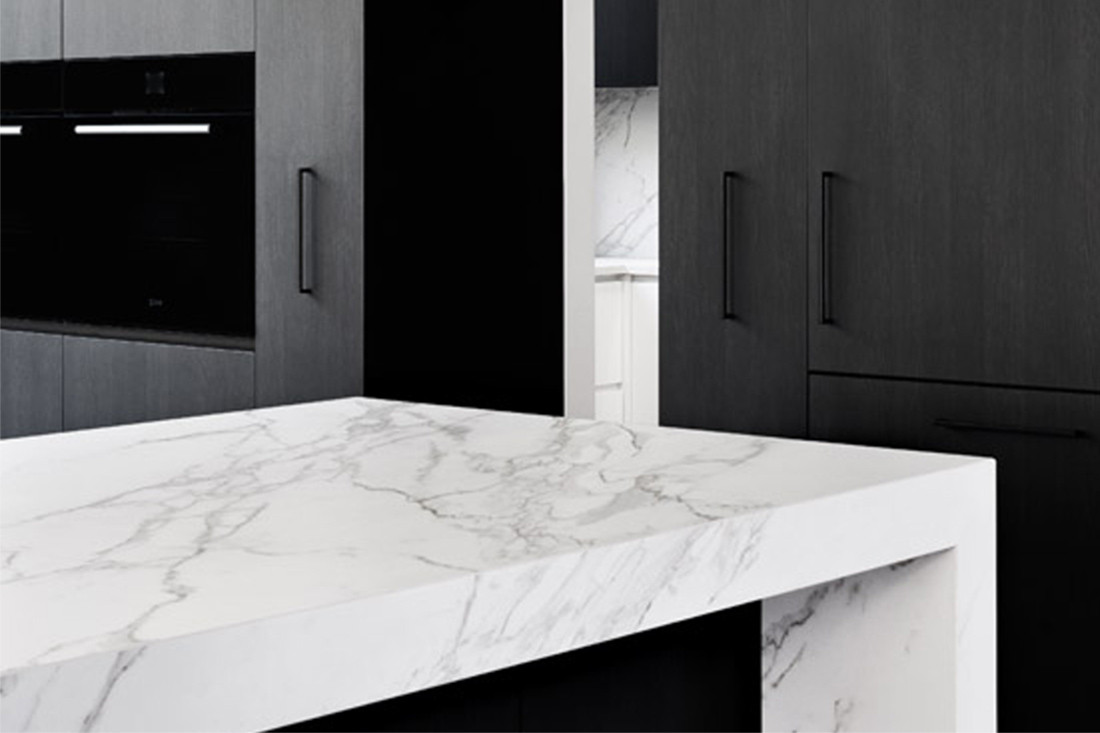
In this whitepaper, we take a closer look at sintered stone and its various aesthetic and performance attributes.
January 28th, 2021
For years, natural materials like stone or wood have been the surface materials of choice in building design because of their timeless beauty and elegance. However, the next generation of surface technology is offering a superior combination of performance, versatility and premium aesthetics in one convenient and user-friendly package.
Sintered stone is a new product category in the architectural surfaces market that is gaining popularity across the design and construction industry. The innovative, all-natural material is leading the evolution in surfaces with its long-term durability, light weight, low porosity and almost limitless selection of colours, texture and finish options.
Outperforming its natural counterparts in several important categories, sintered surfaces provides architects and designers greater freedom to achieve a wide range of design applications. As its popularity grows in commercial, residential, and institutional projects, it will be important for industry professionals to have a detailed understanding of sintered stone and how it can be incorporated in building design.
In this whitepaper, we take a closer look at sintered stone and its various aesthetic and performance attributes, and how it may be used to formulate design solutions for different interior and exterior applications and sustainability requirements.
"If the document hasn't automatically downloaded in 10 seconds, download here."
Please note by accessing advertiser content your details may be passed onto the advertiser for fulfilment of 'the offer' and also permits the advertiser to follow up the fulfilment of the offer by email, phone or letter. The subscriber also permits further communication from indesignlive.com.
INDESIGN is on instagram
Follow @indesignlive
A searchable and comprehensive guide for specifying leading products and their suppliers
Keep up to date with the latest and greatest from our industry BFF's!
The internet never sleeps! Here's the stuff you might have missed