The home of architecture and design in the Asia-Pacific
Get the latest design news direct to your inbox!

Get the latest design news direct to your inbox!
Dauphin applies innovative sports-tech to office chairs.
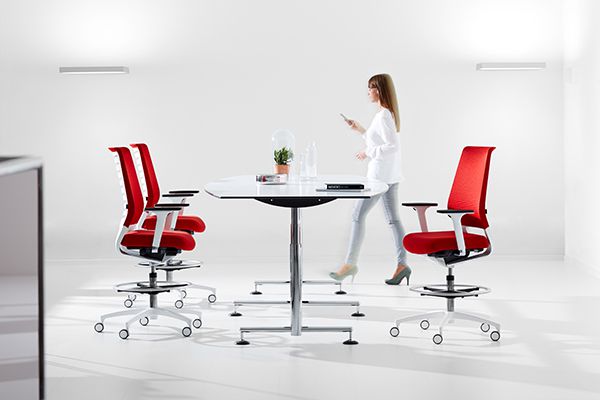
Designed by the Dauphin HumanDesign Group (DHDG), X-Code office chairs are inspired by the world of running. The series includes a number of innovative and advanced features, which help to maintain motivation and performance in the workplace.
The successful sport sector is a true pioneer in its field, using innovative technology to create lightweight, perfect fitting sport shoes. With their ground-breaking design, intricate construction and high-tech fibres, they promise to open up totally new possibilities for athletes. What is revolutionising the world of running is equally good for today’s dynamic office workers. And with research citing the dangers of 9 – 5 sedentariness, and few alternatives in our busy, desk-driven lives – this is welcome news.
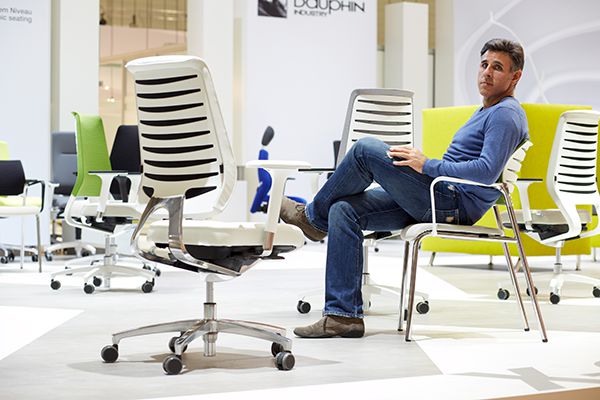
X-Code designer Daniel Figueroa and the ergonomics experts from Dauphin worked closely together to come up with a special seamless backrest fabric. Designed to meet the needs of dynamic office workers, it moulds to users’ movements like a second skin. The striking backrest is made up of a sturdy plastic shell with a flexible tensioned membrane. In order to achieve optimum support for the back, the membrane is complemented by an adaptable slatted structure. As a result, the three-part backrest remains transparent and breathable. An integrated lordosis support provides cushioning across the slatted structure and ensures maximum pressure distribution in the lumbar spine area. This results in an active yet relaxed posture without the typical symptoms of fatigue. In addition, one-step precision machining of the fabric with no trimming or tailoring reduces the amount of waste produced during manufacture by up to 30 percent.
Lastly – X-Code also features an antibacterial silver micro-coating on its armrests. Unique within the office furniture sector to date, it helps to reduce the spread of infections. Silver finishes of this type are mainly used on door handles and other door fittings in practices and clinics. They actually kill germs rather than simply preventing them from sticking to surfaces.
Dauphin
dauphin-group.com
INDESIGN is on instagram
Follow @indesignlive
A searchable and comprehensive guide for specifying leading products and their suppliers
Keep up to date with the latest and greatest from our industry BFF's!
The internet never sleeps! Here's the stuff you might have missed