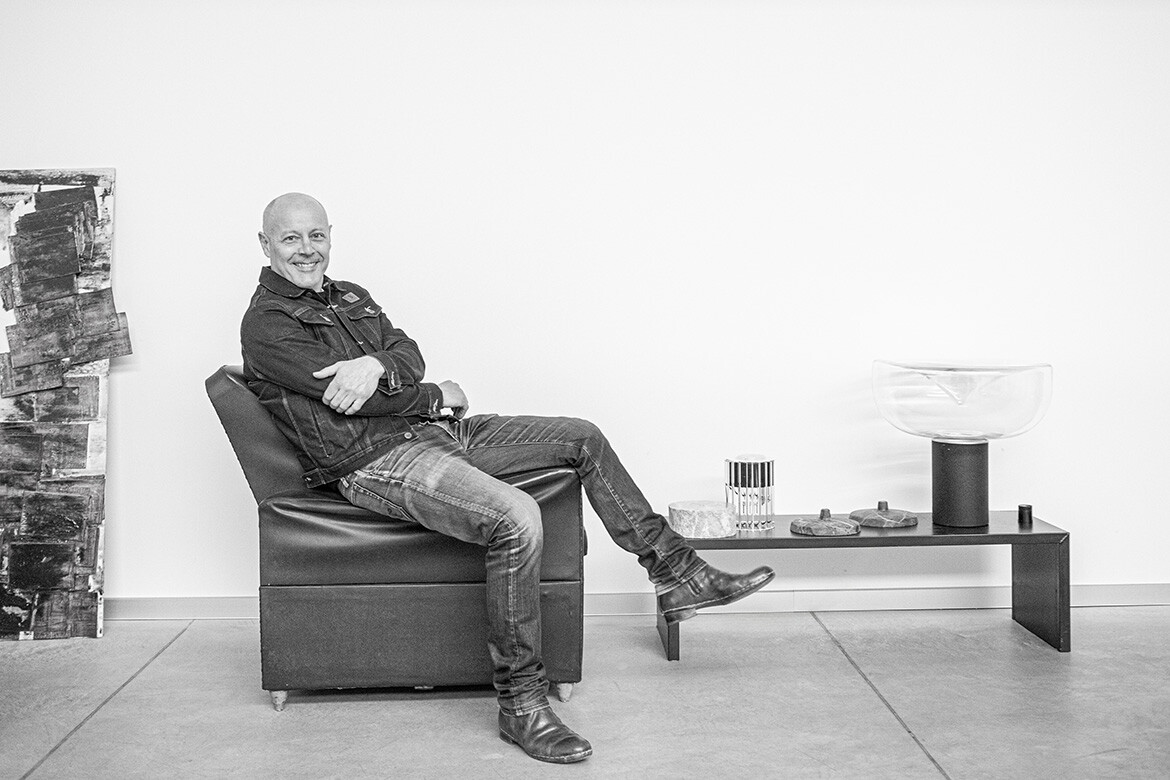
“It was all about lighting,” asserts Abramo Manfrotto. He’s not, however, talking about the lighting brand that he acquired in 2019; he’s talking about his father’s work as a professional photographer.
“He would spend hours setting up the lights, and I would sit there hearing the hissing of the charger,” recalls Manfrotto. For the CEO of LEUCOS, the connection between creativity and entrepreneurialism has been ever-present in his life – illuminated, if you’ll forgive the pun, most clearly between photography and lighting.
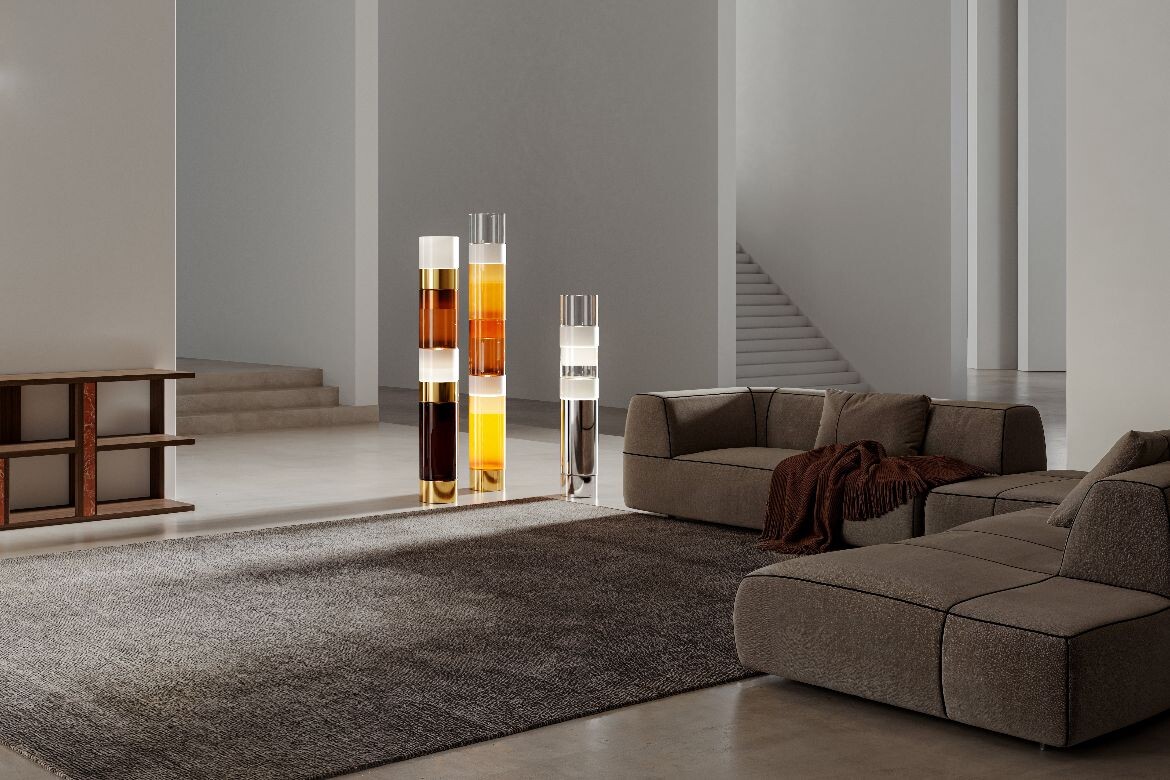
Manfrotto Senior founded a company of the same name (which still operates today), while Abramo spent several years developing his own firm, ALU, before acquiring LEUCOS in 2019. Founded in 1962, the Italian company was internationally recognised for its glass and design innovation. Under Abramo’s leadership, the focus has been on revitalising the brand’s image, often through collaborations with high-profile designers.
“In managing this company, I was exposed to the design world – to the architects and interior designers. And then at some point, I realised that I still had that flash going off in the back of my head. I felt the need to combine my experience from metal-mechanical products that I learned while I was working in Manfrotto with the creativity that was around ALU – and then add the light. Rather than start up our own company with a new brand, I thought it would be best to go out and buy a local company in Italy that needed help.”
Related: Timeless foundations meet contemporary innovation with Brickworks
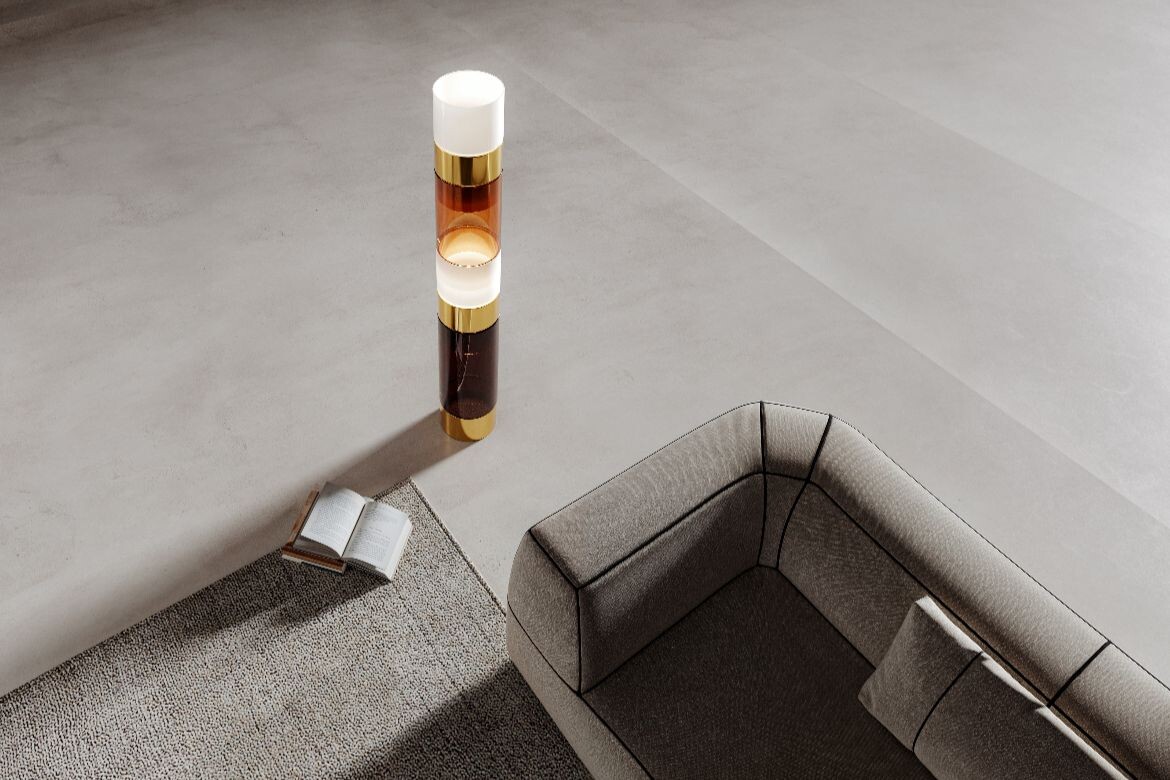
Another focus has been maintaining LEUCOS’ heritage and history of craftsmanship amidst contemporary innovation. Abramo explains that the biggest shift in lighting design has been technical capacity: “The moment you start using electronics, the moment they use a chip that needs to dissipate the heat, [it becomes] quite technical.”
He continues: “I need to hide [the electronics] because it’s not my selling point. I am not selling a technical light; my selling point is that I need to make good light, beautiful light. And that’s where the interesting part kicks in. LEUCOS traditionally used glass and we will continue to use glass, but we also want to do what the founders did back in the ’60s – tap into what is available today. And what’s available now in manufacturing is incredible. From a manufacturing standpoint, it’s like being a kid in a candy store. You have so much available today.”
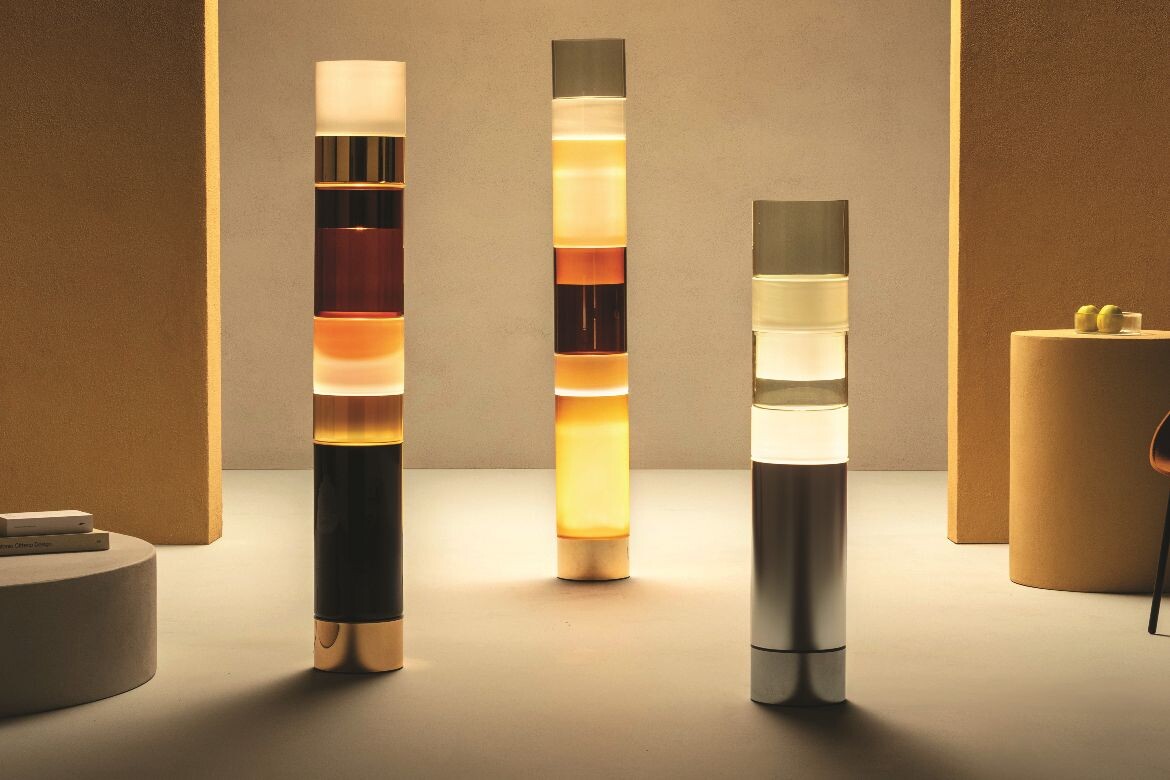
“I’m privileged enough to live in the northeast of Italy near Venice, which has an incredible number of small companies with skills from electronic to craftsmanship, to anything else you want.”
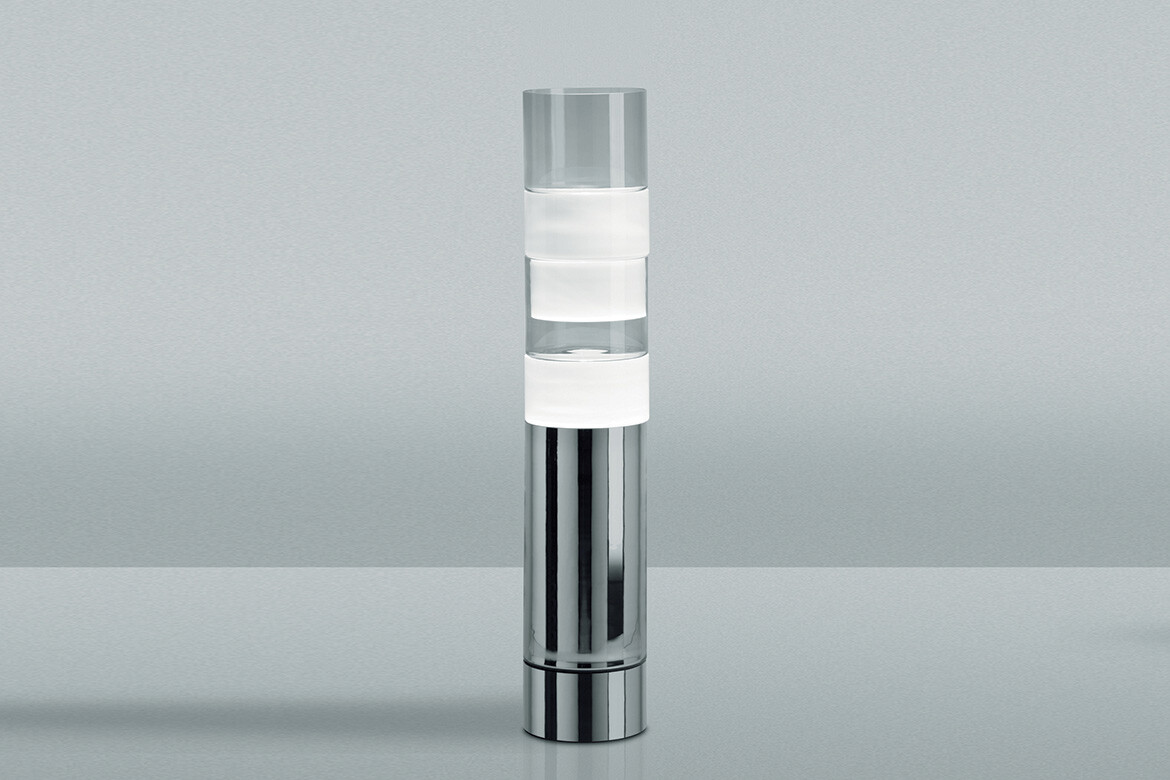
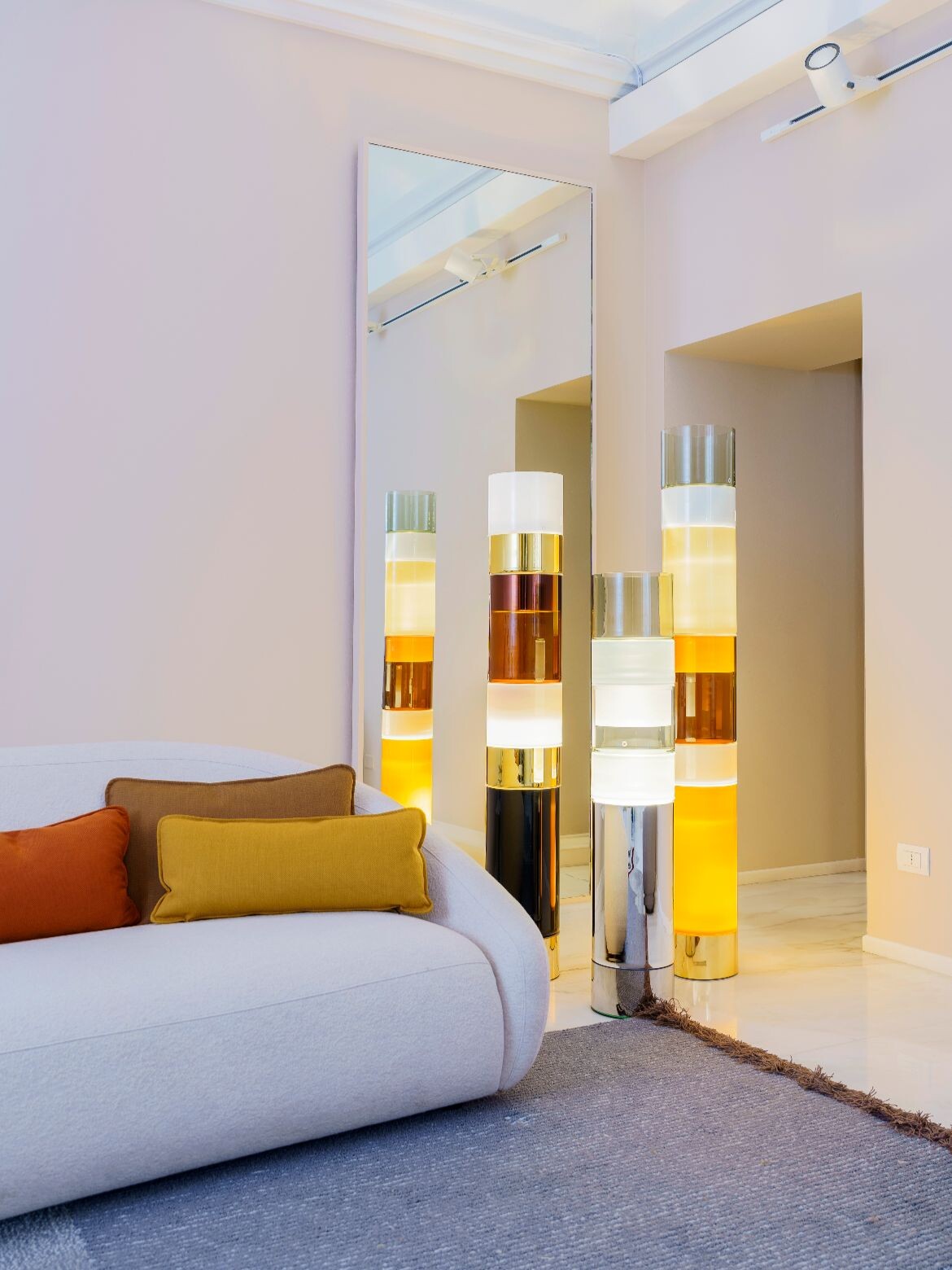
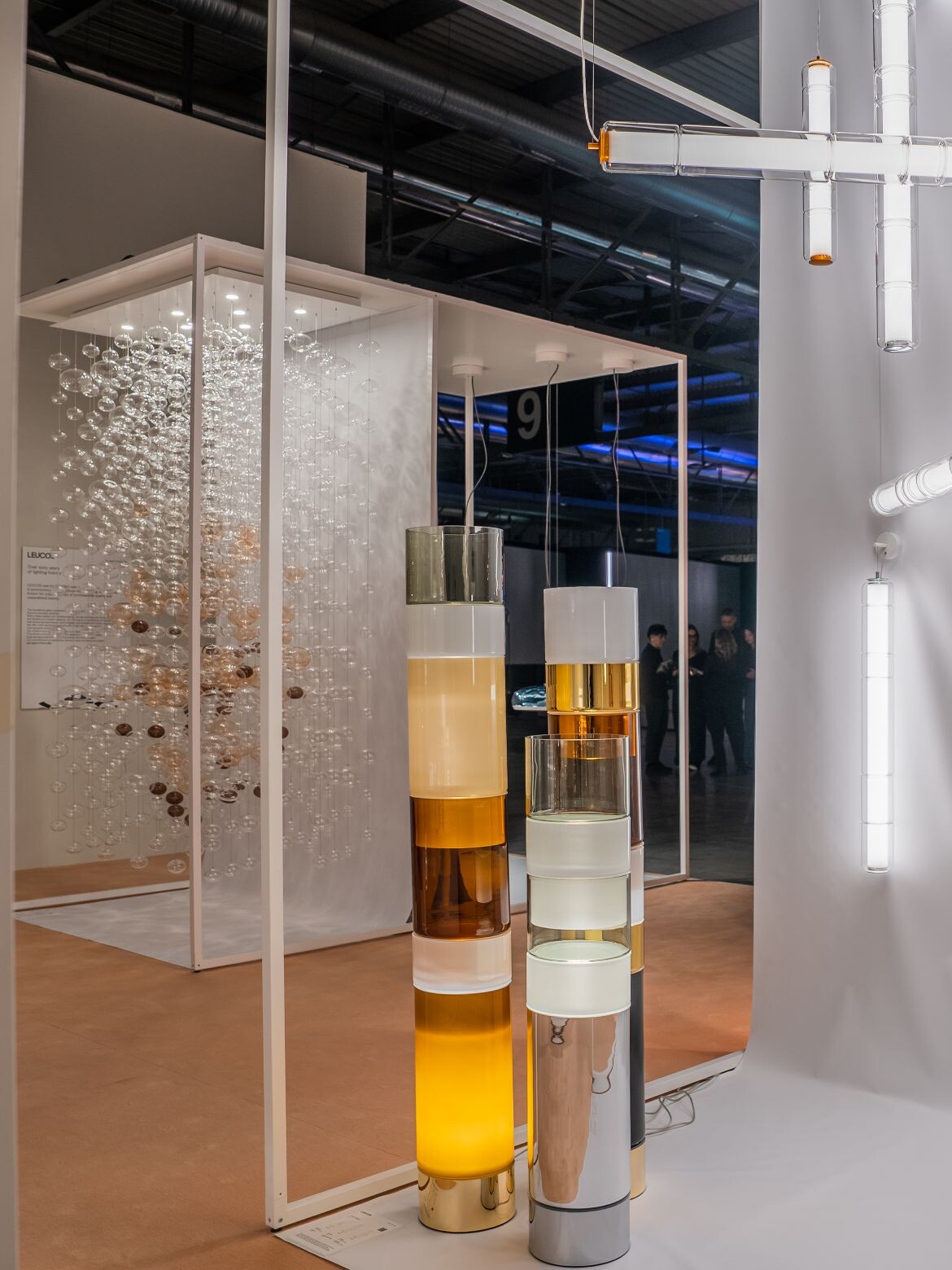
In recent years, Abramo has overseen more than eight new collections including collaborations with American architect David Rockwell and French industrial designer Patrick Jouin. The standout Stacking Collection was created with the former.
“You must have the technical part,” concludes Abramo, “and it needs to be a state of the art. It needs to be reliable, it needs to be safe, it needs to work. It needs to provide the performance that you need in terms of lumens or colour rendering or whatever. But then the aesthetic part is where we are going to have fun, and every time you do something different, it changes the aesthetic of the product completely. That’s the role of the designer that we like to partner with in a specific project.”
dedece
dedece.com
LEUCOS
leucos.com