The home of architecture and design in the Asia-Pacific
Get the latest design news direct to your inbox!

Get the latest design news direct to your inbox!
Finding a way to integrate multiple facets of the built environment, Japanese architecture firm Suppose Design Office not only creates contemporary projects but has opened a real estate agency and construction company all under one roof.

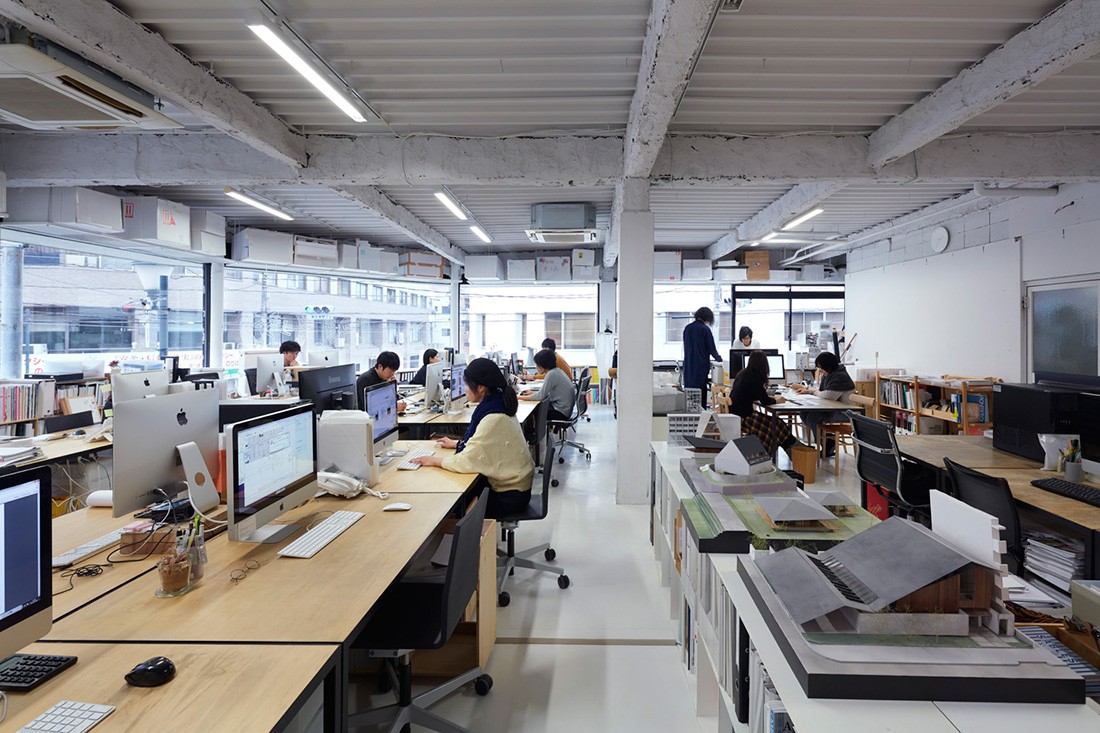
Japanese architecture firm Suppose Design Office has been turning heads not only from its prolific contemporary builds, but its ongoing quest in innovation across all aspects of the architecture and design process.
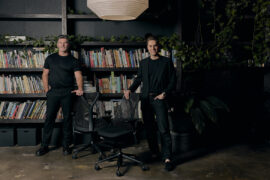
Founded in 2000, and led by Makoto Tanijiri and Ai Yoshida, Suppose Design Office now operates two offices across Tokyo and Hiroshima with over 40 employees. Spanning residential, retail, office, hotel and exhibition design, the young firm’s projects include office headquarters, to private residences and even an intimate design for a secluded Japanese sushi restaurant in Tokyo.
As one of Japan’s emerging firms, one thing remains consistent for Suppose Design Office; the studio’s ongoing search for the unprecedented in the architecture industry. Suppose Design Office has launched its own in-house solution to the client and design process by founding its own real estate agency and construction company. Vantage Point Properties (also known as Zekkei Fudosan) and Twenty First Century Builders (also known as (21 Seiki Koumuten) are both situated in Suppose’s Yoyogi-Uehara-based Tokyo headquarters.

The extended business arms ensure further consistency across projects and encourage a new dialogue between the property owner and designer, an inevitable and innovative solution to today’s ever-changing landscape. The real estate arm mediates properties as a broker and finds the potential of both urban to rural sites across Japan, leading with the viewpoint of architecture in consideration first.
Tanijiri explains; “Architects usually aren’t involved in the decision of a site location. However, their relationship with the site, it’s construction system and materials are important parts to design architecture. We believe it can improve our design by proposing these parts to the client comprehensively.”

To integrate all arms, Tanijiri explains how the idea came about: “We decided to begin the property project about two years ago when a foreign client consulted us to build his holiday home in Japan. While he was looking for a location in the forest, we proposed a site next to a waterfall in a forest. We found that we could propose the site location to not only hold beautiful scenery but also to be suitable for the architecture.”
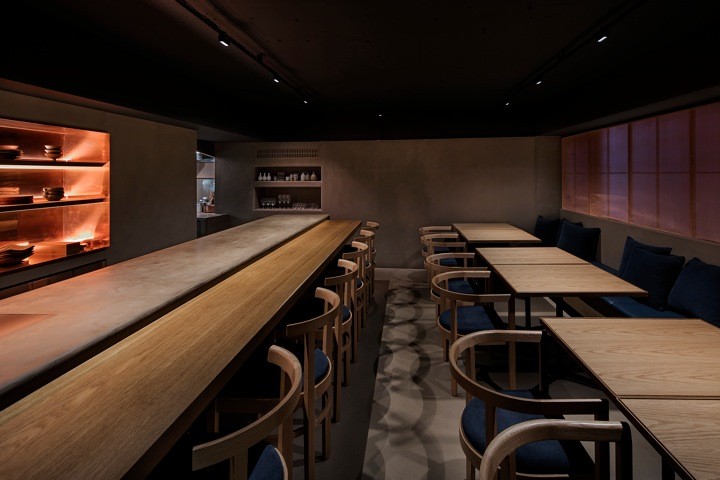
With full control over all aspects of design, its construction firms also aim to explore new material innovation to “expand the range of design proposal and development of a new material with design”.
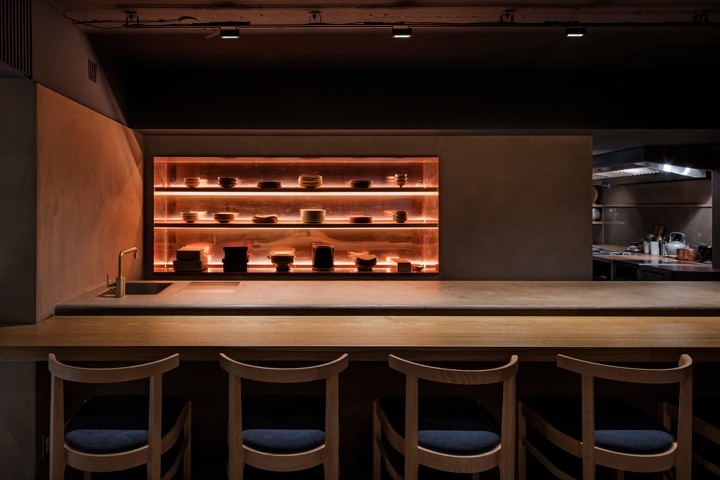
Suppose’s first complete project utilising its in-house construction company is the concrete and timber-clad modern kaiseki restaurant Tenoshima, located in Tokyo. The restaurant’s design executes Suppose’s ethos of modern construction utilising technology and handmade craftsmanship in its execution.

Completed in March, it is the firm’s first realised project bridging all arms of the business, however, it is only the start for the firm’s promising concept.
INDESIGN is on instagram
Follow @indesignlive
A searchable and comprehensive guide for specifying leading products and their suppliers
Keep up to date with the latest and greatest from our industry BFF's!
The internet never sleeps! Here's the stuff you might have missed