For lovers of burgers, hotdogs and old-school video games, 8bit restaurant is for you. At 8bit’s third and biggest space yet, Architects EAT has created a space that not only celebrates the original aesthetic of the brand but also extends upon it.

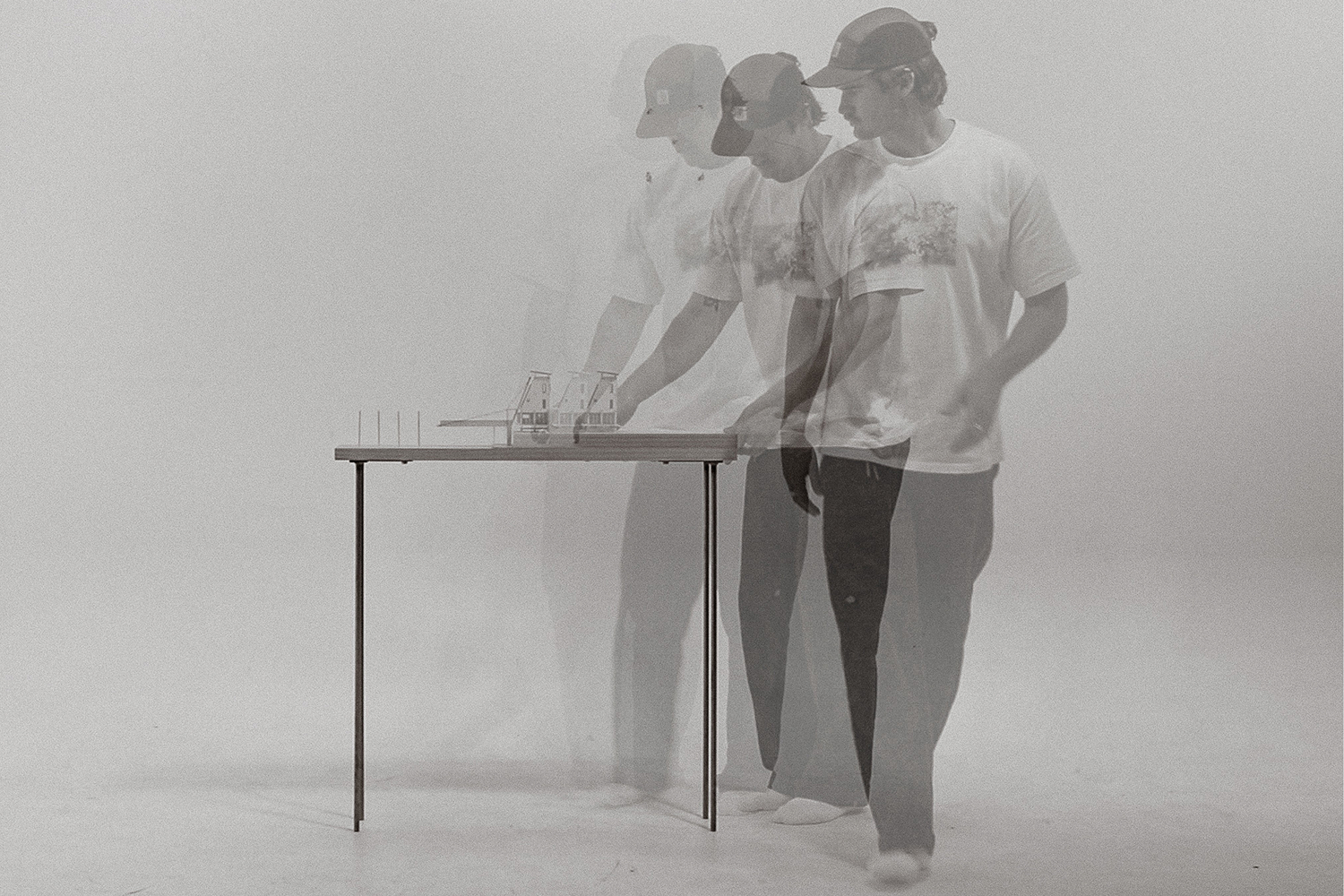
(L-R) Eid Goh and Albert Mo of Architects EAT.
A new and bigger 8bit restaurant has arrived in Little Collins Street, Melbourne. The varying heights and levels within the existing space cultivated the idea of activating the design via height. Timber slats, powder-coated steel and acrylic rods act as the main material catalysts, creating a mood within the space that is both playful and inviting, situating 8bit as a unique space within Melbourne’s CBD scene. To celebrate the third instalment of this nostalgic wonderland, we speak to designer Albert Mo of Architects EAT to hear more about the space.
IDL: Where did the idea come from?
Albert Mo: Essentially the idea was to create a space that felt like you were entering into a video game. The name itself paints the imagery – our job was to bring those existing themes within the interior. From there we looked at who are 8bit’s main demographic (early 20s-late 30s) and devised what forms would best present themselves with both nostalgia and excitement.
How did the concept develop?
With the space being the largest 8bit restaurant to date, we needed to celebrate this but also include the existing stores into the storyline. From there we began to throw around this idea of the hidden level – a place where only fun and prosperous times will be offered. You should be able to eat your burger without worrying someone is about to hit you from behind with a green mushroom!
What research and development was involved?
Firstly, the Super Nintendo Console came out of retirement that’s for sure! We invited people from our office to tell us what their favourite games were while growing up and took it from there. Design is also an intuitive tool so we were aware that the design still needed to have some EAT flare to it.
What was the approach to the colourway and materiality?
The colours were predefined via 8bit’s branding, which was masterfully created by Studio IO. Materiality is always the fun part. To keep the space warm and inviting we chose to work with a lot of timber exposing the grain as much as possible to ensure there’s that element of real within the desired virtual. We also used a lot of powder-coated metals with tiles and our favourite acrylic tubes. The space needed to be tactile, inviting, fun and ready to withhold the lunchtime stampede.