The home of architecture and design in the Asia-Pacific
Get the latest design news direct to your inbox!

Get the latest design news direct to your inbox!
Female architect Liza Morales cut her teeth in a male-dominated industry at The Big Apple before returning back home to The Philippines decades later to start Ecotecture Design Studio.

March 24th, 2023
Despite not being fluent in English when she first arrived in New York City in the ‘90s, Filipino architect Liza Morales focused on honing her craft in an American architectural firm until 2009 when the financial crisis hit. At the time she had specialised in hospitality design, which was hit badly by the recession. “I figured it was time to come home, as the Philippines was going through rapid growth and expansion during that period,” she recalled.
There is also much to learn from her own roots. According to Morales, Filipino architecture bears Spanish colonial, indigenous, and Islamic design influences, forming an eclectic style with a deep connection to nature through sustainable materials such as bamboo, rattan, and Nipa palm. She had also returned home so that her children could grow up surrounded by family. They would become her biggest motivators as she hopes to create a better future for them.
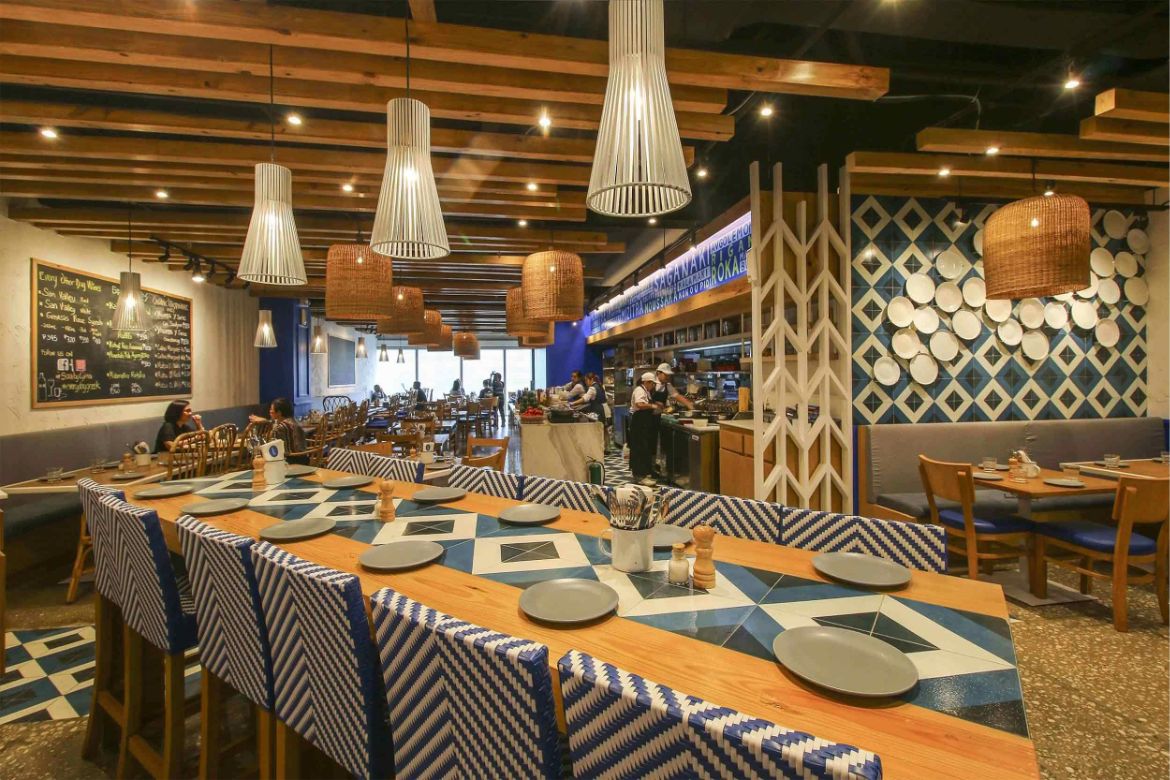
Upon returning to The Philippines, Morales founded Ecotecture Design Studio. “The term “ecotecture” is a design philosophy that seeks to create buildings and spaces that are environmentally sustainable, energy-efficient, and harmonious with nature,” she explained. Morales is one of the first female architects to attain the Leadership in Energy and Environmental Design (LEED) certification – a feat in a male-dominated industry.
Focusing on sustainable building design, the boutique Manila-based firm employs a team of 15 today, working on a variety of architecture and interior design projects in The Philippines and New York. With design principles that align with Singapore’s green initiatives, the team has plans to pivot into the local market in the near future.
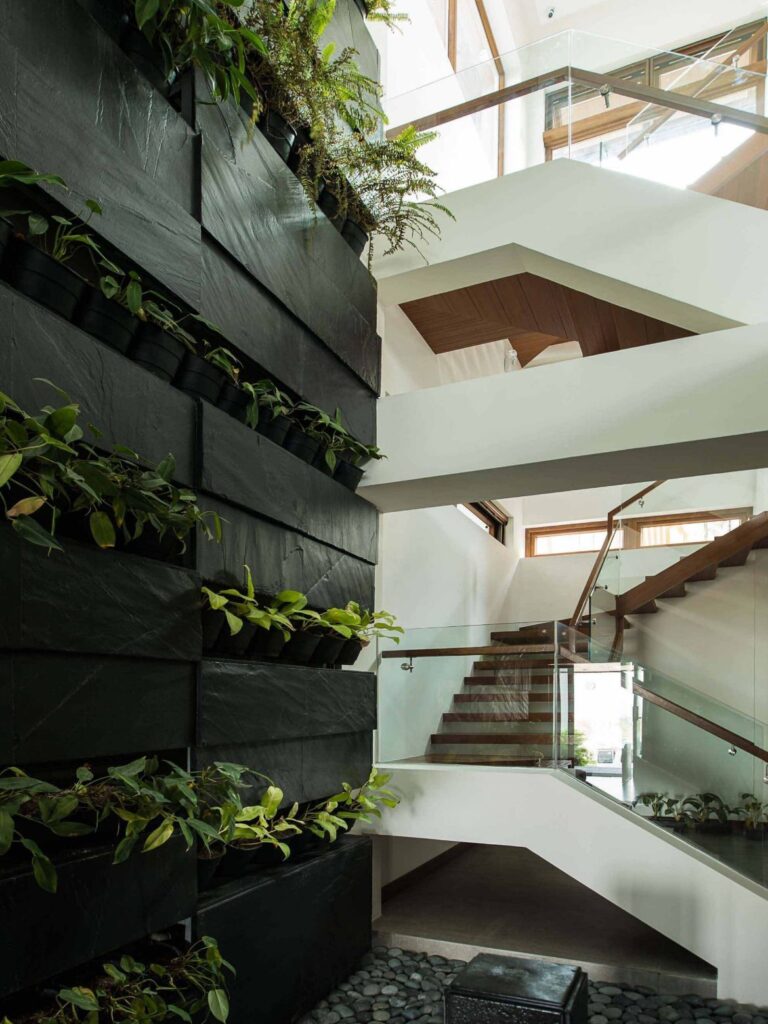

Be it to implement renewable energy, passive cooling systems and other green technologies such as green roofs, rainwater harvesting systems and natural ventilation to client projects, Morales believes that it is the architect’s responsibility to advocate for the green agenda. However, it is not always a walk in the park as sustainable design tends to be associated with high upfront cost, material scarcity and complexity amongst other challenges. Her methods of persuasion include highlighting success stories or measurable benefits such as a significant reduction in energy bills. According to Morales, the electricity rate in The Philippines is among the highest in Asia.
Ultimately, it is about approaching clients with an open mind and a willingness to listen. Conversations can lead to the discovery of opportunities to minimise ecological footprint. For a recently completed music store, the team discovered that their client possessed unwanted defective speakers and dented cymbals. And so, they repurposed them into a one-of-a-kind coffee counter and lighting fixtures that add to the store’s character.

On a larger scale, Ecotecture Design Studio integrated a 12-storey green wall to a high-rise office building to abate the carbon dioxide emissions along Epifanio de los Santos Avenue (EDSA) – one of Manila’s most congested highway. The green wall filters harmful pollutants emitted by the iconic jeepneys and other vehicles, improving the vicinity’s air quality. “By incorporating this green feature, we were able to contribute to the overall health and well-being of the community and the environment,” said Morales.

When the opportunities arises, Morales tells her clients to not build at all, which may seem contradictory to an architect’s purpose. Rather than fulfil her clients’ request for a ground-up construction of their weekend home, the firm convinced them to renovate an abandoned structure onsite instead. By reusing the bones of the house, they were able to reduce waste and energy consumption, saving natural resources and money for the clients in the process. This can be said to be a win-win situation.
When asked if architects should stop building altogether, Morales quipped, “Buildings are essential for human habitation, providing shelter, security, and comfort. The focus should be on building more sustainably. This means designing and constructing buildings that minimise environmental impacts, optimise resource use, and provide a healthy and comfortable environment for occupants.”



INDESIGN is on instagram
Follow @indesignlive
A searchable and comprehensive guide for specifying leading products and their suppliers
Keep up to date with the latest and greatest from our industry BFF's!
The internet never sleeps! Here's the stuff you might have missed