The home of architecture and design in the Asia-Pacific
Get the latest design news direct to your inbox!

Get the latest design news direct to your inbox!
After a year of upheaval in the workplace, what does the workplace of today (and the future) need to address? Cubes 101 focuses on workplaces that provide clues on the way forward.

May 21st, 2021
The past year has supercharged our conversations around the workplace. The pandemic magnified fault lines in our office environments and companies were thrown headlong into circumstances fraught with issues. In many instances, workspaces have become a part of multi-prong solutions.
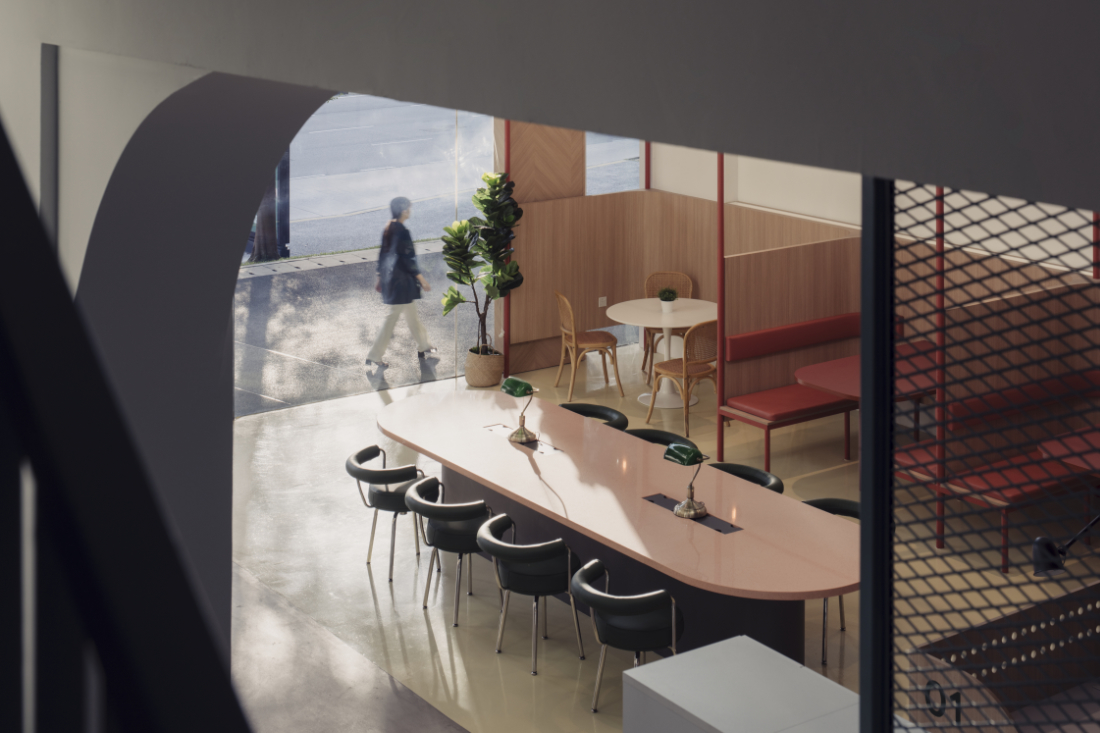
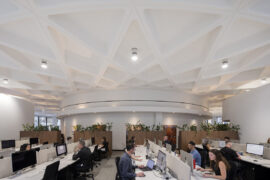
The Workshop @ Lavender by Open Studio with Avalon Collective Interior Design. Photo by Khoo Guo Jie.
In this issue of Cubes we talk about the need for workspaces to foster a strong sense of identity, and encourage community, collaboration and wellness. We want offices that are agile and flexible, and tuned to the digital age. We need them to have minimal impact on the environment and above all, we want them to be cost-efficient. It’s a tall order to hit all these notes well in equal measure. The projects herein show us that the best workplaces take on a tactical approach, focusing on specific issues with conviction and depth.
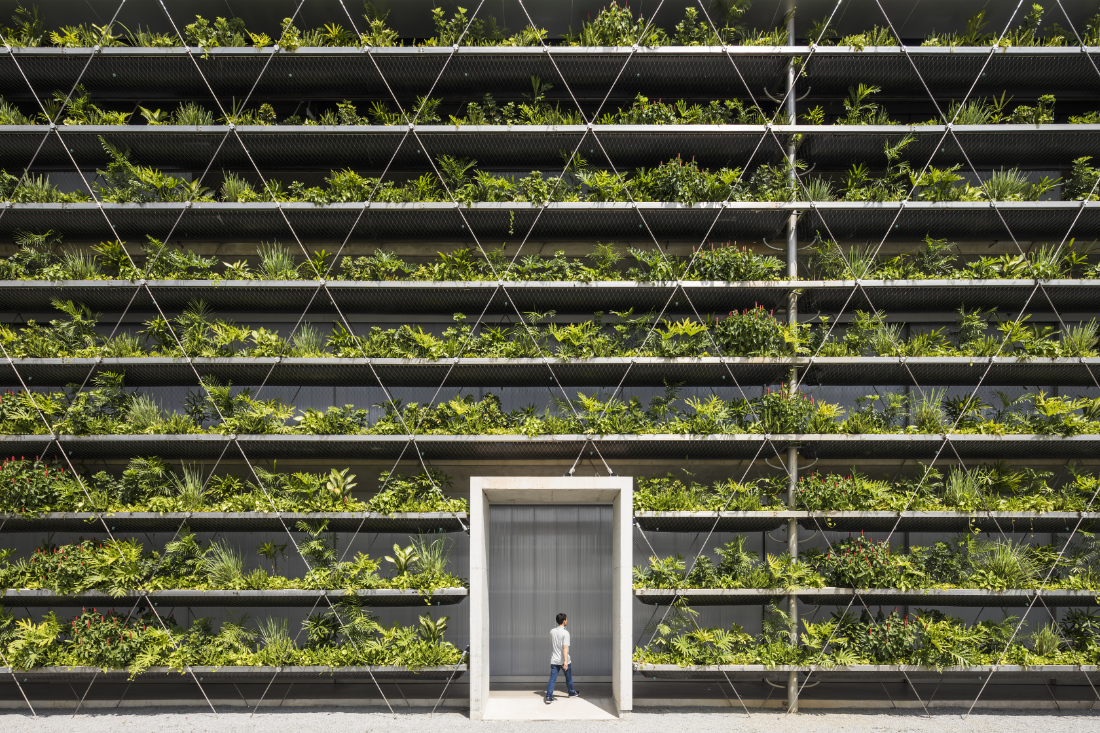
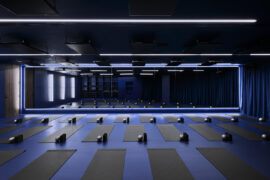
Jakob Factory Saigon by G8A Architects and Rollimarchini Architekten. Photo by Oki Hiroyuki.
Next issue marks the #102 edition of Cubes. More than 100 issues as the voice of design in Singapore and Asia. #102 also marks a new adventure as Cubes moves to an Annual issue, casting our net wider and digging deeper to curate the year’s best projects, most thought-provoking conversations and most progressive ideas. As an Annual, Cubes will explore the design zeitgeist through a broad spectrum of stories that cuts across genres and typologies. The future is laden with possibility – and always outstanding architecture and design.
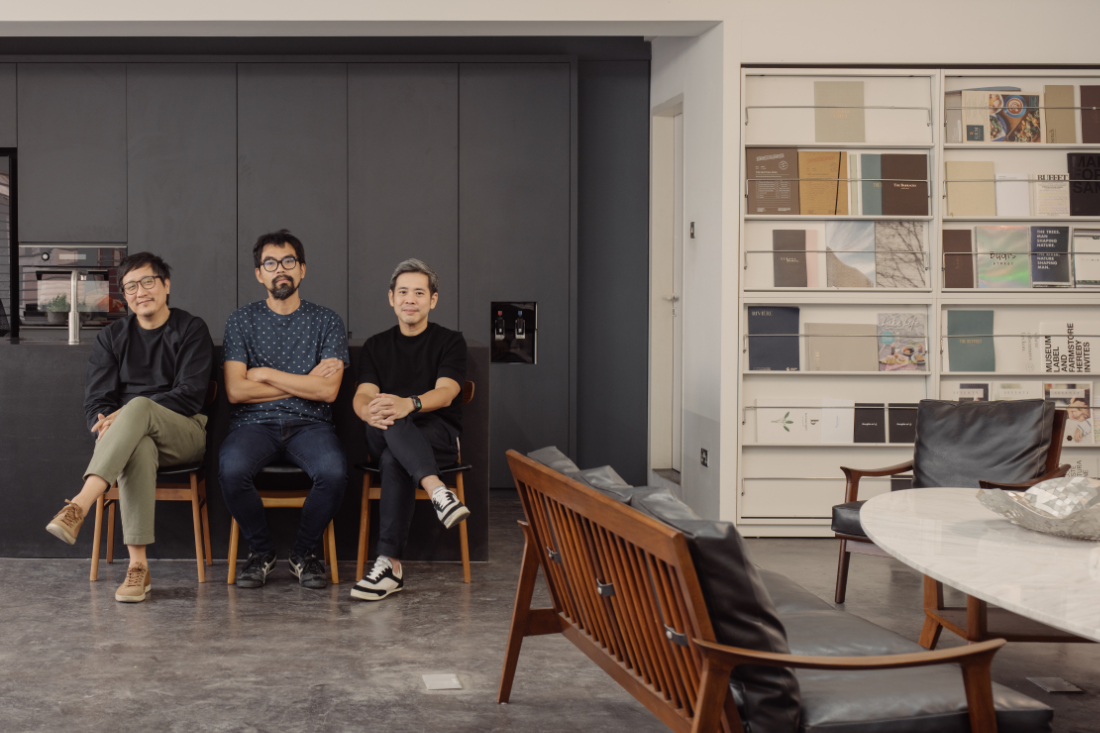
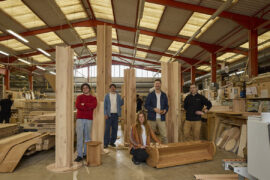
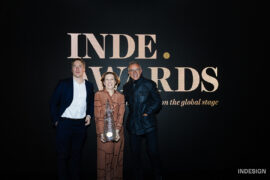
(From left) Tiah Nan Chyuan, Peter Sim and Selwyn Low of FARM. Portrait by Khoo Guo Jie.
Finally, as we embark on the judging of the INDE.Awards 2021 entries, we take this window of opportunity to reflect on the incredible quality of this year’s entries – delivered in large quantities. This year’s awards program has welcomed its highest number of entrants to date; a clear indication that our Indo-Pacific-wide architecture and design community is stronger than ever. At the centre of that community sits INDE.Awards, a powerful point of unity and connection.
In this year’s entries we’ve observed an impressive standard of ideation and innovation across – common across entries hailing from every part of the region. We can’t wait to share with you the outcomes of this exciting and challenging judging period. The INDE.Awards is the only place you will find this unique regional viewpoint. Stay up to date via indeawards.com.
Guest Editor, Rachel Lee-Leong
Indesign Managing Editor, Alice Blackwood
INDESIGN is on instagram
Follow @indesignlive
A searchable and comprehensive guide for specifying leading products and their suppliers
Keep up to date with the latest and greatest from our industry BFF's!
The internet never sleeps! Here's the stuff you might have missed